This is the blog of Mark Wordsworm, the travelling worm. I’m a 25-year-old bookmark and can proudly boast my own Hallmark serial number, 95 HBM 80-1. You’ll probably want to read all about me and my Travelling Companion (the TC).
Today’s travel notes
Me and the TC spent yesterday afternoon on Cockatoo Island on the Parramatta River, immediately inland of Sydney harbour. It’s a forlorn place, strewn with gravel and history.
My impressions? Sandstone, sheds and seagulls.
The book I’m in
Gidget, by Frederick Kohner. An engaging tale of a teenage surfer, written 1957. Clever use of language and style to carry along a simple story with tons of atmosphere.
Travel tip
When travelling to Cockatoo Island, take sunscreen and something to tie back your hair. (That is, if you have lots of it, as the TC does.)
The photos
Me on a metal lathe in the industrial area of Cockatoo Island:

Cockatoo Island, as seen on Google Maps:
The Aboriginal name for the island is Wareamah. The Aboriginal people of the area used to come to the island to fish. But there was no fresh water, so they didn’t live there permanently. In 1839 a governor of New South Wales decided the island was an ideal place to house prisoners and put them to work quarrying sandstone and building prison and military barracks and official residences.
The entrance to the island from the ferry wharf:

Walking into the industrial area:

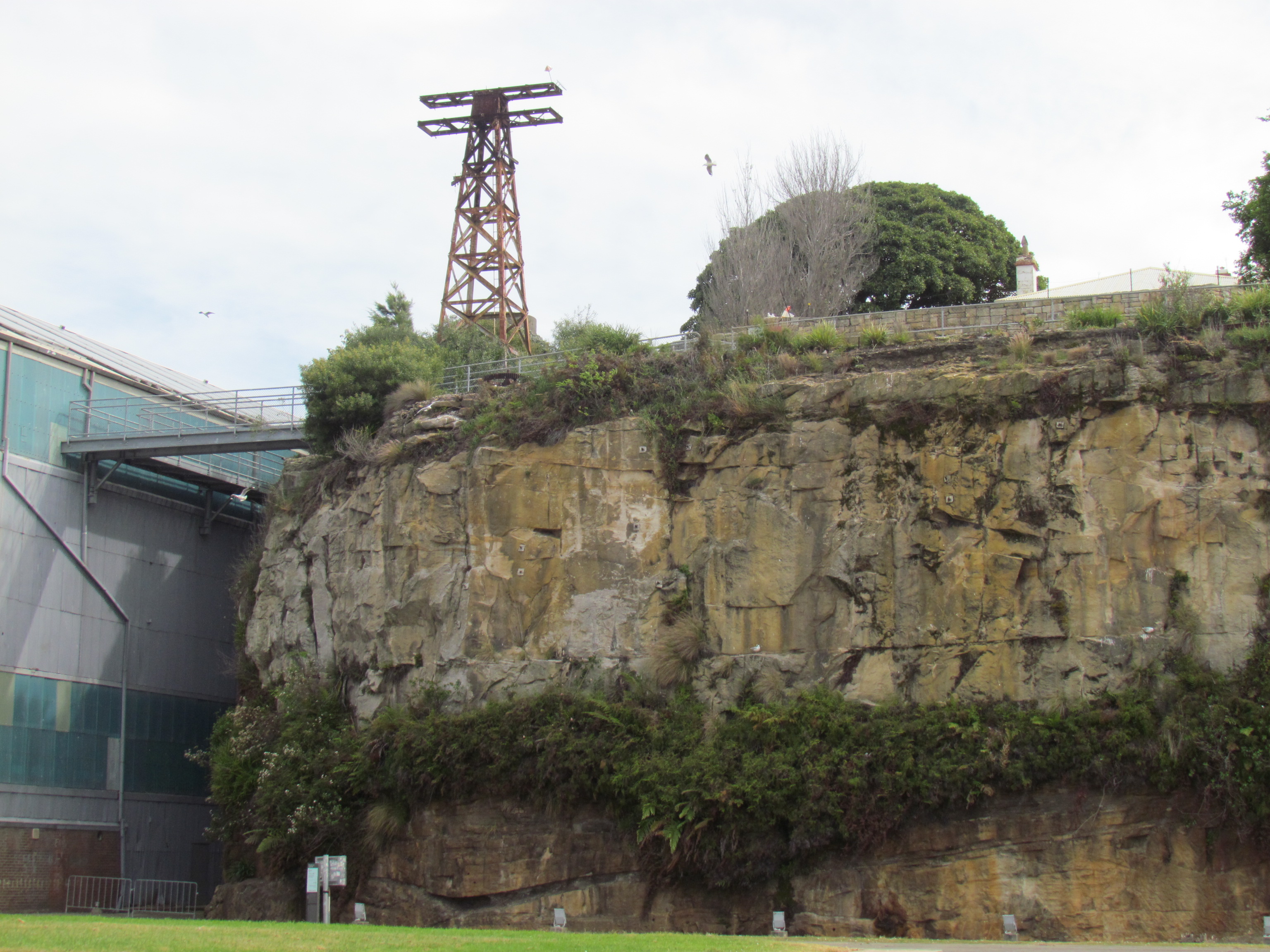
An impressive sandstone cliff on the right as you walk in, which has survived the extensive quarrying:
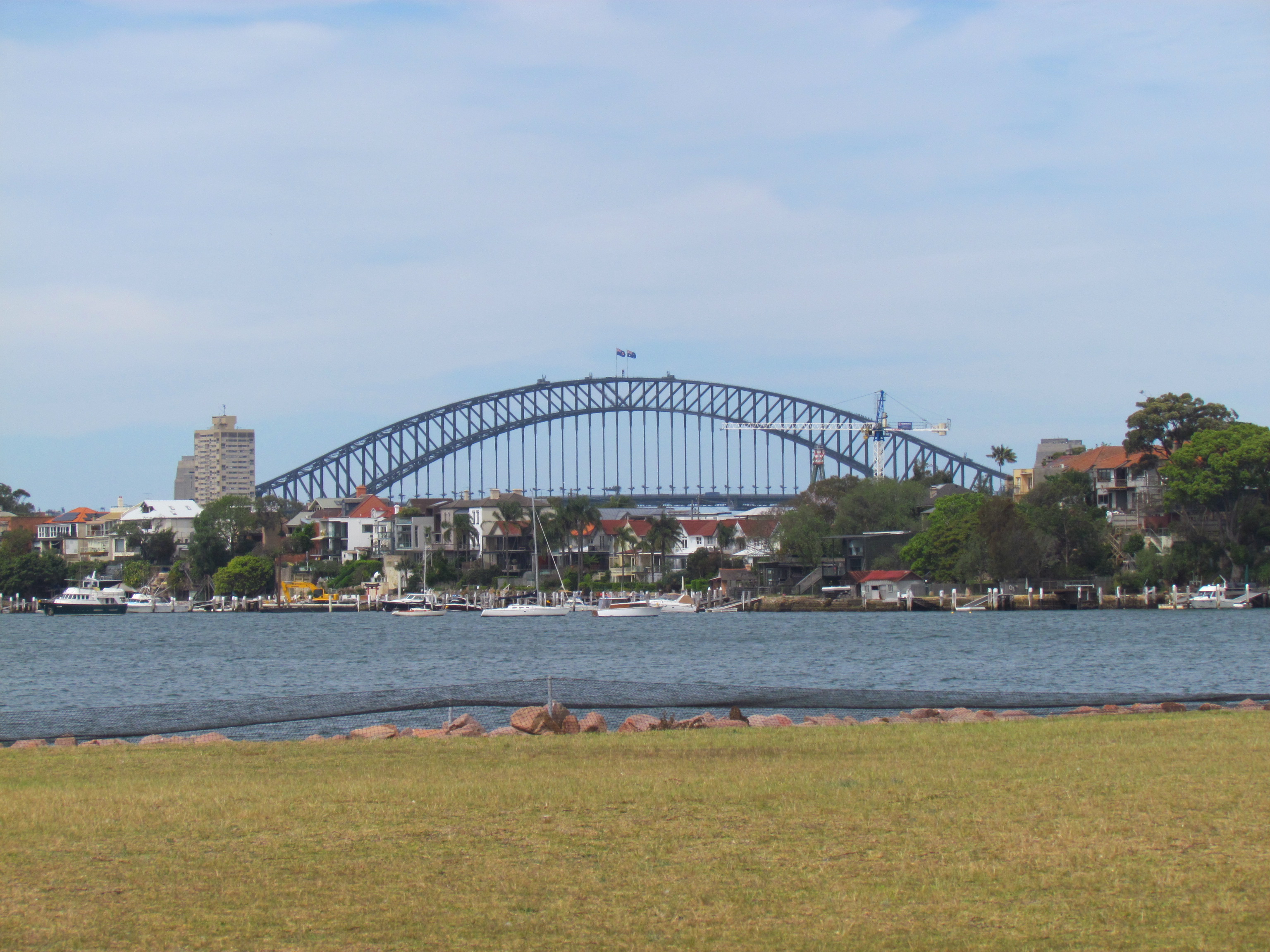
A view of Sydney Harbour Bridge from the island:
In the late 1800s and early 1900s, the island became a major ship-building site, playing a large part in ship construction and repair during World War II. Its use as a dockyard and construction facility for ships and submarines continued until 1992.
Inside a huge ship-building shed on the island:

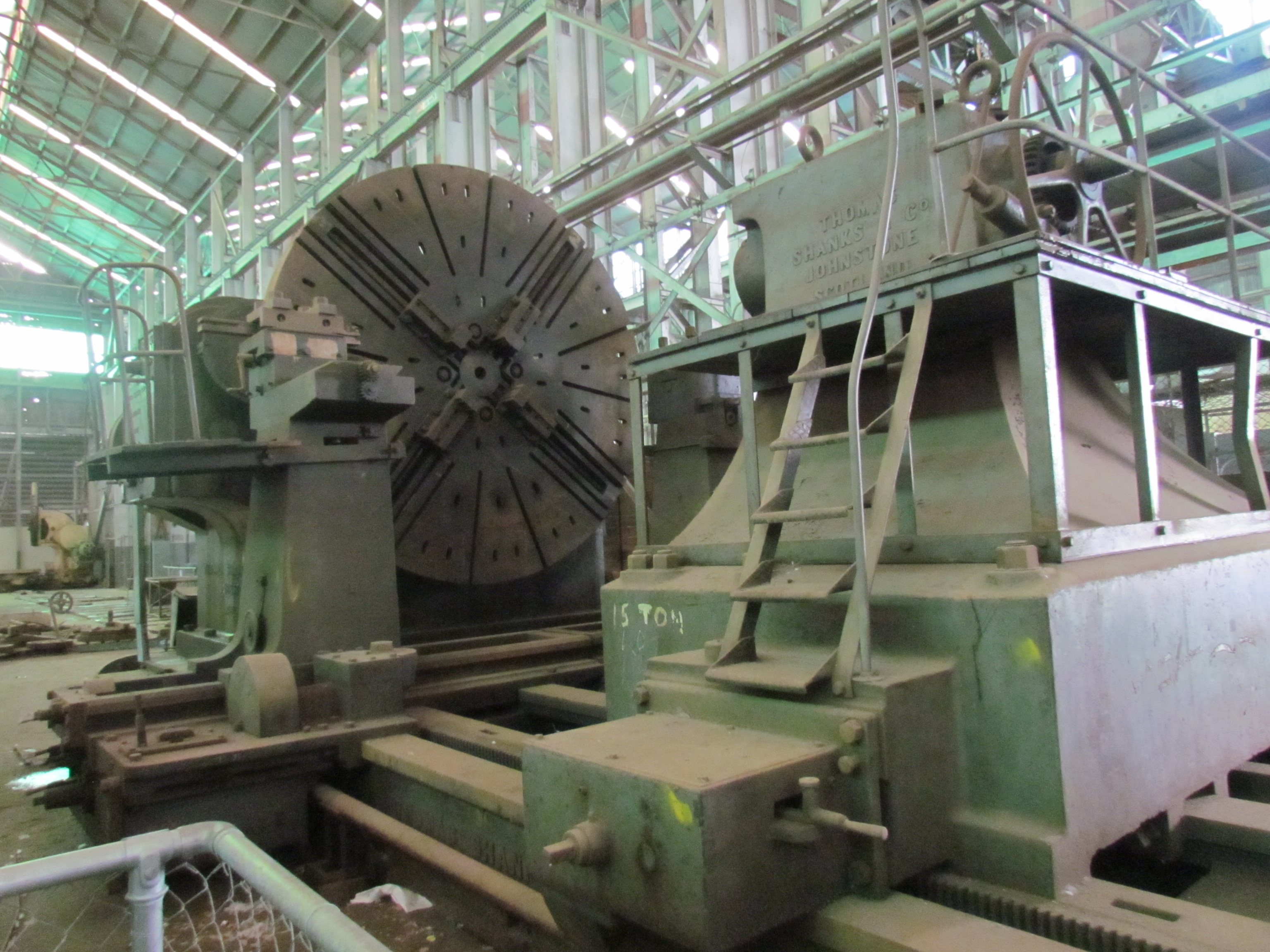
The magnificent machinery made this worm feel small and insignificant:

More machinery:
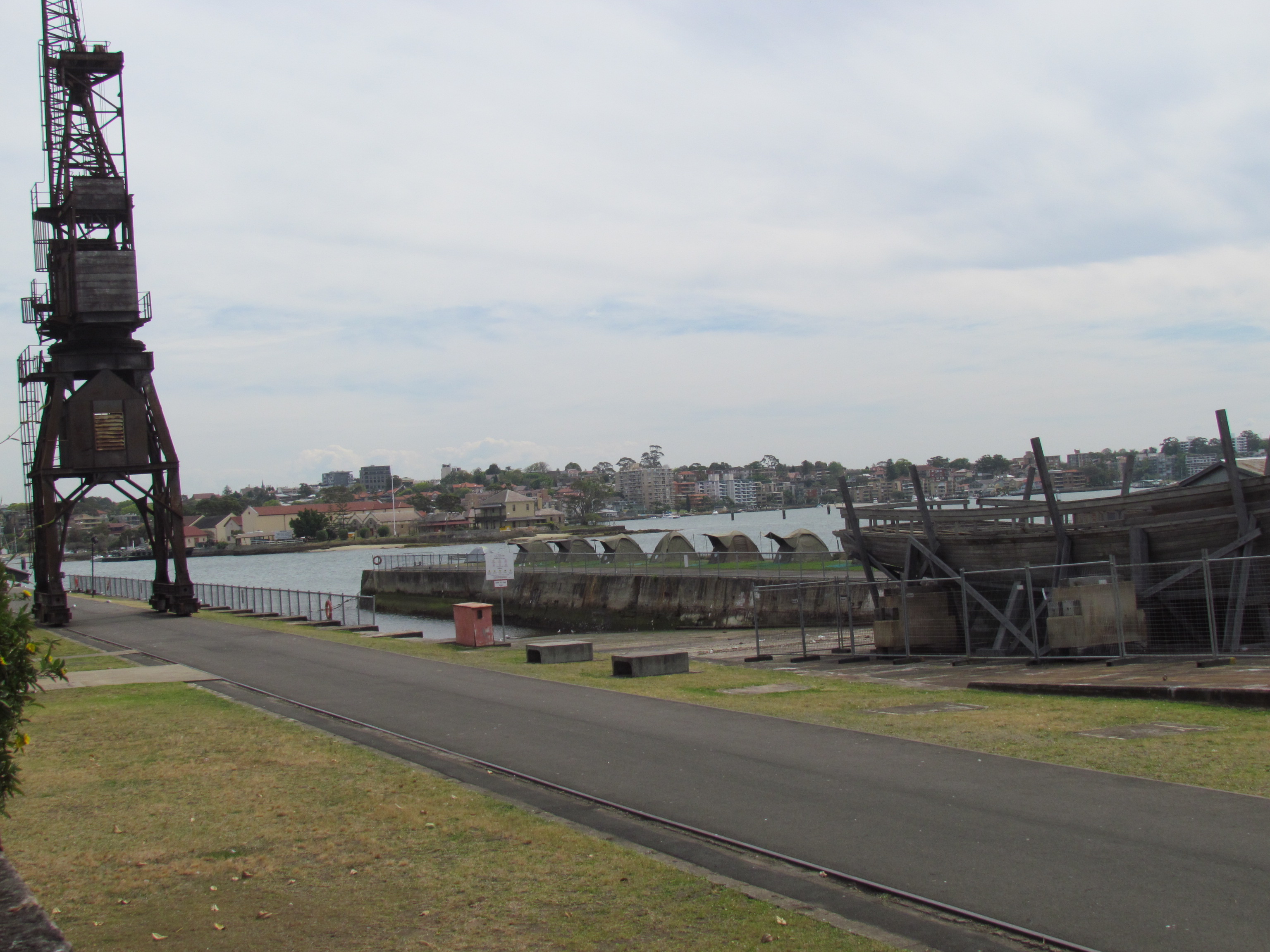
A giant crane stands guard over the Parramatta River:

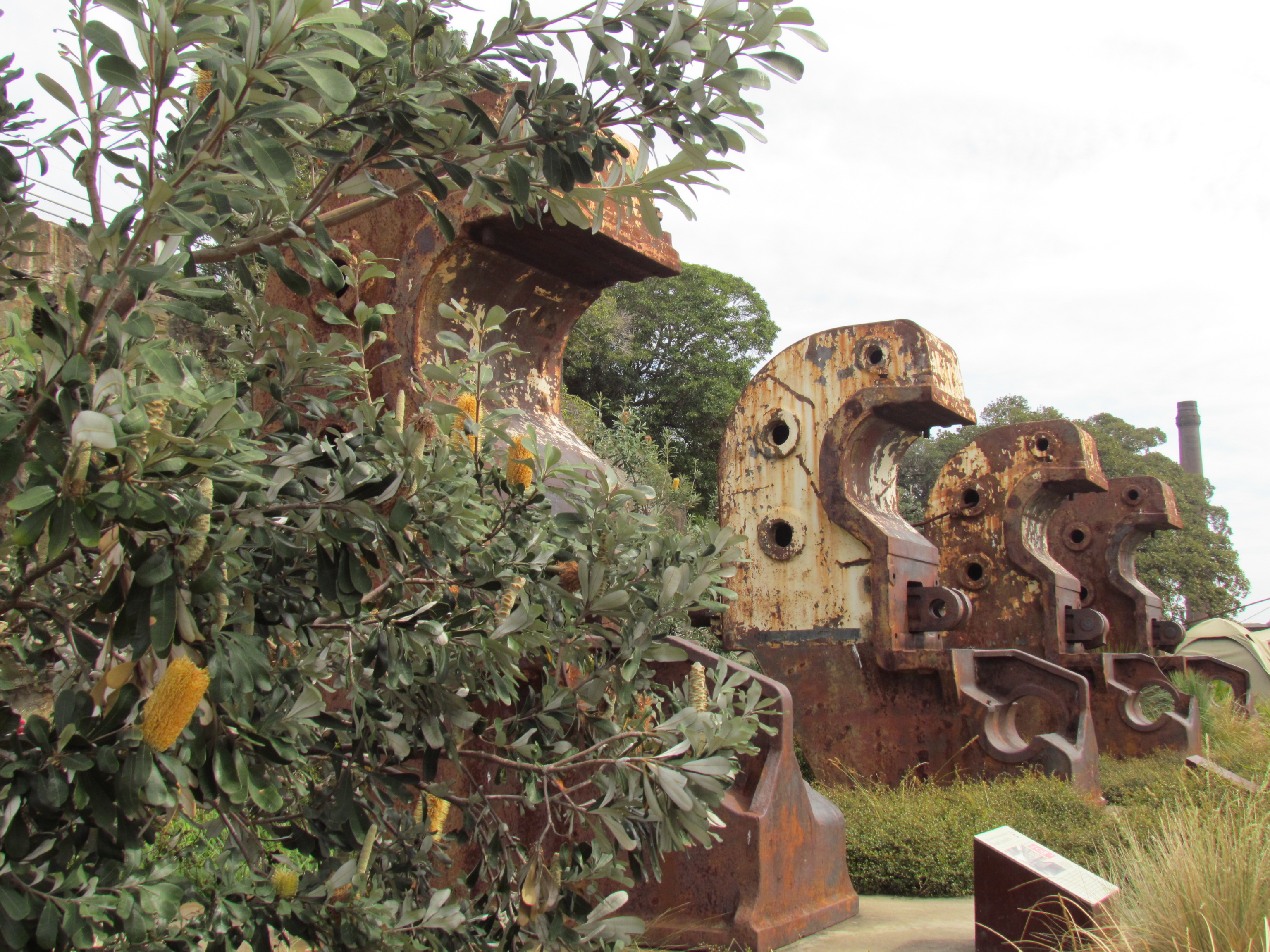
These imposing beam benders are the remains of a hydraulically-powered plate-bending machine from the 1920s, used to bend metal plates up to 9 metres long and one inch thick for ship building:
Below is one of the slipways used to launch ships after construction. Film buffs note: The ark at the top of the slipway was created for and used in the film “Unbroken”, directed by Angelina Jolie and filmed on the island last year:
The solitary confinement cells on the island, opened to visitors only last week, and introduced with great enthusiasm by our charming guide:
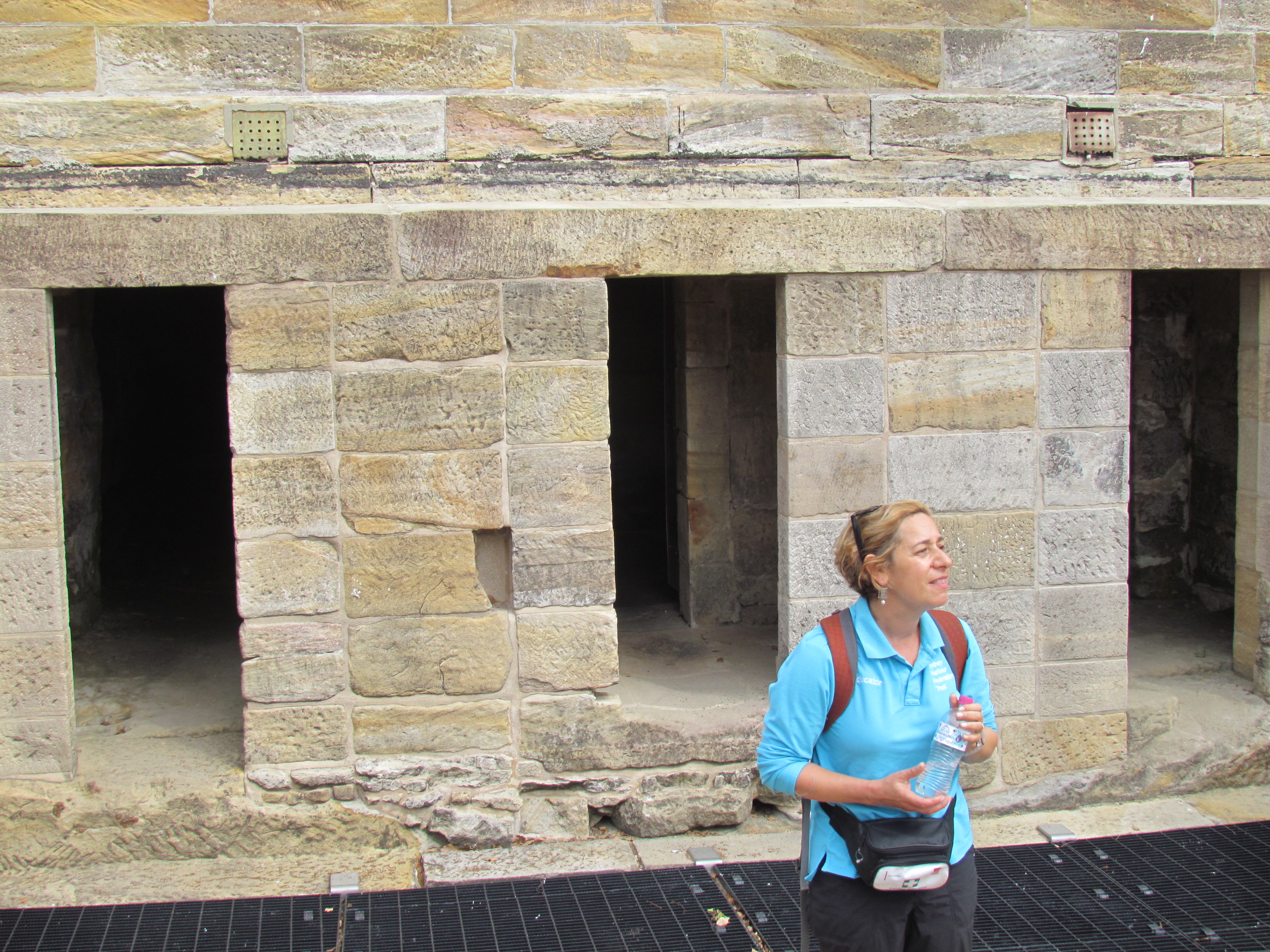
Inside the left-most solitary-confinement cell:

A tunnel cut through the sandstone, built in 1912, and used as an air-raid shelter during WWII:

A view through the window of the now roofless military guardhouse:

Below is the prison barracks, built in 1839. The convicts themselves quarried the sandstone and erected the buildings. Our guide told us that each man had a specific style when hewing sandstone. You can still see the marks in the stone used in the buildings on the island. At the end of each day, the overseers could tally each man’s work just by looking at the distinctive cuts in the stone:
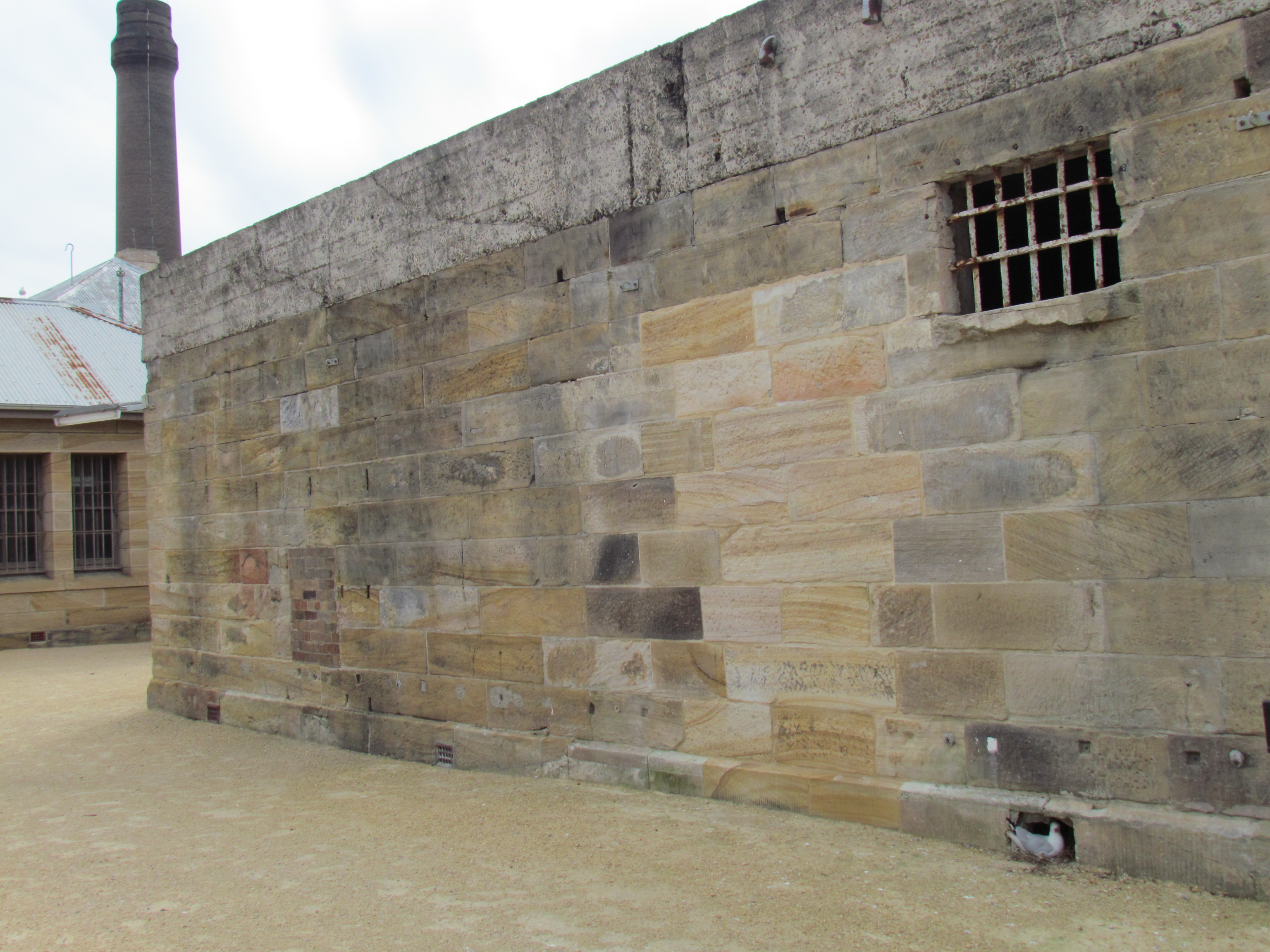
Notice the seagull nesting at the bottom of the building in the above photo? Pro tip from a wary worm: You don’t need to worry about cockatoos on the island. They all left when people cut down the trees to make room for the convicts. So now the seagulls reign supreme. Go Jonathan! Be afraid, be very afraid. As our guide said, the chicks are cute but the parents are not.

Inside the barracks:

A window to freedom:

That’s all for today, dudes.


 Travelling Worm
Talk to the Travelling Worm!