Travelling Worm

A bookworm's travelogue

Category: travel

  • Newcastle, New South Wales

    This is the blog of Mark Wordsworm, the travelling worm. I’m a 36-year-old bookmark (give or take a few years) and I proudly boast my own Hallmark serial number, 95 HBM 80-1. You’ll probably want to read all about me and my Travelling Companion (the TC).

    Today’s travel notes

    This week marked my first visit to Newcastle, famed as the largest coal-exporting city in the world. Now, dear reader, you’d be justified in thinking that I’m talking about the Newcastle in north-east England. Nay, not so, this Newcastle is on the eastern coast of New South Wales, Australia.

    I greatly enjoyed my short visit to this harbour city, and my pleasant encounters with Novocastrians.

    The book I’m in

    Tragaron’s Daughter, by Madeleine Brent. A well-written, fast-moving romance and thriller combined.

    Recommended restaurant

    One Penny Black, 196 Hunter St, Newcastle. Highly recommended. Friendly service. Tasty fresh food in good quantity.

    The photos

    Me in front of the pavilion of the Newcastle Ocean Baths, a grand Art Deco building from the 1920s:

    In the above photo, I’m on the southern side of the pavilion. Take a stroll with me around the building. Go slowly now — I may have more legs than you, but they’re shorter than yours.

    The pavilion and baths were to be closed for renovation just three days after our visit. This worm felt privileged to see them in their current state, and hopes to see the renovated version soon. A somewhat whimsical sign under the pavilion predicted the upcoming upheaval:

    Behind the pavilion are the baths themselves, open to the sea and sky, with tiered seating at one end:

    Behind the tiered seating hides an intriguing little dome, complete with an intriguing little internal staircase:

    The next picture shows the pavilion again, viewed from the northern side this time:

    Moving south from the baths, you can stroll along Newcastle beach, bounded by a terraced headland:

    Moving inland, you’ll probably encounter tram or two. Big brother, in shape at least, to yours truly:

    This worm steered clear of lurking Corellas. Crafty characters they are, with one eye always open for a tasty morsel:

    The streets of Newcastle are well worth a wander, for their varied architecture:

    This building is a good advertisement for the architectural offices that inhabit it:

    To end on a slightly political note, I’ll share this photo demonstrating nuclear free sentiments. No doubt the statement expressed here is in response to a recent state government announcement that Newcastle is one of three sites under consideration for a nuclear submarine base:

    That’s all for today, folks.


  • Little Crystal Creek outside Townsville

    This is the blog of Mark Wordsworm, the travelling worm. I’m a 36-year-old bookmark (give or take a few years) and I proudly boast my own Hallmark serial number, 95 HBM 80-1. You’ll probably want to read all about me and my Travelling Companion (the TC).

    Today’s travel notes

    Little Crystal Creek is about one hour’s drive along Bruce Highway, heading north from Townsville in Tropical North Queensland. The road winds steeply up from sea level to the pools and falls of Little Crystal Creek. The trip is a little daunting, especially if, like this worm, you’re not fond of heights. But once you reach the creek, it’s well worth it.

    The book I’m in

    ashley bell by Dean Koontz. This book is right up my street. A good story with a touch of the supernatural that’s keeping me guessing.

    Recommended restaurant

    jks Delicatessen, in Ingham, about 45 minutes’ drive north of Little Crystal Creek. Try the pastries and the coffee!

    The photos

    Me in a somewhat intimate encounter with the wildlife at Little Crystal Creek. This scarlet dragonfly was persistent and curious:

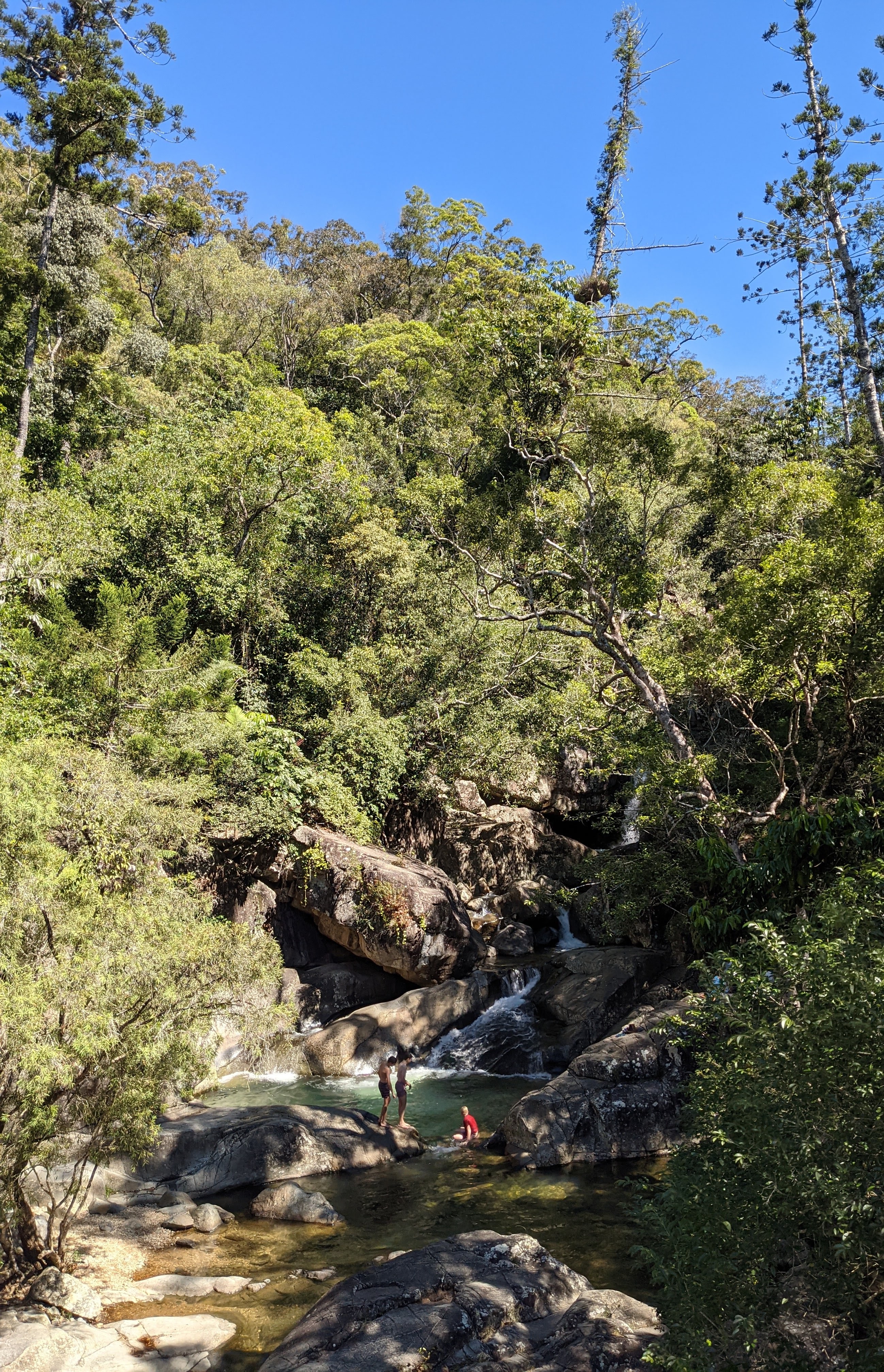
    A tall, growth-encrusted tree marks the spot:

    Pools glow like jewels:

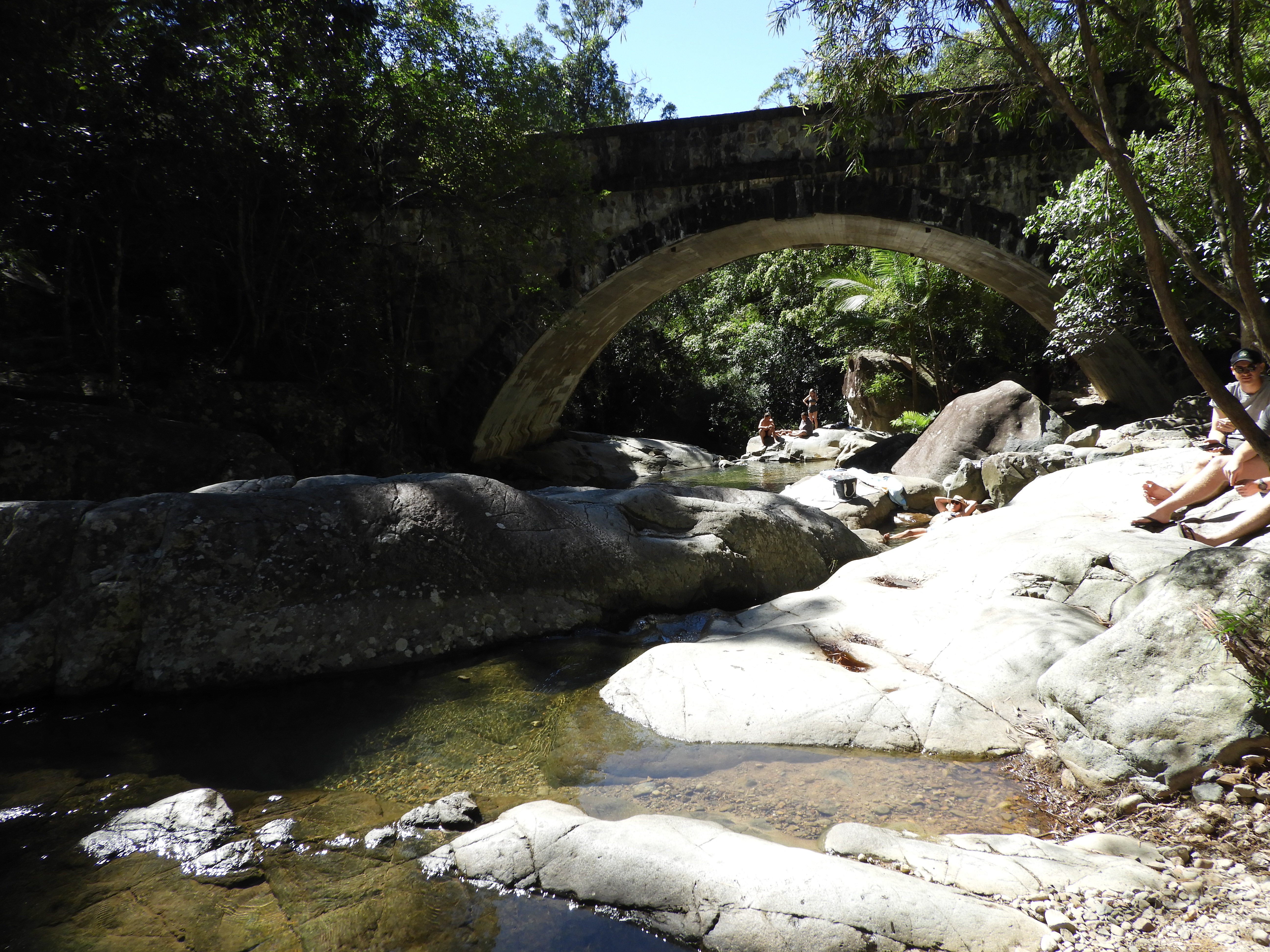
    A stone arch bridge built during the depression of the 1930s crosses the creek:

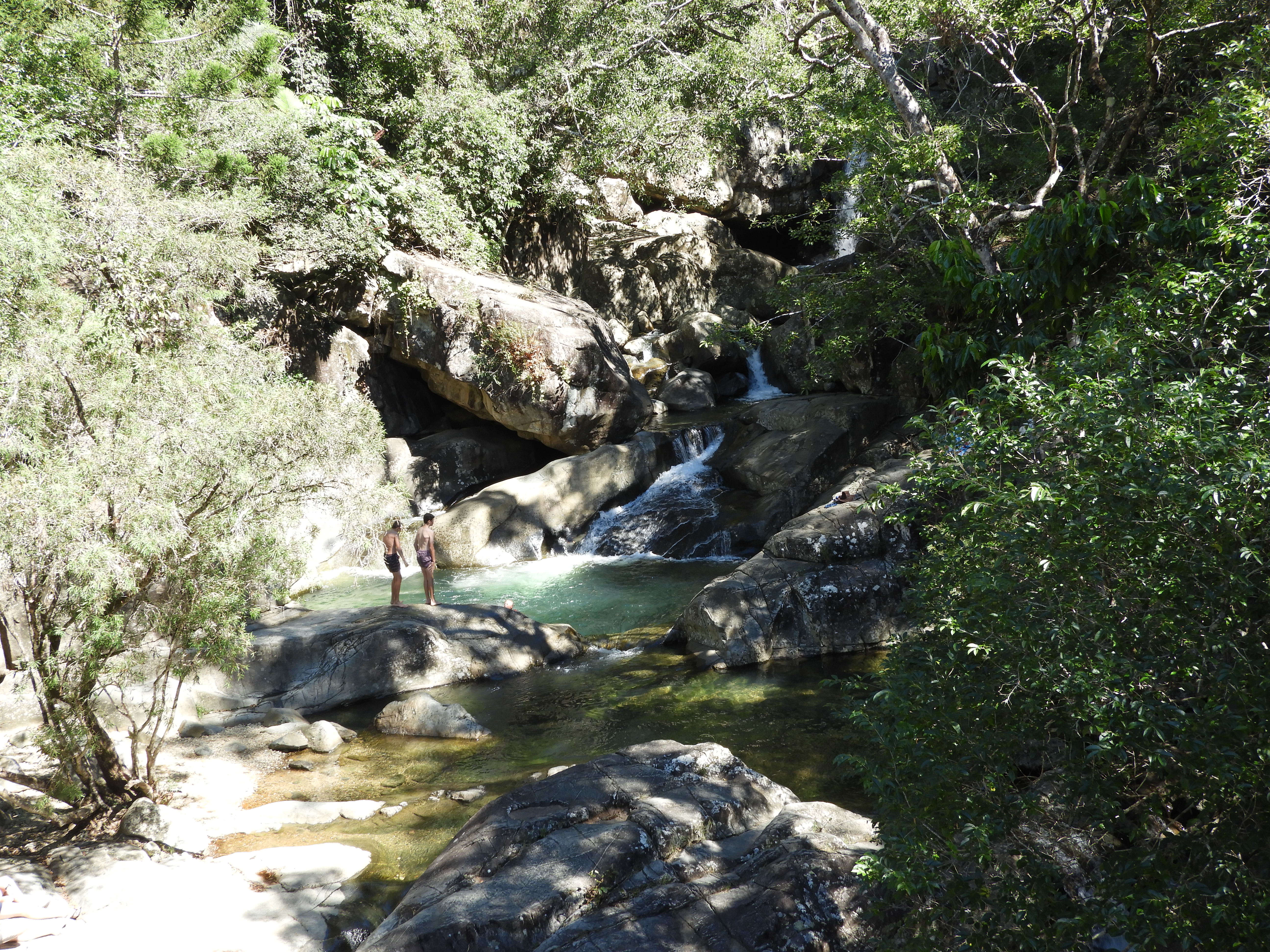
    The creek falls down the hill in a series of little falls and pools:

    I leave the scarlet dragonfly to rule the roost:

    That’s all for today, folks.


  • Mission Beach, home of the Cassowary

    This is the blog of Mark Wordsworm, the travelling worm. I’m a 36-year-old bookmark (give or take a few years) and I proudly boast my own Hallmark serial number, 95 HBM 80-1. You’ll probably want to read all about me and my Travelling Companion (the TC).

    Today’s travel notes

    Last weekend, the TC and I were in Tropical North Queensland. It was our first trip in more than a year, due to a global pandemic that’s currently holding sway over the world. We spent the bulk of our time in Townsville, but on Saturday we ventured north to a little place called Mission Beach.

    This worm was impressed by the sheer chutzpah of Mission Beach. A small place on the large continent of Australia, Mission Beach might not shout out to travellers as a highly visible place on the map, except for one consideration: Mission Beach is home to the closest thing we have to a living dinosaur: Casuarius casuarius johnsonii.

    The book I’m in

    ashley bell by Dean Koontz. This book is right up my street. A good story with a touch of the supernatural that’s keeping me guessing.

    Travel tips

    Choose the dry season (May to October) to visit Tropical North Queensland. When we hit the area, the weather was ideal. The days were warm to hot, at around 28℃ maximum. The air cooled down nicely in the late afternoon, and early mornings were a pleasure.

    The photos

    Me and one of the many warning signs that Cassowaries roam these climes:

    Weighing in at around 60 kilograms, a Cassowary is a bird not to be taken lightly. It has a strong, pointy beak at the top end and a long, sharp claw at the bottom end. It runs at around 50 kilometres per hour, and swims certainly better than this worm can. Imagine my despair then, dear reader, when the TC announced that we were to go in search of this very behemoth.

    And lo, we found one!

    One thing to the bird’s disadvantage is that it can’t fly. At worst, if attacked, I could entrust myself to the vagaries of a passing breeze and hope to escape in its tender embrace. The TC has posted pics and videos of this bird on her blog, aptly titled, In search of a dinosaur uh Cassowary. Drop by there if you’d like to see more.

    This worm says, let’s move on to more about the town of Mission Beach! After all, this blog is about me. Oh, and about places and travel and things to see. But primarily about me.

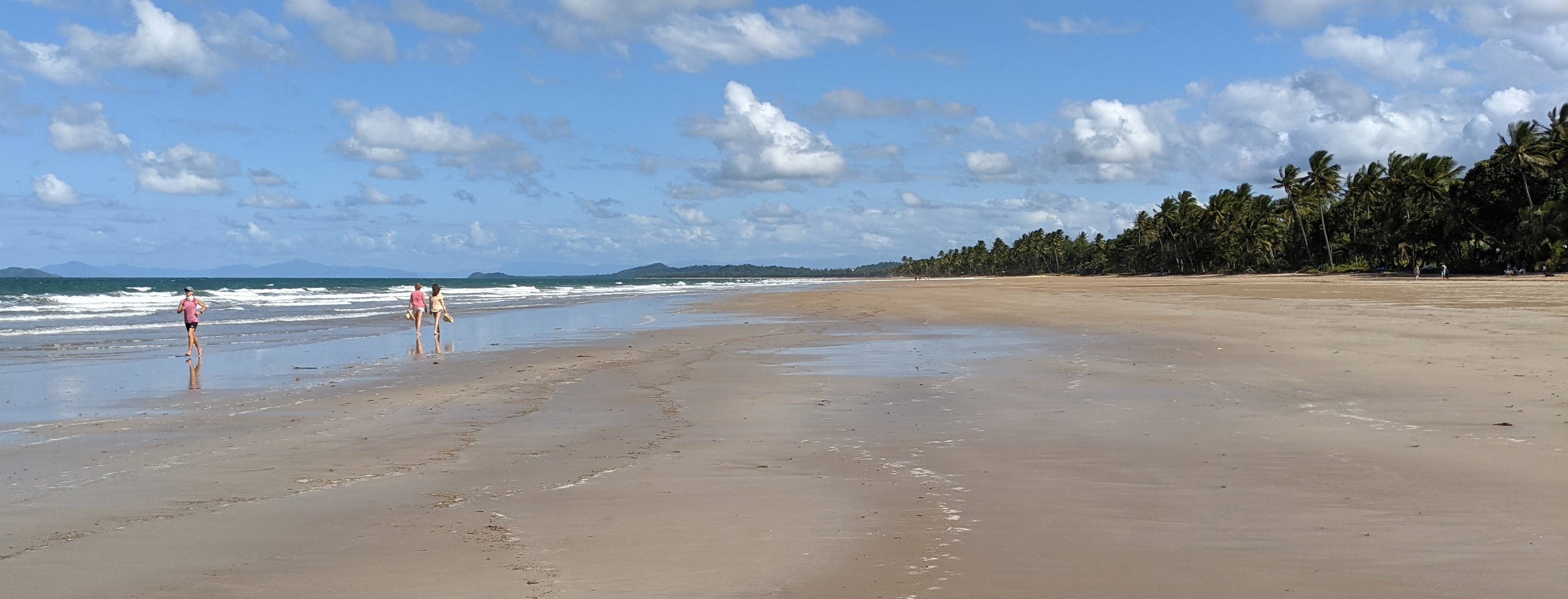
    Me on the eponymous Mission Beach:

    In the above picture, the camera view looks northwards from the middle of Mission Beach towards Clump Point Lookout.

    Other worms have found a home here too, it seems:

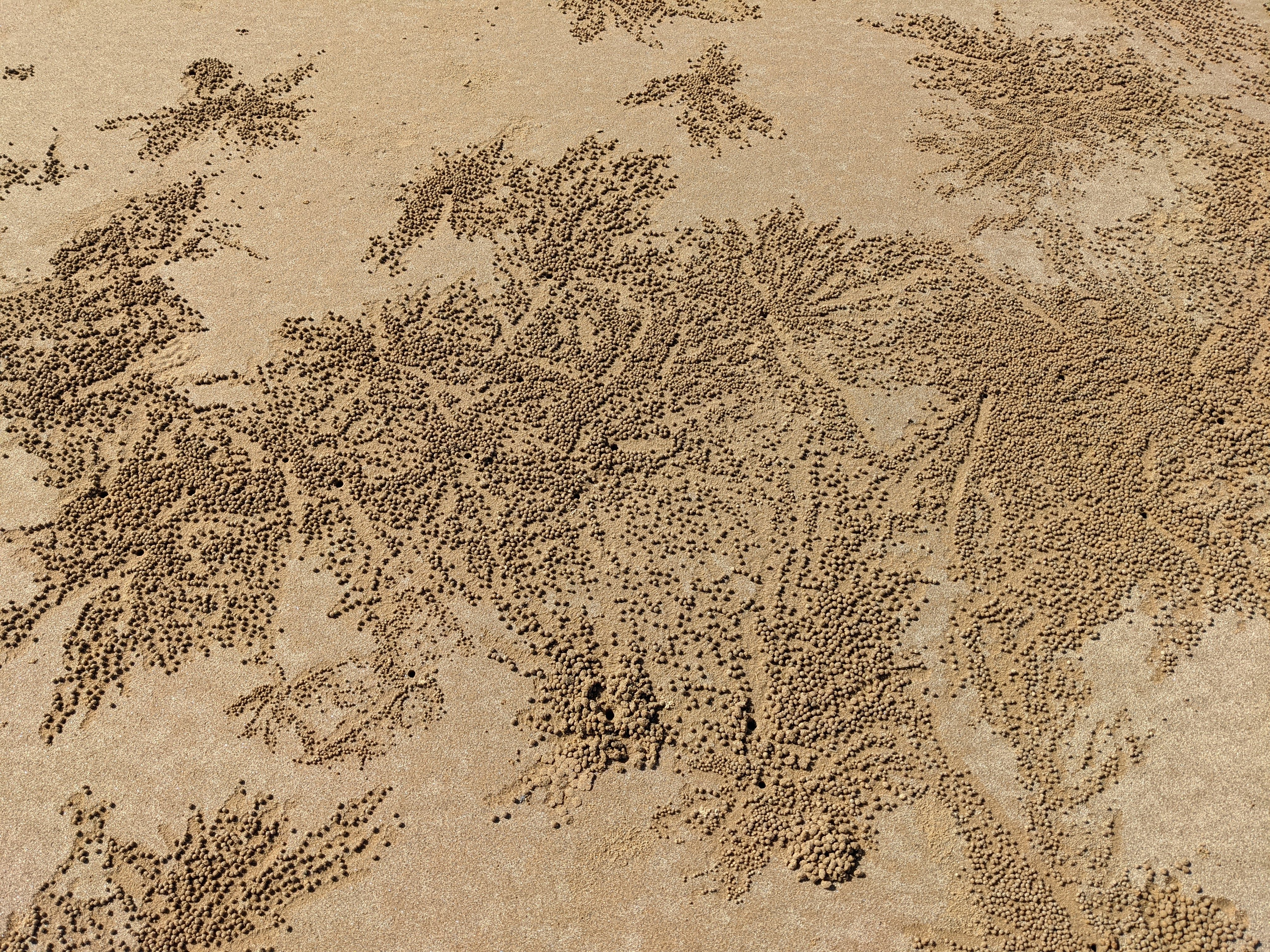
    Tiny crabs leave patterns of sand balls, dug up to create their homes:

    This view of the beach looks south towards the stinger net in the distance:

    The stinger net carves out a section of the sand and sea, keeping it relatively safe for human swimmers during marine stinger season. Marine stingers are jellyfish that can cause serious pain and even death for people. This worm advises to steer clear of stingers. And of Cassowaries.

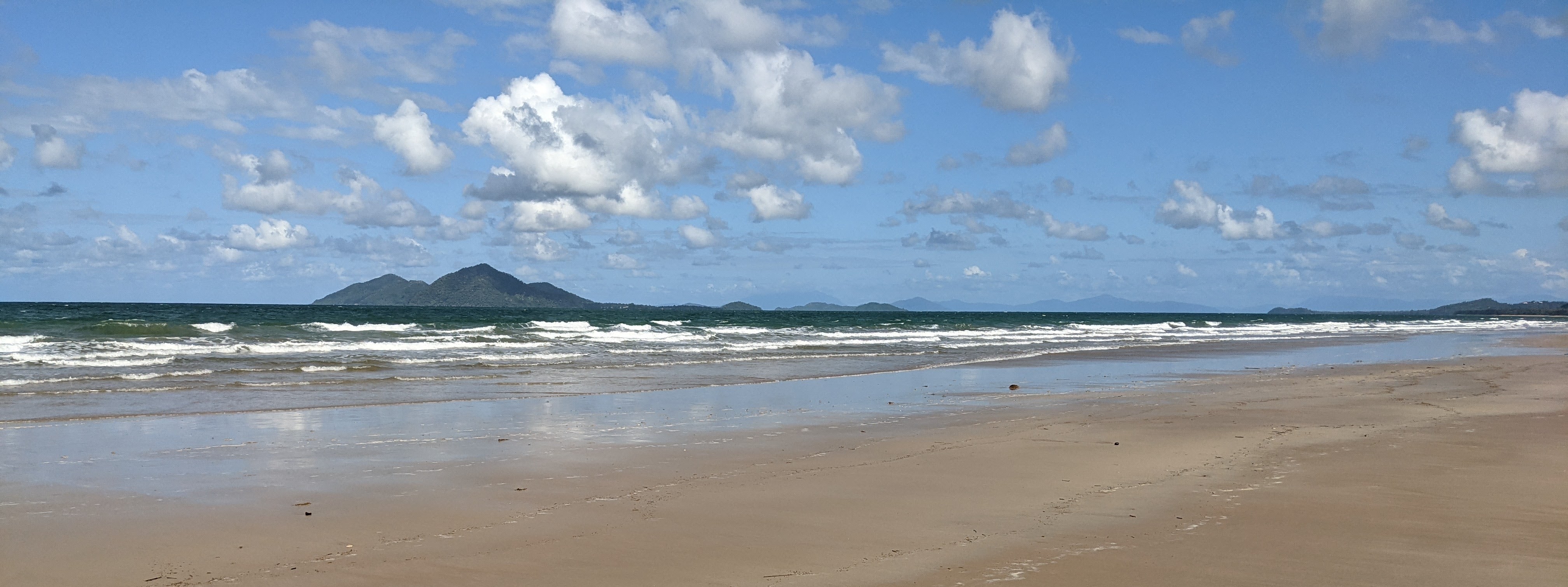
    Dunk Island looms enticingly in the distance:

    Here’s the main drag of Mission Beach town, just a short crawl from the beach, where you can grab a tasty meal and browse other wares:

    That’s all for today, folks.


  • Walkway above the treetops in Lipno nad Vltavou, Czech Republic

    This is the blog of Mark Wordsworm, the travelling worm. I’m a 36-year-old bookmark (give or take a few years) and I proudly boast my own Hallmark serial number, 95 HBM 80-1. You’ll probably want to read all about me and my Travelling Companion (the TC).

    Today’s travel notes

    Me and the TC took the short drive from Český Krumlov to Lipno nad Vltavou when we were in the Czech Republic earlier this week. Just outside the village of Lipno nad Vltavou is a ski resort and entertainment complex, including a treetop walkway.

    The book I’m in

    We Are Legion (We Are Bob): Bobiverse, by Dennis E Taylor. The TC has just started this book. I predict I’ll find myself tucked into many more of the Bobiverse series.

    Travel tips

    Dress warmly. It’s a trifle chilly when you’re above the treetops, even in September.

    Recommended restaurant

    Cafe Retro in Český Krumlov. A haven of good food and professional, friendly service.

    The photos

    Me at the bottom of the treetop walkway in Lipno nad Vltavou:

    The ski lift offers a good way to get from the village to the treetop walkway:

    Another view of the walkway tower:

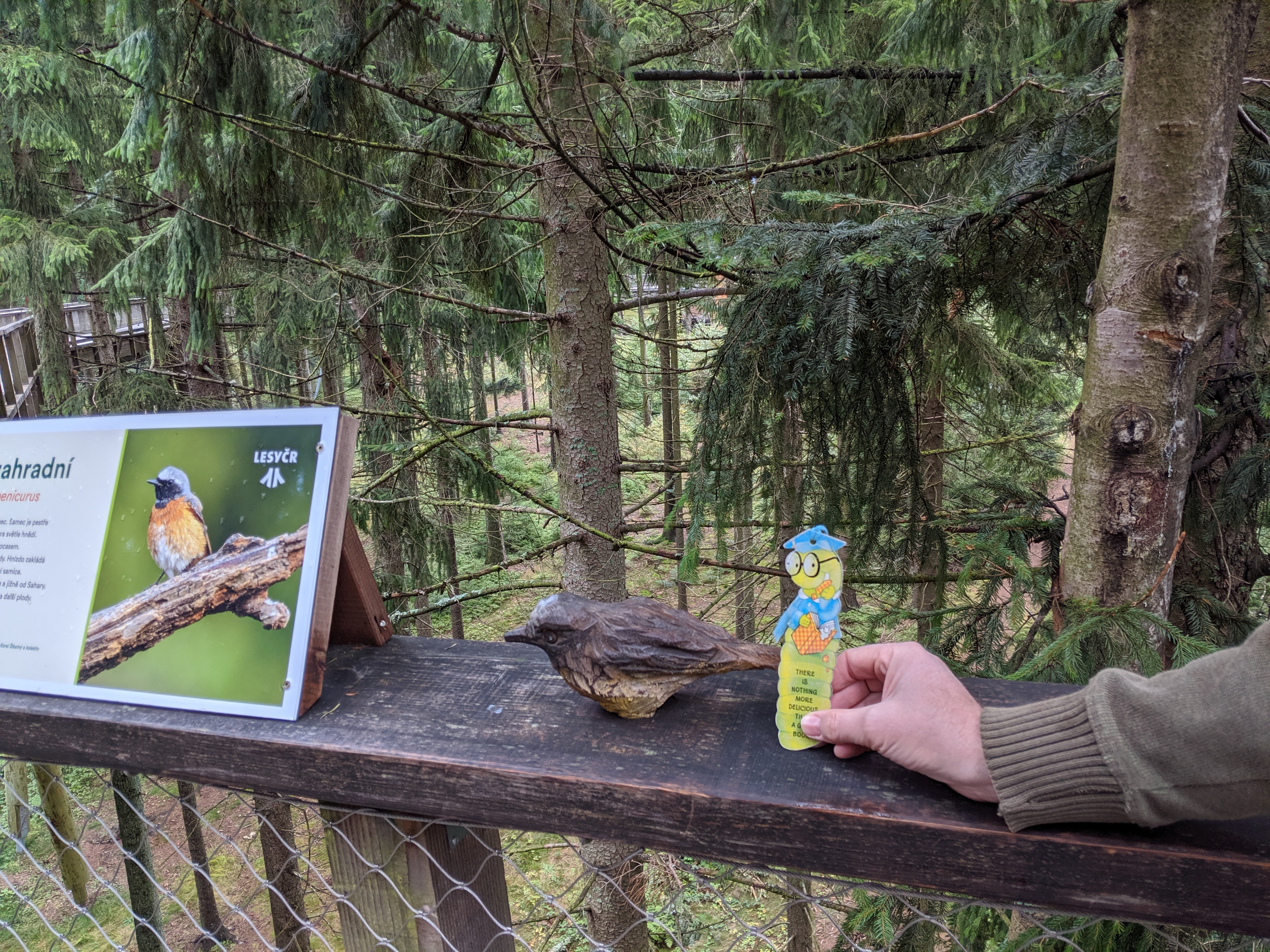
    Half way up the walkway, and half way up the tree trunks, I sneaked up on a bird. It’s as well to keep behind these creatures, as their front end has a tendency to nip:

    Approaching the top:

    The view from the top is stupendous. This is not it:

    The TC, bless her cotton socks, was close to the top of the tower when she took the above shot. She gets a little nervous around heights, and didn’t care to take her phone out of her bag at the very top. I stayed safely tucked into my book too, just peeking over the top to take in the view.

    That’s all for today, folks.


  • Cesky Krumlov in Czech Republic

    This is the blog of Mark Wordsworm, the travelling worm. I’m a 36-year-old bookmark (give or take a few years) and I proudly boast my own Hallmark serial number, 95 HBM 80-1. You’ll probably want to read all about me and my Travelling Companion (the TC).

    Today’s travel notes

    Me and the TC spent three days in Český Krumlov, a town in the Czech Republic close to the border with Austria. It’s approximately two and a half hours’ drive from Prague. The town is chocolate-box beautiful, complete with castle, river, and red roofs set of against green green fields.

    Word of the day

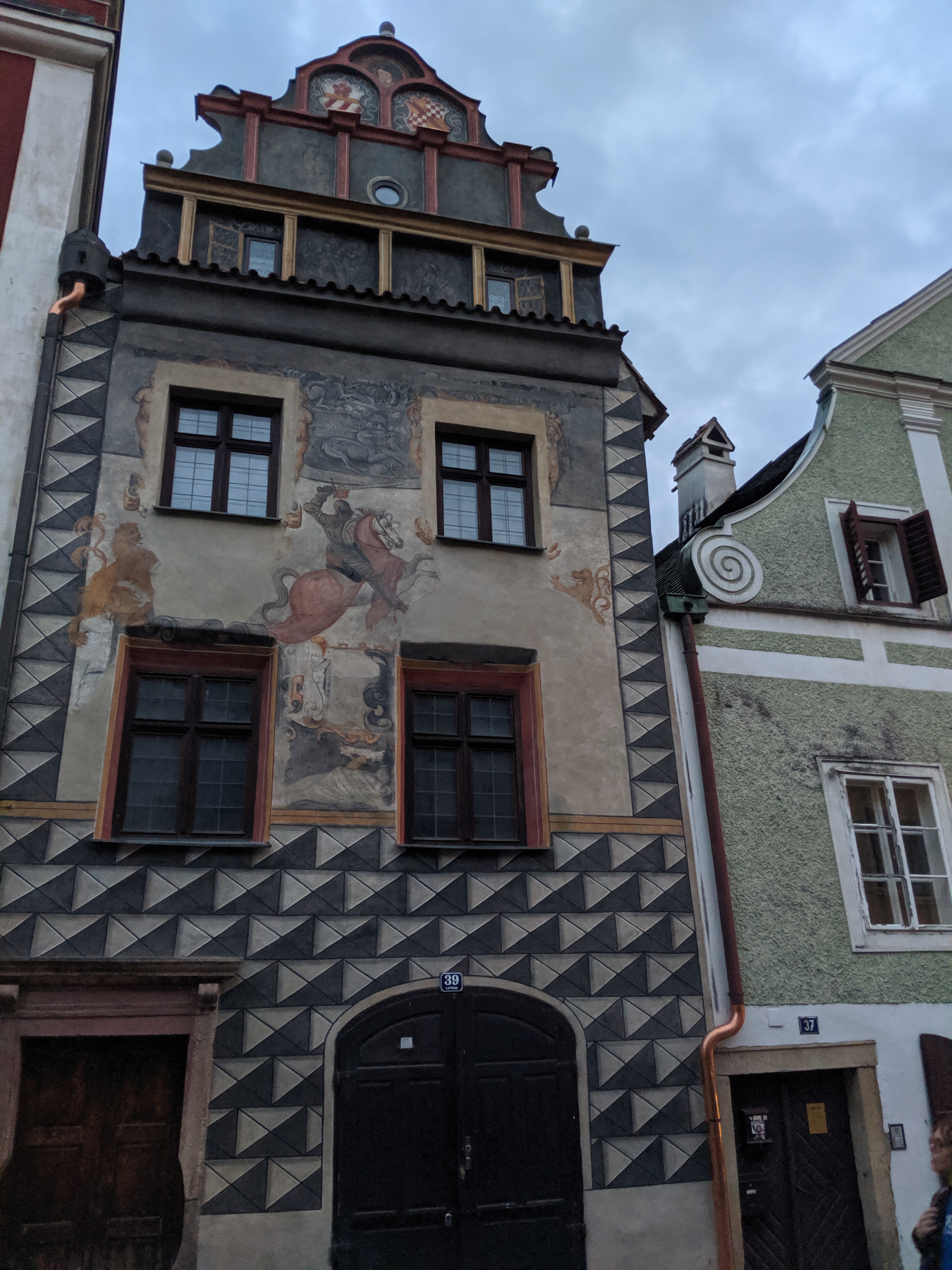
    Sgraffito is a technique for decorating walls, where the artist applies layers of plaster in different colours, then scratches through the layers to create a colourful design.

    The book I’m in

    We Are Legion (We Are Bob): Bobiverse, by Dennis E Taylor. The TC has just started this book. I predict I’ll find myself tucked into many more of the Bobiverse series.

    Travel tips

    If you’re driving, park the car outside the old centre and walk into the town. It’s a pretty stroll, and you need a permit to enter some of the streets by car.

    Recommended restaurant

    Laibon in Český Krumlov. Good food, a pretty view on a river bank, and professional service with plenty of smiles.

    The photos

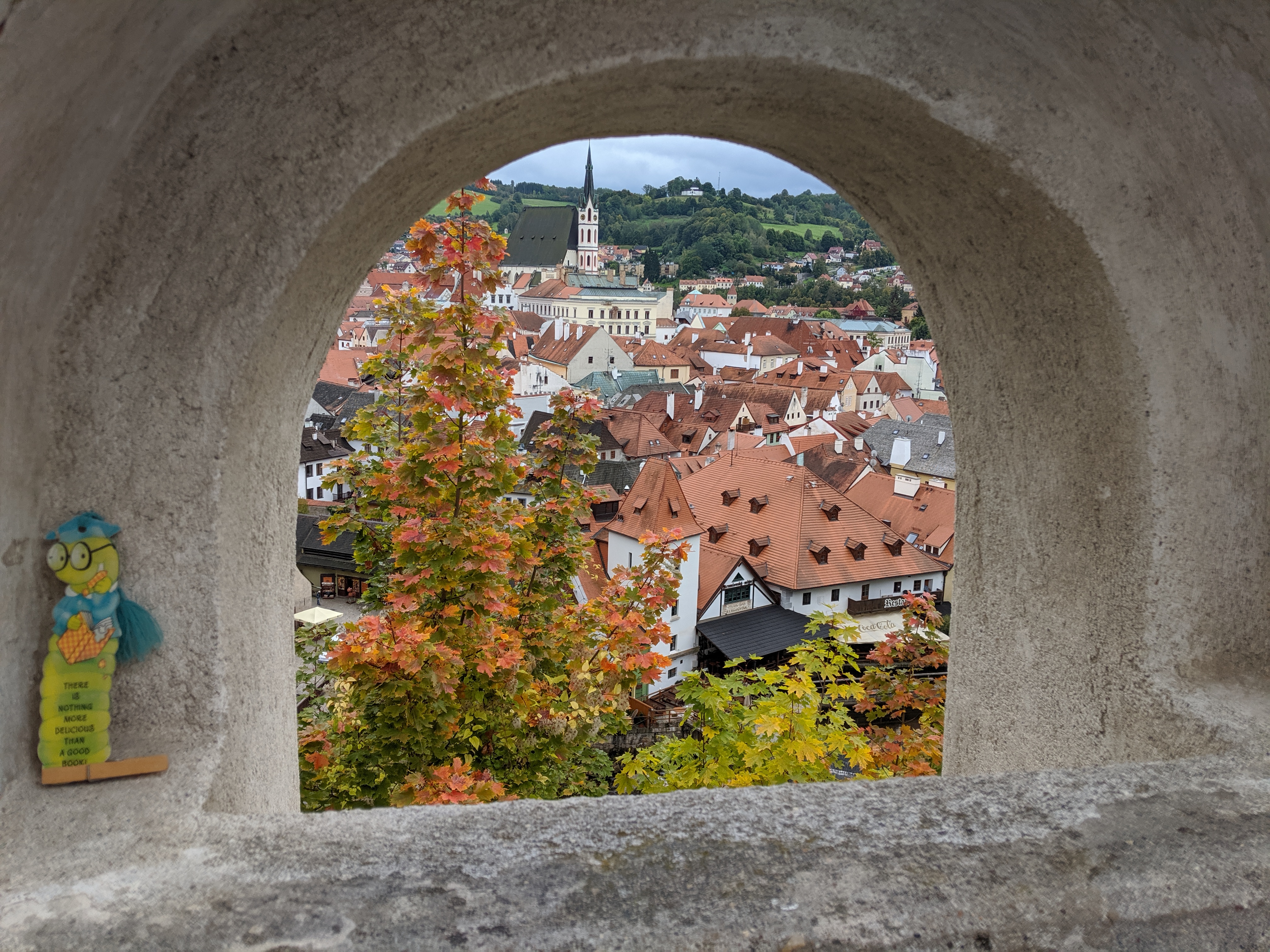
    Me and Peg overlooking the roofs of Český Krumlov from a niche in the castle wall:

    Approaching the town from the east, you see the castle and an expanse of green:

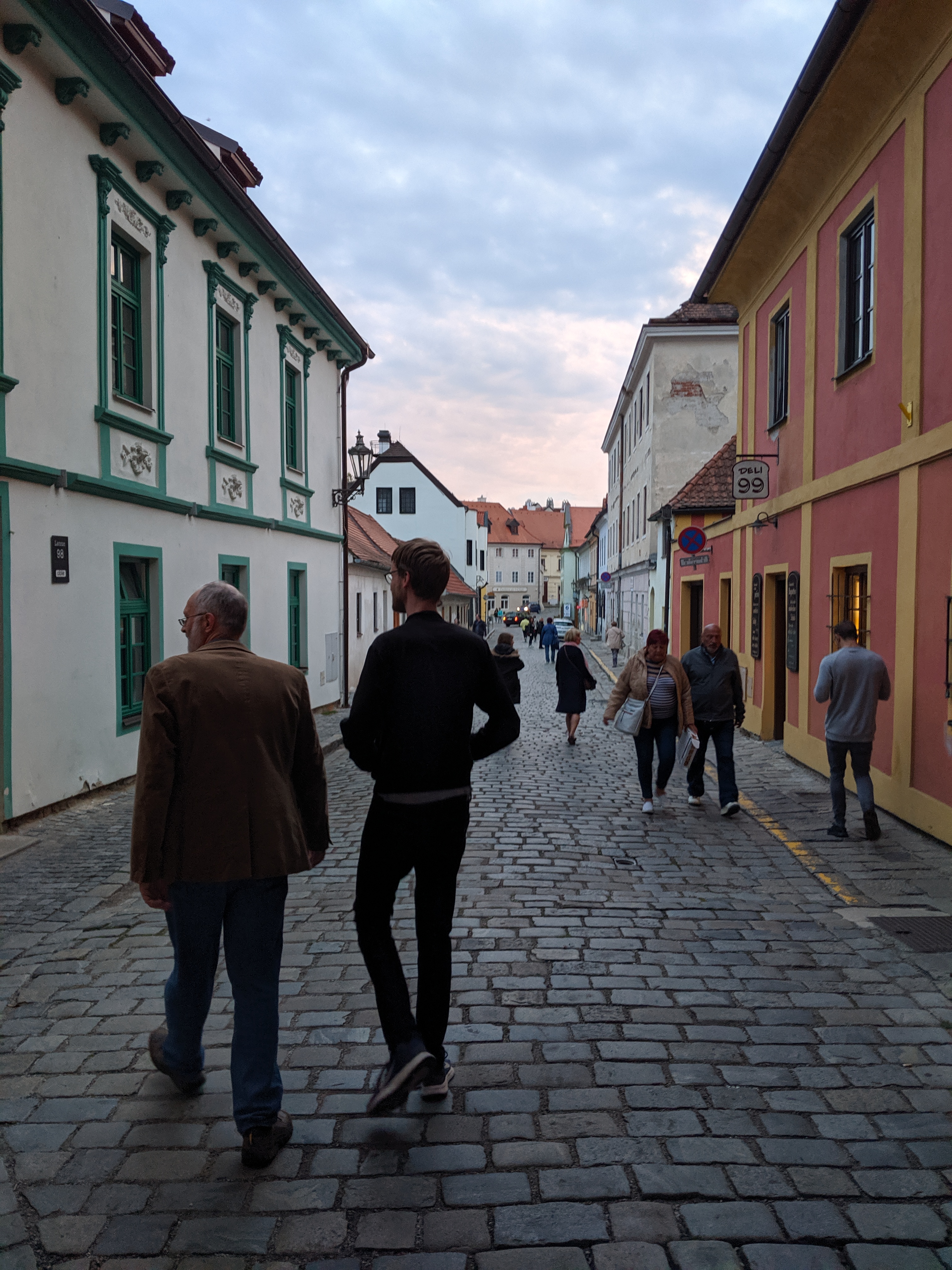
    We entered the old town centre, into a world of coloured walls and cobbled streets:

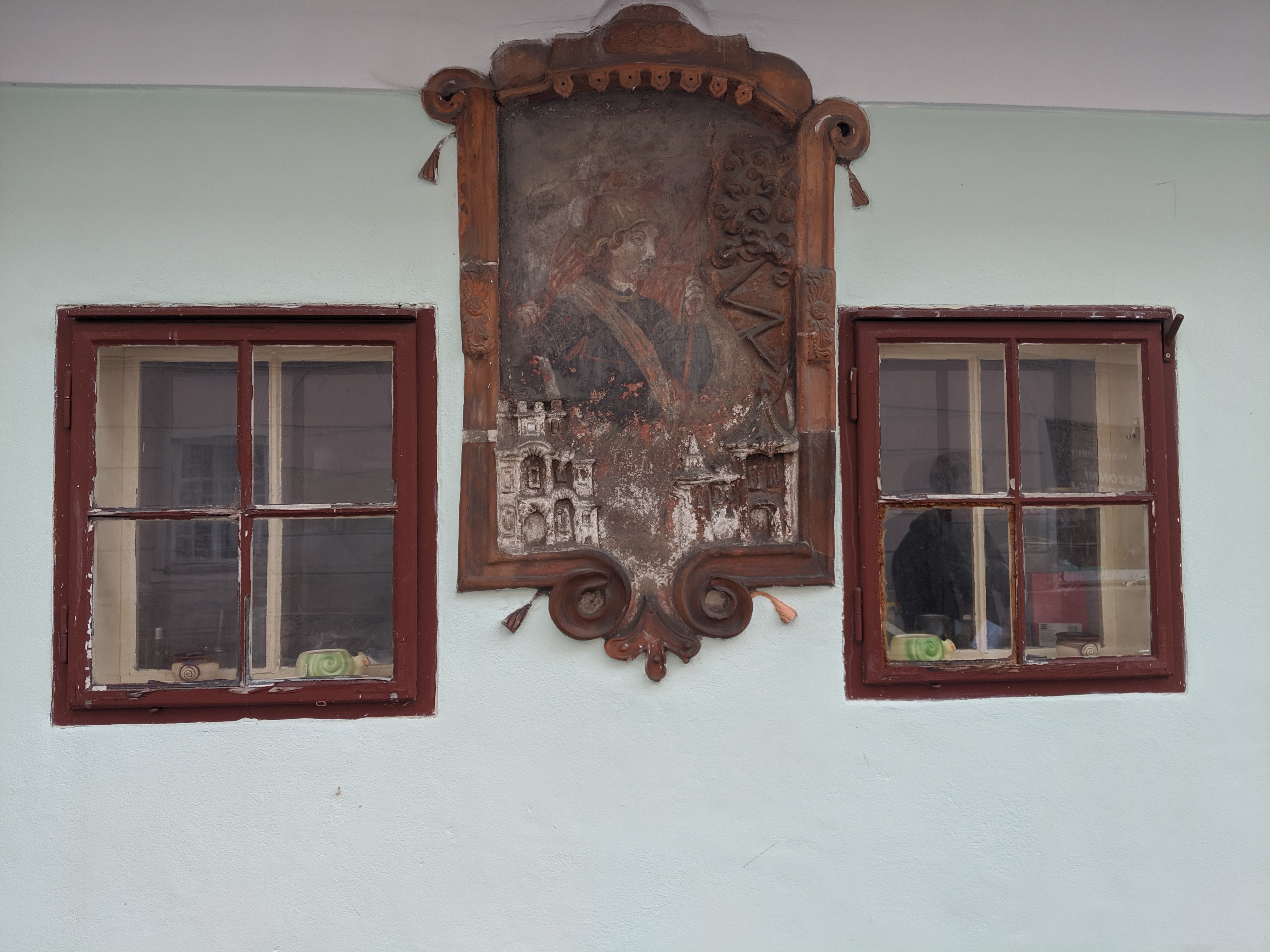
    Framed artwork stood between windows on the external walls of the buildings:

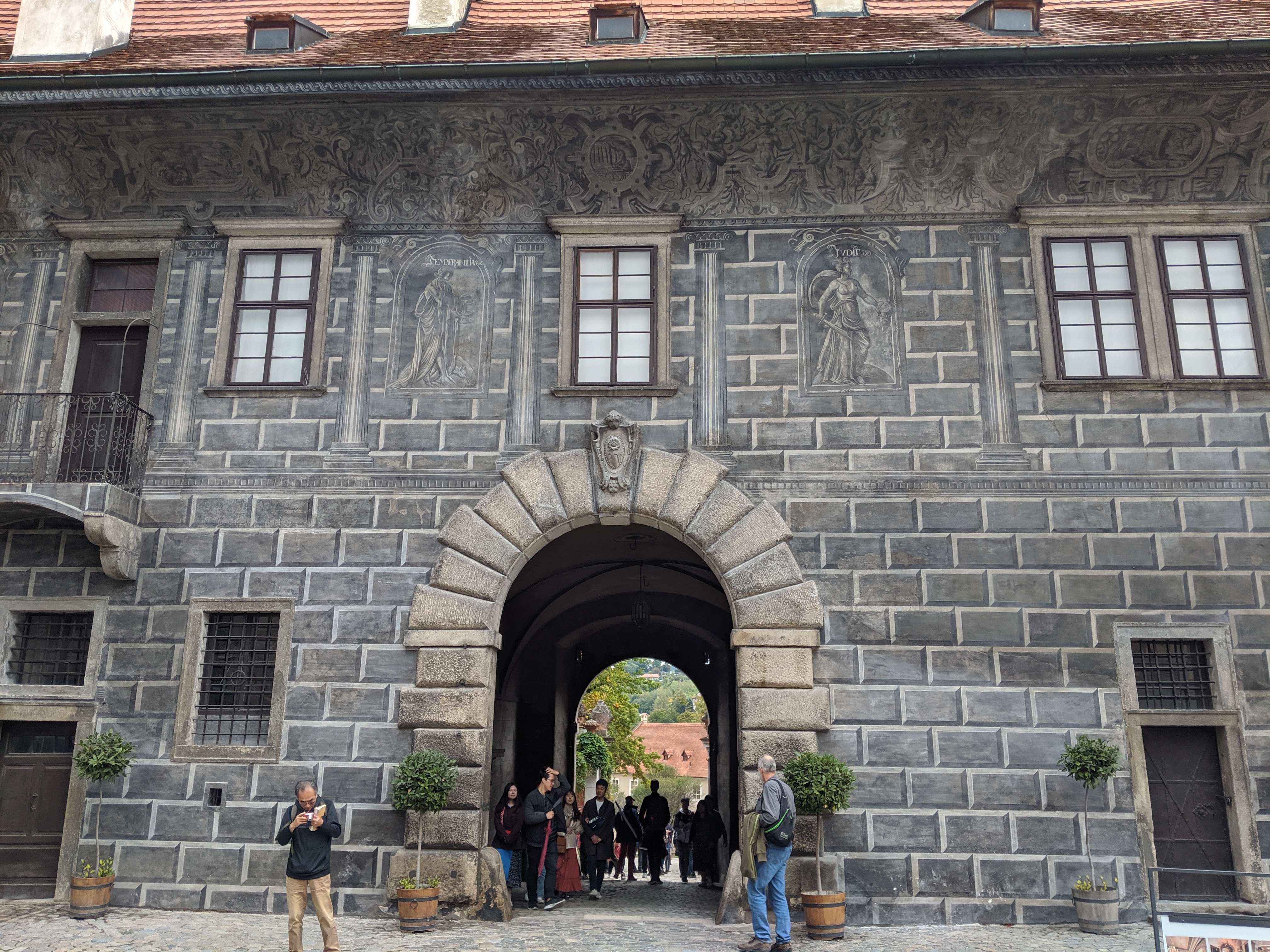
    The buildings in the town are liberally decorated with sgraffito drawings, giving the impression of depth on an essentially flat surface:

    More decorative buildings in the town centre:

    When we were in Prague, we noticed the liberal use of sgraffito too. The next shot in Český Krumlov shows a design with murals as well as abstract designs:

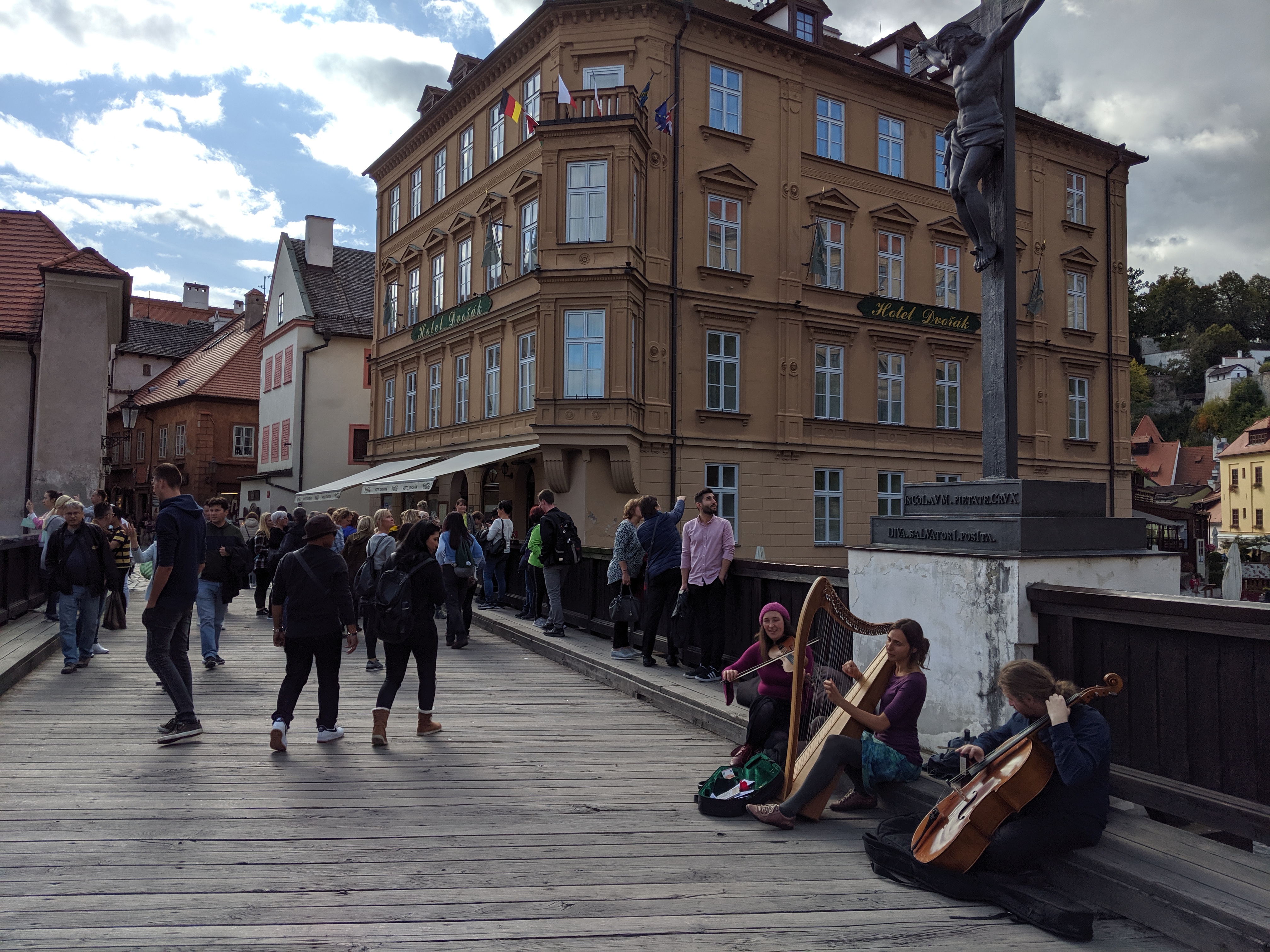
    Musicians on Lazebnický bridge:

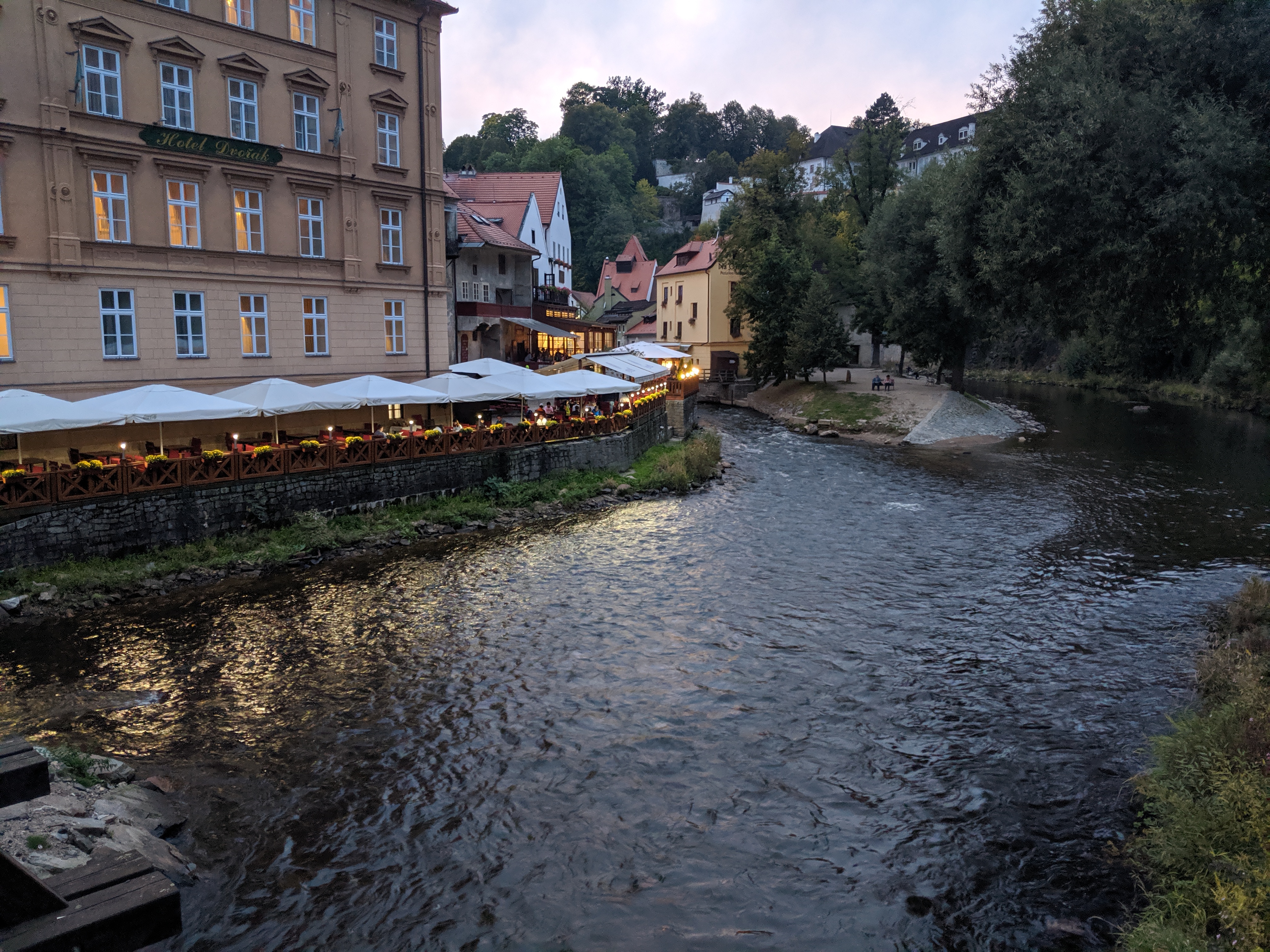
    The town is on the Vltava, the same river that runs through Prague. Here’s an evening view of the Vltava river from Lazebnický bridge:

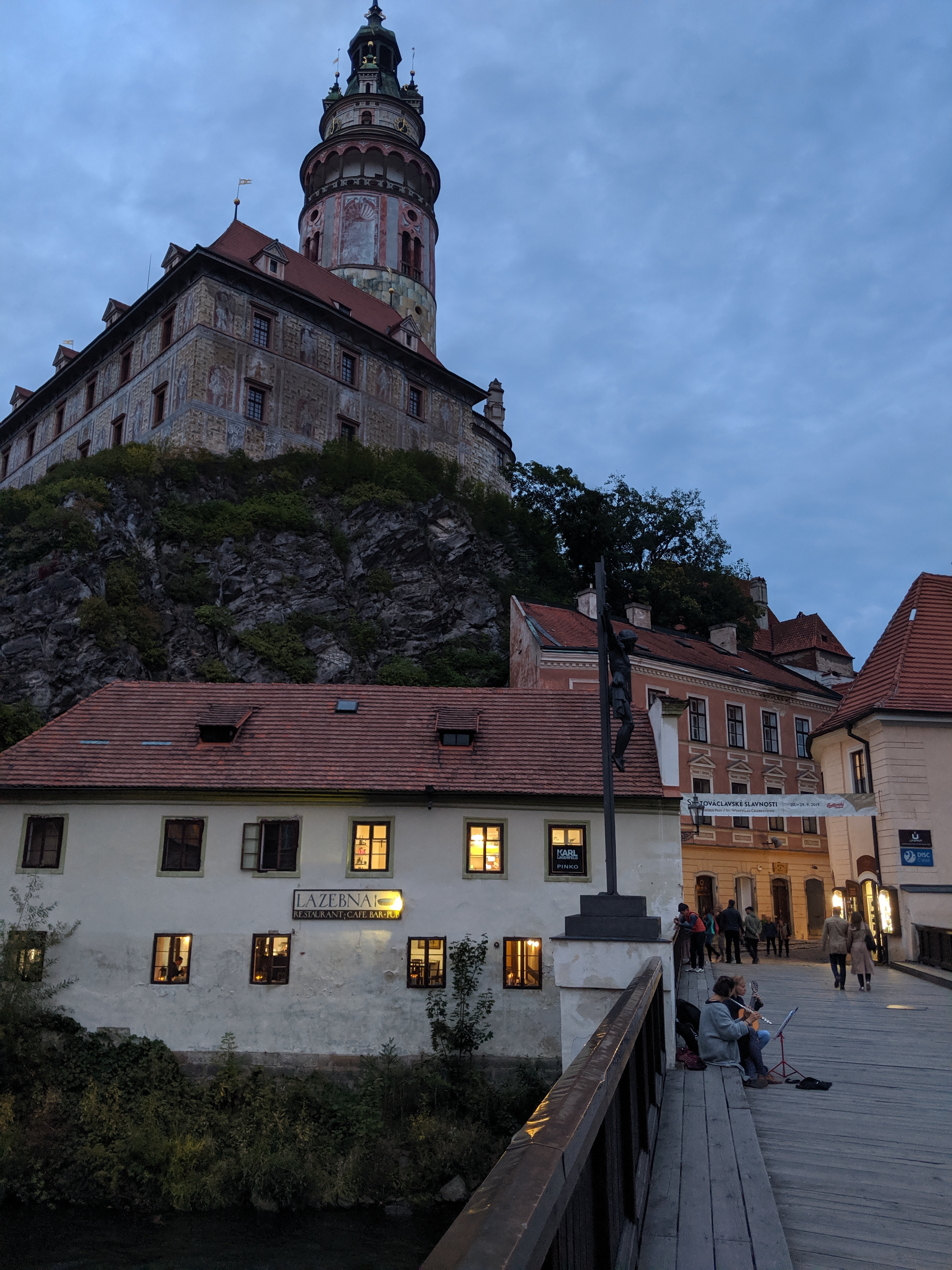
    Český Krumlov Castle, seen from Lazebnický bridge in the evening:

    The castle dates from 1240. As is usual for such buildings, it has seen a variety of owners over the centuries. It is now a national monument owned by the state.

    Here’s the same view of the castle shot during the day:

    The castle has a moat, as you’d expect. Perhaps what you wouldn’t expect is that the moat is home to bears rather than water as a deterrent to unwanted visitors:

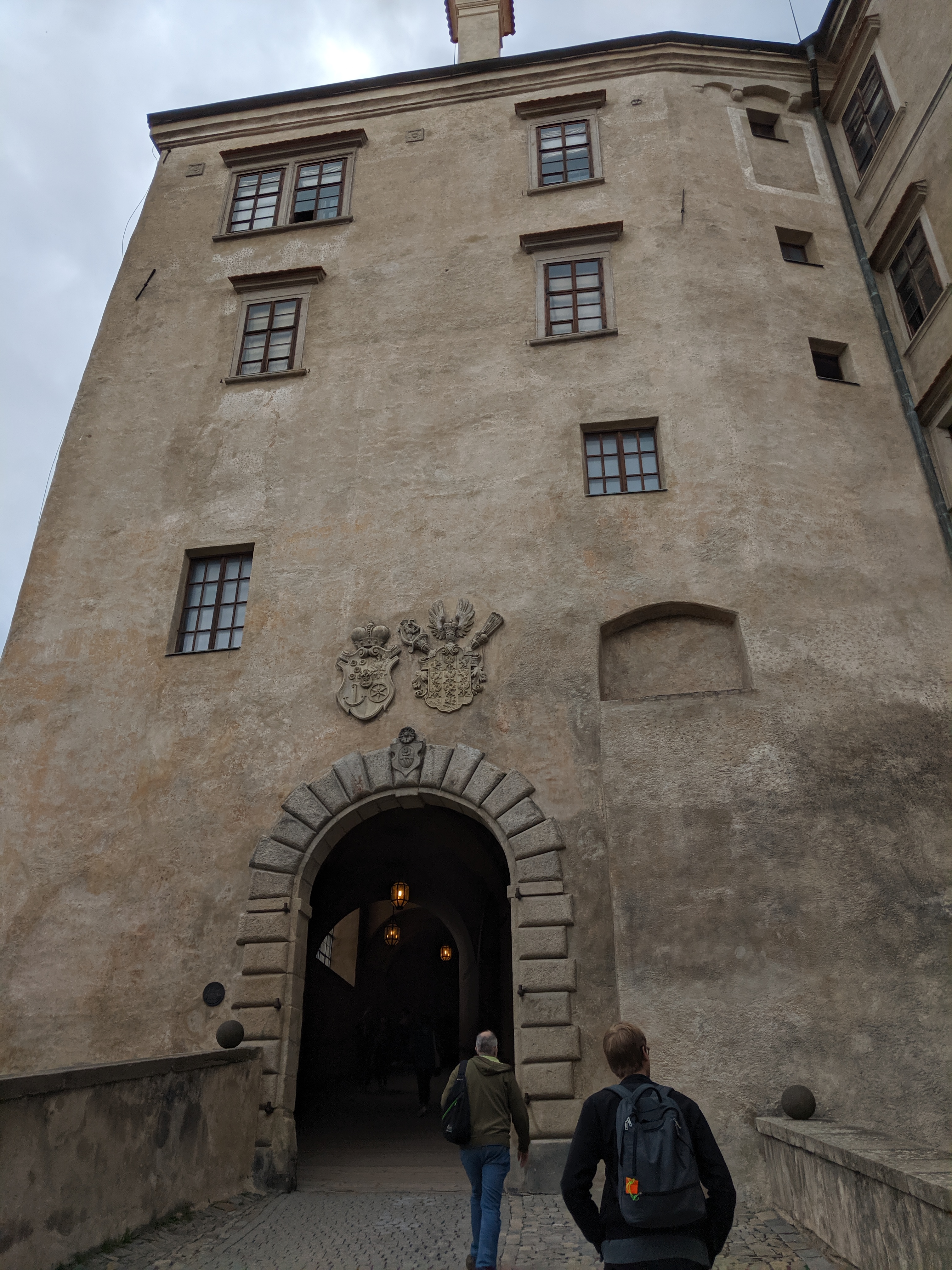
    The imposing entrance to the castle:

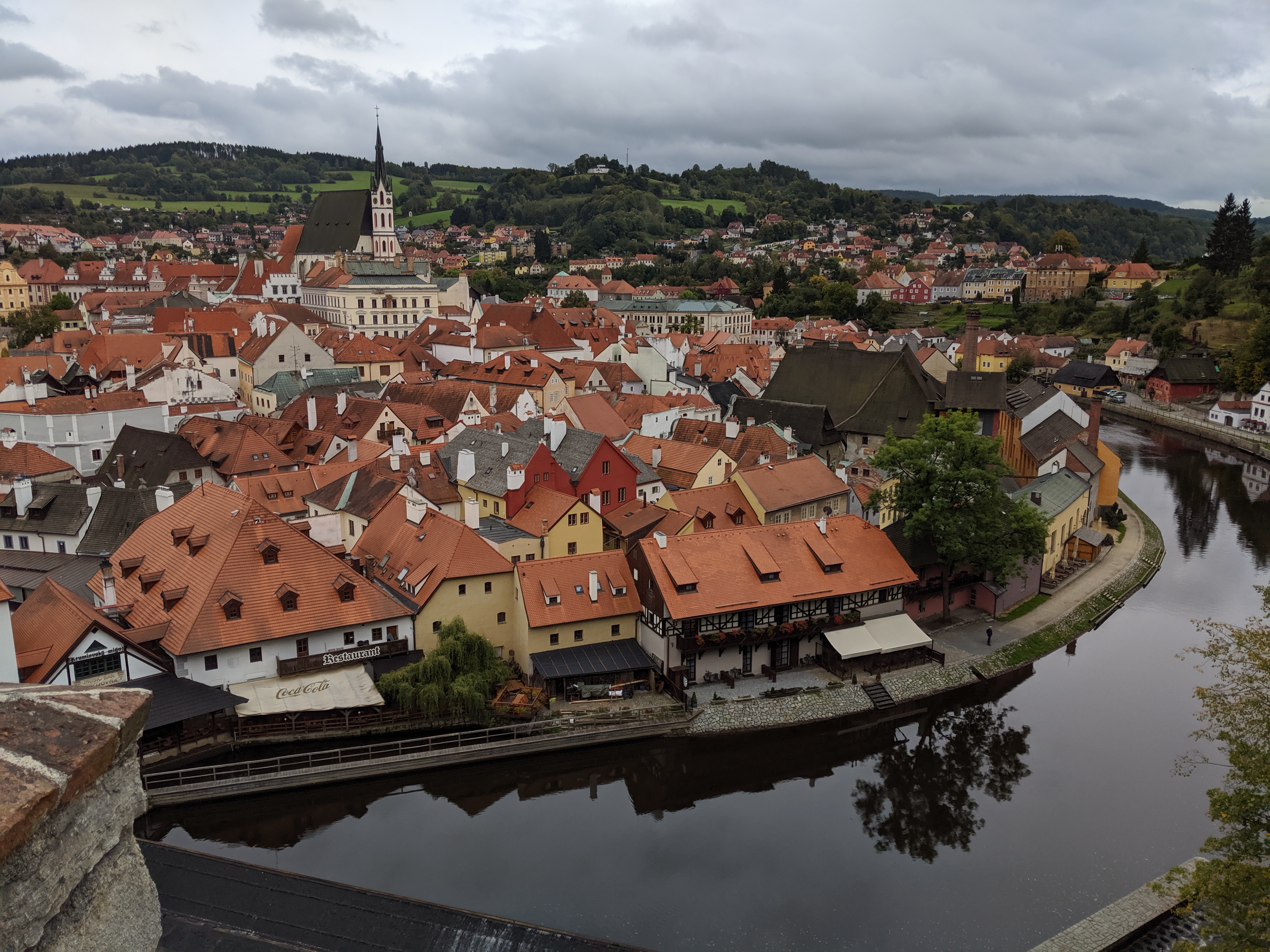
    The town, seen from the castle wall:

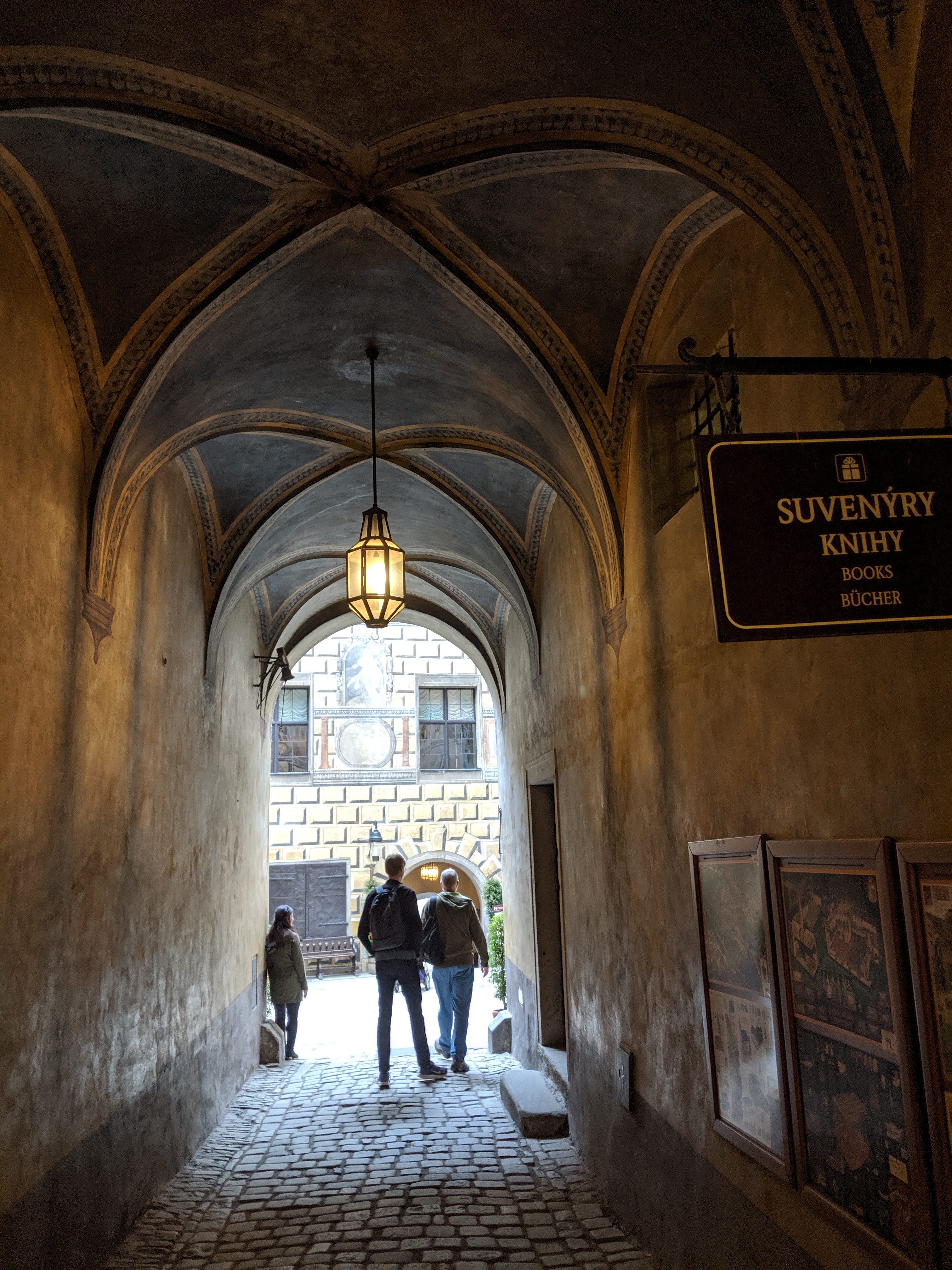
    A corridor leading from one castle courtyard to another:

    An archway and decorated eaves forming the exit from the castle grounds:

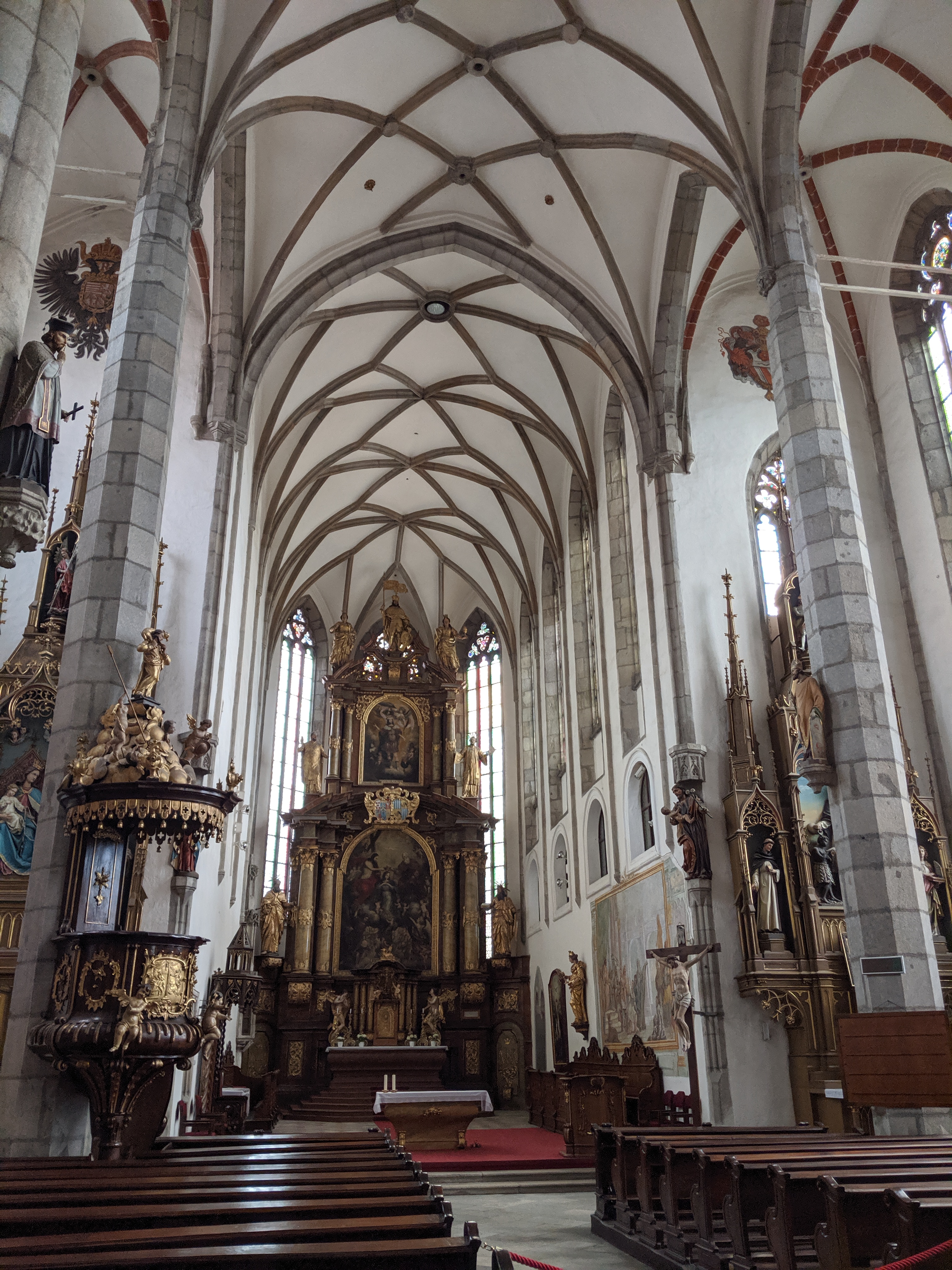
    Back in the town centre, we walked past St Vitus church and popped in for a look. It’s a gorgeous Gothic, dating from the 14th century:

    Leaving the old town centre through a decorative archway:

    That’s all for today, folks.


  • Street scenes in Fatih and Beyoglu, Istanbul

    This is the blog of Mark Wordsworm, the travelling worm. I’m a 36-year-old bookmark (give or take a few years) and I proudly boast my own Hallmark serial number, 95 HBM 80-1. You’ll probably want to read all about me and my Travelling Companion (the TC).

    Today’s travel notes

    Me and the TC spent a few days in the colourful city of Istanbul recently. This worm has posted a few notes about specific sights in the city. Now’s the time to say goodbye, with a few general street scenes.

    Word of the day

    The word cat is nearly the same in all European languages. Cats decided to start hanging around human habitations around 9,000 to 12,000 years ago. Rats and mice came to the farmers’ crops. Cats came to catch the rats and mice. Humans gave the cats warmth and more food. Worms kept out of everyone’s way as much as possible.

    The book I’m in

    Live Wire, by Harlan Coben. This worm enjoys the no-frills style of this author’s prose. The style contrasts nicely with the tangled web of family intrigue and big-world evil that reader and hero have to weave their way through together.

    Travel tips

    Take the time to look around the streets and smile at the people while making your way from one tourist attraction to the next.

    The photos

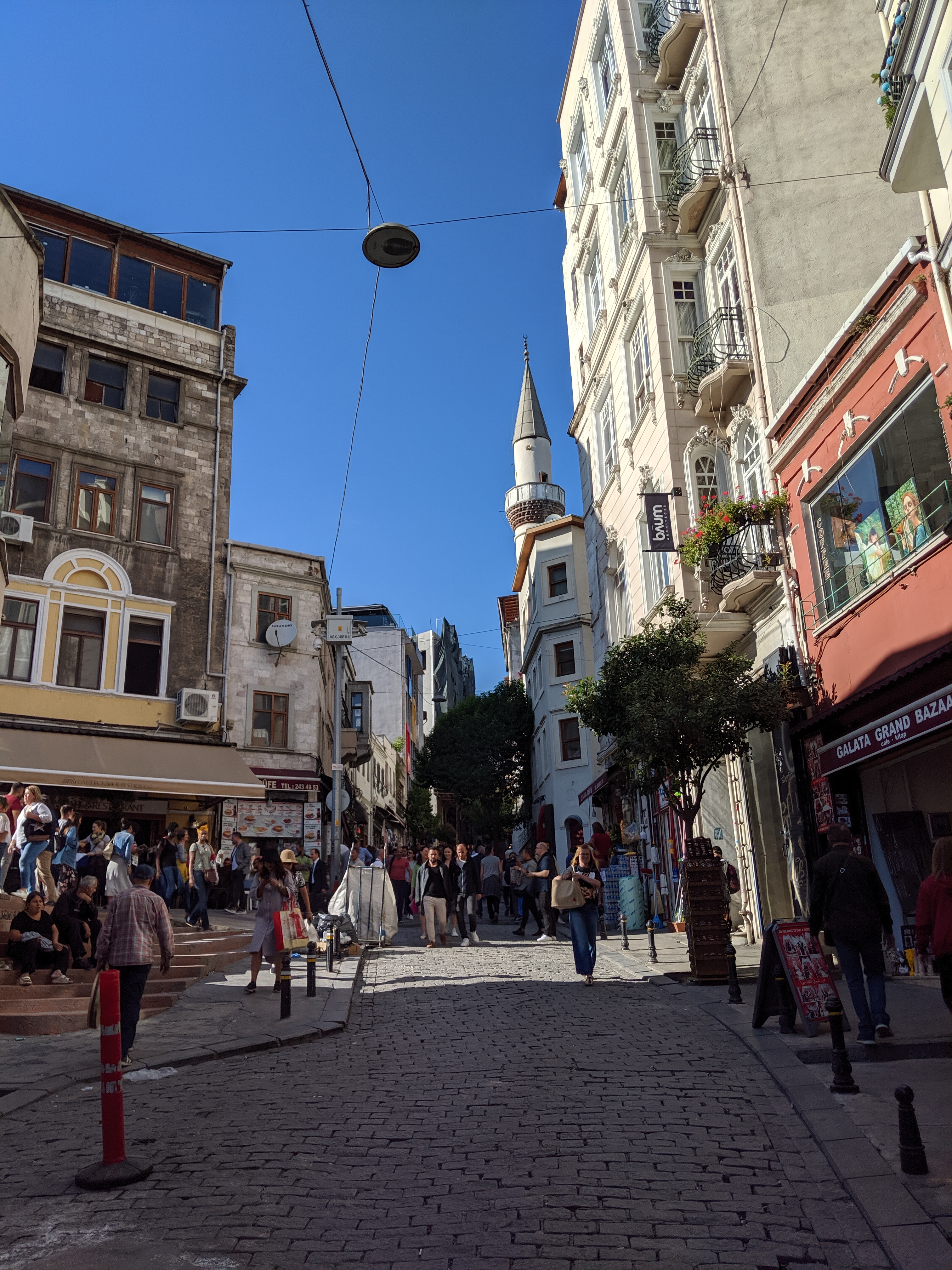
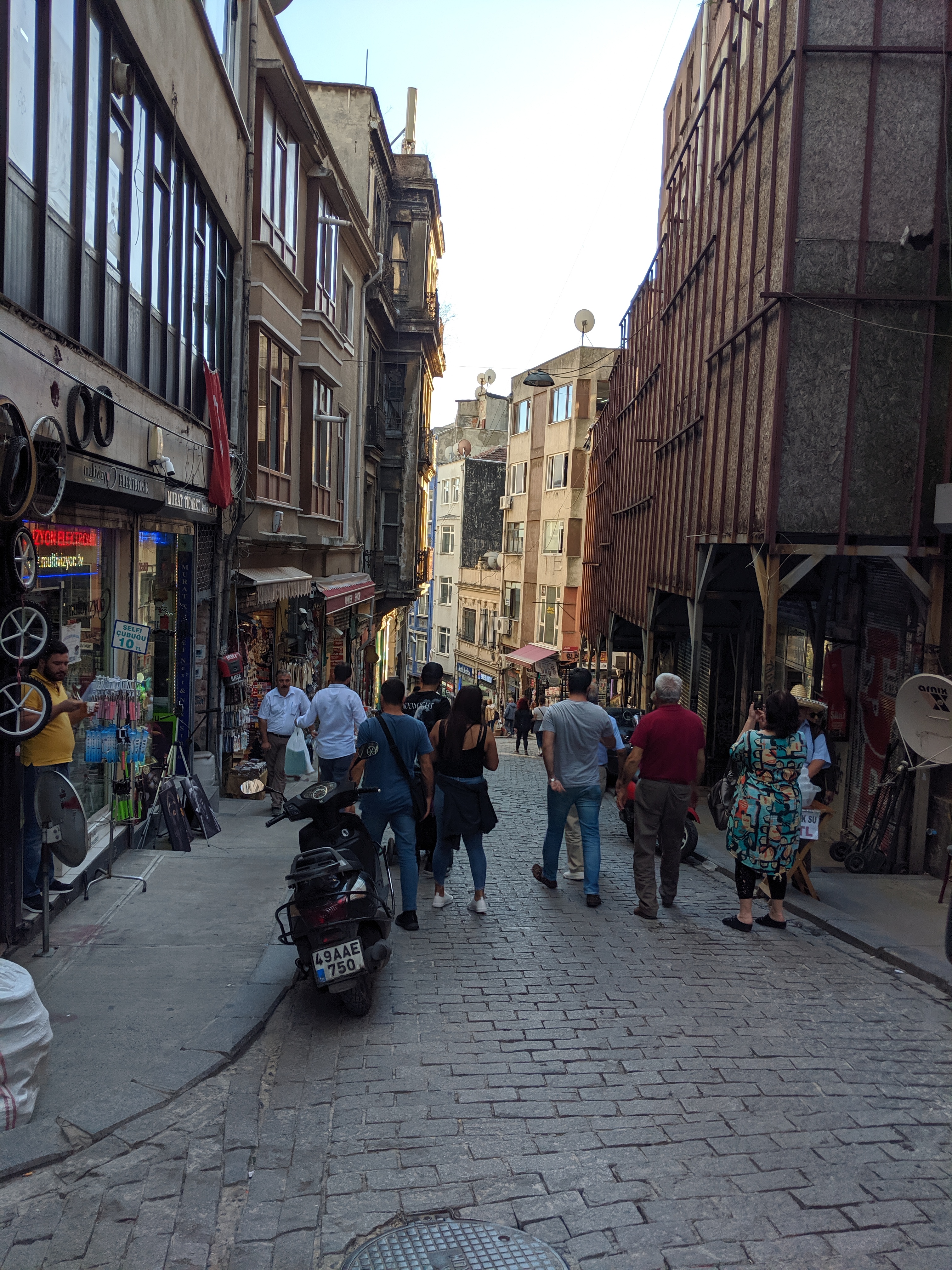
    People in the Fatih district of Istanbul, near the Grand Bazaar:

    Public transport in Istanbul is excellent, offering a choice of bus, tram, or metro. Here’s a tram coming down the busy Divan Yolu Cd near the Hagia Sophia:

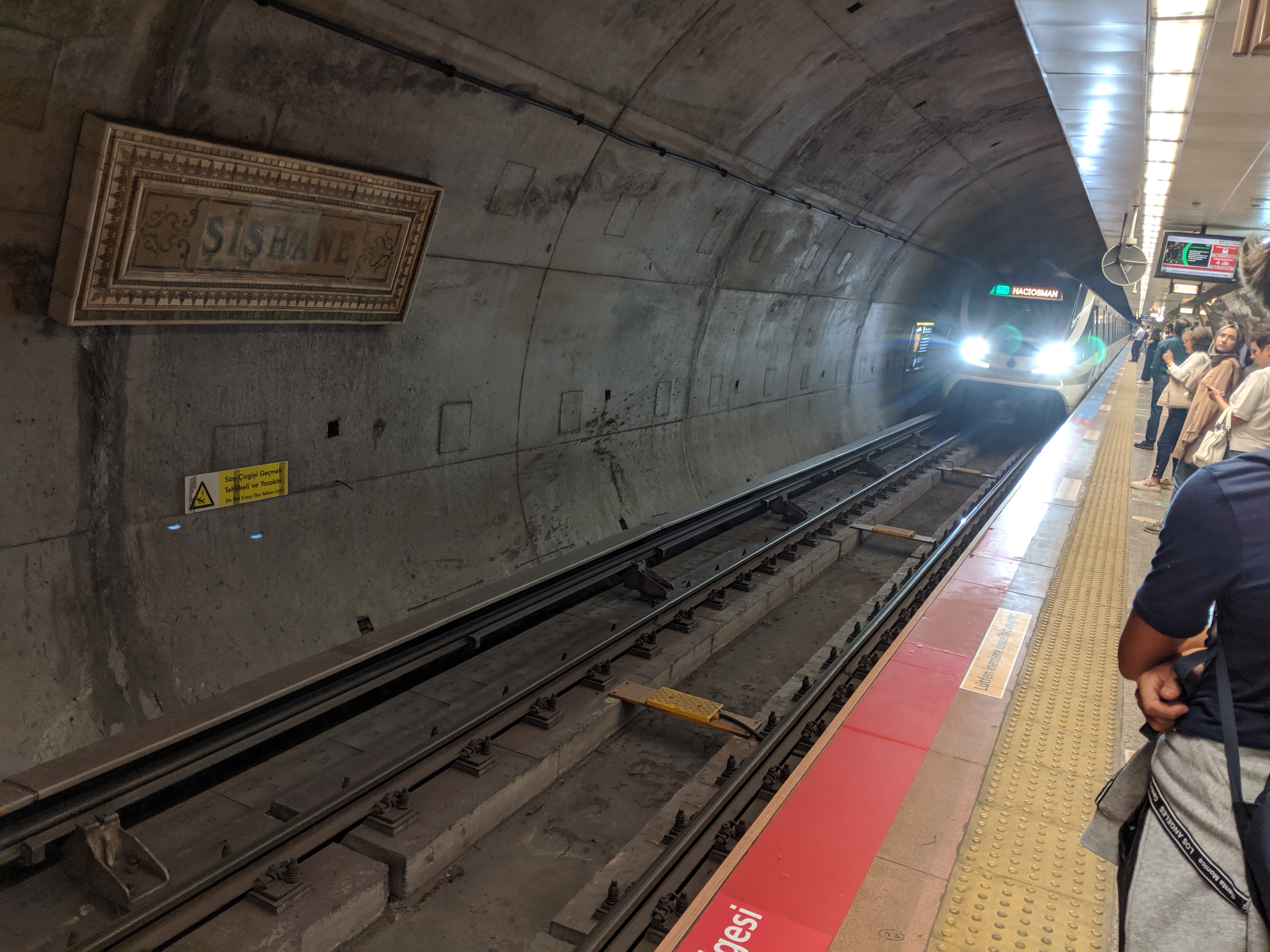
    The Şişhane Metro stop in the Beyoğlu area of Istanbul:

    A view of Istanbul’s historic peninsula seen from Beyoğlu on the northern side of the Golden Horn. On the right is the Galatah Bridge. The Golden Horn is an inlet of the Bosphorus:

    The district of Beyoğlu is known for its entertainment, art, and night life. Here are a couple of street scenes in the area:

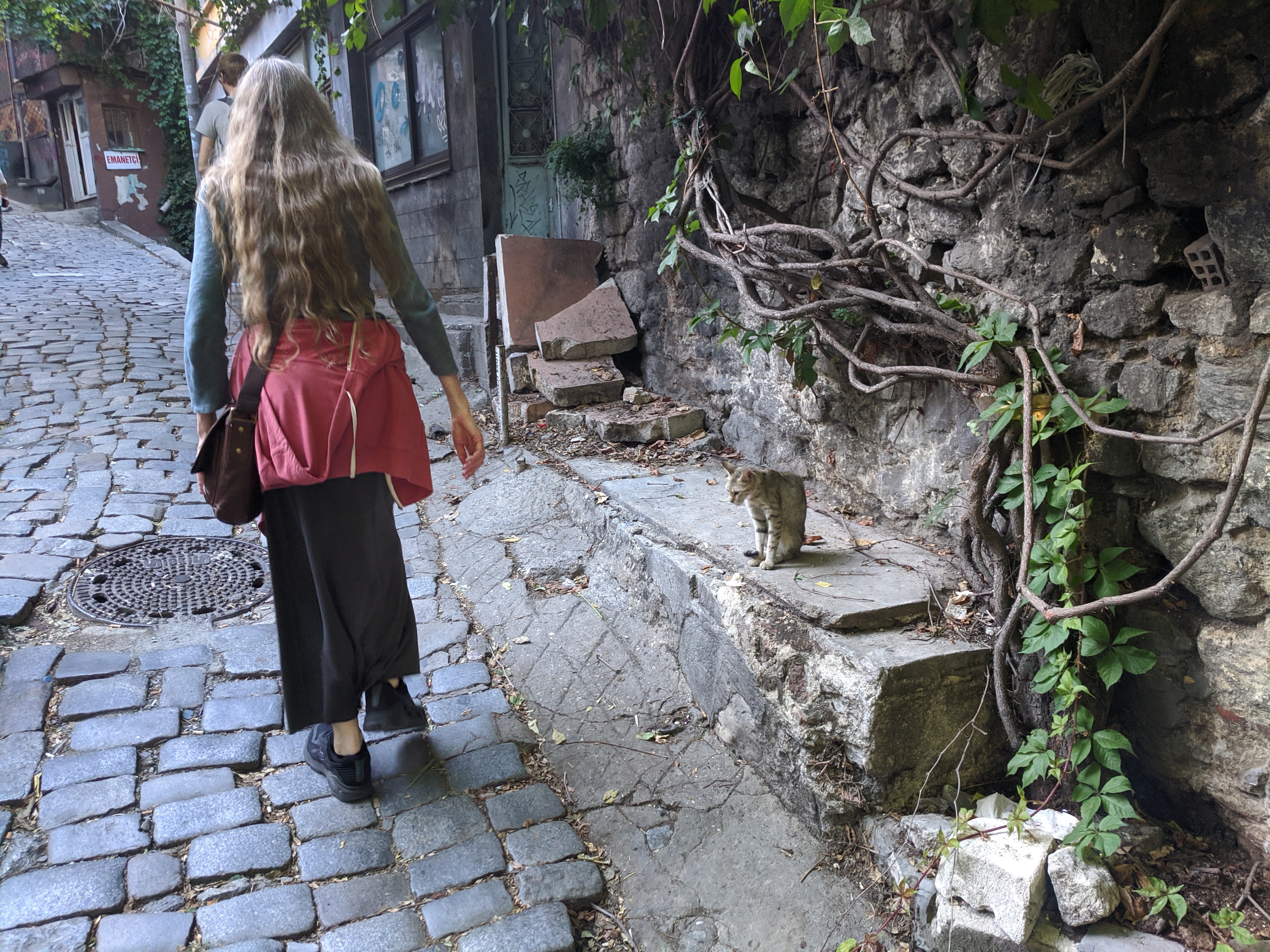
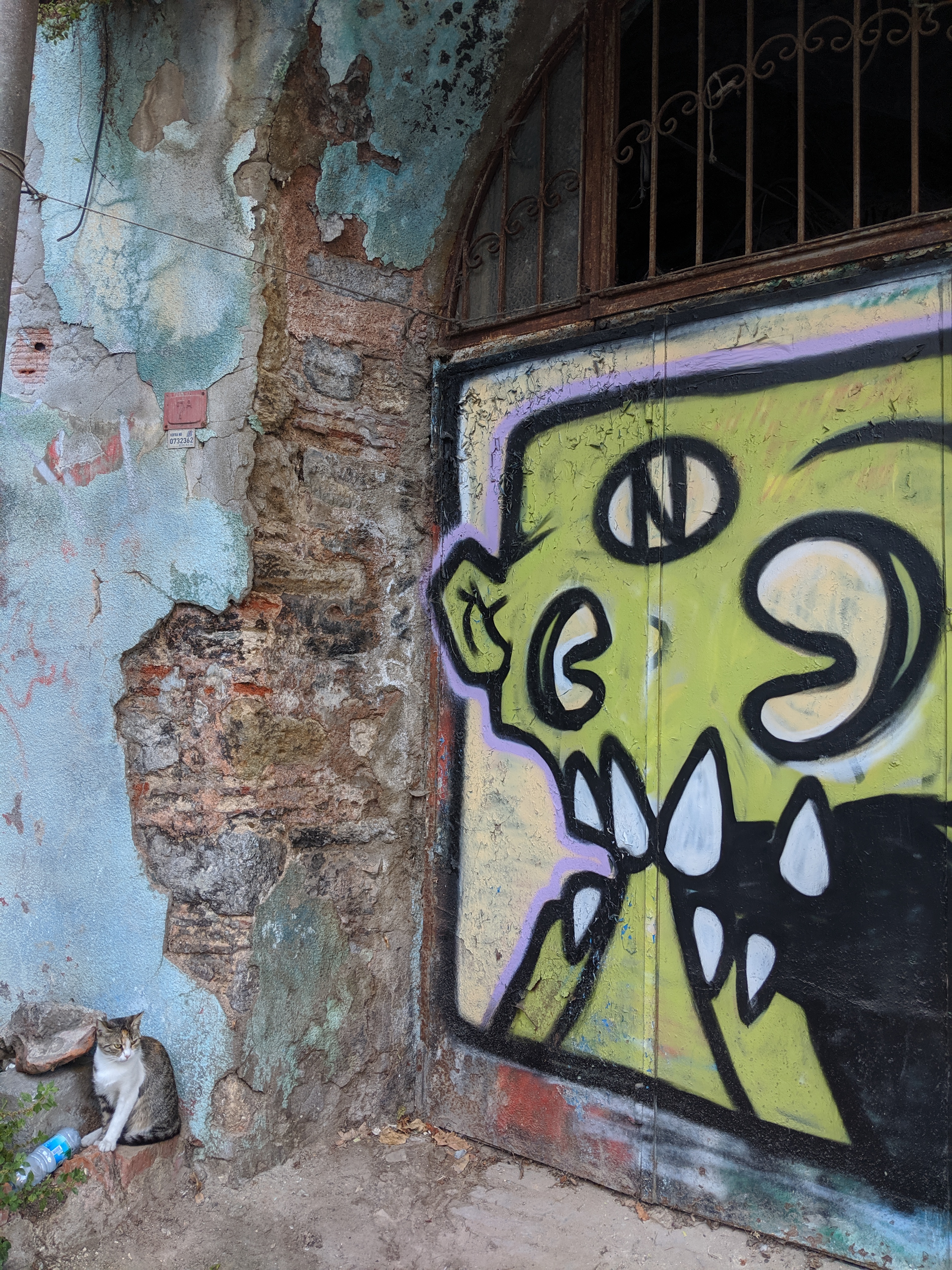
    Cats watch as you pass by:

    That’s all for today, folks.


  • Grand Bazaar in Istanbul

    This is the blog of Mark Wordsworm, the travelling worm. I’m a 36-year-old bookmark (give or take a few years) and I proudly boast my own Hallmark serial number, 95 HBM 80-1. You’ll probably want to read all about me and my Travelling Companion (the TC).

    Today’s travel notes

    Me and the TC dipped our toes into the Brand Bazaar, a large covered market in Istanbul. We visited approximately six of the bazaar’s 61 covered streets. So, that leaves a few to explore in our next visit.

    Word of the day

    Saffron is the most expensive spice in the world. It comes from the flower of a lily, Crocus sativus. To produce the spice, people collect and dry the stigma and styles (threads) from the flower and heat them on a sieve. Most saffron is produced in Iran.

    The book I’m in

    Live Wire, by Harlan Coben. This worm enjoys the no-frills style of this author’s prose. The style contrasts nicely with the tangled web of family intrigue and big-world evil that reader and hero have to weave their way through together.

    The photos

    Me at an entrance to the Grand Bazaar in Istanbul:

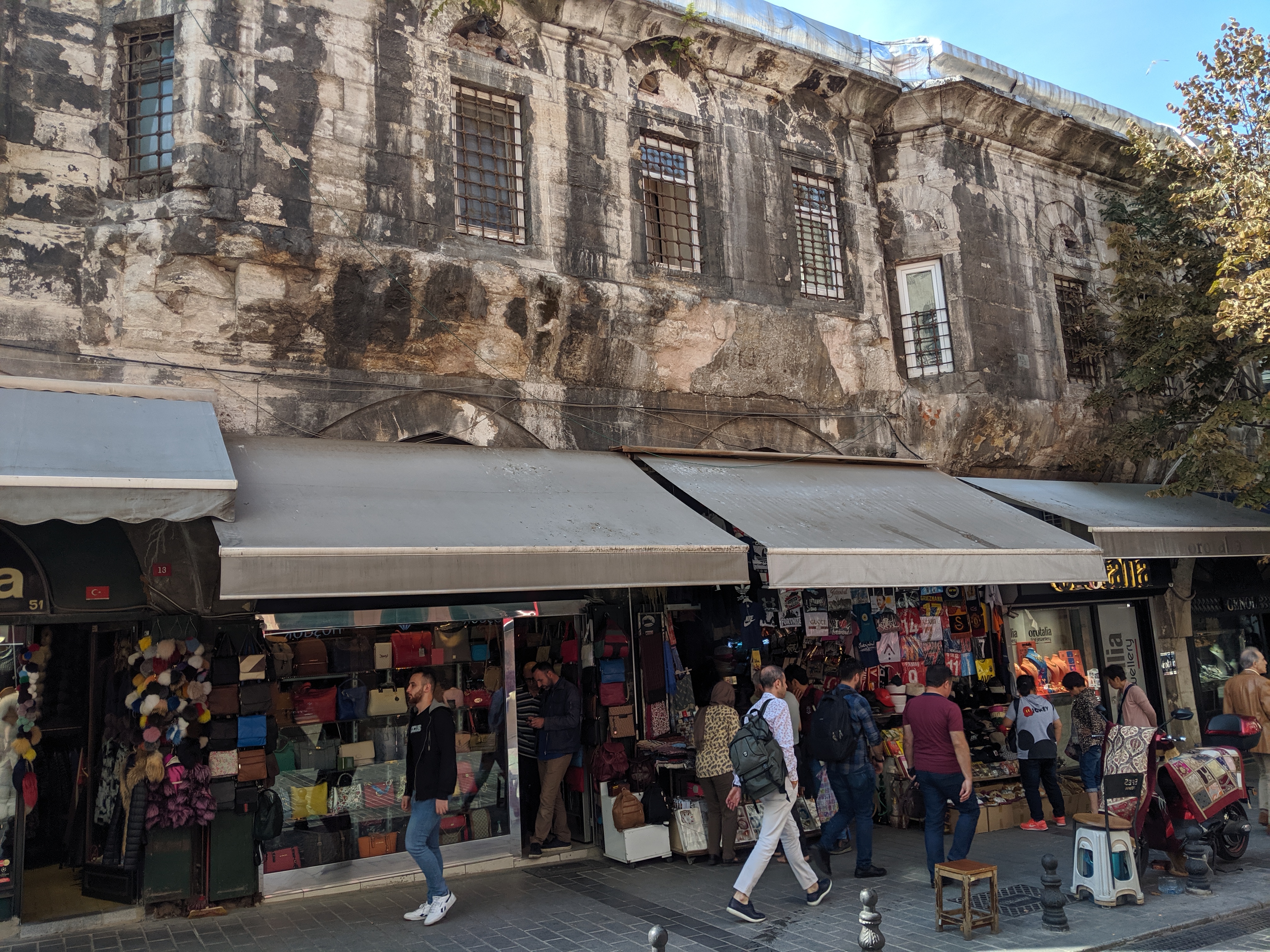
    The road leading to the entrance features a row of character-filled buildings:

    Ancient and modern combine – the shop to the left of the market entrance advertises Bitcoin:

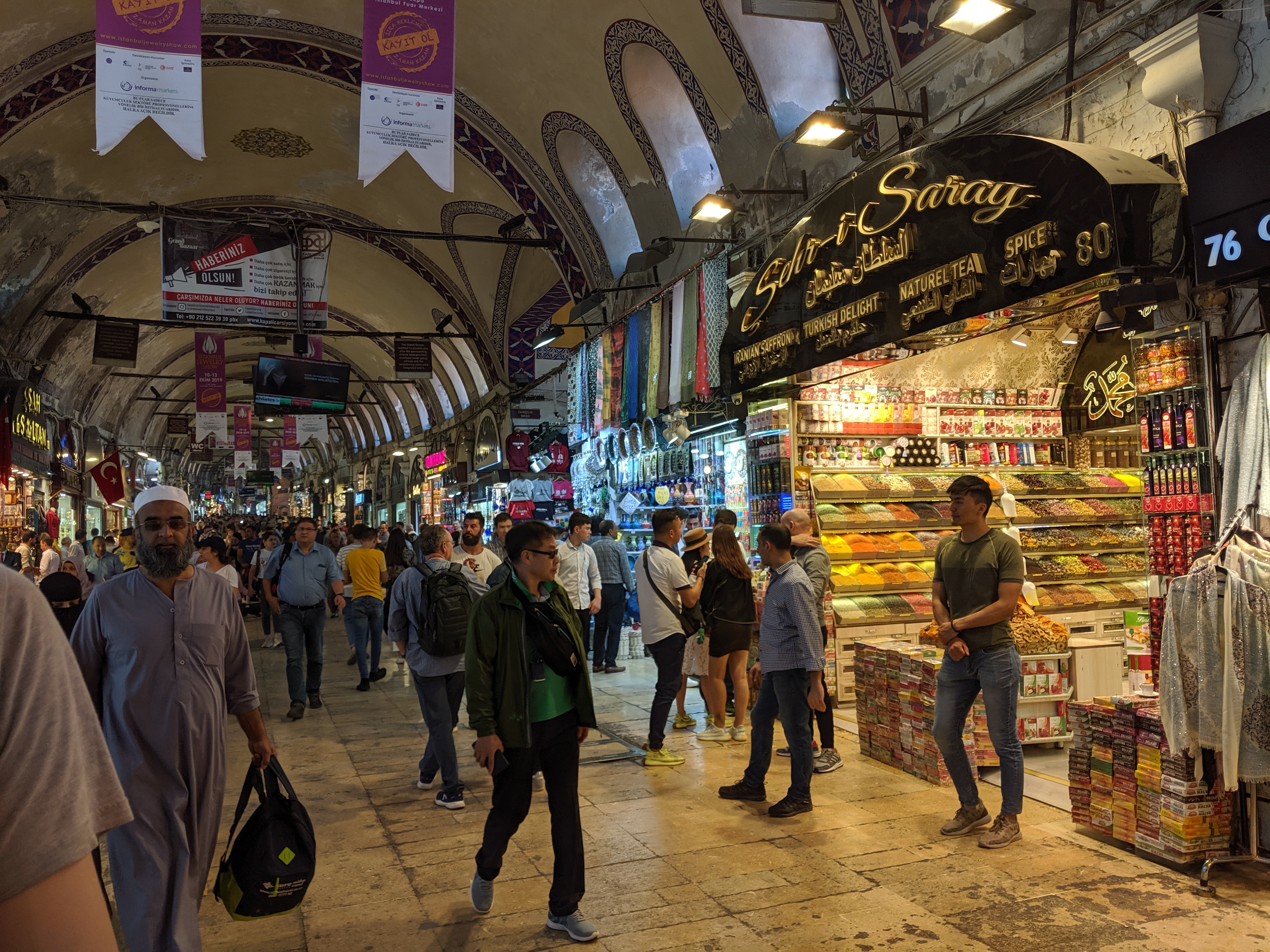
    Inside the Grand Bazaar:

    Construction of the Grand Bazaar started in 1455, making it one of the oldest covered markets in the world. People continued adding shops and sections to the market over the years. By the beginning of the 17th century, the market had more or less the same shape as it does now.

    Saffron, spices, and Turkish Delight add to the colour and smells:

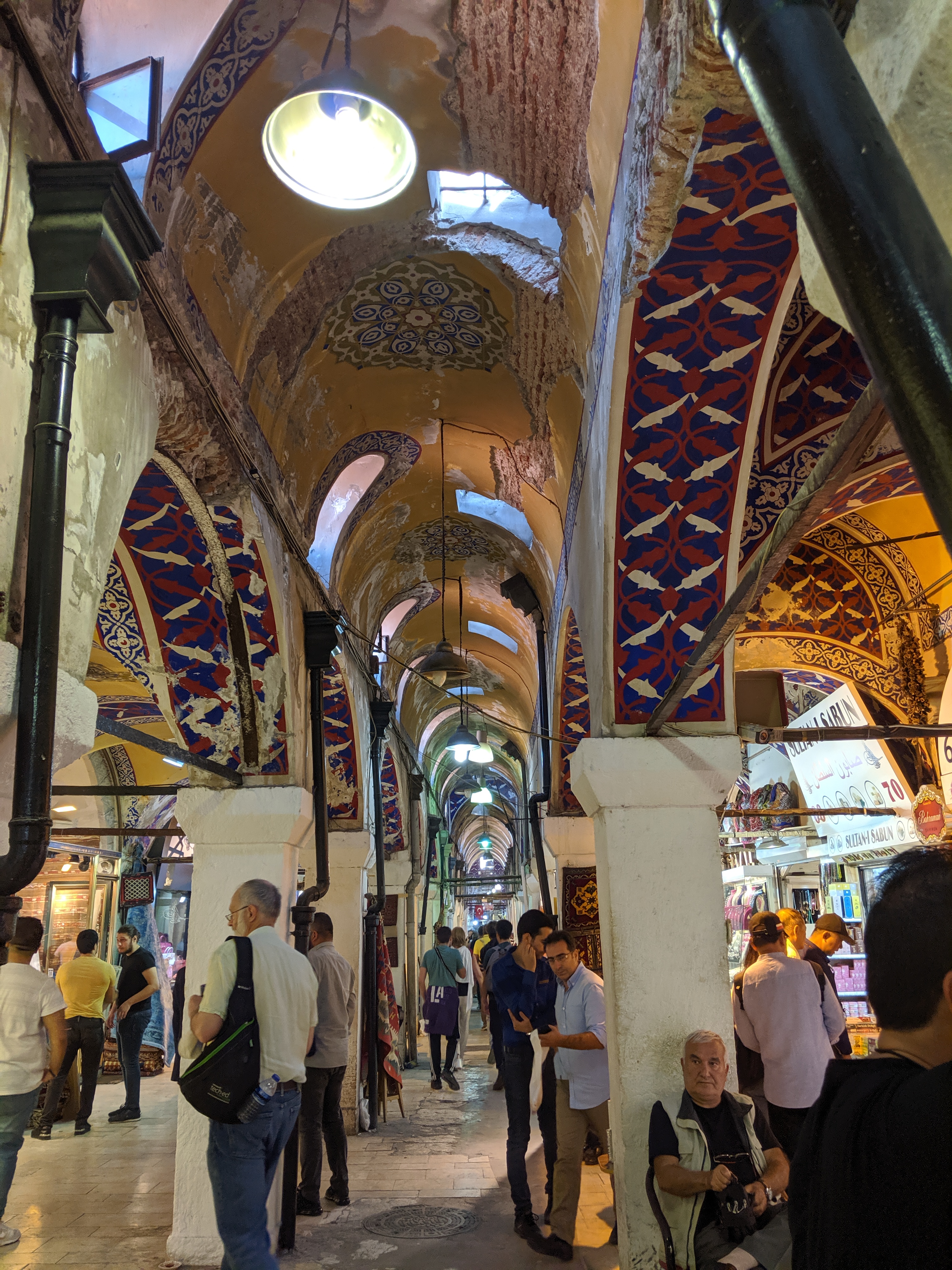
    Arches receding into the distance, topped by a small window to let in air and light:

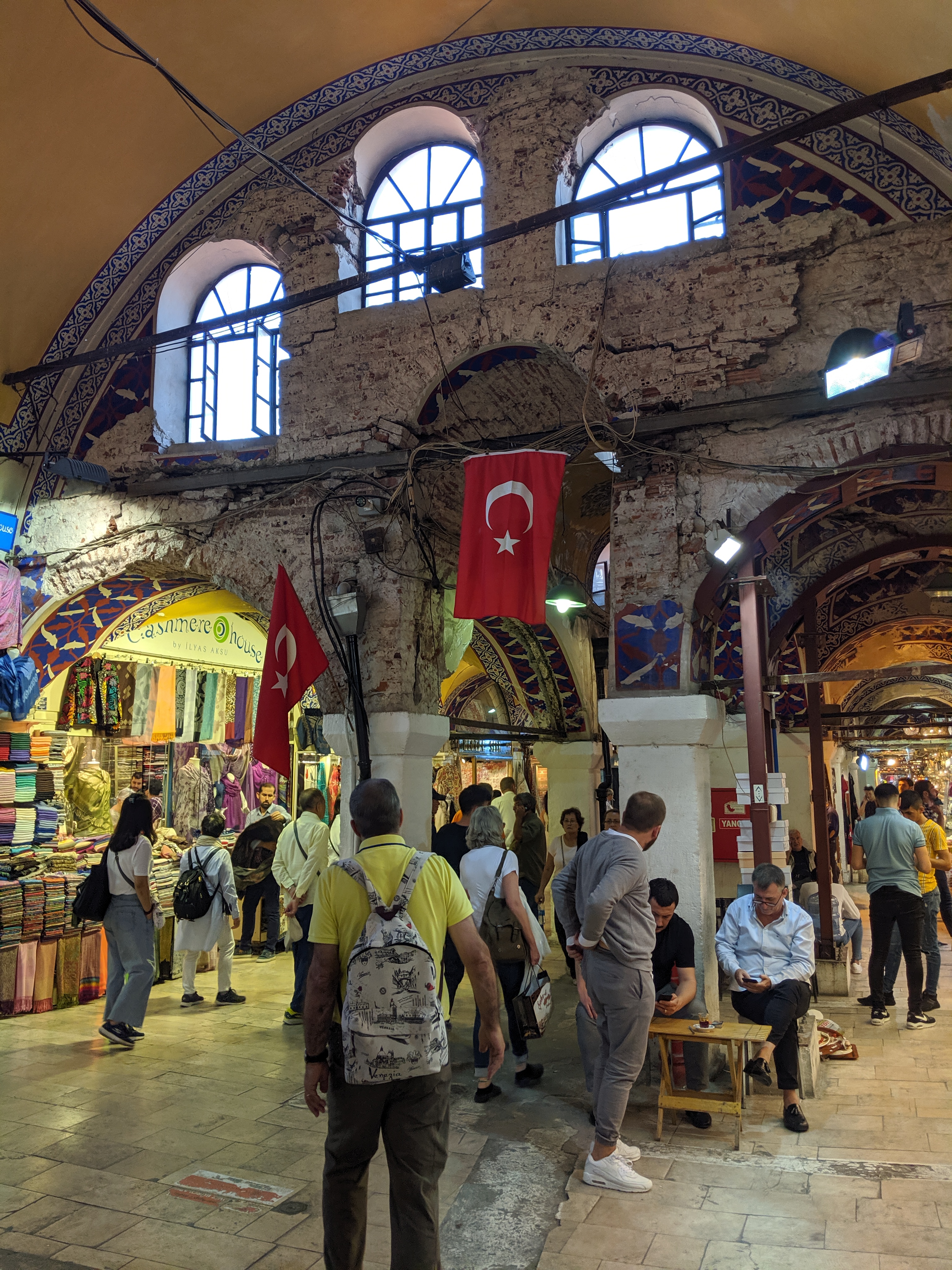
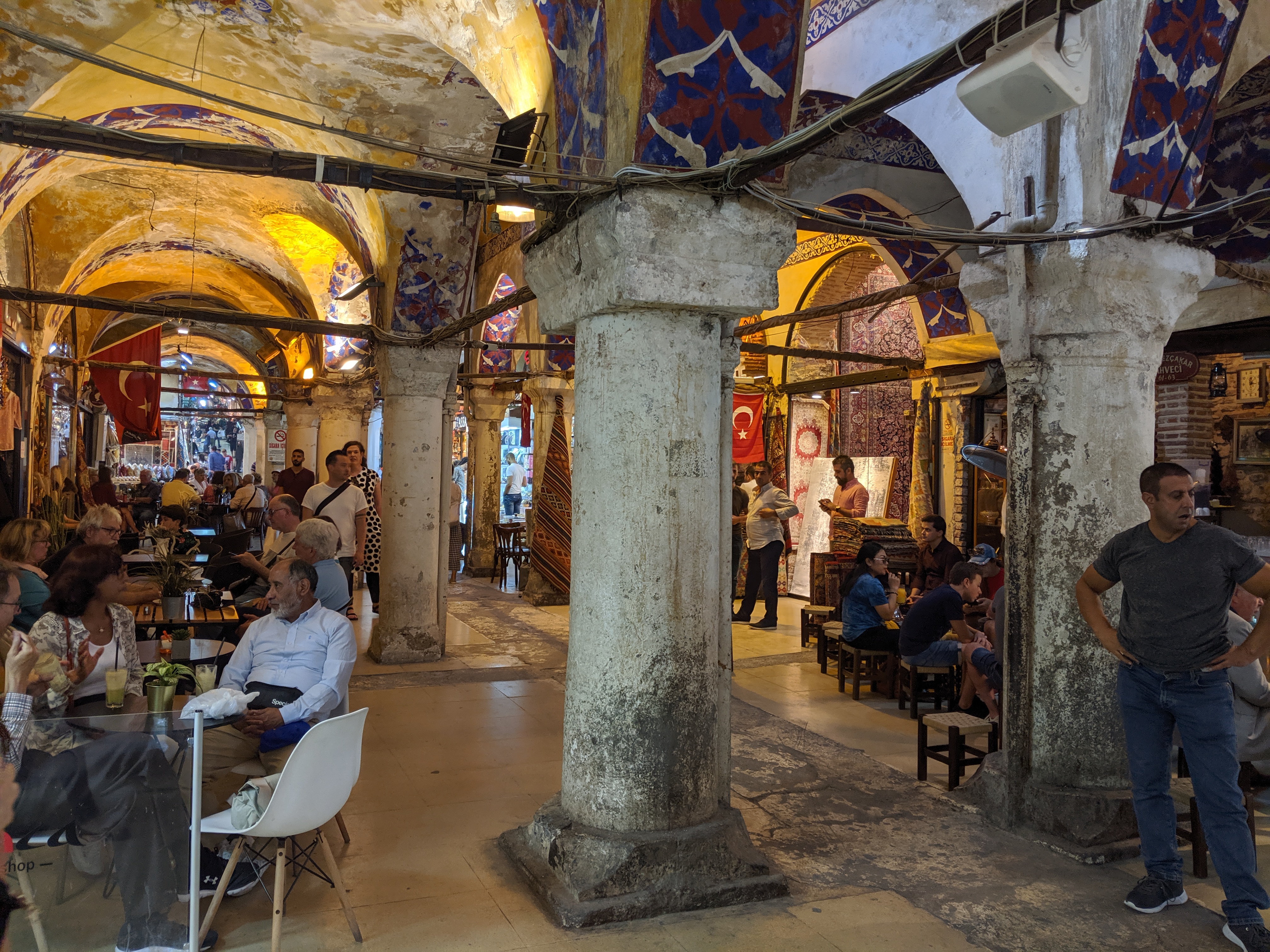
    People enjoying refreshments and a break in older part of the market:

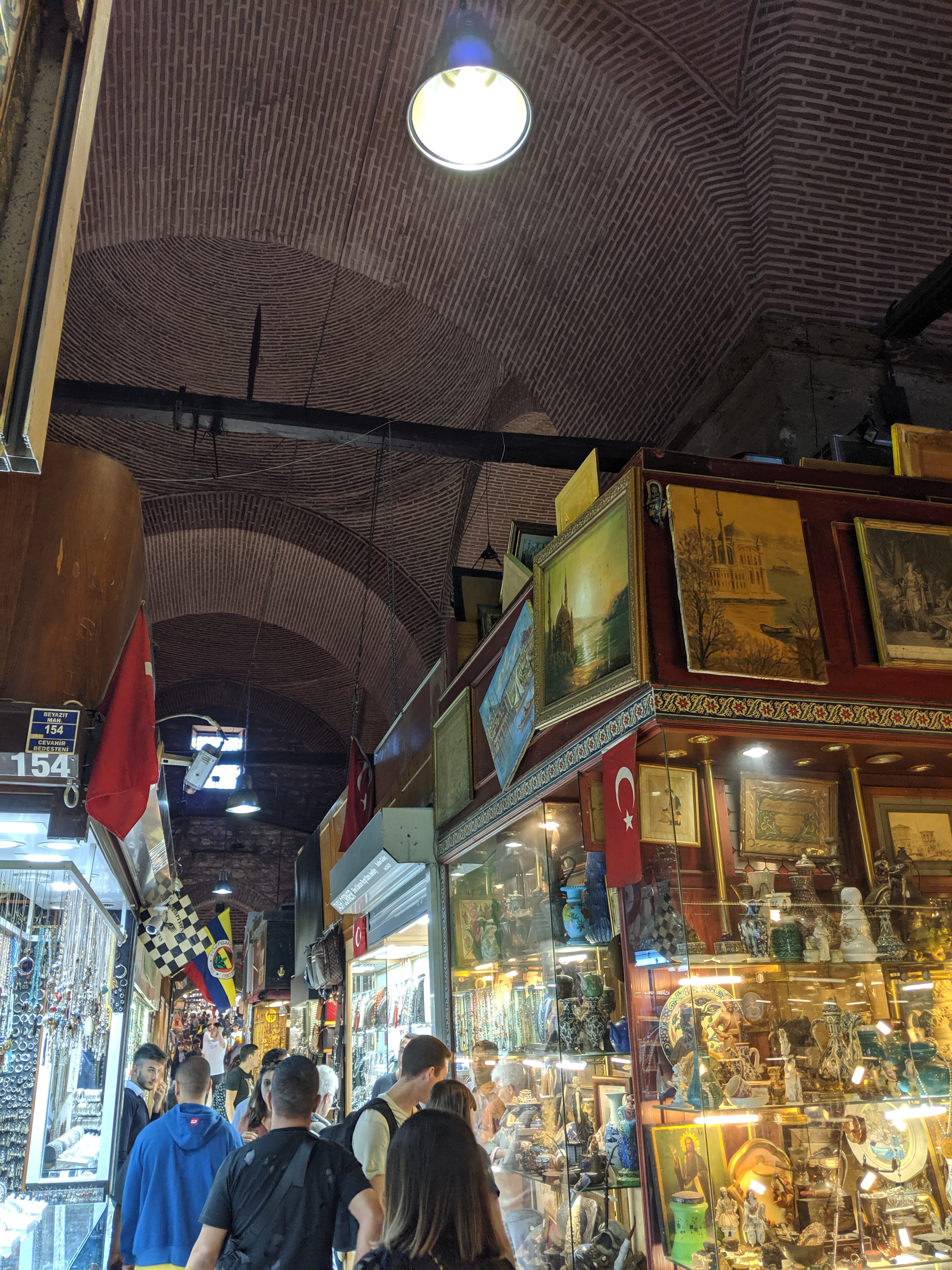
    The bazaar offers more than 4,000 shops in 61 covered streets. Sections of the market have different characteristics. In the next photo, the ceiling is higher and darker, with the shops perched in glass boxes below it:

    That’s all for today, folks.


  • Blue Mosque in Istanbul

    This is the blog of Mark Wordsworm, the travelling worm. I’m a 36-year-old bookmark (give or take a few years) and I proudly boast my own Hallmark serial number, 95 HBM 80-1. You’ll probably want to read all about me and my Travelling Companion (the TC).

    Today’s travel notes

    Me and the TC spent a week in Turkey recently. The Sultan Ahmed Mosque, known as the Blue Mosque, was on our itinerary. The TC, bless her cotton socks, confided that she was rather dreading the experience, as she felt she’d be viewed as a second class person, being a woman, and she’d have to cover her head with a scarf. She probably would not have entered, except that the rest of our group was planning to visit the mosque. Afterwards, she said it wasn’t as disturbing as she’d expected, since the other women looked happy and comfortable in their scarves too.

    The book I’m in

    We Are Legion (We Are Bob): Bobiverse, by Dennis E Taylor. The TC has just started this book. I predict I’ll find myself tucked into many more of the Bobiverse series.

    Travel tip

    If you’re a woman, take a headscarf with you. You need to don the scarf and doff your shoes before entering the mosque. If you don’t have a scarf, the mosque attendants supply you with one. They also give you a plastic bag for carrying your shoes around. You hand in the bag for recycling when you leave.

    The photos

    Me and a cup of coffee on a table in Turkey. It’s nowhere near Istanbul or the Blue Mosque::

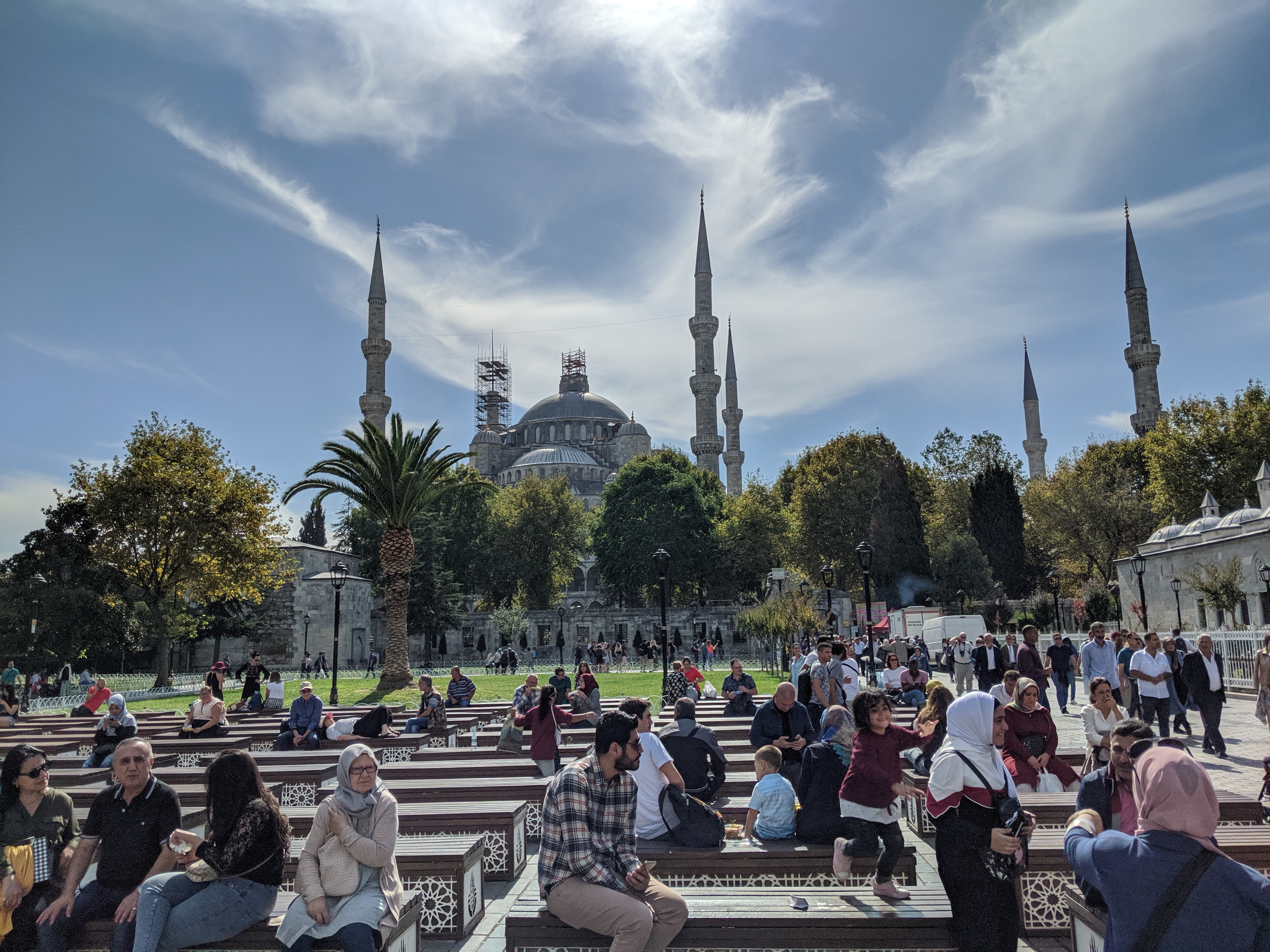
    The Blue Mosque, seen from Kabasakal Cd, with the seating of Efsunlu Dünya in the foreground:

    Another view of the Blue Mosque, this time from Ayasofya Meydani:

    The Ottoman sultan Ahmed I built the Blue Mosque in the years 1609 to 1616, making it much less ancient than the nearby Hagia Sophia.

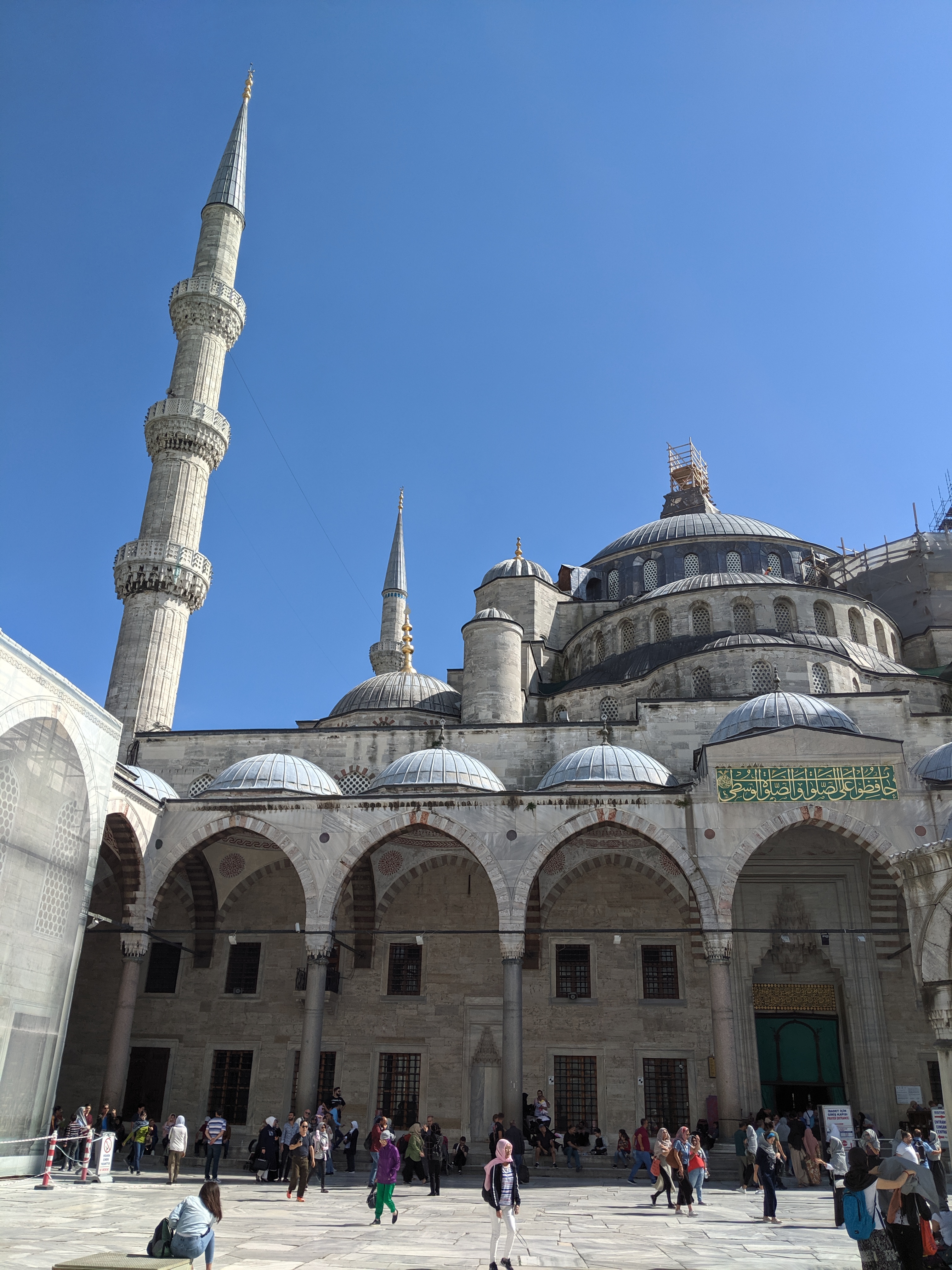
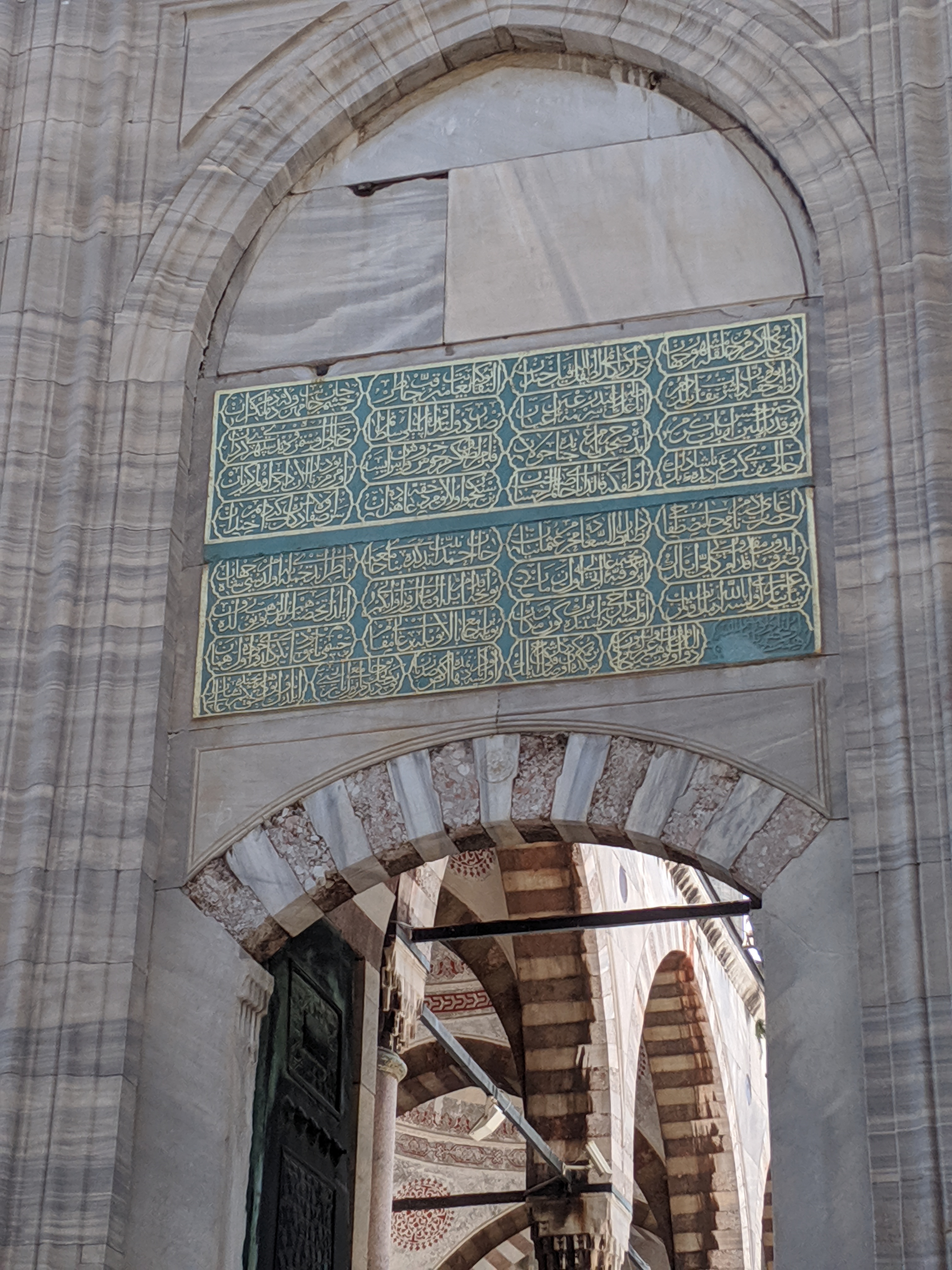
    The inner courtyard:

    One of three entrances:

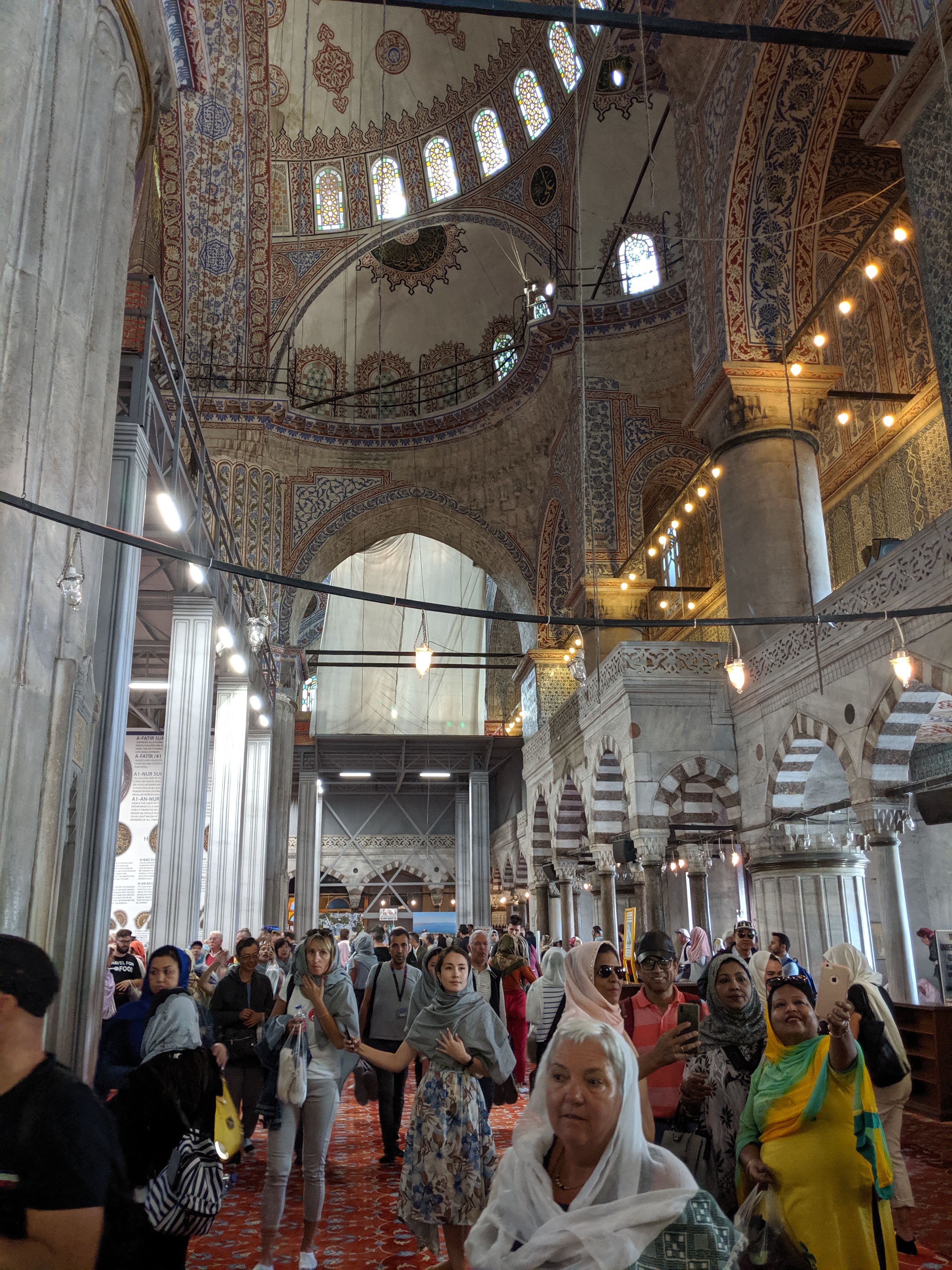
    Inside the mosque:

    The mosque acquired the name Blue Mosque because people notice quite a bit of blue in the decorations. This worm doesn’t think it’s particularly blue.

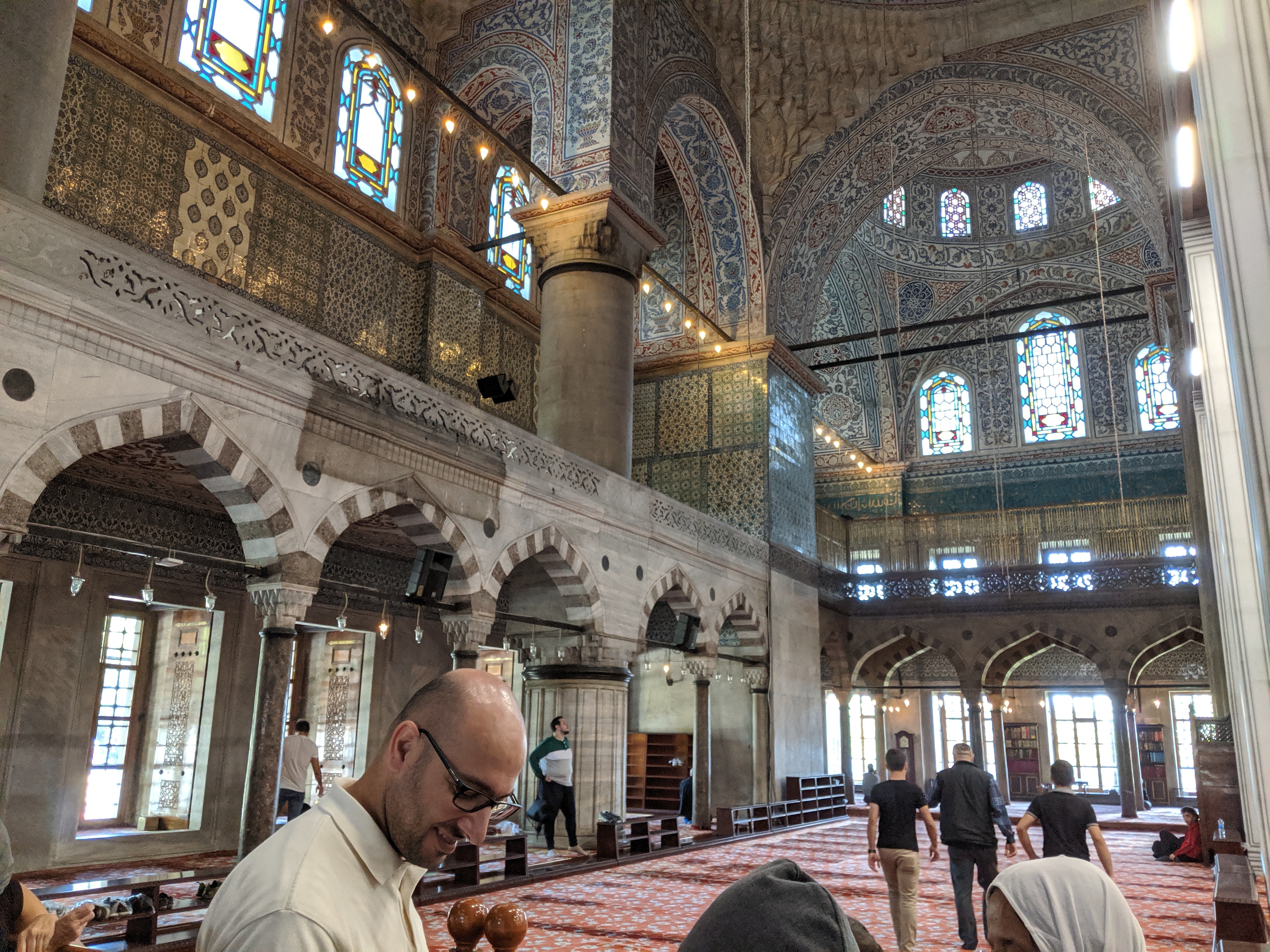
    Part of the praying area for men:

    The praying area for women is much smaller, situated at the rear of the hall.

    More of the inside of the mosque:

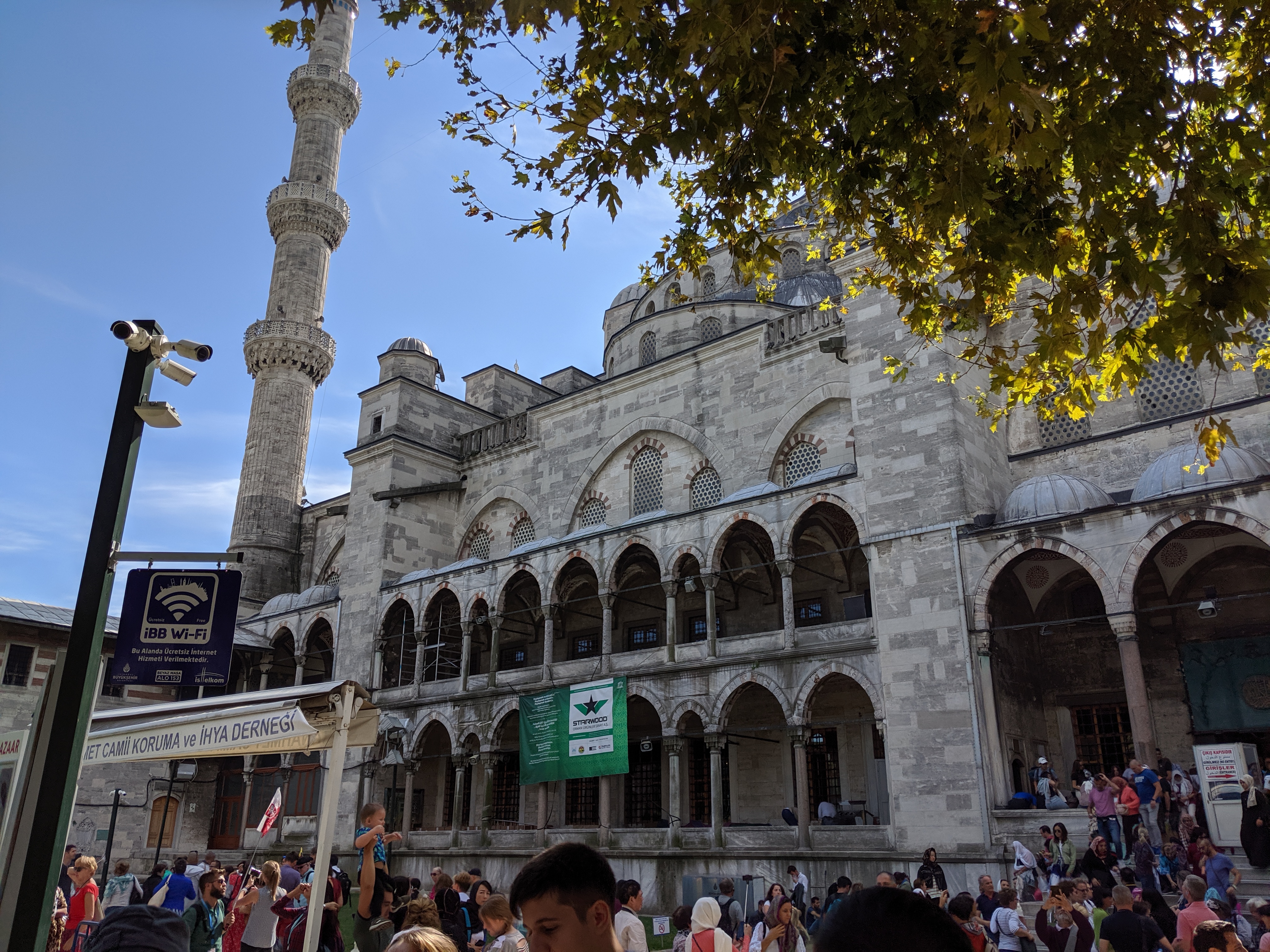
    On leaving the mosque, you emerge on the Sultan Ahmet Cami. This is view of the mosque as you leave:

    That’s all for today, folks.


  • Uchisar in Cappadocia, Turkey

    This is the blog of Mark Wordsworm, the travelling worm. I’m a 36-year-old bookmark (give or take a few years) and I proudly boast my own Hallmark serial number, 95 HBM 80-1. You’ll probably want to read all about me and my Travelling Companion (the TC).

    Today’s travel notes

    Me and the TC spent a couple of days in Cappadocia, a region in central Turkey, exploring the town of Uçhisar and its surrounds.

    Word of the day

    A troglodyte is a cave dweller. The word also means old-fashioned or deliberately backward-looking.

    The book I’m in

    Dreams and Shadows, by C. Robert Cargill. A dark tale of faerie and mortality, with a dose of undreamed-of power and doomed love. C. Robert Cargill is a versatile author, well worth keeping an eye on.

    Travel tip

    Look out for the stray dogs that live in the streets. They’re usually docile and friendly, but can become territorial at night.

    Recommended accommodation

    Art Residence Cappadocia, from host Derya with Airbnb. A luxurious cave dwelling built into the rock face above Pigeon Valley in Uçhisar.

    Recommended restaurant

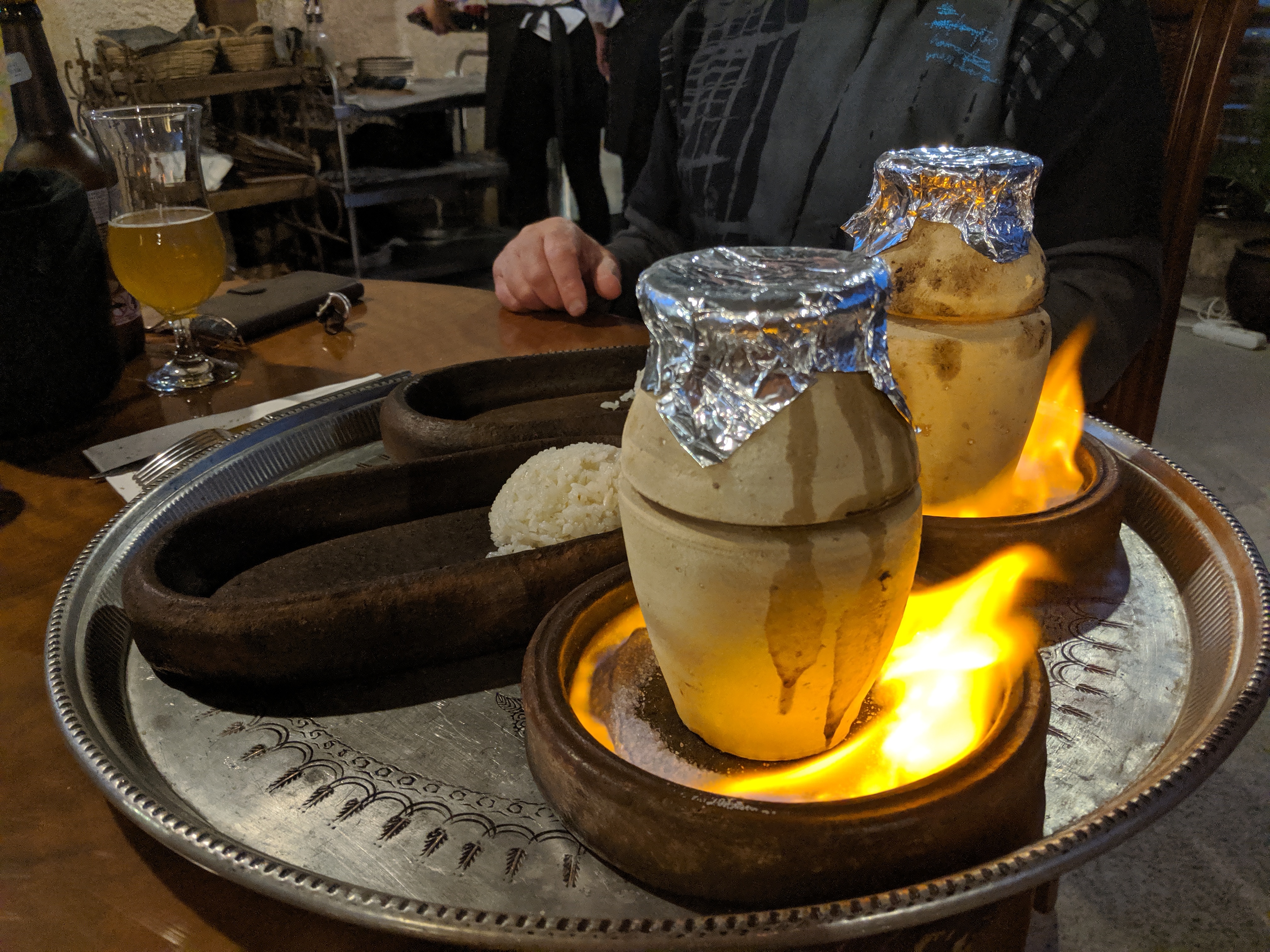
    Muhterif, Tekelli, Belediye Meydanı No: 3, 50240 Uçhisar. Good food, very friendly and professional service. One of the photos below shows a the clay pots in which a beef dish arrived.

    The photos

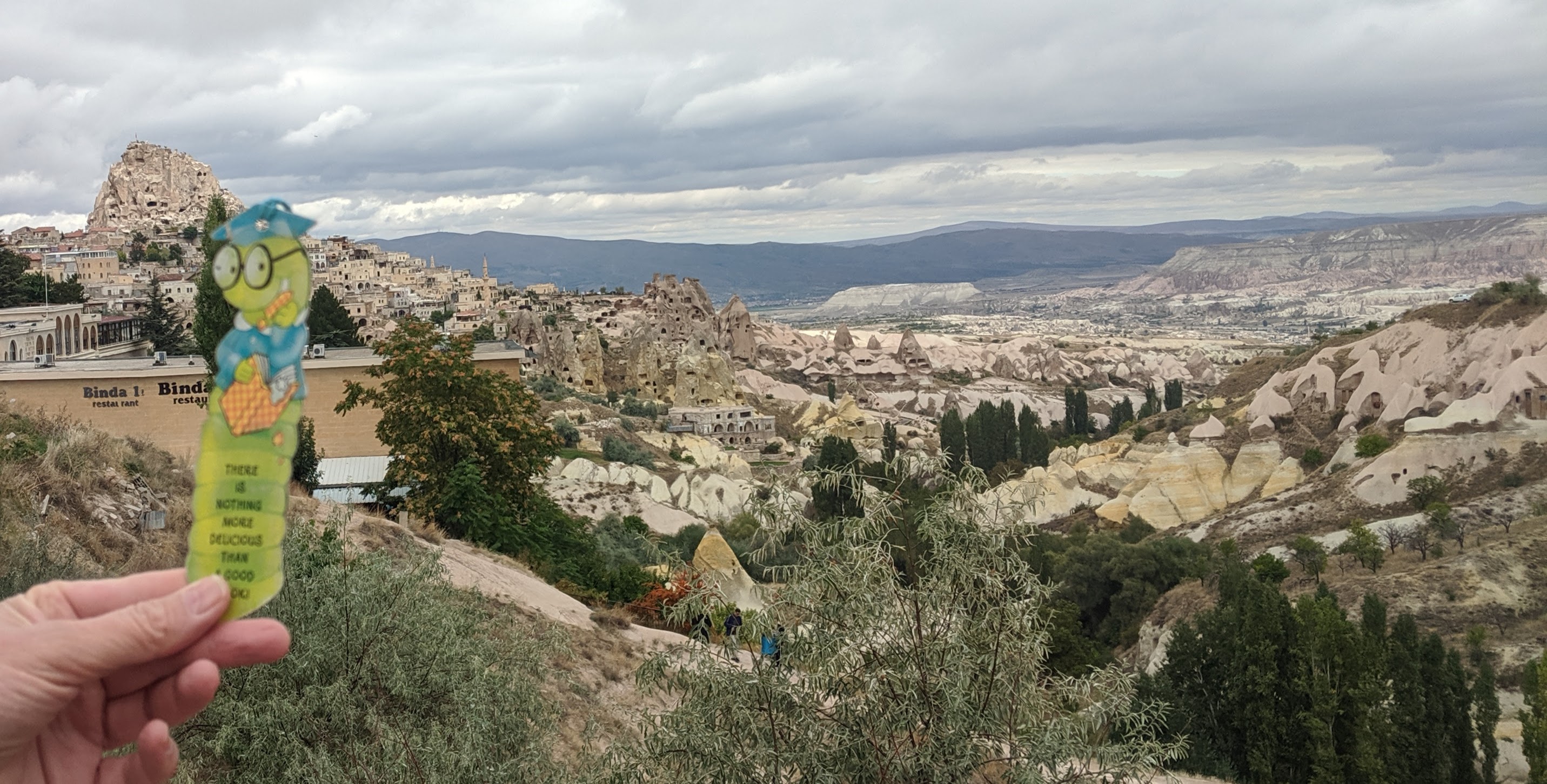
    Peg’s one job is to support me on my travels, especially in case of wind. Sometimes Peg gets it wrong. Me doing a faceplant:

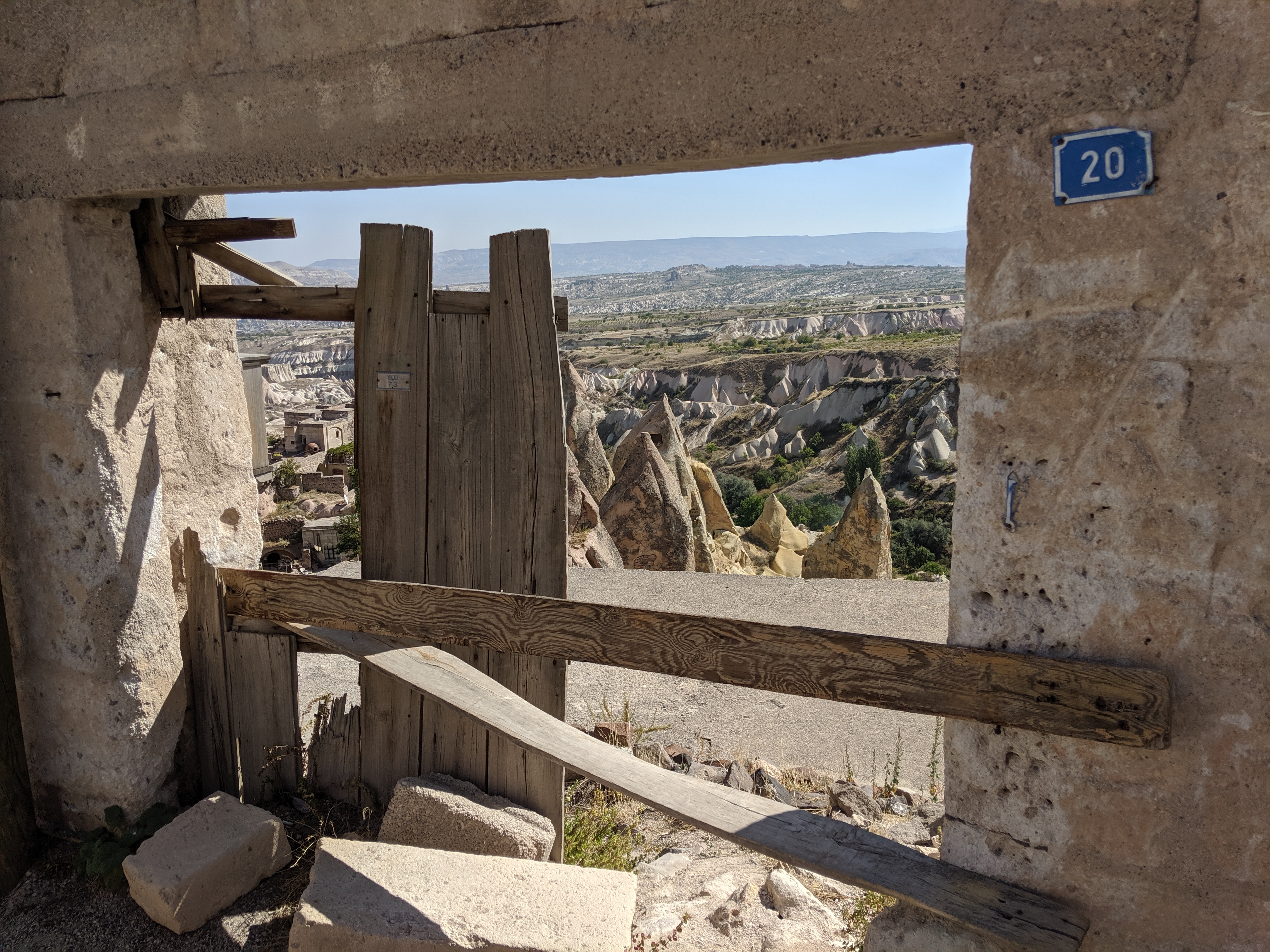
    Once more, with feeling. Here’s yours truly, Mark Wordsworm, with Pigeon Valley on the right of the photo and Uçhisar Castle on the left:

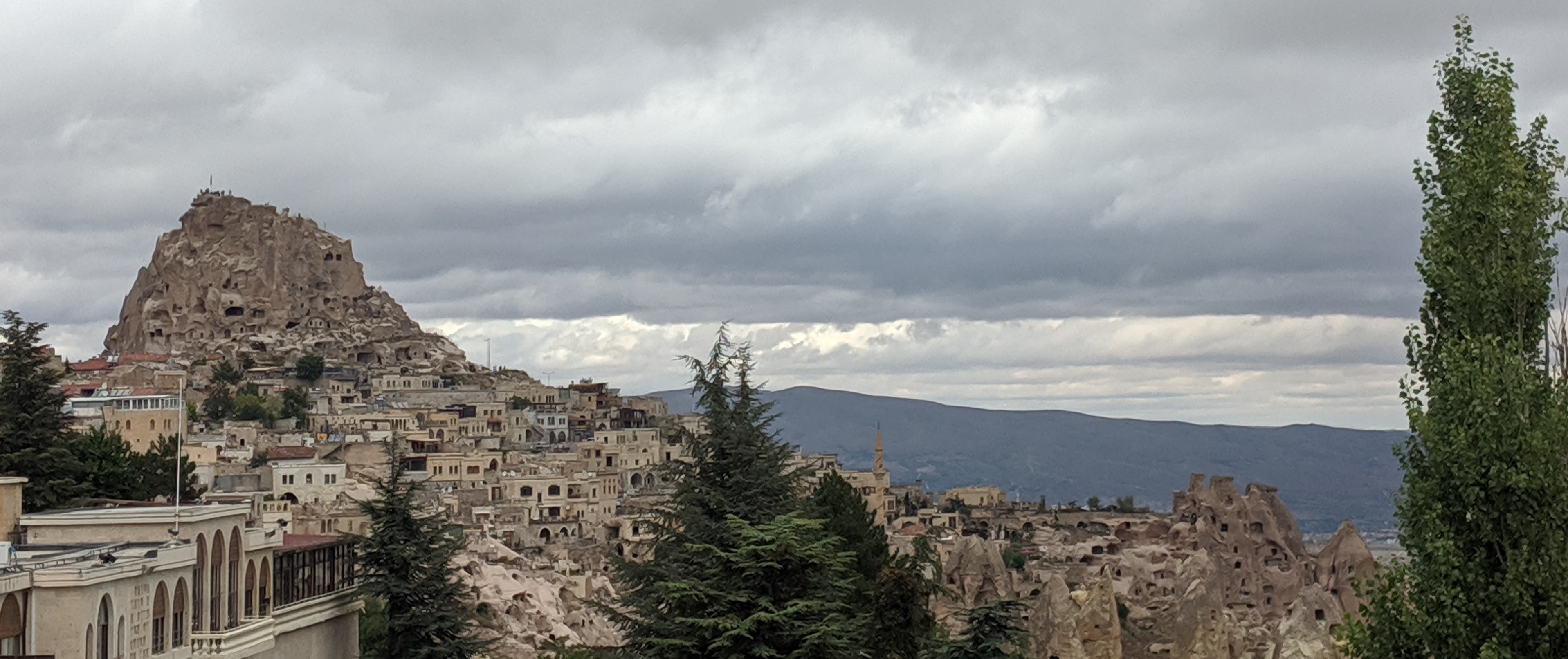
    The settlement of Uçhisar stretches up the hill to the castle:

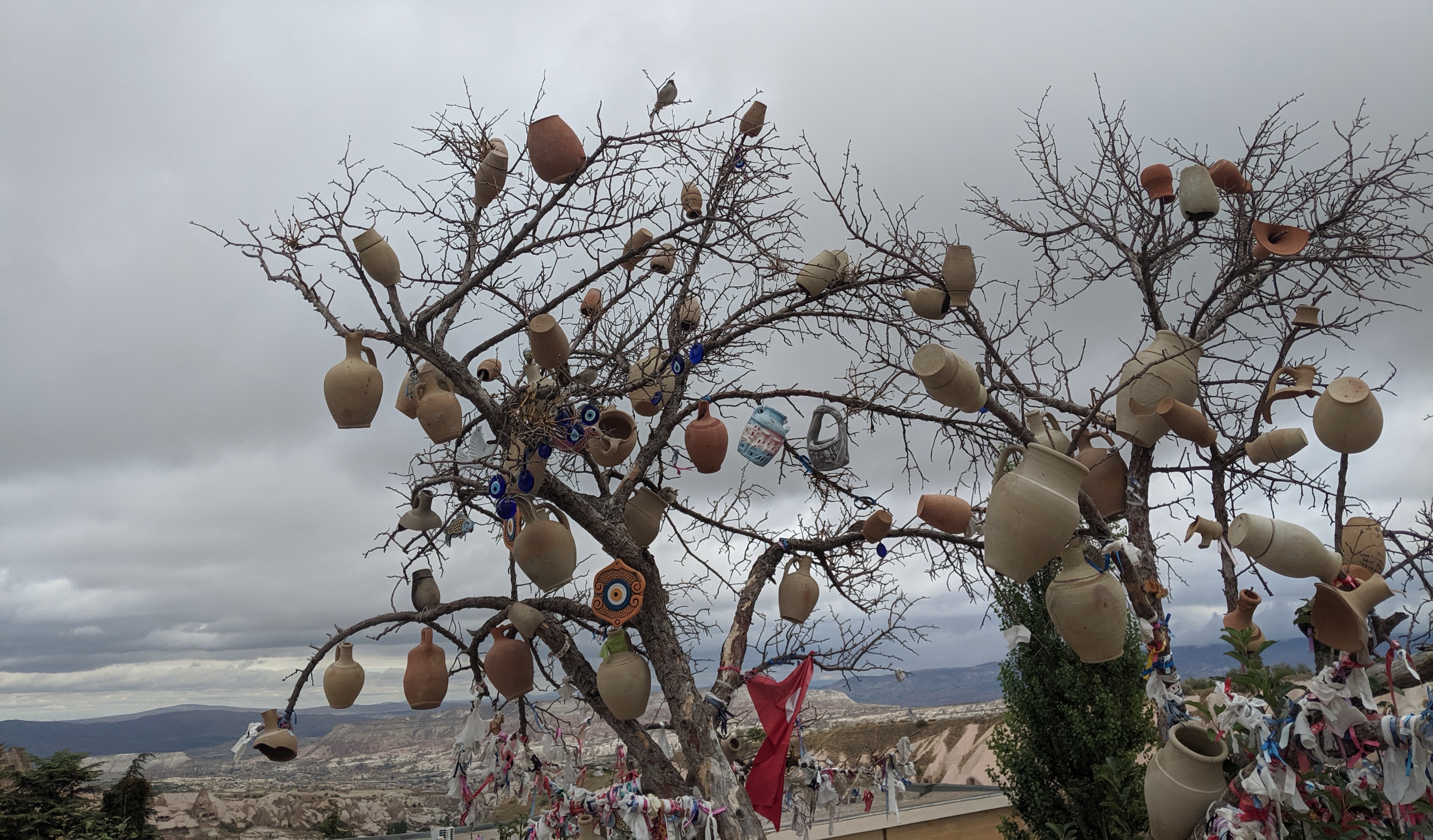
    Clay pots and ribbons decorate a tree above Pigeon Valley, with a bird or two hiding in plain sight:

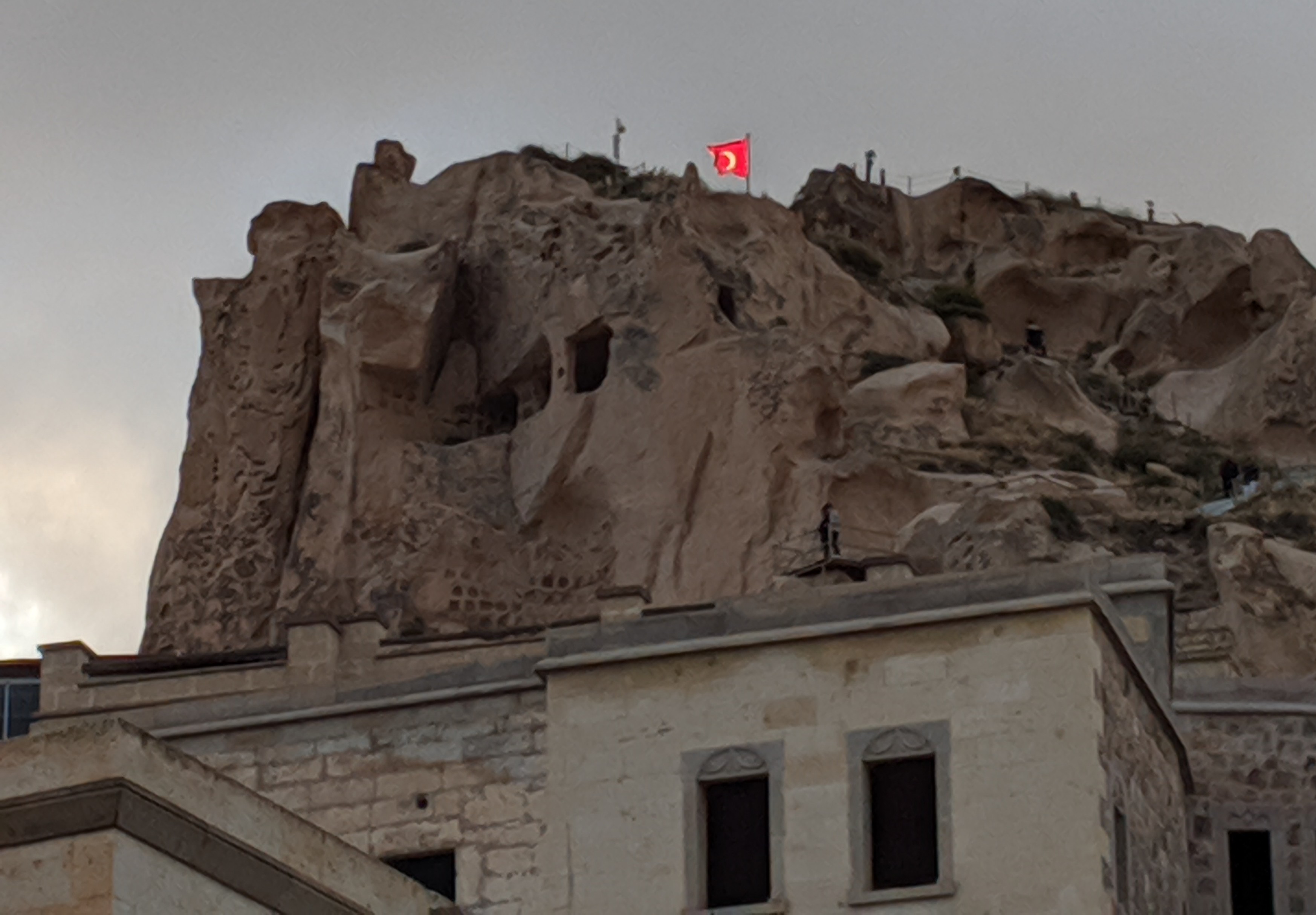
    The Turkish flag glows in the late sun:

    Looking down the winding road that leads from Uçhisar into the valley:

    Old and less old:

    Ruins of various ages offer photographic opportunities:


    This worm was not the only creature exploring the terrain. Meet Dagbert the darkling beetle:

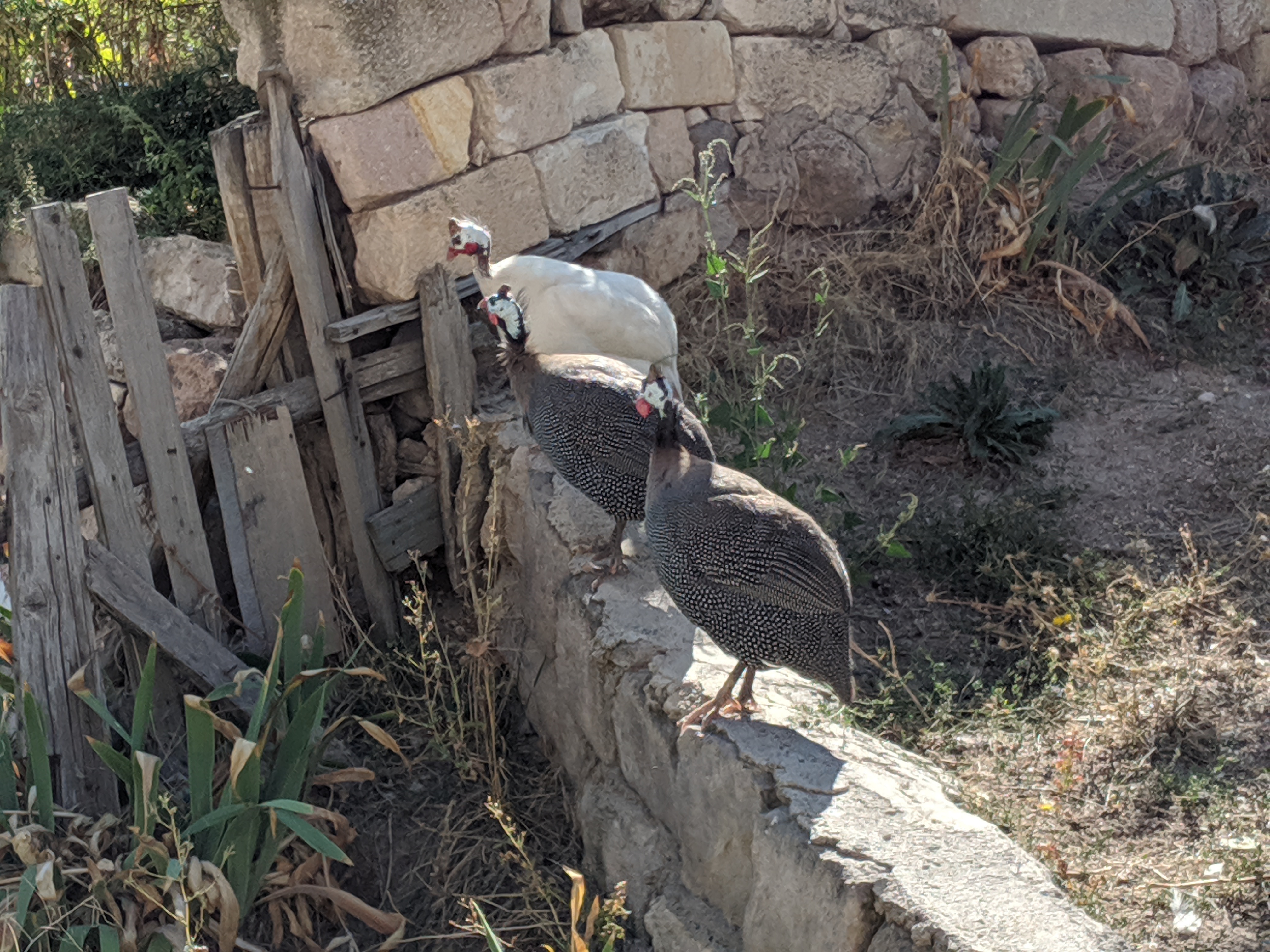
    Dagbert warned me to avoid the Guineafowl prowling in search of an easy bite:

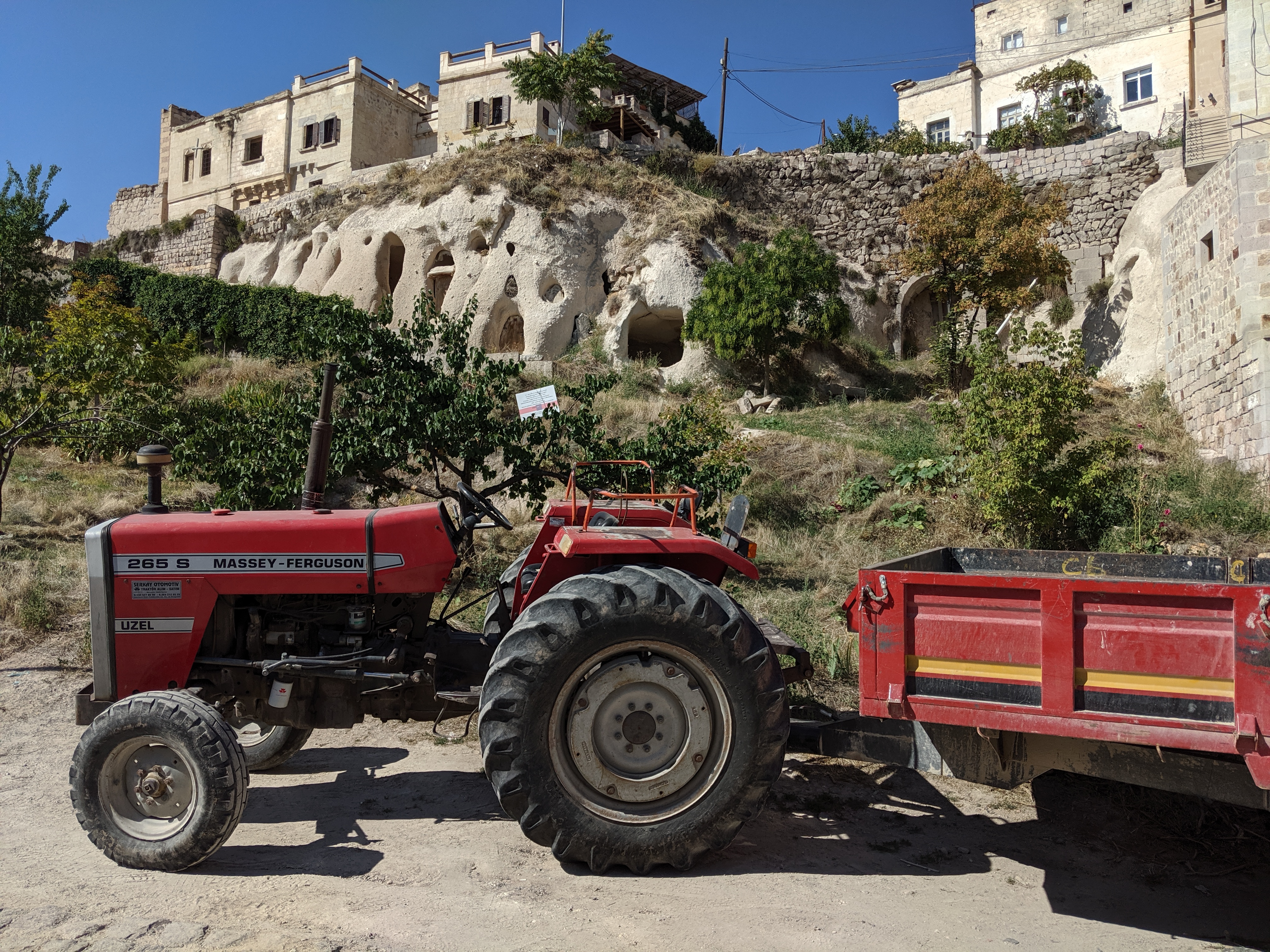
    Tractors and other working vehicles traverse the narrow roads too. If you’re driving, be prepared to reverse uphill a long way if you encounter a vehicle coming in the opposite direction to yourself!

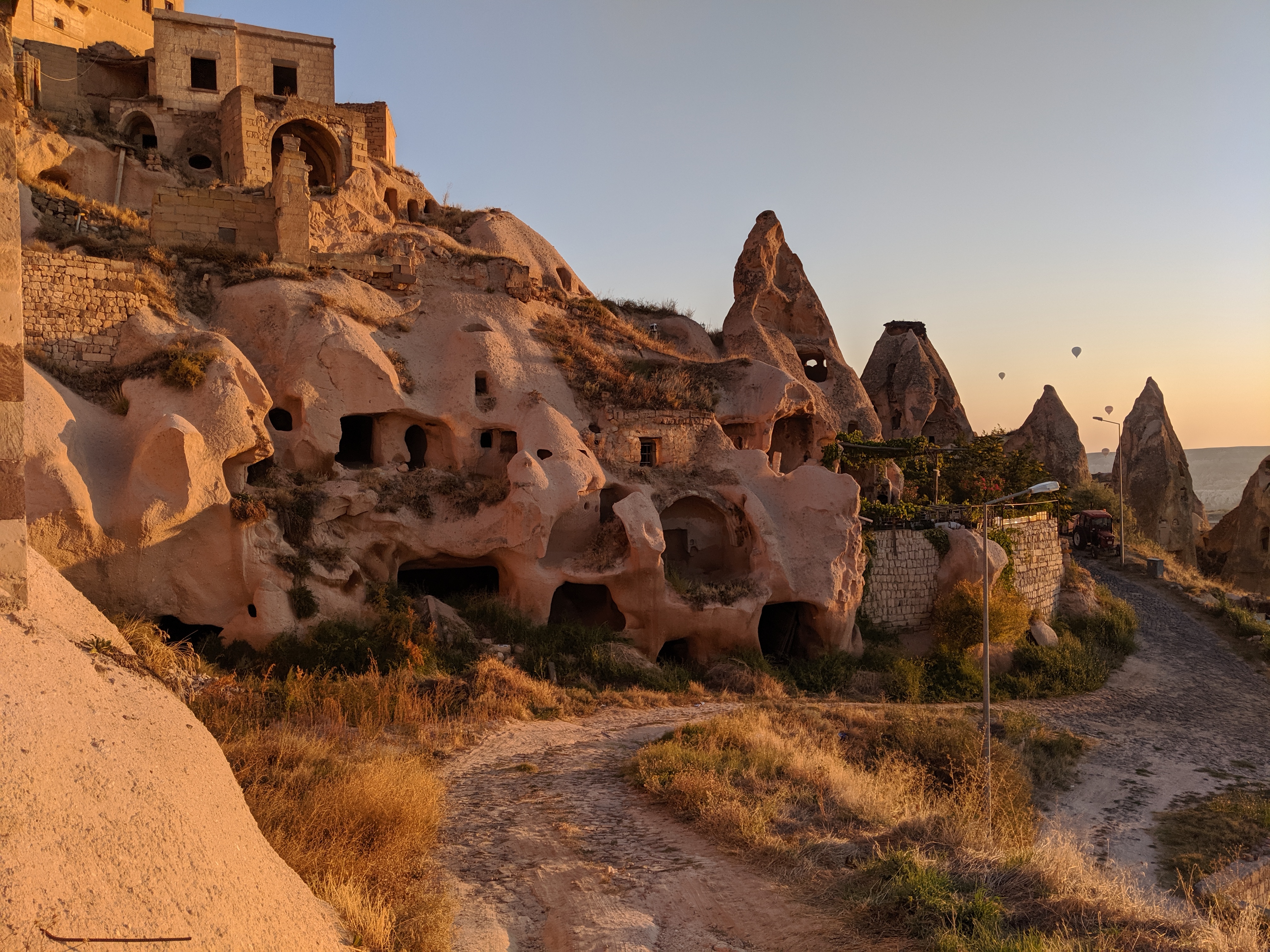
    Fairy chimneys and cave dwellings cluster at one end of Pigeon Valley below Uçhisar, with hot air balloons rising in the early morning sky:

    The strange pointy hills are knows as fairy chimneys. They’re formed from a type of volcanic rock called tuff. A long, long time ago, before even this worm was in the world, volcanic eruptions spewed up ash that formed a thick layer on the surface of the earth. The ash compacted and hardened into tuff. Thousands of years of wind and water wore away the less durable material.

    So, the pointy hills are made of tuff’s toughest stuff.

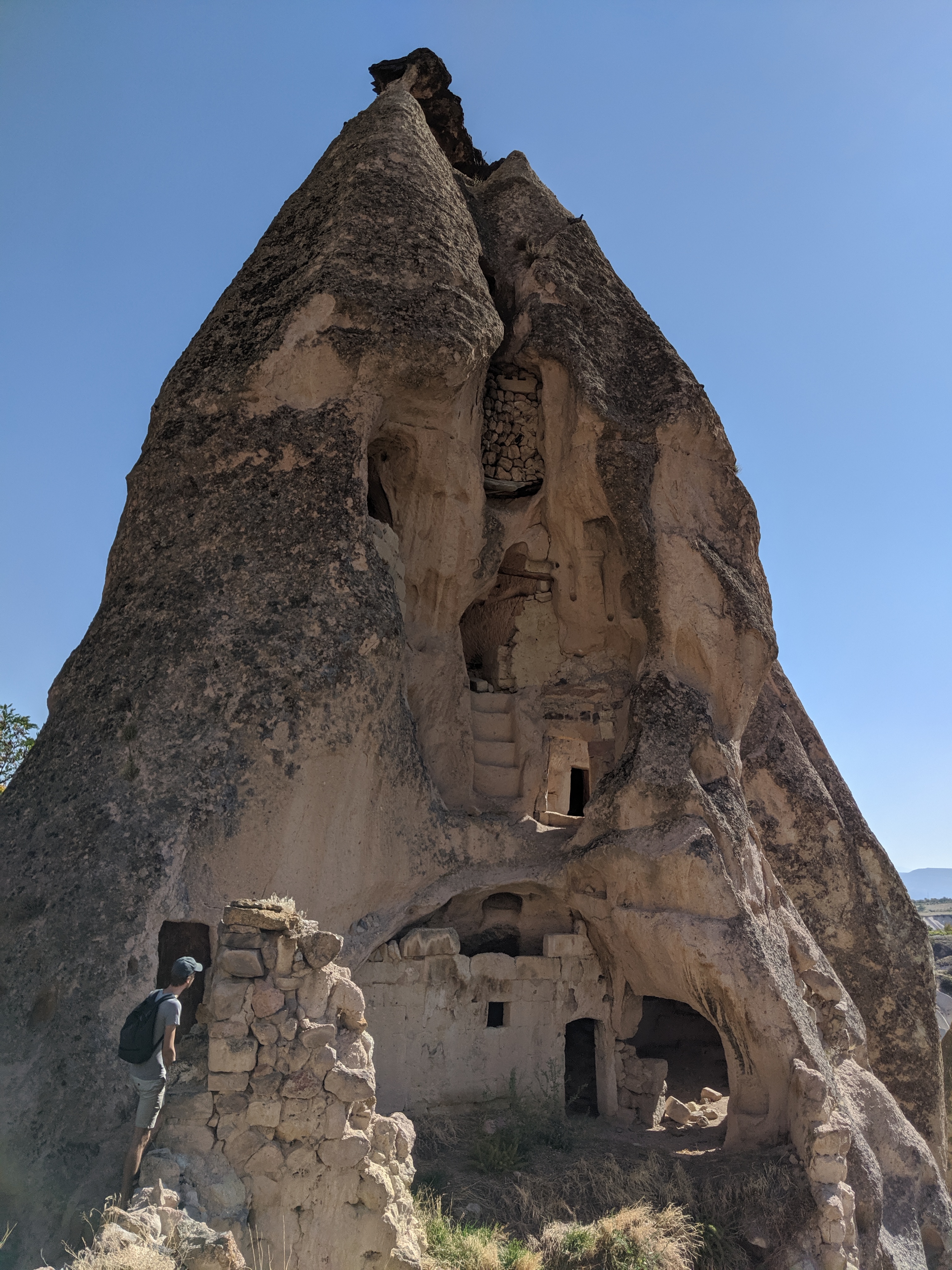
    The next shot shows a closeup view of the tallest of the fairy chimneys in this area. The fairy chimneys were hollowed out to create tombs during the Roman period, any time from the third century BC to the early AD centuries:

    Cave dwellings abound in the area. Some were built in the Roman period (third to fourth centuries AD) by Christians who came to the area to flee the Romans, and found that digging into the soft rock was an easy and convenient way to build solid, cool homes. People have been excavating homes in the rock for centuries, so it’s hard to know how old a specific cave is.

    Some of the cave dwellings are easily accessible, in that they’re at ground level and unsupervised. It’s a bit of a scramble over rough terrain to get to them, and the grass hides unexpected deep holes and caverns, so be careful. Here’s a view inside a cave dwelling:

    It’s surprisingly roomy and sophisticated in there. Another room in the same dwelling:

    People also carve out pigeon houses in the tuff, and have been doing so for thousands of years. Farmers use the pigeons as a source of fertilizer as well as food:

    To finish, enjoy a cheery shot of the flaming clay pots in which a beef dish is served at Muhterif restaurant in Uçhisar:

    That’s all for today, folks.

  • Magnetic Island in North Queensland

    This is the blog of Mark Wordsworm, the travelling worm. I’m a 36-year-old bookmark (give or take a few years) and I proudly boast my own Hallmark serial number, 95 HBM 80-1. You’ll probably want to read all about me and my Travelling Companion (the TC).

    Today’s travel notes

    Today’s a red letter day, for no other reason than that I’ve decided to update my age after checking the date of my first post on this blog, My very first post was on 25 April 2008, titled The red centre. At that time, I judged myself to be 25 years old. Today, just over 11 years later, it seems like a good time for an update. I’m 36 years old, give or take a few years. Happy new age to me.

    But now, on to the topic of my latest travel adventures. Me and the TC spent last weekend on Magnetic Island, a tropical island in North Queensland.
    The book I’m in

    The Wrath of Angels, by John Connolly. A fast-paced mix of murder, mystery, and fallen angels, featuring private detective Charlie Parker.

    Recommended accommodation

    Island Leisure Resort, 6 Kelly Street, Nelly Bay. The rooms are spacious, comfortable and clean, and the staff are friendly. There’s a swimming pool and a tennis court, and a games room with table tennis and pool tables. Accompanied by great hilarity, the TC rediscovered her mediocrity at both of the last-mentioned.

    The photos

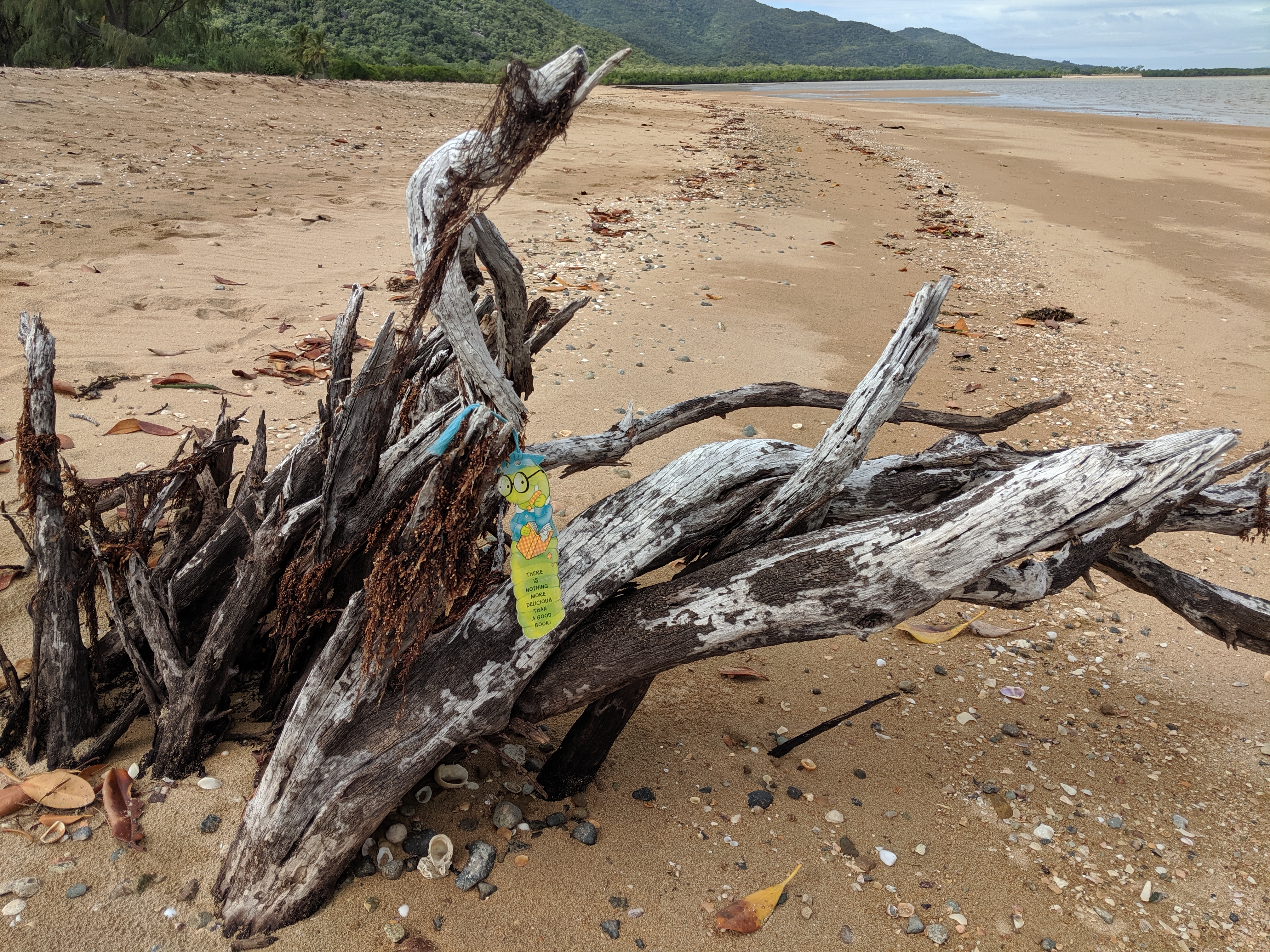
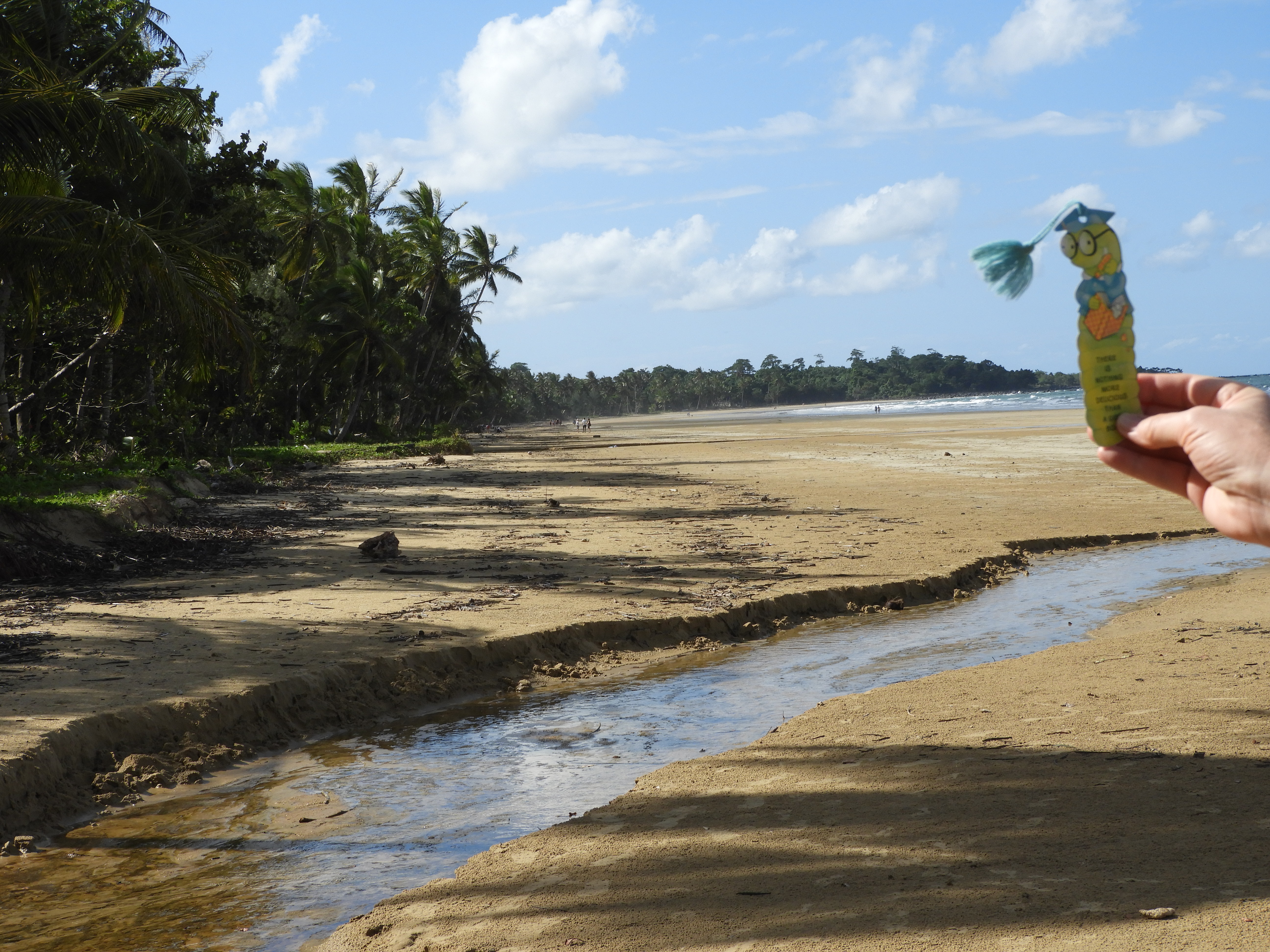
    Me and an art piece created by sea and wind, on a beach at the north-west end of Magnetic Island:

    The vegetation on the island was lush and green, at least in comparison to many parts of Australia. This photo shows the same beach at the quiet north-western end of the island:

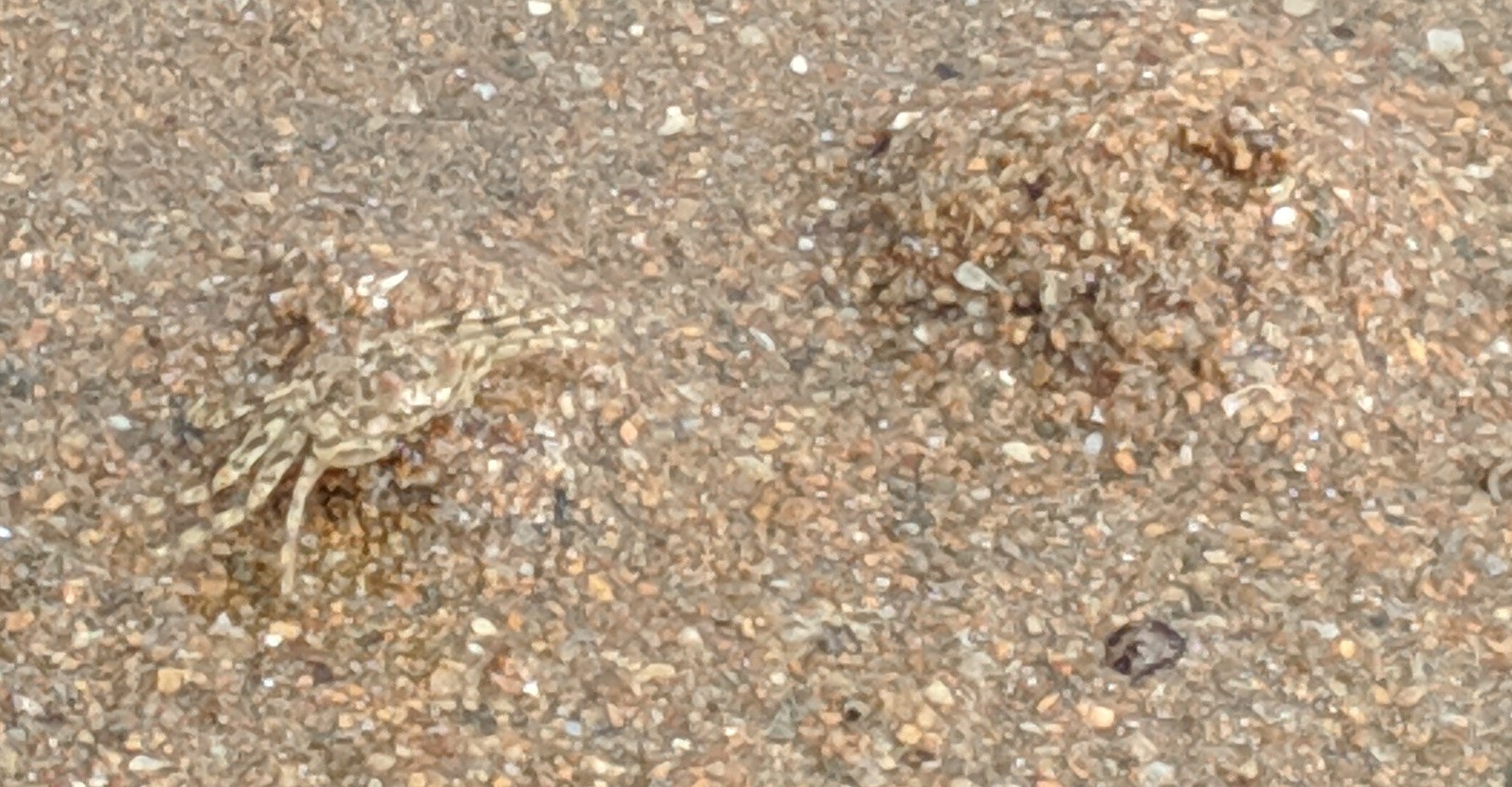
    Denizens of the beach included super-fast, nigh-invisible crabs. In the following picture, the crab is on the left. At top right is a mound with a hole in it, probably the entrance to a crab palace:

    Jonathan was there too. The presence of Jonathan and his mates constitutes good cause for the crab’s camouflage and speed:

    The drive to the beach takes you along a dirt road, crossed by gullies and fords, surrounded by dense Australian bush. A four-wheel drive is useful. Here I am, your dauntless travel guide, surveying a pretty scene along the route:

    Mangroves decorated a creek that crossed the road, where we spotted some pretty fish and crabs (not in the photo):

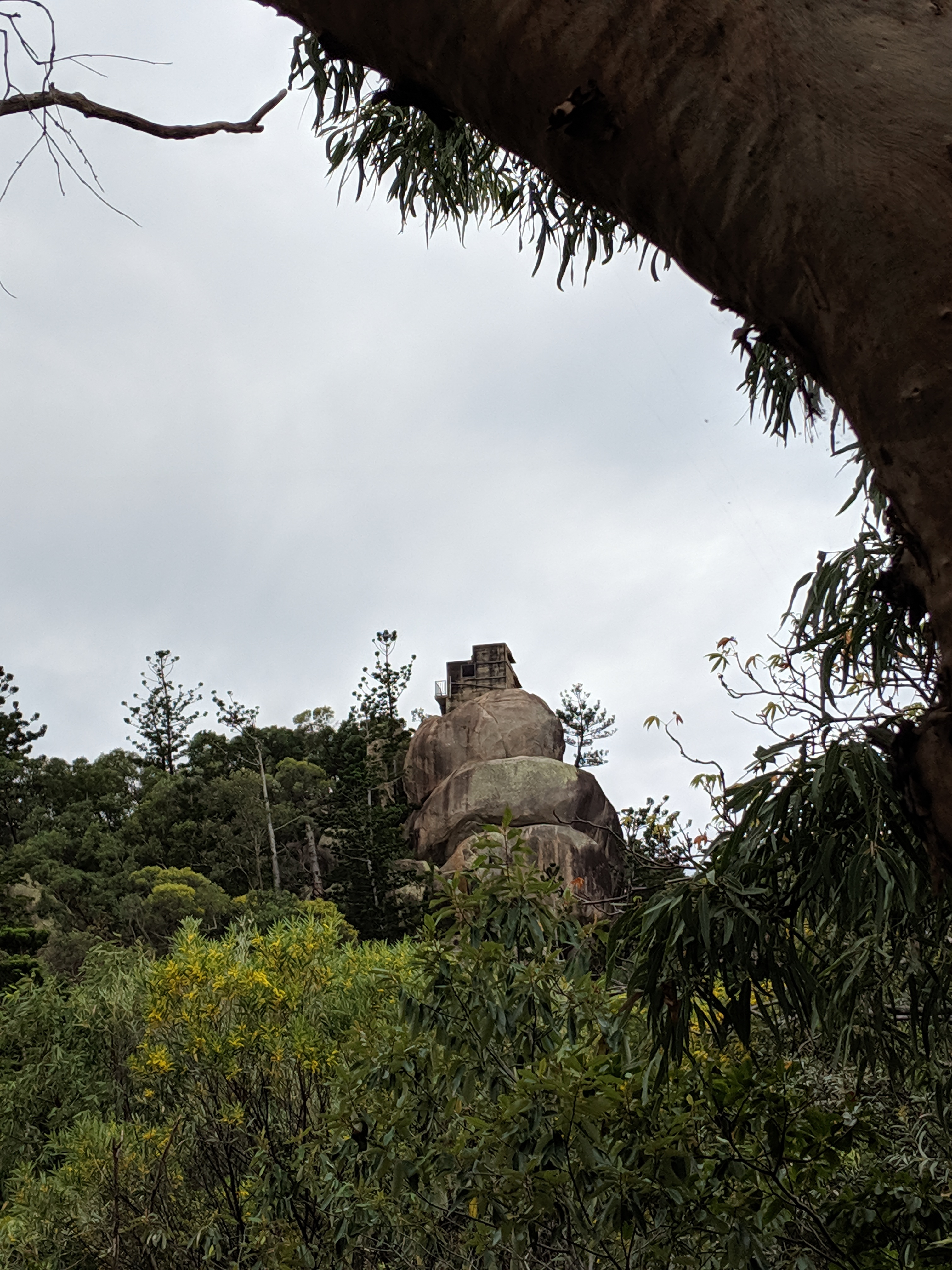
    On the other side of the island, to the north east, a World War II fort and its out houses are valiantly fighting off the encroaching bush. Click this image to zoom in:

    To get to the fort, the TC followed a winding bush track. The path is about four kilometres for the round trip, and takes about two hours. I stayed comfortably in my book in her bag, ready to hop out for each view and photo opportunity.

    Here’s the fort’s lookout building seen from another angle as we approached the fort complex:

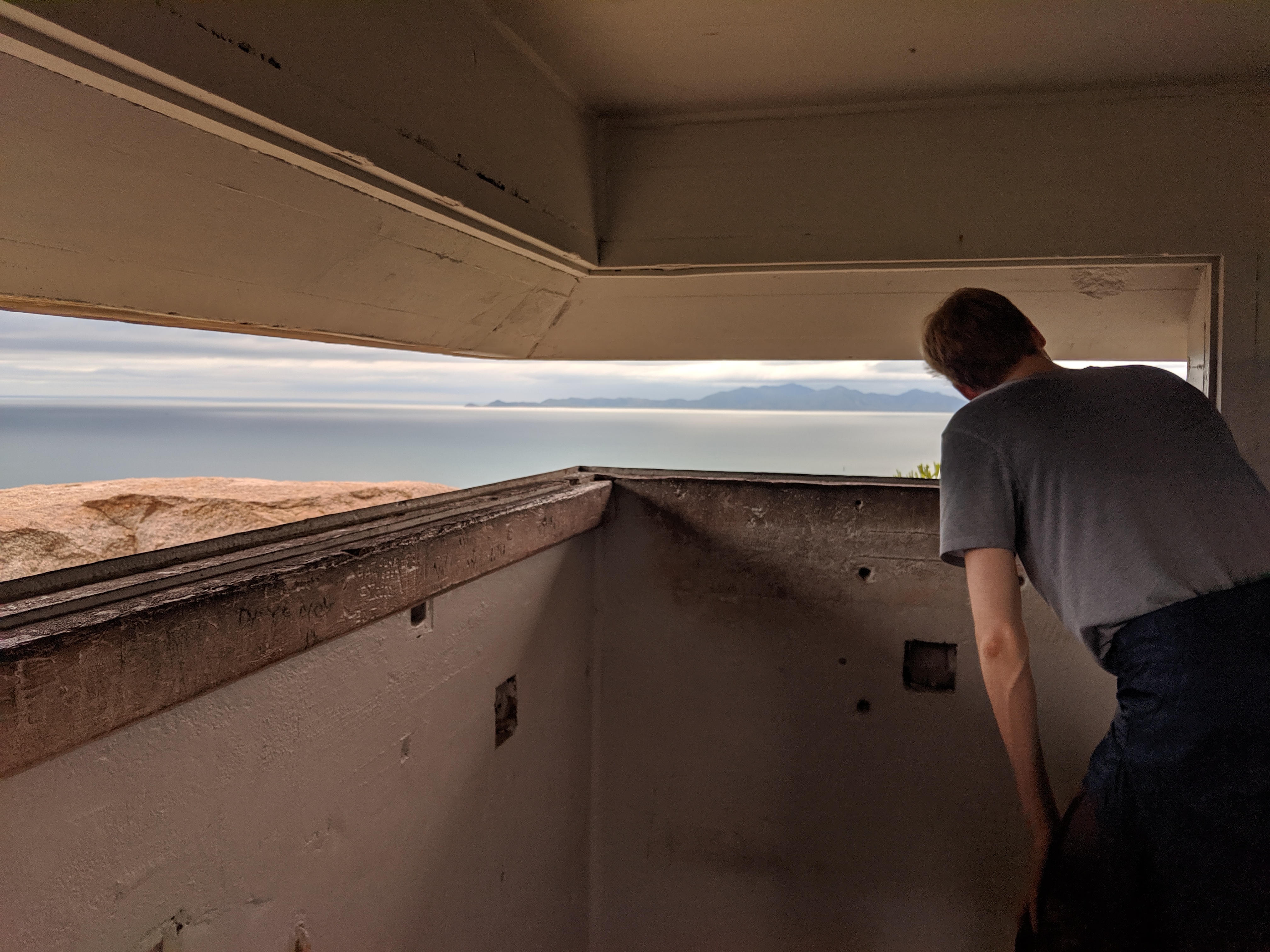
    To get to the lookout, we climbed a series of stone steps and metal ladders. The TC did a good job, even hopping up onto the final platform inside the top room to see the view through the plane/ship-spotters slot in the wall. This shot shows an equally bold fellow traveller gazing out through the slot:

    The views from the walk up to the fort had the TC ooh-ing and aah-ing:

    Arthur Bay looks enticing from above. We didn’t get the opportunity to visit it on this trip:

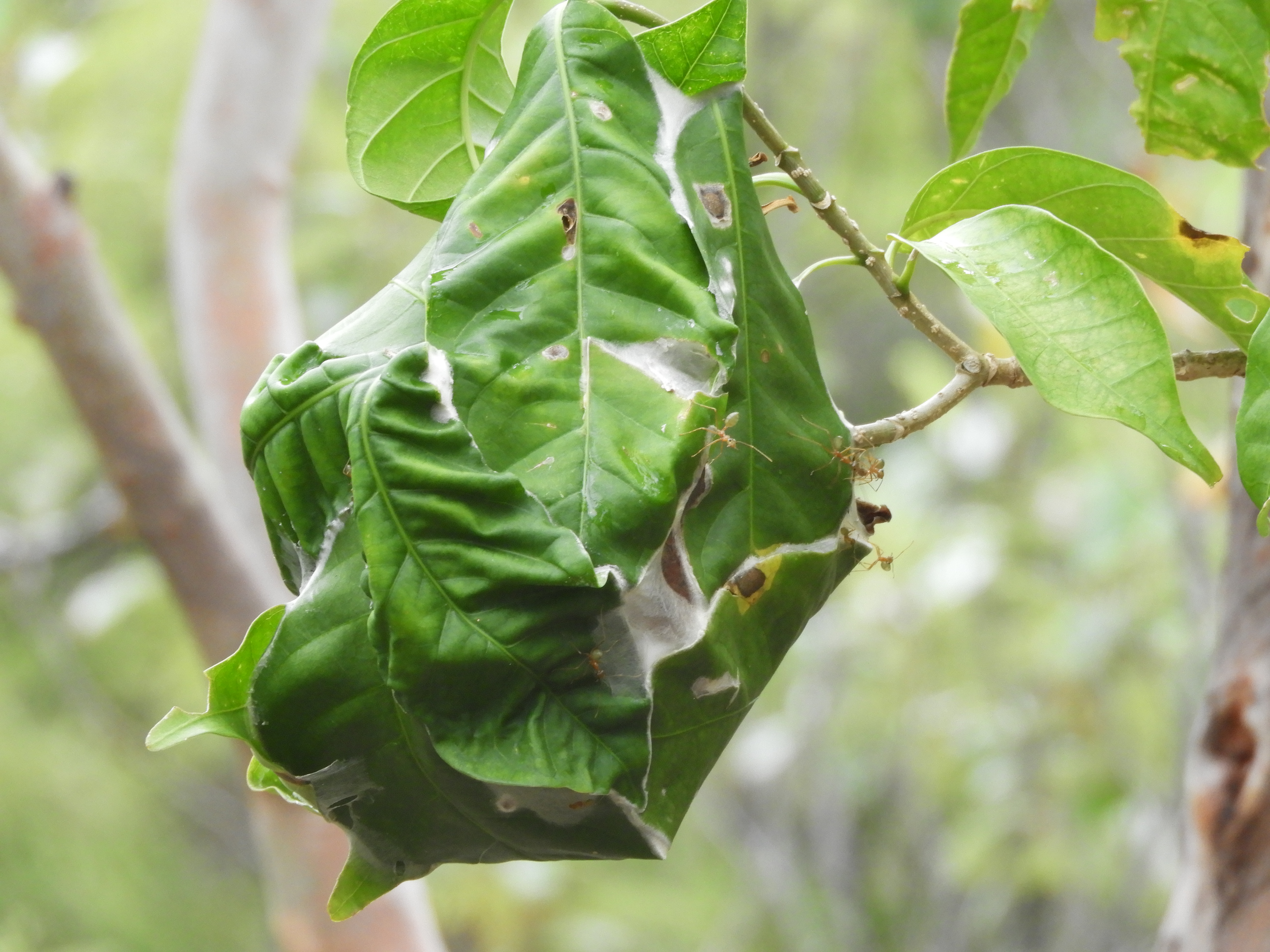
    This worm was intrigued to note possible signs of activity by fellow worms. On various parts of Magnetic Island, including the fort walk, we saw bunches of leaves glued together with web:

    Could this be the work of a caterpillar like that of the fall webworm or tent caterpillar, which create nests of silk? Looking closer, we noticed ants on the leaf bunches. I’ve since done some research and discovered that these are green tree ants, a type of weaver ant. The adult ants gather in large numbers and pull the leaves together. Then they bring an ant larva, which produces the web to hold the leaves in place:

    Below is a slightly fuzzy zoomed-in section of the photo, where you can see a few of the ants:

    The TC was curious and leaned in close to examine one of the leaf bunches, as did her two companions. Seconds later, they noticed lines of ants moving down the tree trunk and up their legs. They all jumped away and started stamping their feet in an effort to dislodge the ants. This curious but typical reaction is known by locals as the green ant dance. Poor TC, she does have a knack for getting herself into a pickle.

    The guide books promised that we’d see wild koala on the walk up to the fort, and we did. It was as if someone put a cuddly toy up in a tree:

    Mostly these wise creatures sleep all day, but this one needed to shift position:

    Also interesting, though perhaps not as cuddly, was this deep red mushroom on the side of the walking track:

    Another aspect of Magnetic Island that had the TC ooh-ing and aah-ing was the birdlife. For obvious reasons, this worm is not that fond of birds (Jonathan excepted). As a teaser for readers who’re keen on our feathered fiends, below is a clump of Rainbow Bee-eaters:

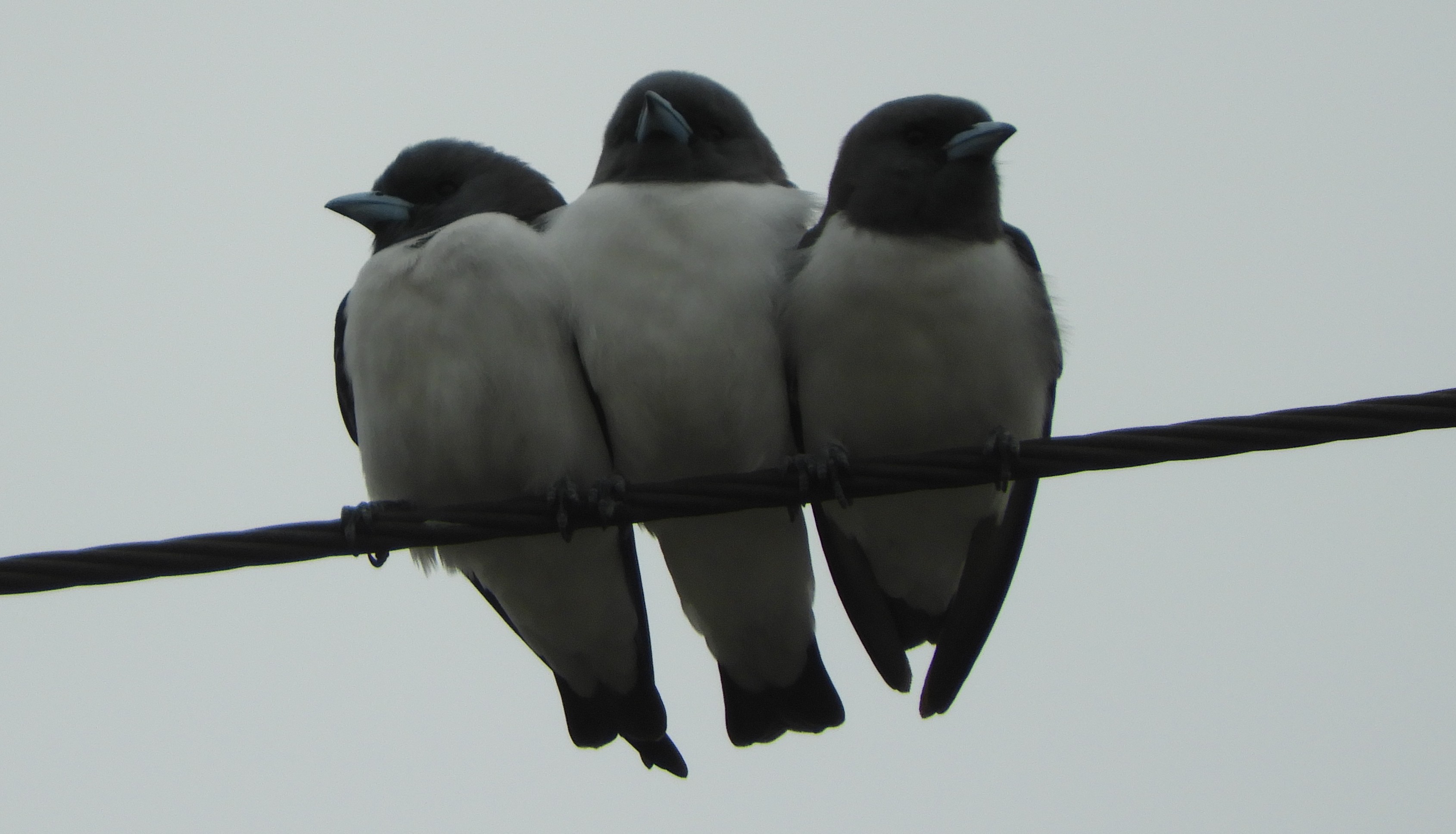
    They say trouble comes in threes. Here’s another bird clump, this time of Woodswallows:

    You can see more of the island’s bird life on the TC’s bird blog.

    That’s all for today, folks.