Travelling Worm

A bookworm's travelogue

Category: book review

  • Medieval festival in Zug, Switzerland

    This is the blog of Mark Wordsworm, the travelling worm. I’m a 36-year-old bookmark (give or take a few years) and I proudly boast my own Hallmark serial number, 95 HBM 80-1. You’ll probably want to read all about me and my Travelling Companion (the TC).

    Today’s travel notes

    Me and the TC are in Switzerland. Today we travelled by train from Zurich to the small town of Zug, to see the annual medieval festival hosted by the town: the Mittelalterfest Zug.

    Here’s a nicety for people who’re intrigued by words, as is the TC: We travelled to Zug by Zug. How so? The town is called Zug. In German, a train is a Zug (including the initial capital letter, as in German all nouns are capitalised.) So, to Zug by Zug!

    The book I’m in

    Death’s End, by Cixin Liu, translated by Ken Liu. In the TC’s words (yours truly is by nature less effusive), this is a most amazing book. It’s part of the “three-body problem” series. Science fiction done right. Get a copy and read it!

    Travel tips

    Travelling by rail is pleasant, but figuring out how to buy the train tickets is complex. Give yourself plenty of time the first time you do it. Buying tickets from the vending machines at the station is the simplest option. The mobile app and website are overly complex.

    The photos

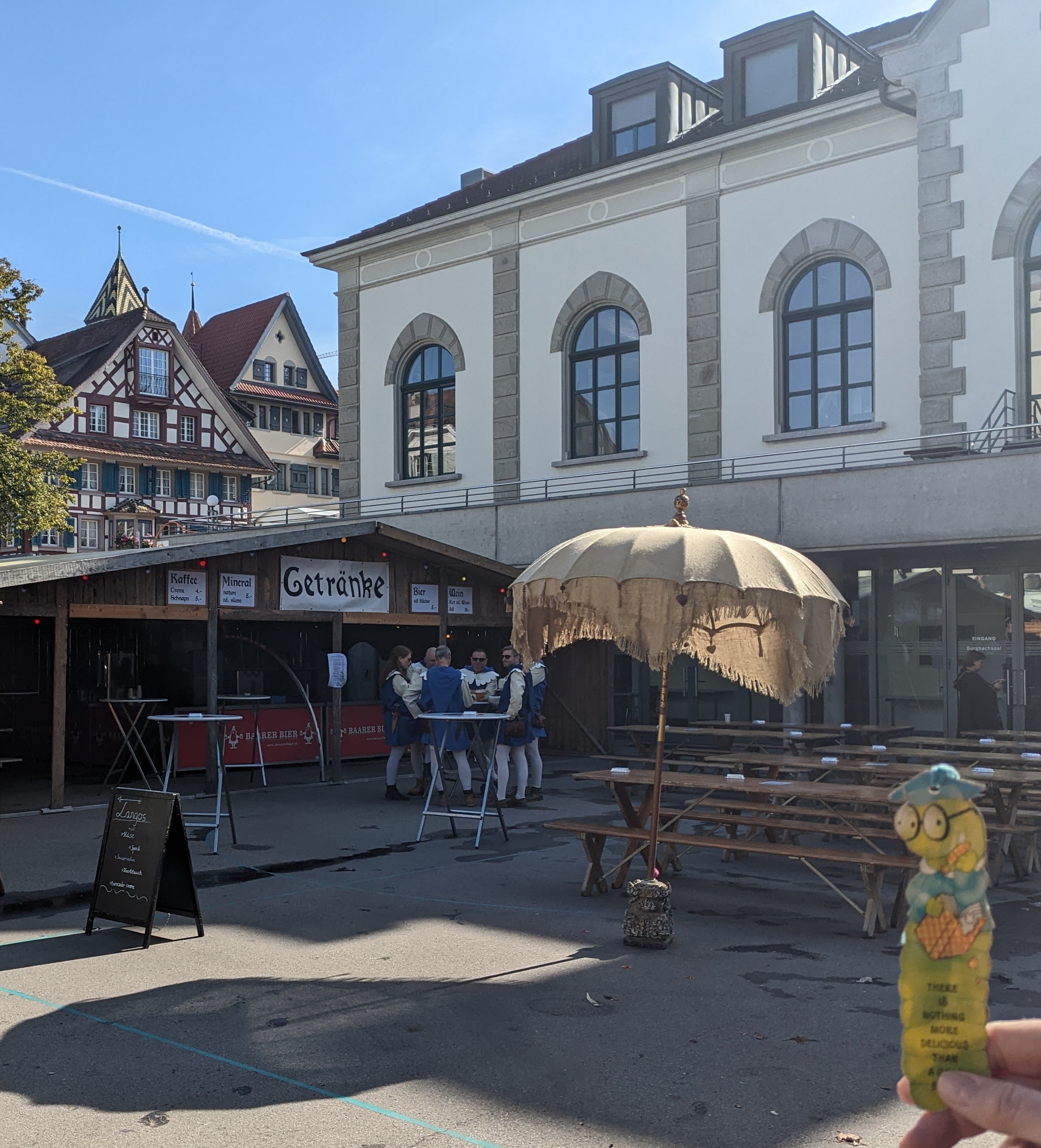
    Me in the refreshments area of the festival, contemplating the possibility of ale and vittles:
    As we wandered around the village, we came across people transacting their medieval business, seemingly unaware that they were in a time capsule that had been projected into the 21st century. These men were testing swords before an upcoming match:

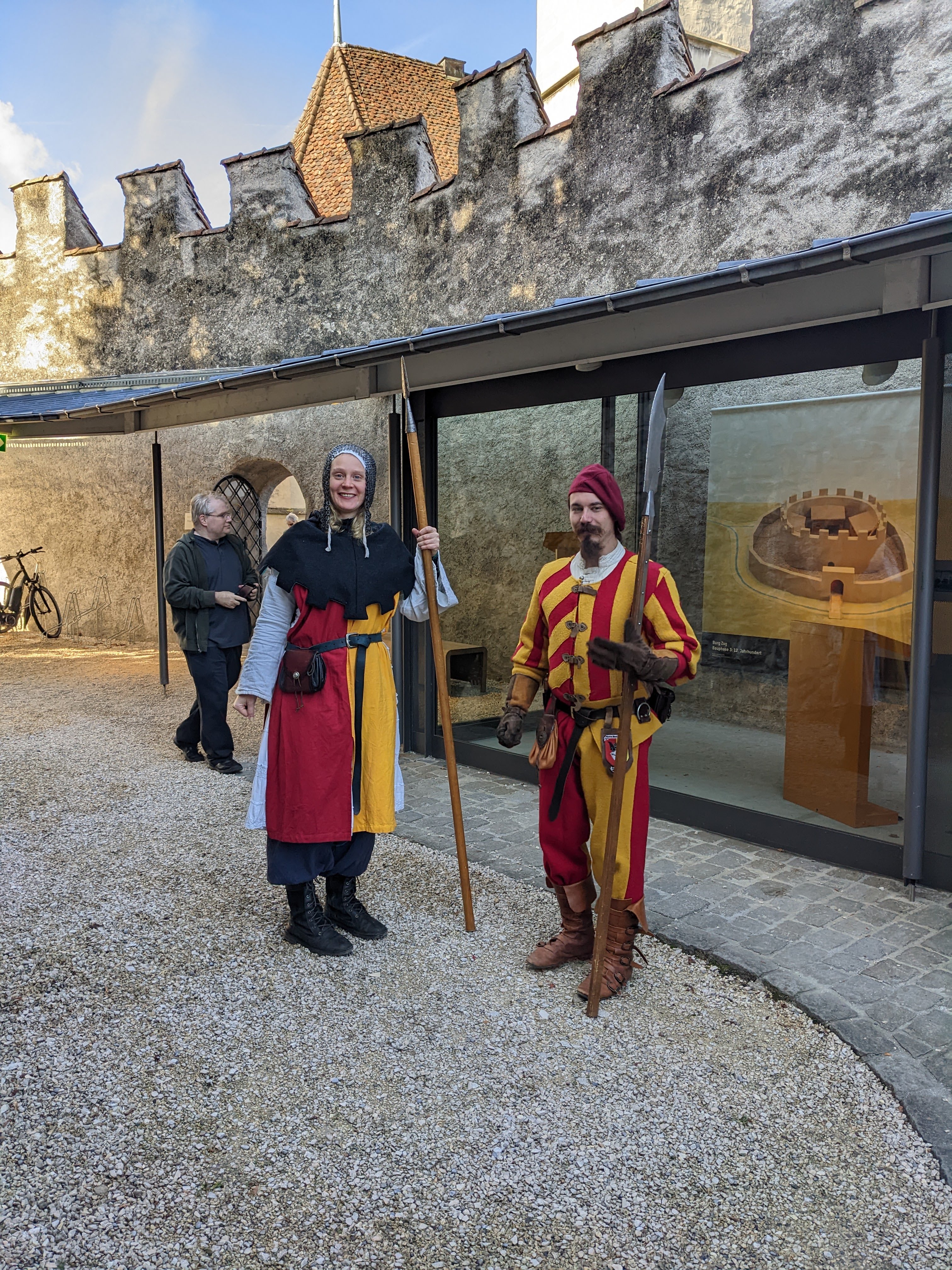
    Some of the village folk were guards, fearsome in their protection of the gateways. It was not uncommon to hear the command, “Halt”, roared out loud to stop the crowds from getting in the way when a photo was in order. This much to the amusement of said crowd, which tittered and took more photos of said fearsome guards.

    Another fearsome guard photo opp:
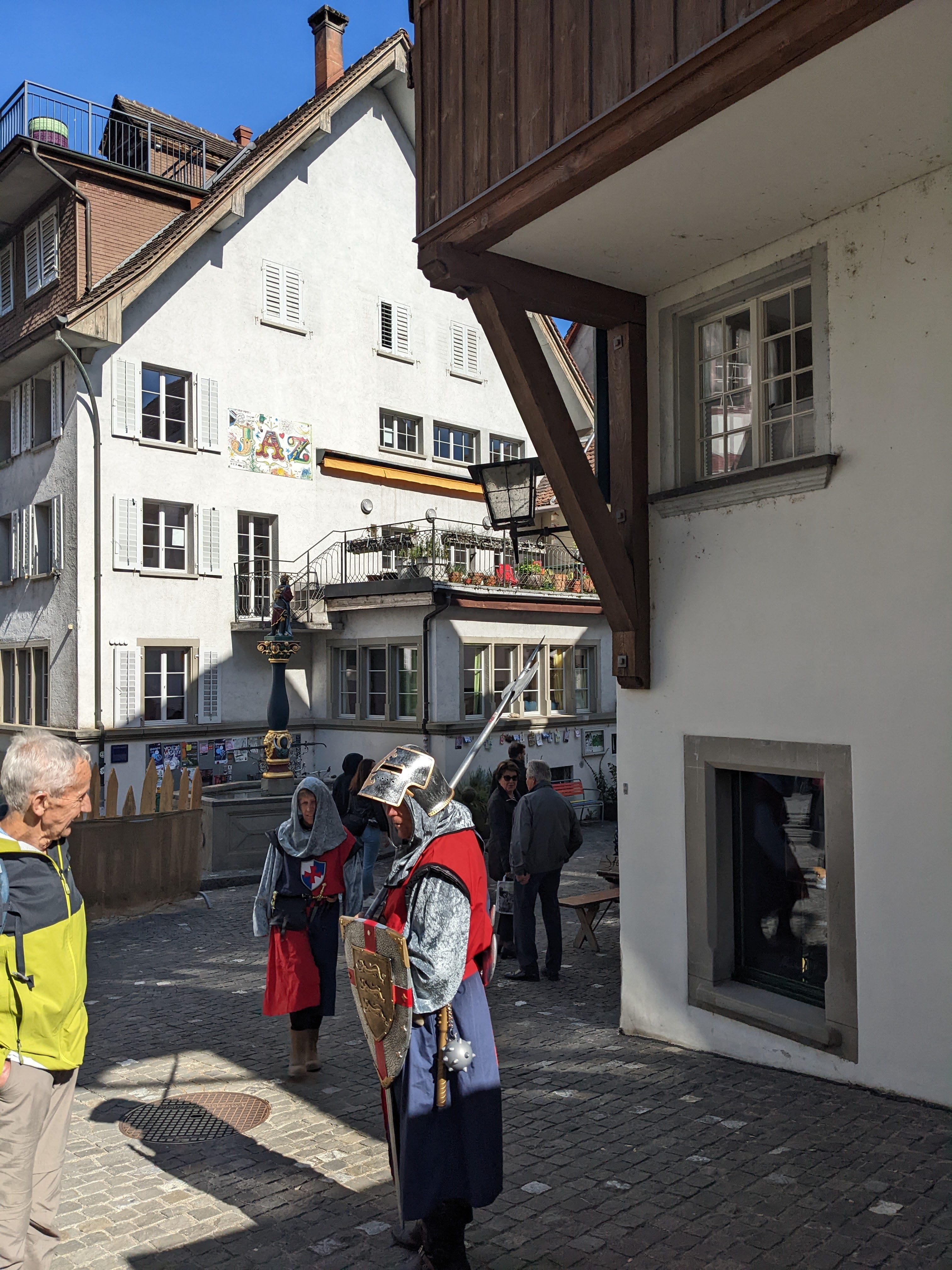
    Knights in armour shone in splendour under the autumn sun:
    Bands and bards roamed the lanes. It was interesting to see a band member playing the bagpipes. I’d thought these were a Celtic tradition, but evidently Switzerland did have bagpipes in the middle ages, called the Schweizer Sackpfeife. Here’s a short video of the Schellmerÿ band playing at the festival:

    A bard enchanting the crowd:

    A beggar sat quietly in the shade:
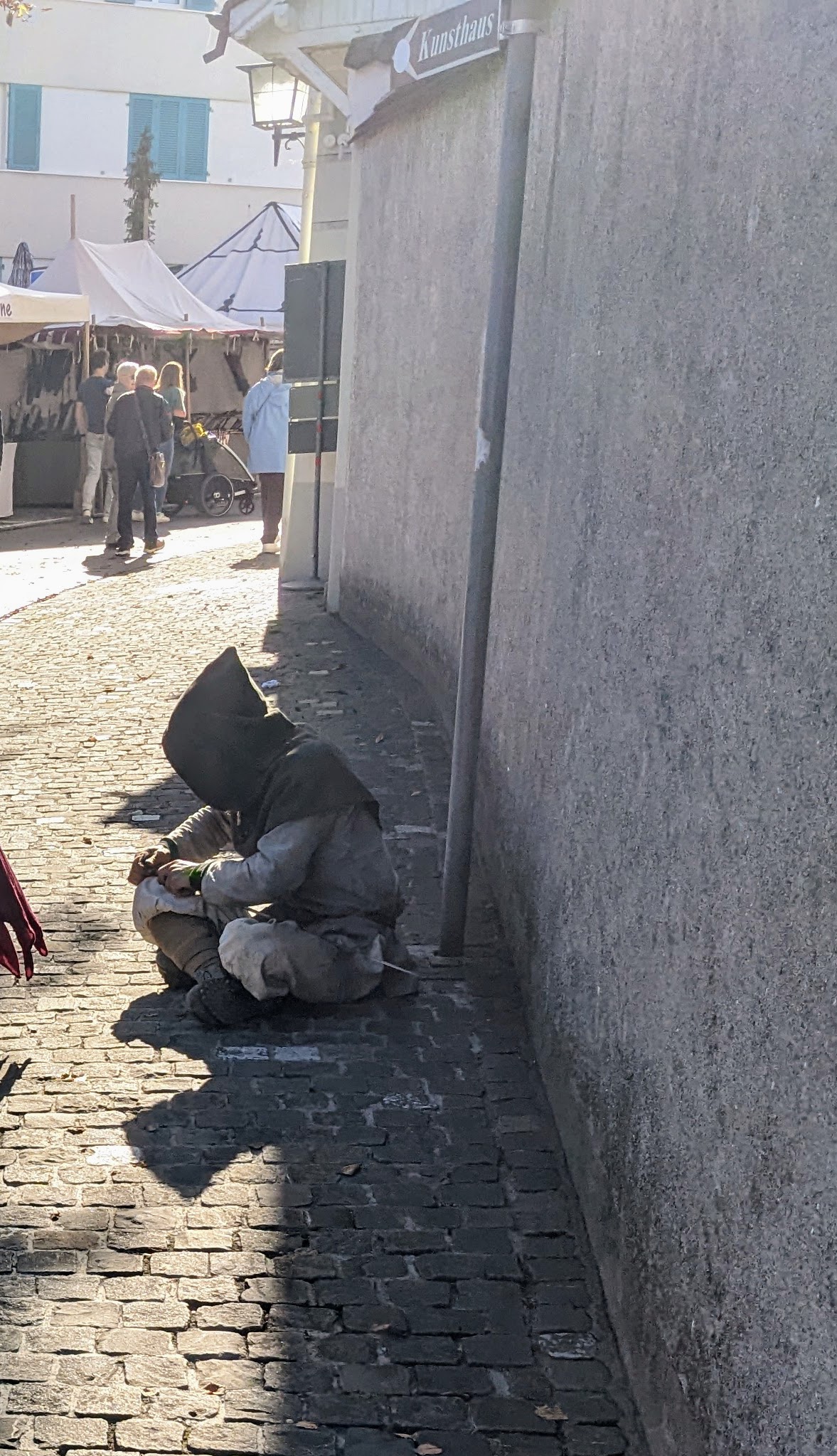
    A dark witch floated above the road surface, eerily tall and smooth of gait. Aided by a segway under his robes:

    The town of Zug has some gorgeous buildings:

    Here’s another, forming one side of a village square:

    From the sublime to the ridiculous, a nose protrudes from a building on the same square:

    Taking a stroll down the hill, we came across the Zugersee:
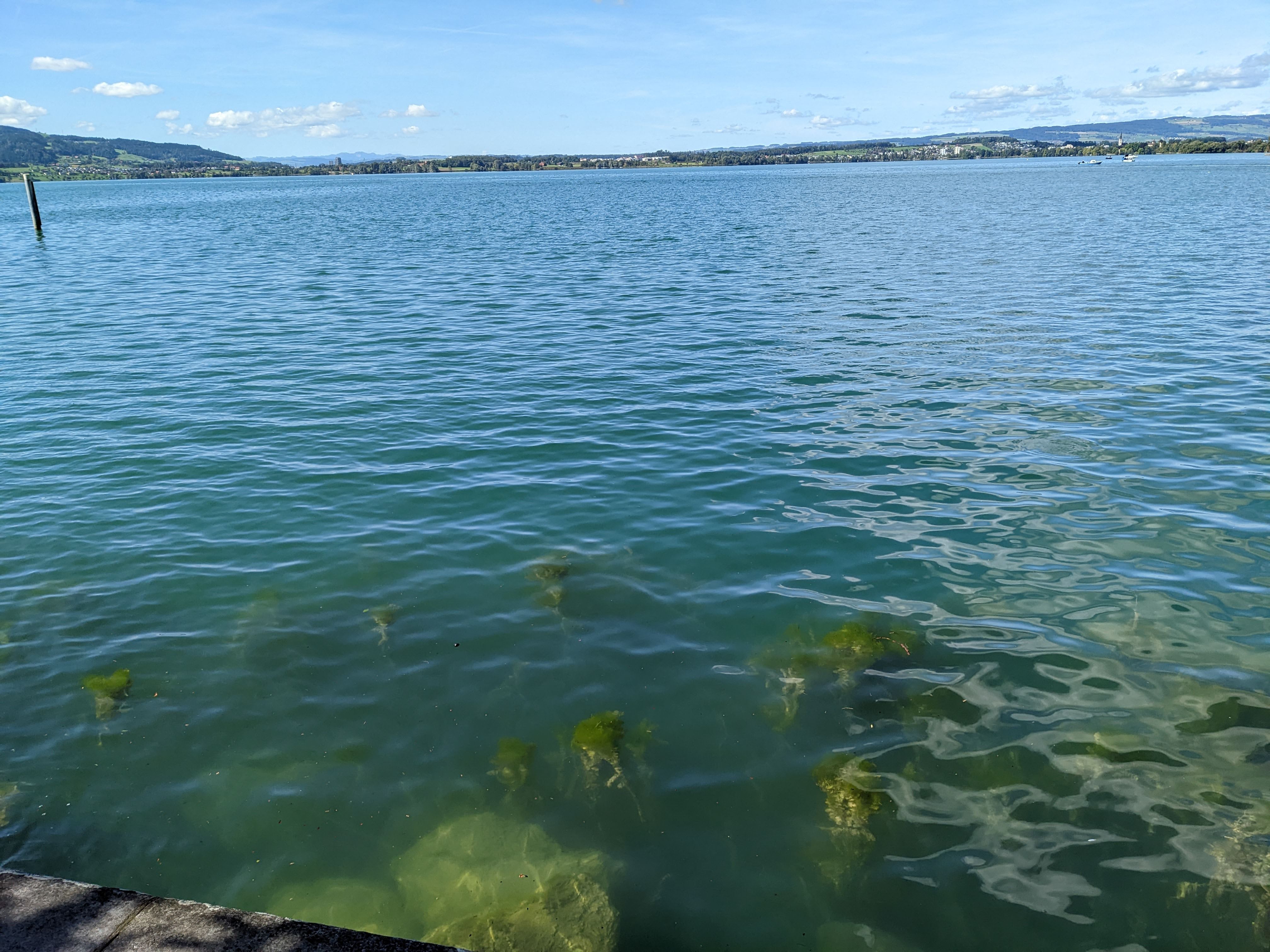
    The TC, bless her cotton socks, was fascinated by the plants growing in the lake, twisting and twirling into SciFi shapes, then pushing little flowers up towards the light. “Like underwater daisies”, she exclaimed:

    That’s all for today, folks.


  • Kurri Kurri Kookaburra and murals

    This is the blog of Mark Wordsworm, the travelling worm. I’m a 36-year-old bookmark (give or take a few years) and I proudly boast my own Hallmark serial number, 95 HBM 80-1. You’ll probably want to read all about me and my Travelling Companion (the TC).

    Today’s travel notes

    A couple of weeks ago, this worm visited the little town of Kurri Kurri. It’s an intriguing place, springing from a history of coal mining and now re-imagining itself as an artists haven.

    If you’re anything like the TC, bless her cotton socks, you’ll be asking, “Why two words?” Why is the town not called just “Kurri”? Towns and cities in Australia often have names that repeat the same word twice. The pattern comes from the Aboriginal languages that repeat a word to emphasize or strengthen the meaning of the word. In the local Minyung language, “kurri-kurri” means “the beginning” or “the first”.

    The book I’m in

    The Ones We Choose, by Julie Clark. A tale of genetics, romance, and tangled lives. Highly recommended.

    The photos

    Me with the Kurri Kurri Kookaburra:

    This Kookaburra is huge. If it were alive, I’d be taking shelter rather than posing in full view of that eye and that beak. Instead, I was happy to let the bird photo bomb me, as it’s a sculpture.

    In fact, this bird is a little like myself in that the representation is more magnificent than the original form.

    Here’s another view of the Kurri Kurri Kookaburra. The artist is one Chris Fussell. The sculpture was erected in 2009:

    Not far away from the big bird is the Kurri Kurri hotel, first opened in 1904. It’s a typical Australian hotel, in that its primary business is as a pub and restaurant, not accommodation. (The word “hotel” traps many a weary, unwary traveller just arrived in Oz.) It’s a lovely old building, with wrap-around verandas and frilly cast-iron railings:

    On a wall to the right of the hotel in the above picture is one of the murals that the town has recently become known for.

    More paintings liven up a utilitarian building in the town centre:

    The next mural fits right in with the business whose wall it adorns:

    If you look closely at the above mural (the one on the right), you’ll spot a Kookaburra on a pile of tyres. There are more than 60 murals in and around Kurri Kurri. Rumour has it that every mural includes a Kookaburra somewhere.

    Some of the wall decorations are of a bleaker nature, though still artistically and historically interesting:

    That’s all for today, folks.


  • Lost in Portland, Oregon

    This is the blog of Mark Wordsworm, the travelling worm. I’m a 25-year-old bookmark and can proudly boast my own Hallmark serial number, 95 HBM 80-1. You’ll probably want to read all about me and my Travelling Companion (the TC).

    Today’s travel notes

    Me and the TC are in Portland, Oregon. They told me it’d be summer. They said I wouldn’t be cold. They were mistaken.

    My impressions? Warm, friendly people. They smile as you pass them in the street. I feel they’d take care to avoid stepping on a humble worm.

    The book I’m in

    Rich Man’s War, by Elliott Kay. Military sci-fi as a genre has a strange appeal, especially when travelling. This worm puts it down to a camaraderie among people shoved into small spaces under stressful circumstances.

    Recommended accommodation

    Hotel deLuxe, 729 SW 15th Ave, Portland, OR. The rooms are furnished with care and talent, and the reception is friendly.

    The photos

    Me outside Portland Central Library:

    Worm at Portland Central Library

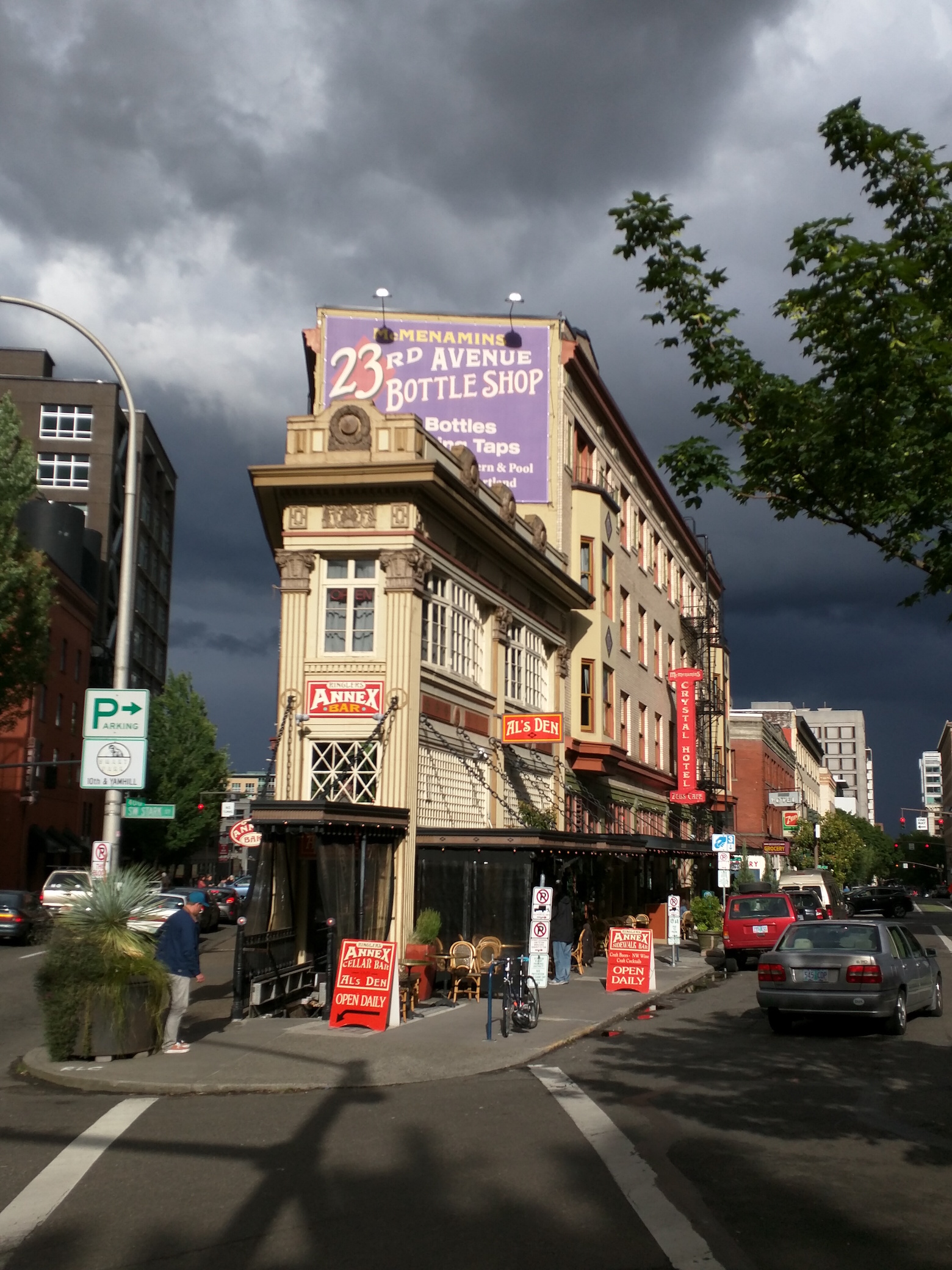
    Storm clouds loom over McMenamins Ringlers Annex, a tavern at the corner of SW Stark Street and W Burnside Street:

    McMenamins Ringlers Annex tavern, Portland

    The TC and I went for a stroll to explore the city. Our outing progressed in typical fashion. Before setting off, we checked the map and located downtown Portland. On a whim, we diverted to see the Pioneer area. So, we spent a few hours doing what the TC does best – getting lost!

    Here’s the Pioneer Courthouse in SW 5th Avenue, Portland:

    Portland Pioneer Courthouse

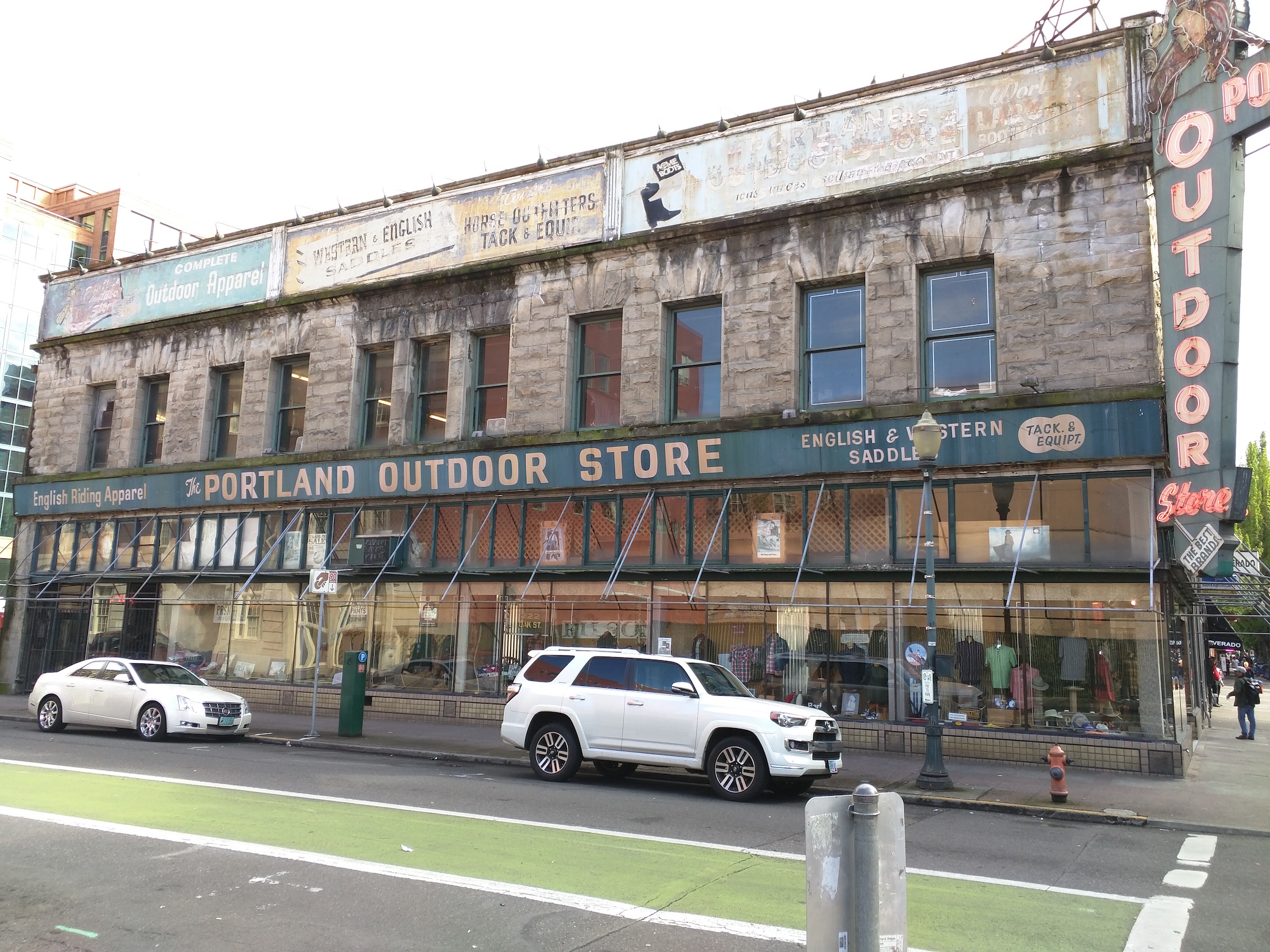
    For a different atmosphere, the Portland Outdoor Store in SW 3rd Ave:

    Portland Outdoor Store

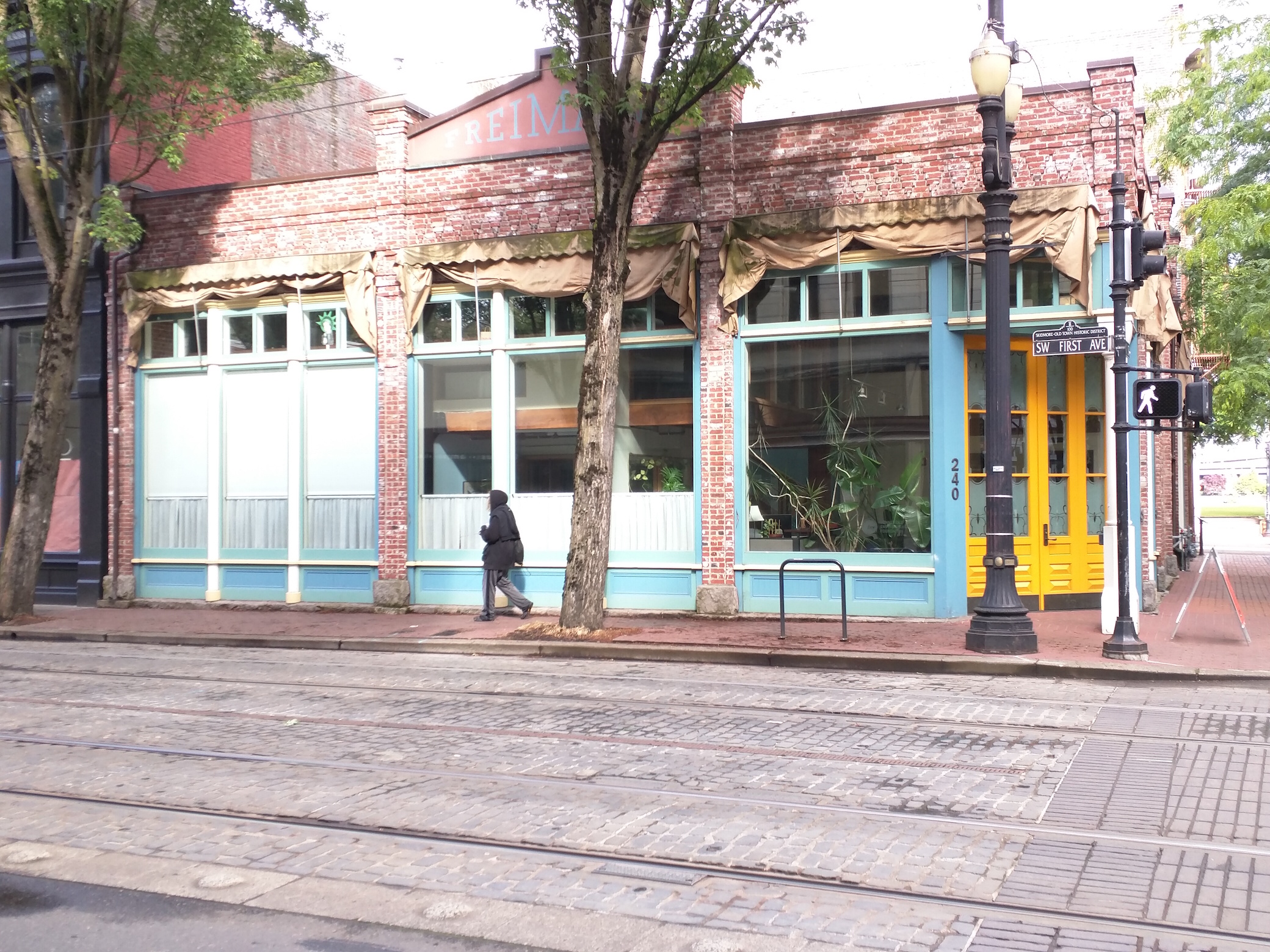
    With apologies for the bleached out appearance of the lighter areas (the TC says the lighting was difficult) here’s a colourful place in SW First Ave:

    SW First Ave Portland

    They have trams in Portland:

    A tram in Portland

    After our impromptu tour of the Pioneer area, the TC and I set off again confidently, continuing our quest for downtown. A few blocks later the TC checked the map, only to discover that we’d been heading in opposite direction. (May I say that this is not an uncommon occurrence when going for a stroll with the TC.) The Portland riverside was now nearby, so the TC decided that was where we wanted to be anyway.

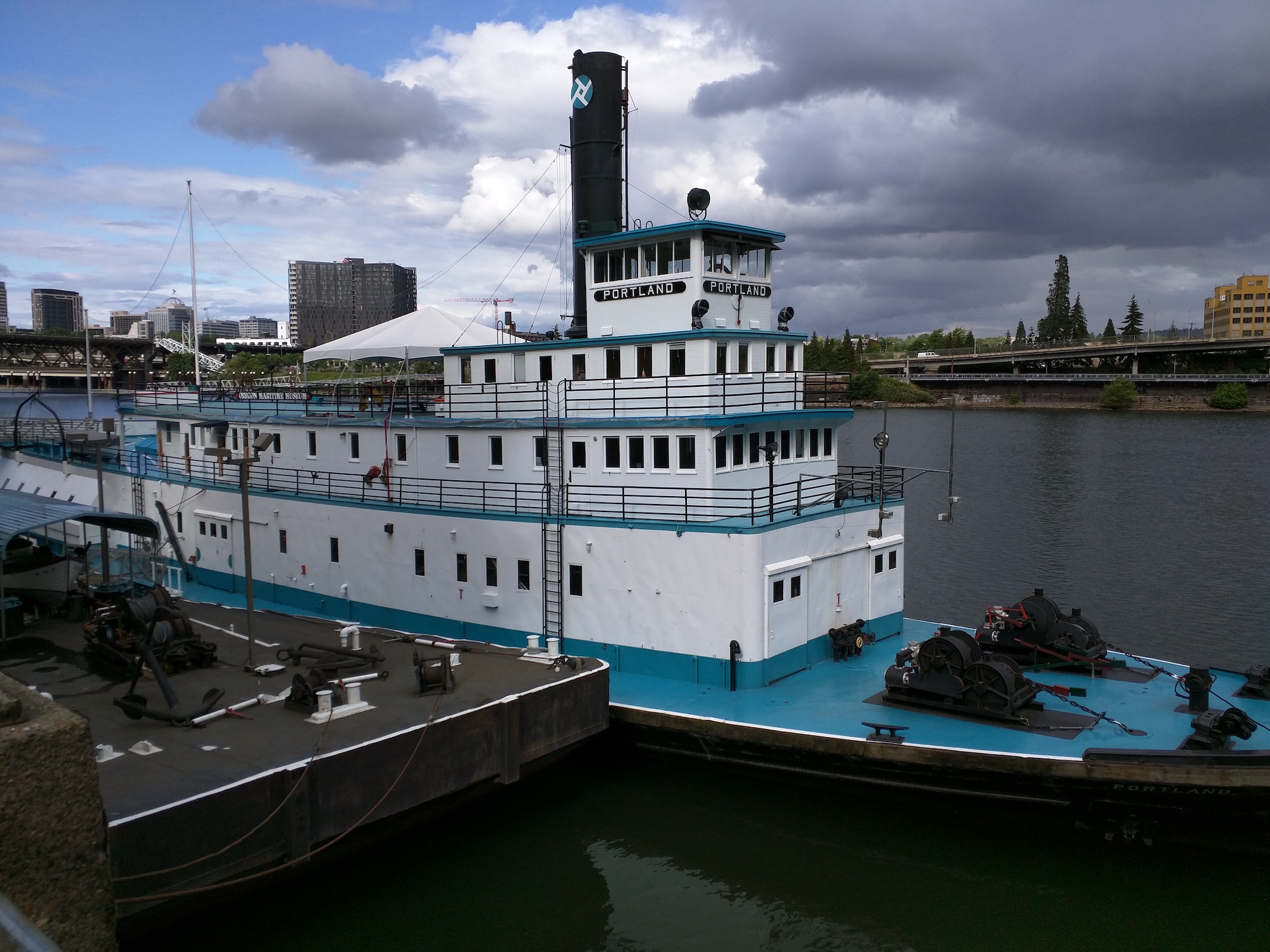
    The vintage tugboat Portland, moored off SW Naito Parkway:

    Historic tugboat Portland

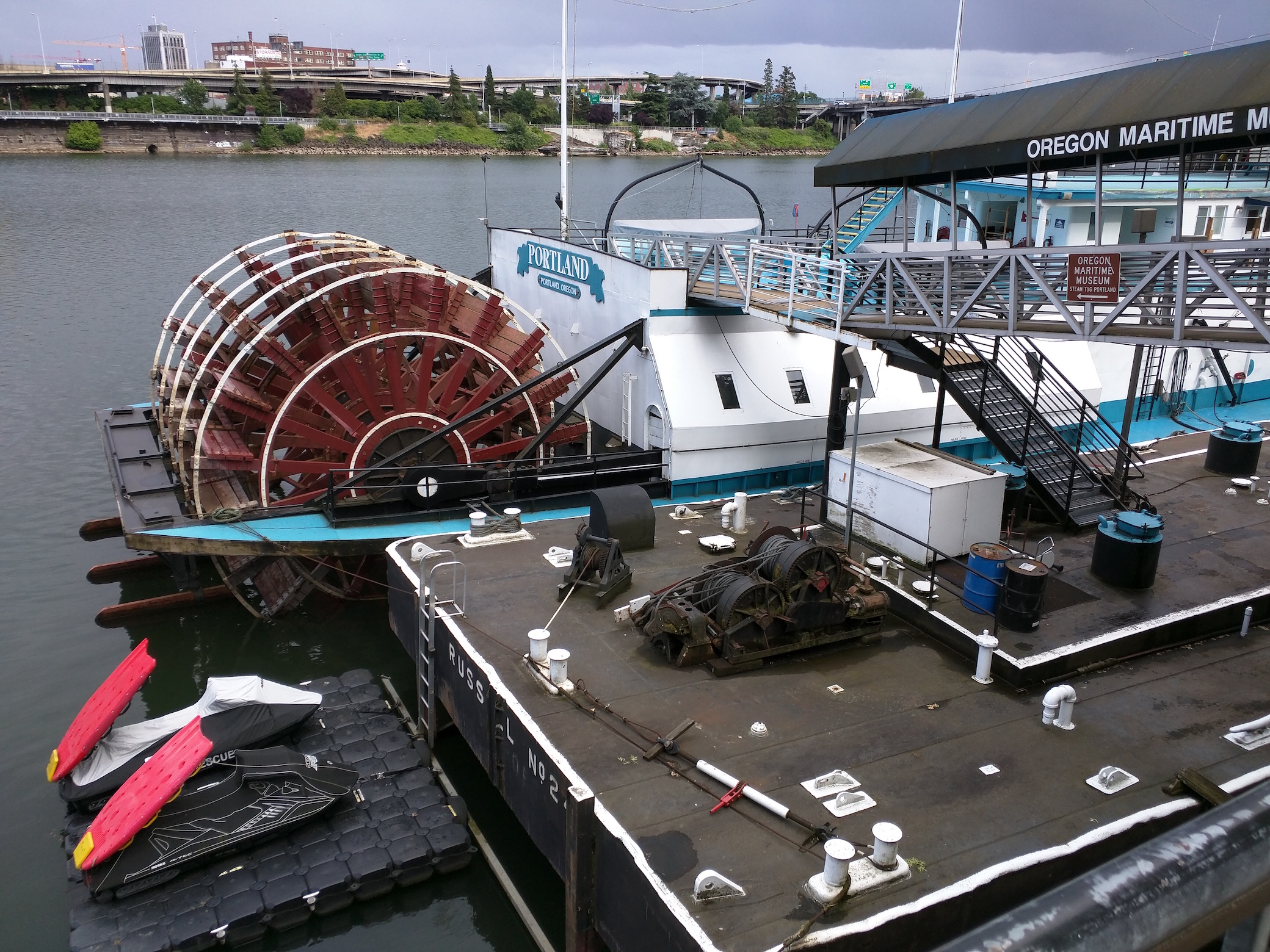
    The tug is a paddleboat, lovingly restored, which now houses an exhibition of the Oregon Maritime Museum:

    Paddle tugboat Portland

    Geese taking off in front of the E Burnside bridge:

    E Burnside bridge Portland

    The N Steel Bridge in Portland has a bare nuts-and-bolts feel that must surely appeal to engineers:

    N Steel Bridge Portland

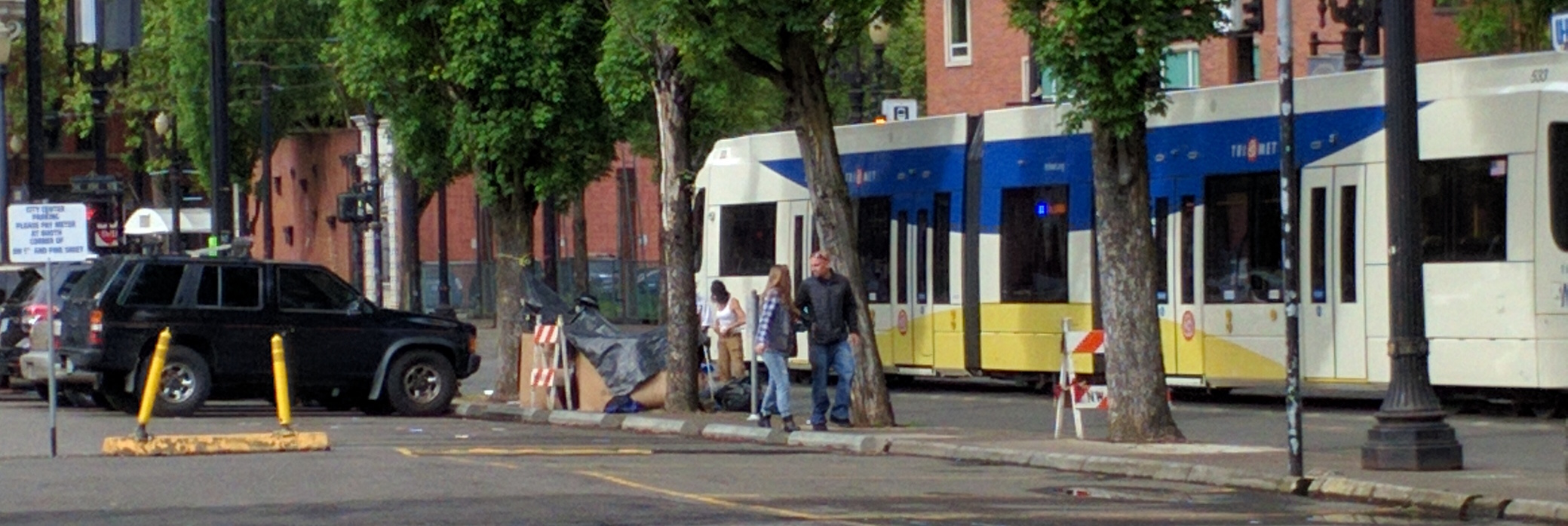
    It’s sad to see that there are homeless people in Portland, as in so many cities around the world. The TC and I saw many homeless people during our ramble. In the middle of this scene is a shelter built of cardboard and black plastic:

    Homeless in Portland

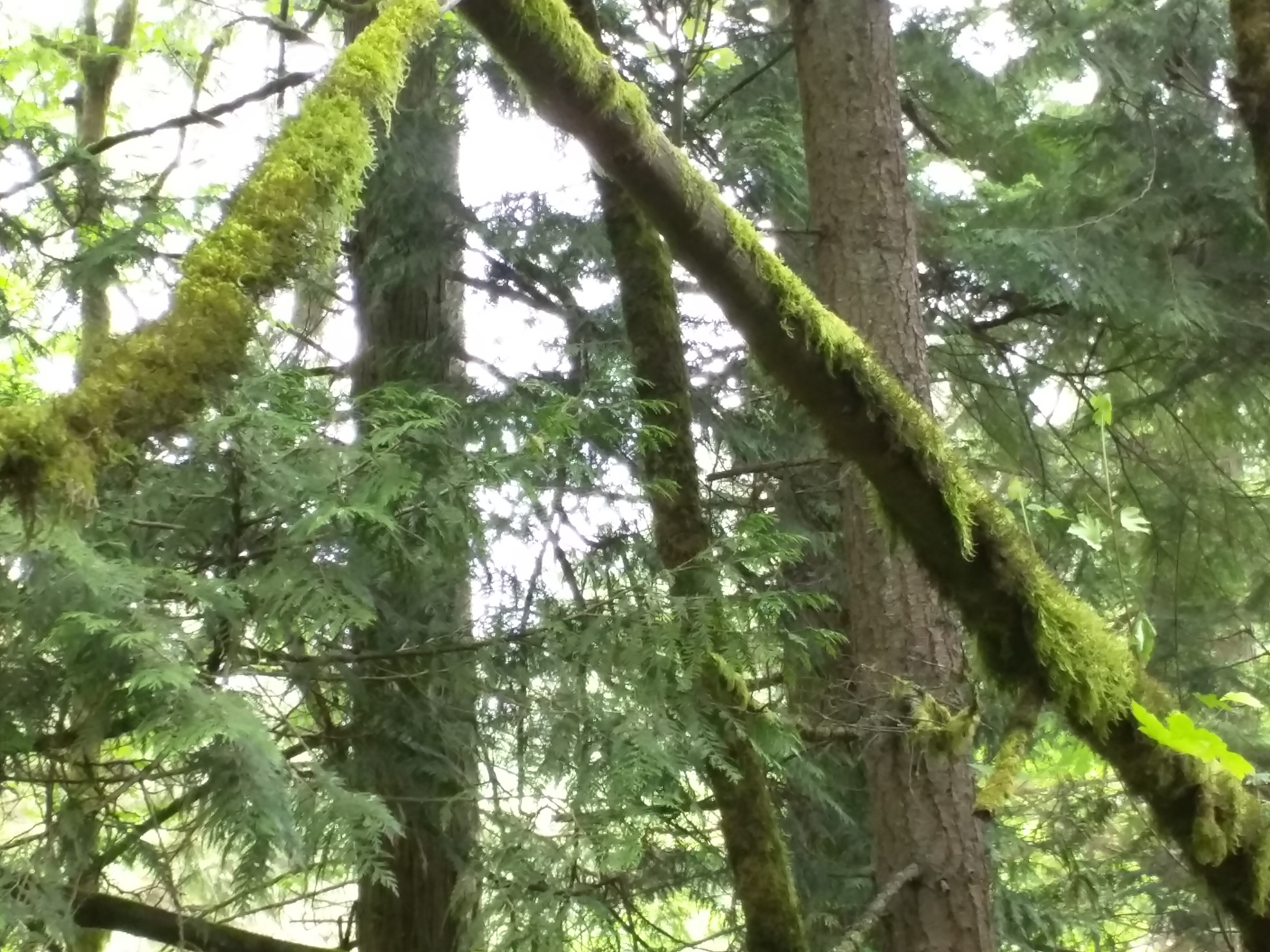
    On another day, we hiked along the trail from Macleay Park to Washington Park, in the hills above Portland. The TC, bless her cotton socks, was in her element. She’s quite a one for woodsy walks. Moody moss dripped from the trees:

    Moss in Washington park

    That’s all for today, folks.

  • Inside the book – Things Unseen by Sarah Maddox

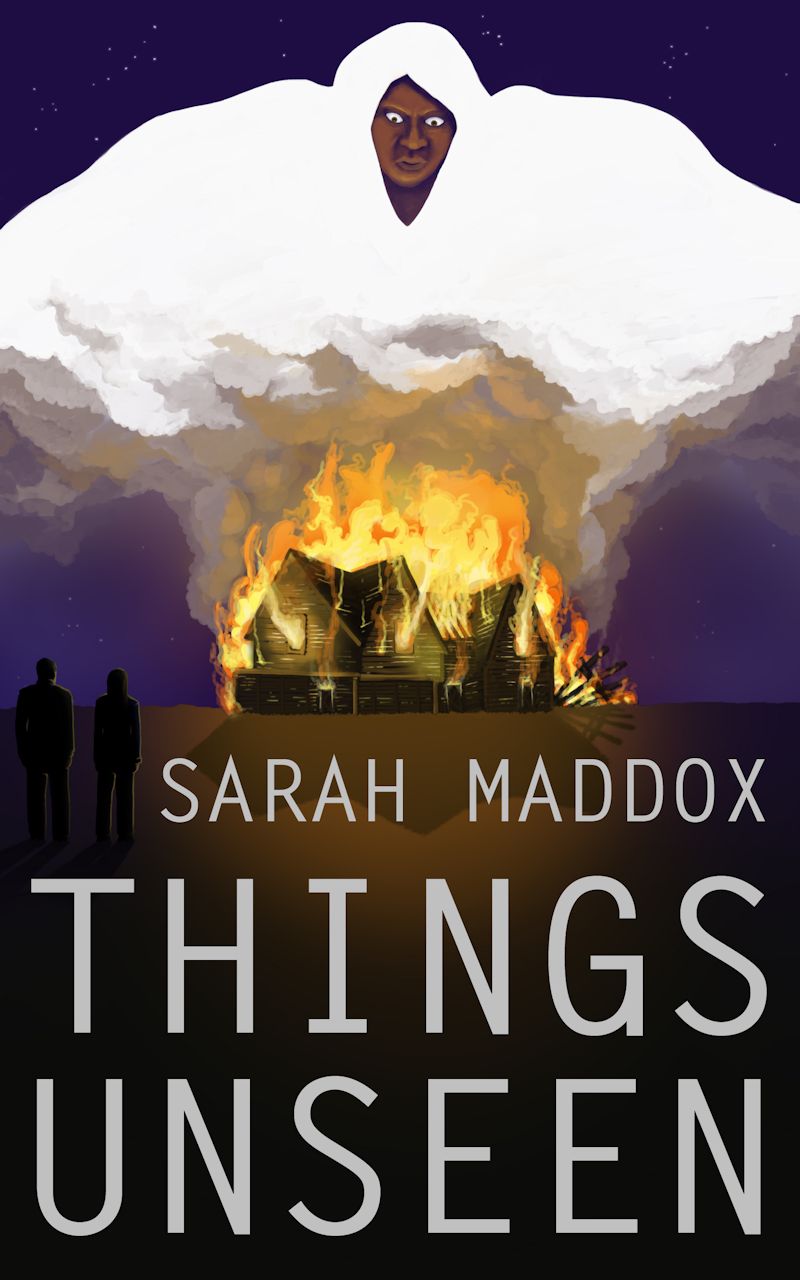
    Inside the book – Things Unseen by Sarah MaddoxMy travelling companion, fondly known as the TC, has recently published a book: Things Unseen. It is a psychological romance, or a romantic drama with a strong psychological theme.

    Being of a somewhat serious nature, this worm has decided to explore the philosophical and psychological aspects of the book.

    “My dear worm,” I hear you say, “the blurb says the book is ‘a combination of sizzling romance, eerie horror, and tense psychological drama’. That doesn’t sound like serious science!”

    In my years of exploring and consuming books, this bookworm has found that many a novel has a good solid grounding in “serious science”. That is what makes them compelling reading.

    Symbols and dreams

    In both Jungian and African (Xhosa) methodologies, symbols are seen as a powerful tool for dealing with psychological problems. Literature also makes good use of symbols and the associations that they so easily bring into the minds of readers.

    This worm is particularly taken with the way Things Unseen plays with symbols, mixing  European and African traditions. It makes you think about the implications of two different sets of symbolism meeting at the tip of Africa, mostly unaware of their different world views, and attempting to forge a life together. This has been happening over the centuries in that turbulent part of the world. It is still happening all over the world, in the microcosmic sense, when two people meet.

    What do you see when you look at the picture on the cover of  Things Unseen? A ghost, perhaps, looming over a burning house? Perhaps the white cloak and dark face make the figure seem threatening. Or perhaps the figure is instead a symbol from African culture, of a healer dressed in white and hovering protectively over a household in trouble.

    Xhosa traditional healers believe that our “ancestors” communicate with us via dreams. The word “ancestor” to a Xhosa person comes loaded with a set of associations and beliefs that Europeans are unaware of. An ancestor is a presence in your mind and in your family, who plays a very definite and beneficial role in guiding your actions and guarding you and your people.

    Jungian healers believe that our unconscious communicates with our conscious minds via symbols in dreams.

    A book written by M. Vera Bührmann describes the similarities between the treatment methods and philosophies of African witchdoctors and Jungian psychologists. It is a fascinating read, being a personal account of investigations by a Jungian psychologist spending time with a group of Xhosa healers: Living in Two Worlds, Communication between a white healer and her black counterparts (Human & Rousseau, 1984).

    Characters or tropes?

    A trope is a character type that authors use to call up a set of expectations and images in their readers’ minds. Think of evil stepmothers, the big bad wolf, a druid, an orphan who becomes a king, and so on.

    Things Unseen has a couple of well-known and much-loved character types, brought to life as individuals. This worm’s favourite cameo is Felicia, the pyromaniac. Felicia dresses in brightly-coloured scraps, assembled into an eccentric outfit with short, bright leggings. She cuts the hem off a dress, leaving a jagged outline. Like upside-down flames, she thinks. She hovers in the background, watching the heroes of the book with a gimlet eye, and muttering about the perfect conflagration she is planning.

    Then there’s Tim, the ghost buster… Ah, but I will not spoil your fun.

    Disclosure: It is only fair to disclose that Mark Wordsworm (the Travelling Worm, and author of this blog) is a nom de plume of Sarah Maddox, author of Things Unseen. Thanks for reading this post. 🙂

    Getting hold of the book

    Things Unseen is available in eBook format from these sites:

    The customary “Me” photograph

    Followers of this blog will be expecting a picture of this worm looking dashing while doing something daring. I am, as always, keen to please, so here it is.

    Me cuddling up to Things Unseen on a Kindle.

    Inside the book – Things Unseen by Sarah Maddox20February2013 002-truncx