Travelling Worm

A bookworm's travelogue

Category: australia

  • Magnetic Island in North Queensland

    This is the blog of Mark Wordsworm, the travelling worm. I’m a 36-year-old bookmark (give or take a few years) and I proudly boast my own Hallmark serial number, 95 HBM 80-1. You’ll probably want to read all about me and my Travelling Companion (the TC).

    Today’s travel notes

    Today’s a red letter day, for no other reason than that I’ve decided to update my age after checking the date of my first post on this blog, My very first post was on 25 April 2008, titled The red centre. At that time, I judged myself to be 25 years old. Today, just over 11 years later, it seems like a good time for an update. I’m 36 years old, give or take a few years. Happy new age to me.

    But now, on to the topic of my latest travel adventures. Me and the TC spent last weekend on Magnetic Island, a tropical island in North Queensland.

    The book I’m in

    The Wrath of Angels, by John Connolly. A fast-paced mix of murder, mystery, and fallen angels, featuring private detective Charlie Parker.

    Recommended accommodation

    Island Leisure Resort, 6 Kelly Street, Nelly Bay. The rooms are spacious, comfortable and clean, and the staff are friendly. There’s a swimming pool and a tennis court, and a games room with table tennis and pool tables. Accompanied by great hilarity, the TC rediscovered her mediocrity at both of the last-mentioned.

    The photos

    Me and an art piece created by sea and wind, on a beach at the north-west end of Magnetic Island:
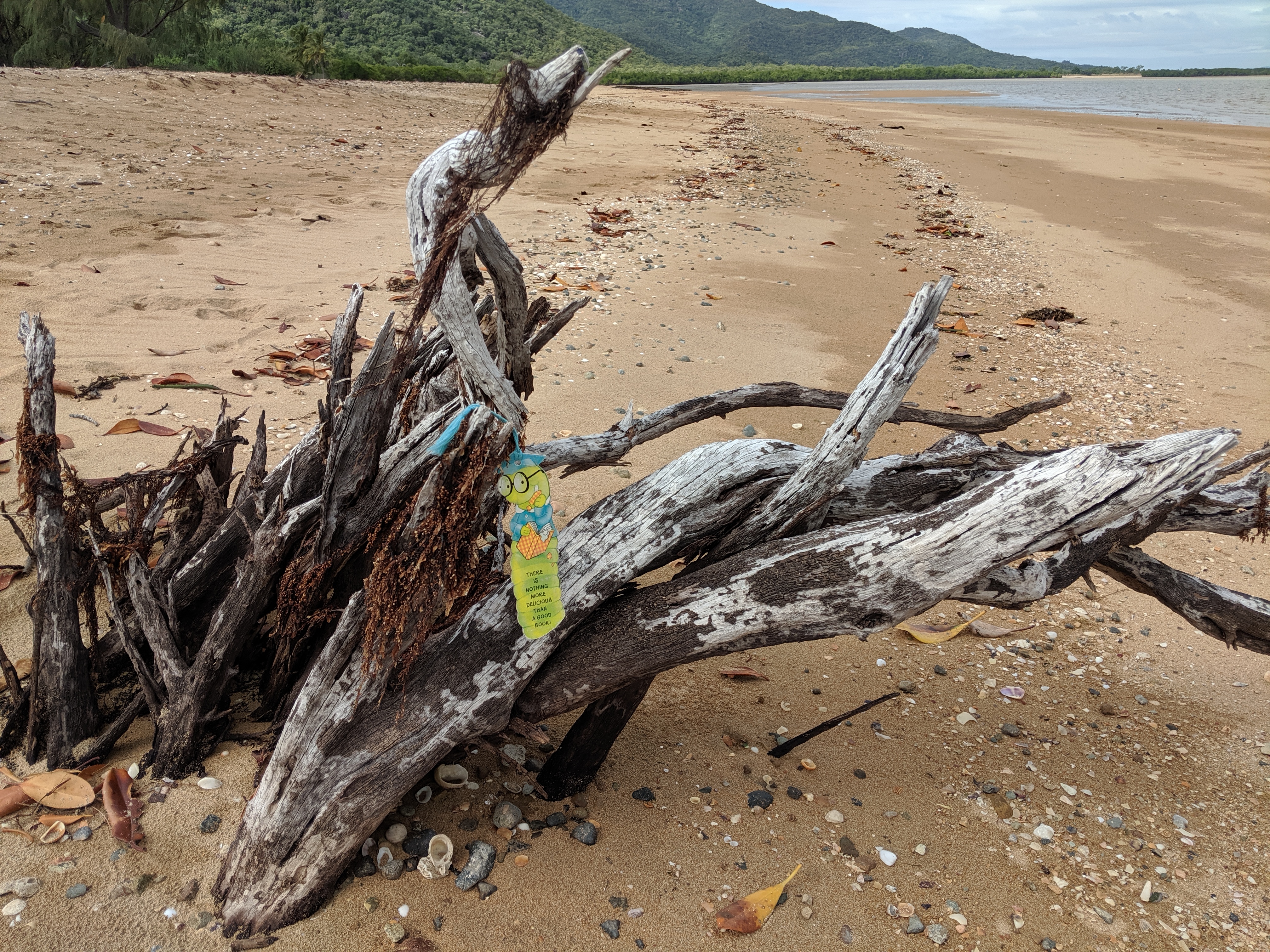
    The vegetation on the island was lush and green, at least in comparison to many parts of Australia. This photo shows the same beach at the quiet north-western end of the island:

    Denizens of the beach included super-fast, nigh-invisible crabs. In the following picture, the crab is on the left. At top right is a mound with a hole in it, probably the entrance to a crab palace:
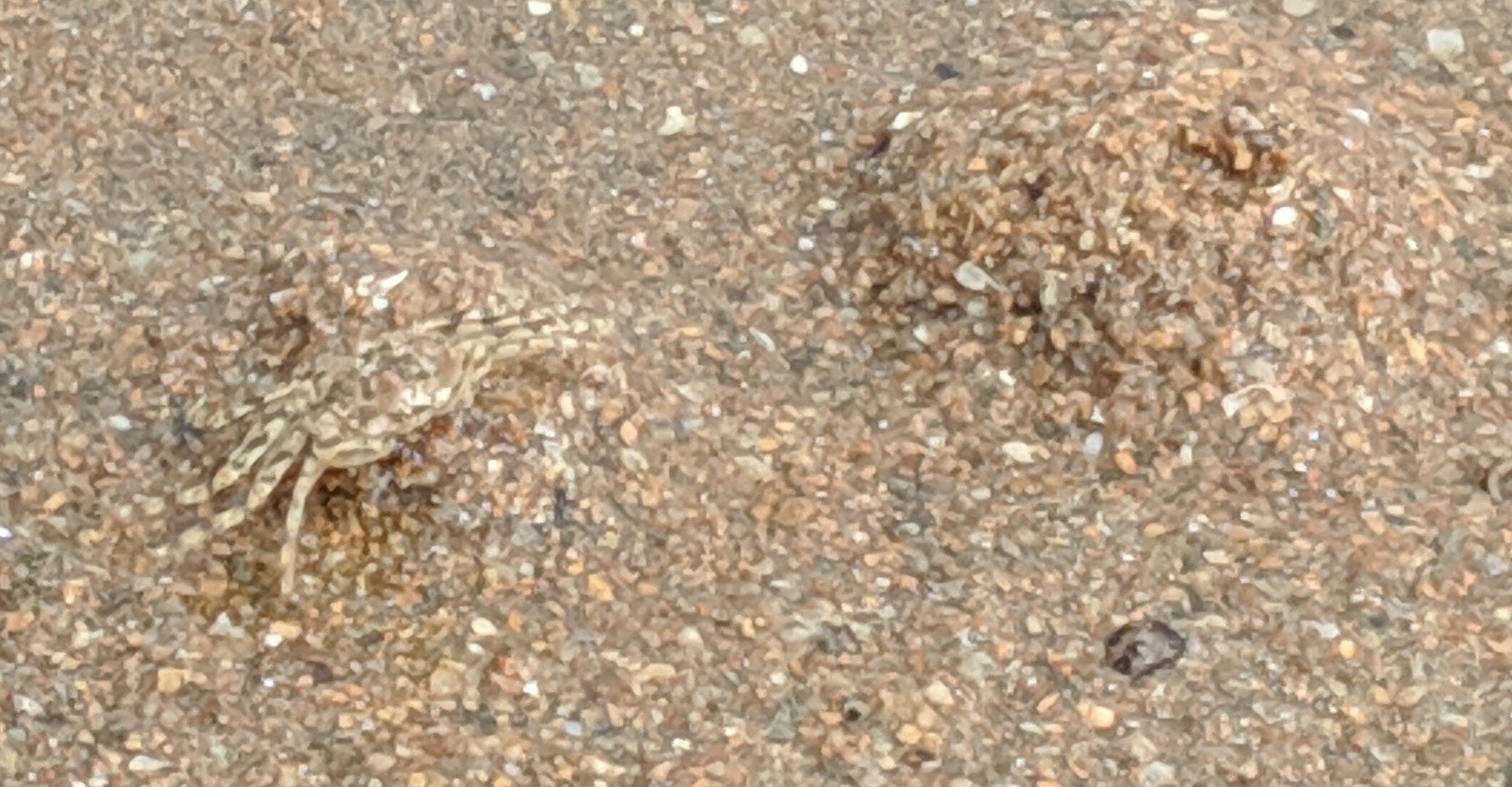
    Jonathan was there too. The presence of Jonathan and his mates constitutes good cause for the crab’s camouflage and speed:

    The drive to the beach takes you along a dirt road, crossed by gullies and fords, surrounded by dense Australian bush. A four-wheel drive is useful. Here I am, your dauntless travel guide, surveying a pretty scene along the route:

    Mangroves decorated a creek that crossed the road, where we spotted some pretty fish and crabs (not in the photo):

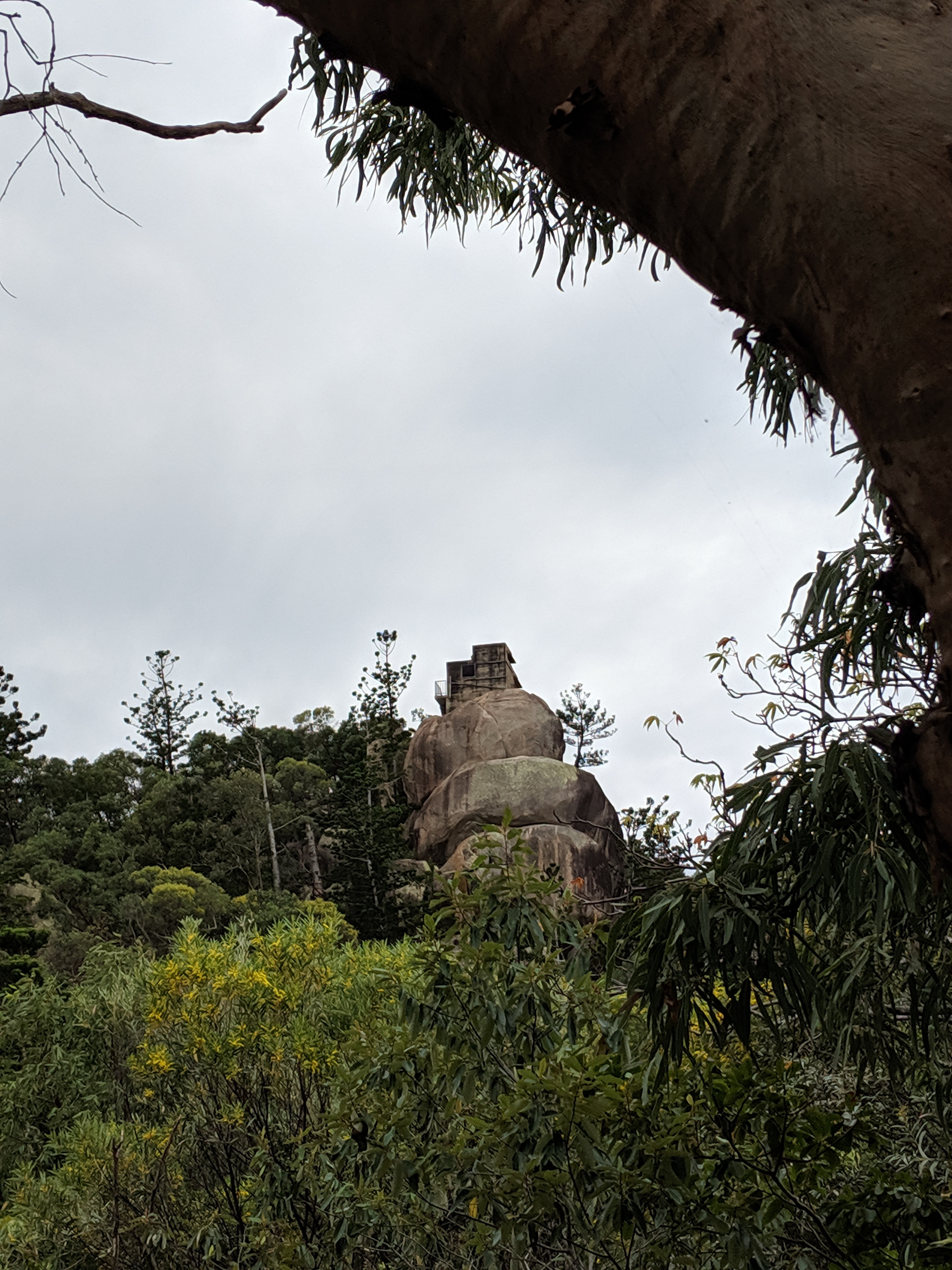
    On the other side of the island, to the north east, a World War II fort and its out houses are valiantly fighting off the encroaching bush. Click this image to zoom in:

    To get to the fort, the TC followed a winding bush track. The path is about four kilometres for the round trip, and takes about two hours. I stayed comfortably in my book in her bag, ready to hop out for each view and photo opportunity.

    Here’s the fort’s lookout building seen from another angle as we approached the fort complex:
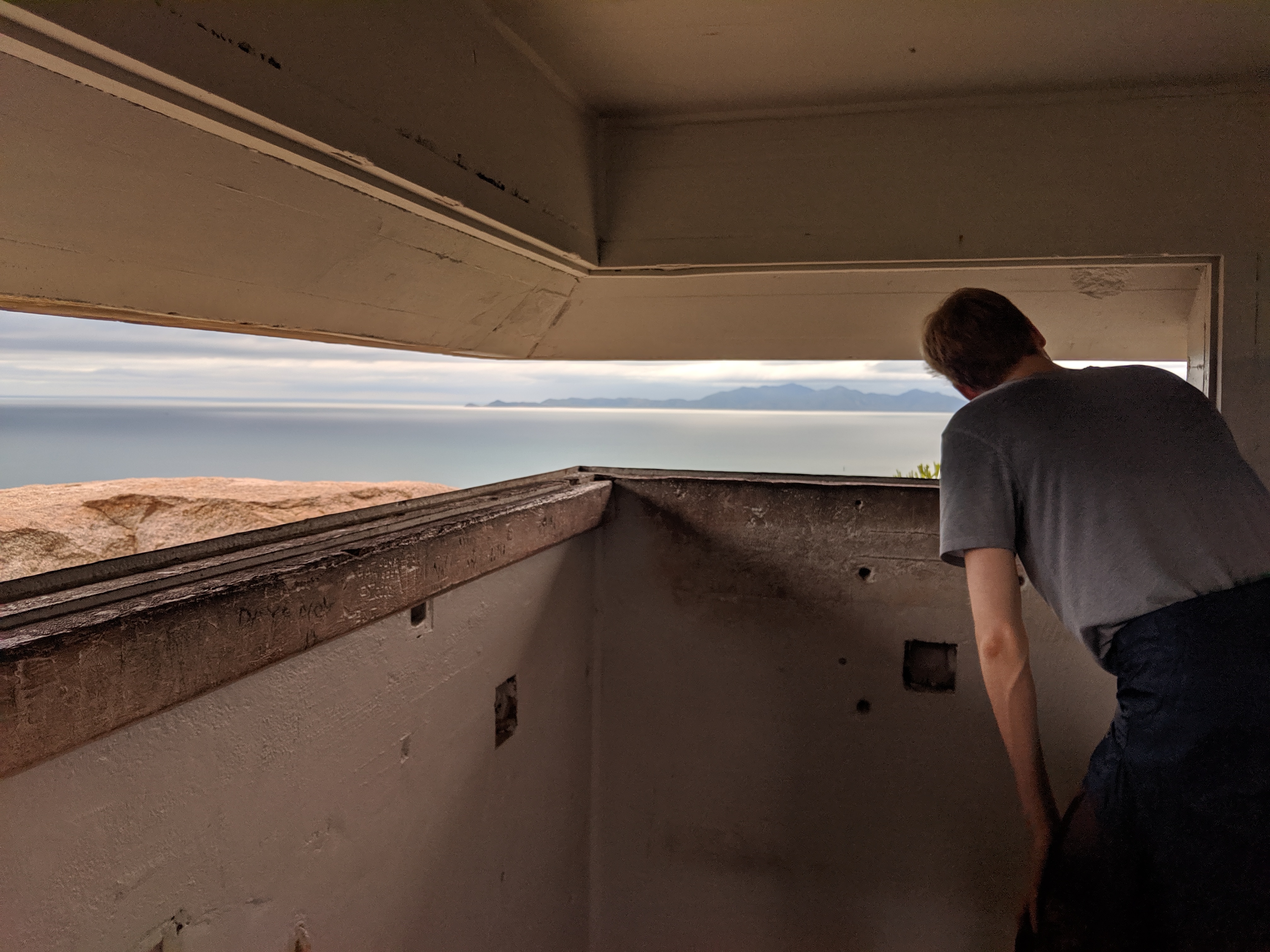
    To get to the lookout, we climbed a series of stone steps and metal ladders. The TC did a good job, even hopping up onto the final platform inside the top room to see the view through the plane/ship-spotters slot in the wall. This shot shows an equally bold fellow traveller gazing out through the slot:
    The views from the walk up to the fort had the TC ooh-ing and aah-ing:

    Arthur Bay looks enticing from above. We didn’t get the opportunity to visit it on this trip:

    This worm was intrigued to note possible signs of activity by fellow worms. On various parts of Magnetic Island, including the fort walk, we saw bunches of leaves glued together with web:

    Could this be the work of a caterpillar like that of the fall webworm or tent caterpillar, which create nests of silk? Looking closer, we noticed ants on the leaf bunches. I’ve since done some research and discovered that these are green tree ants, a type of weaver ant. The adult ants gather in large numbers and pull the leaves together. Then they bring an ant larva, which produces the web to hold the leaves in place:
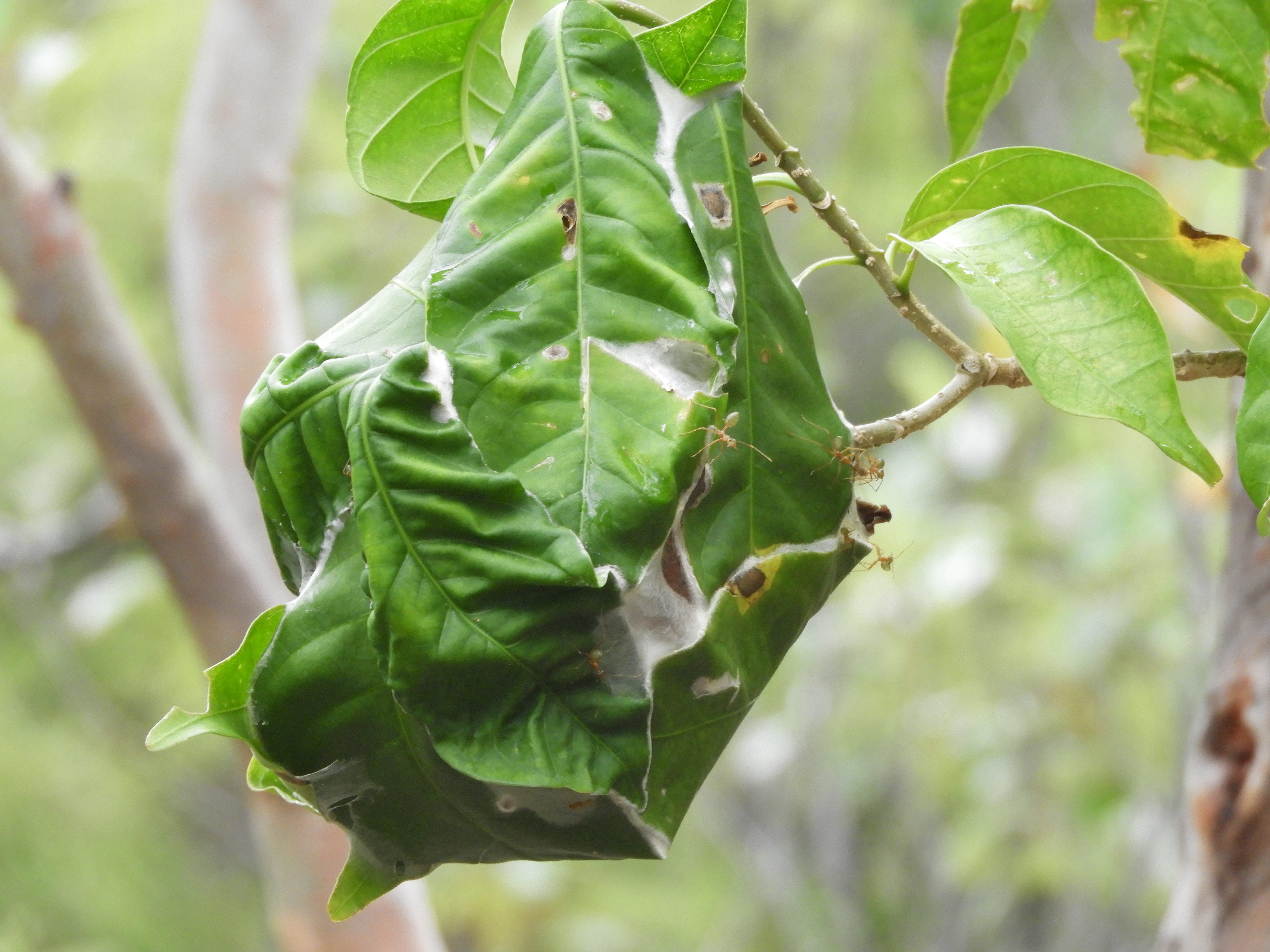
    Below is a slightly fuzzy zoomed-in section of the photo, where you can see a few of the ants:

    The TC was curious and leaned in close to examine one of the leaf bunches, as did her two companions. Seconds later, they noticed lines of ants moving down the tree trunk and up their legs. They all jumped away and started stamping their feet in an effort to dislodge the ants. This curious but typical reaction is known by locals as the green ant dance. Poor TC, she does have a knack for getting herself into a pickle.

    The guide books promised that we’d see wild koala on the walk up to the fort, and we did. It was as if someone put a cuddly toy up in a tree:

    Mostly these wise creatures sleep all day, but this one needed to shift position:

    Also interesting, though perhaps not as cuddly, was this deep red mushroom on the side of the walking track:

    Another aspect of Magnetic Island that had the TC ooh-ing and aah-ing was the birdlife. For obvious reasons, this worm is not that fond of birds (Jonathan excepted). As a teaser for readers who’re keen on our feathered fiends, below is a clump of Rainbow Bee-eaters:

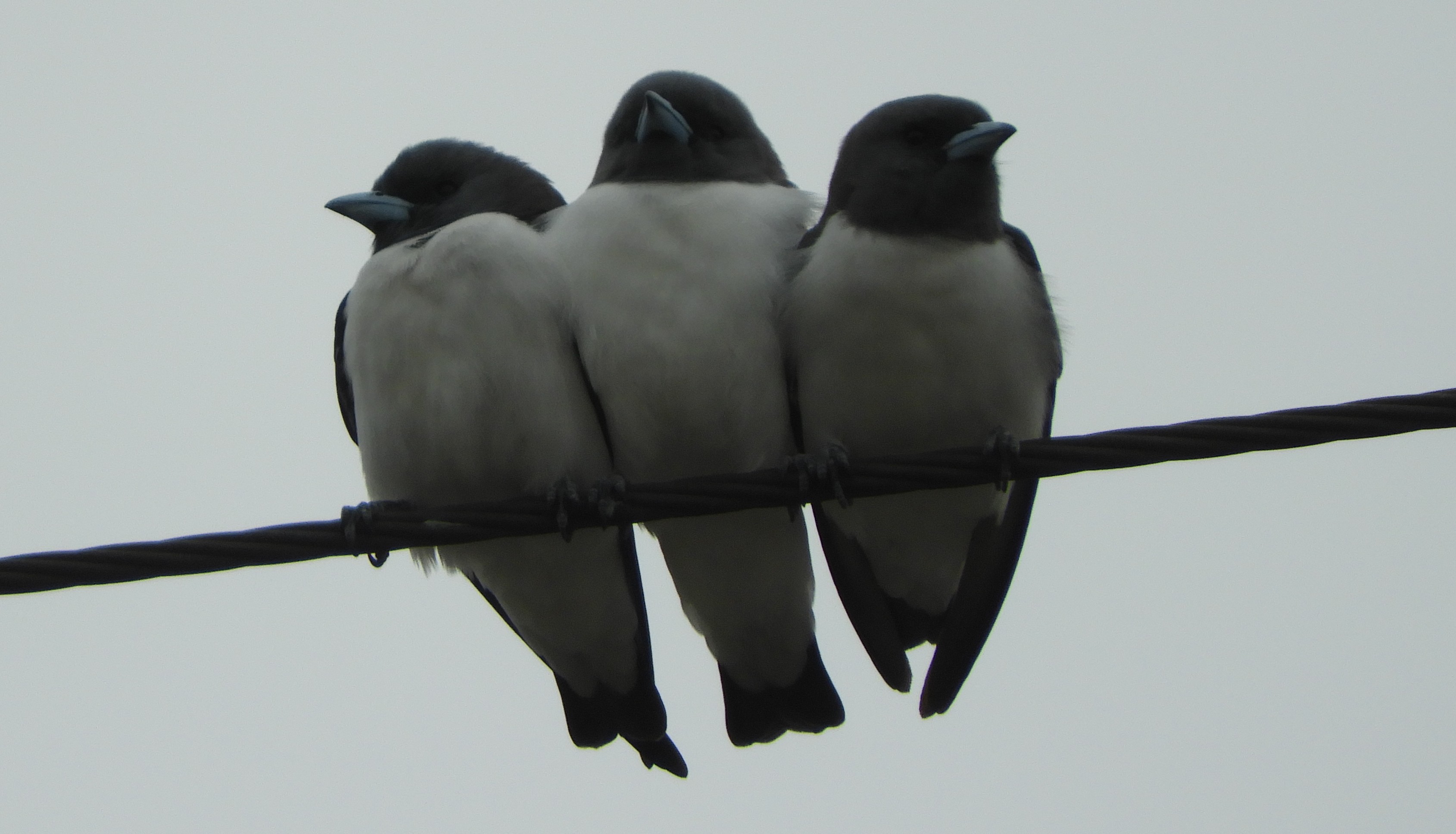
    They say trouble comes in threes. Here’s another bird clump, this time of Woodswallows:
    You can see more of the island’s bird life on the TC’s bird blog.

    That’s all for today, folks.


  • Harlequin bugs on NSW Central Coast

    This is the blog of Mark Wordsworm, the travelling worm. I’m a 25-year-old bookmark (I haven’t aged at all since I first wrote this introduction) and I proudly boast my own Hallmark serial number, 95 HBM 80-1. You’ll probably want to read all about me and my Travelling Companion (the TC).

    Today’s travel notes

    Me and the TC spent a couple of days on the Central Coast of New South Wales, Australia. This was a while ago. Now I’m on another trip to somewhere else, and thus finding the time to publish some words.

    My impressions? Restful prettiness with enough history and natural beauty to occupy the mind.

    Word of the day

    Bug is the word of the day.  According to the Australian Museum, bugs and beetles are different groups of creatures. They have different mouthparts (beetles chew, bugs don’t),  different lifecycles (beetles undergo a complete metamorphosis from larval stage, bugs don’t), different food choices (beetles eat solids, bugs don’t), and different wings (beetles have two pairs, bugs don’t).

    This worm concludes there’s a lot that beetles do and bugs don’t. Never mind, the bugs in this post are pretty. At least they have that going for them.

    Travel tip

    Look before you sit. The colourful bugs pictured below were roaming around on a park bench. A careless sitter would have squished them.

    The book I’m in

    Infinity Born, by Douglas E. Richards. Artificial intelligence runs wild in this action-packed, thought-provoking book.

    The photos

    Me and the rising sun, at the window of the Crowne Plaza hotel in Terrigal:

    These two bugs roamed around a park bench. Luckily the TC spotted them before sitting down. I think they’re Hibiscus Harlequin Bugs. Almost as attractive as your faithful bookworm!

    The bugs are reasonably large, certainly much bigger than a ladybird. For scale, the TC put her finger next to them on the park bench:

    Methinks they’re in love, or one of them is. Play the video to see how one follows the other, occasionally bumping into it by mistake or perhaps on purpose:

    Now for a complete change of subject, just because I can. Contrary to appearances, this is not a monster’s gullet. It’s a hollow tree trunk:

    That’s all for today, folks.

  • Sydney Park with Conservation Volunteers Australia

    This is the blog of Mark Wordsworm, the travelling worm. I’m a 25-year-old bookmark and can proudly boast my own Hallmark serial number, 95 HBM 80-1. You’ll probably want to read all about me and my Travelling Companion (the TC).

    Today’s travel notes

    The TC, bless her cotton socks, occasionally gets a bee in her bonnet about conservation, and goes out pulling up weeds with a group of like-minded souls. Today we went to Sydney Park, in the inner city area of Sydney. We joined a group of 15 volunteers hosted by Conservation Volunteers Australia.

    My impressions? Hard work, but the volunteers loved it. Many of them go out once a week or more to look after sites around Sydney.

    The book I’m in

    Hotel du Barry, by Lesley Truffle. A delightful romp through the streets of London, with more than a glimpse of the dark side of life.

    Travel tip

    Take a hat and plenty of water.

    The photos

    Me at the old brickwork kilns in Sydney Park:

    Sydney Park

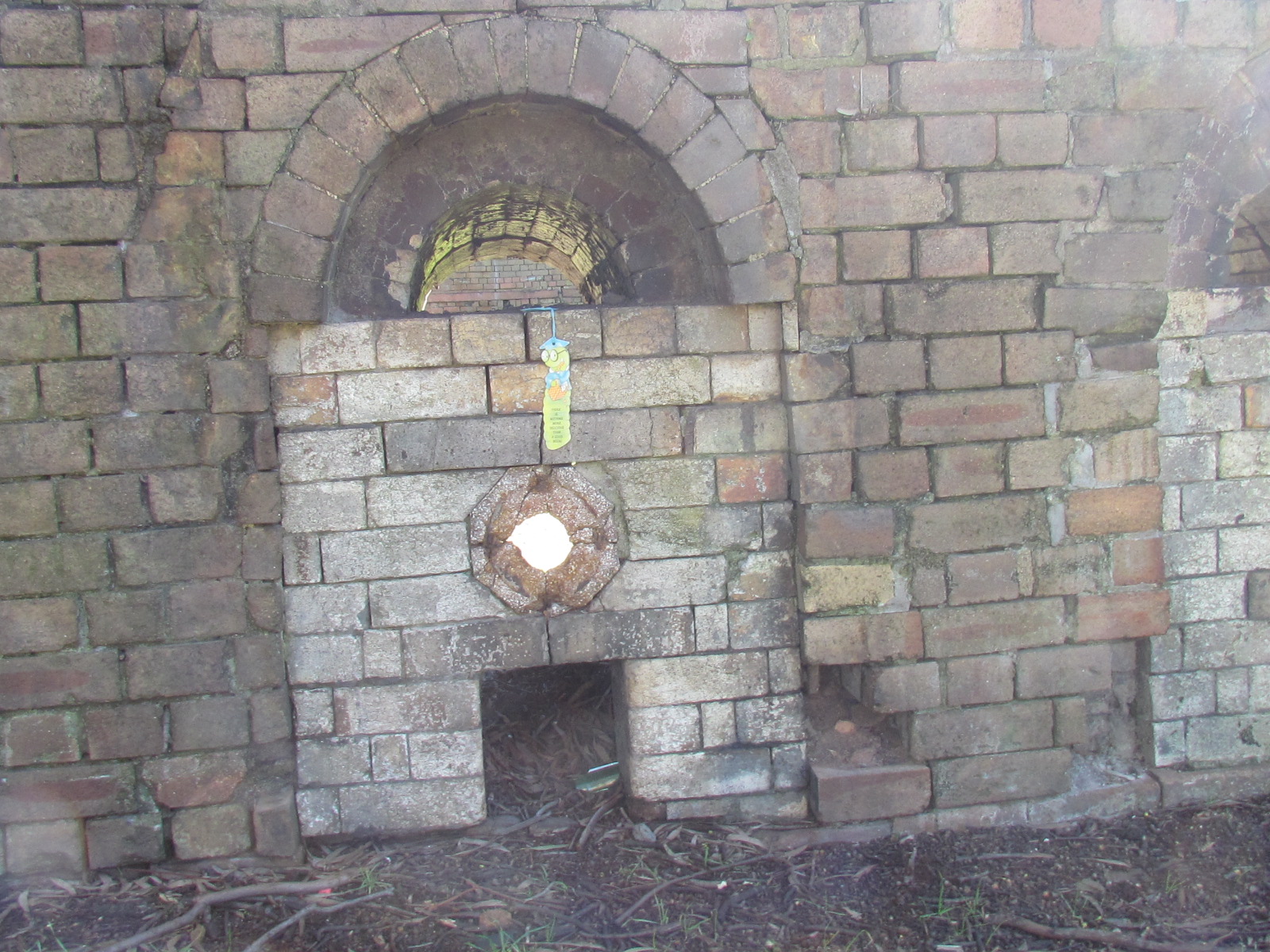
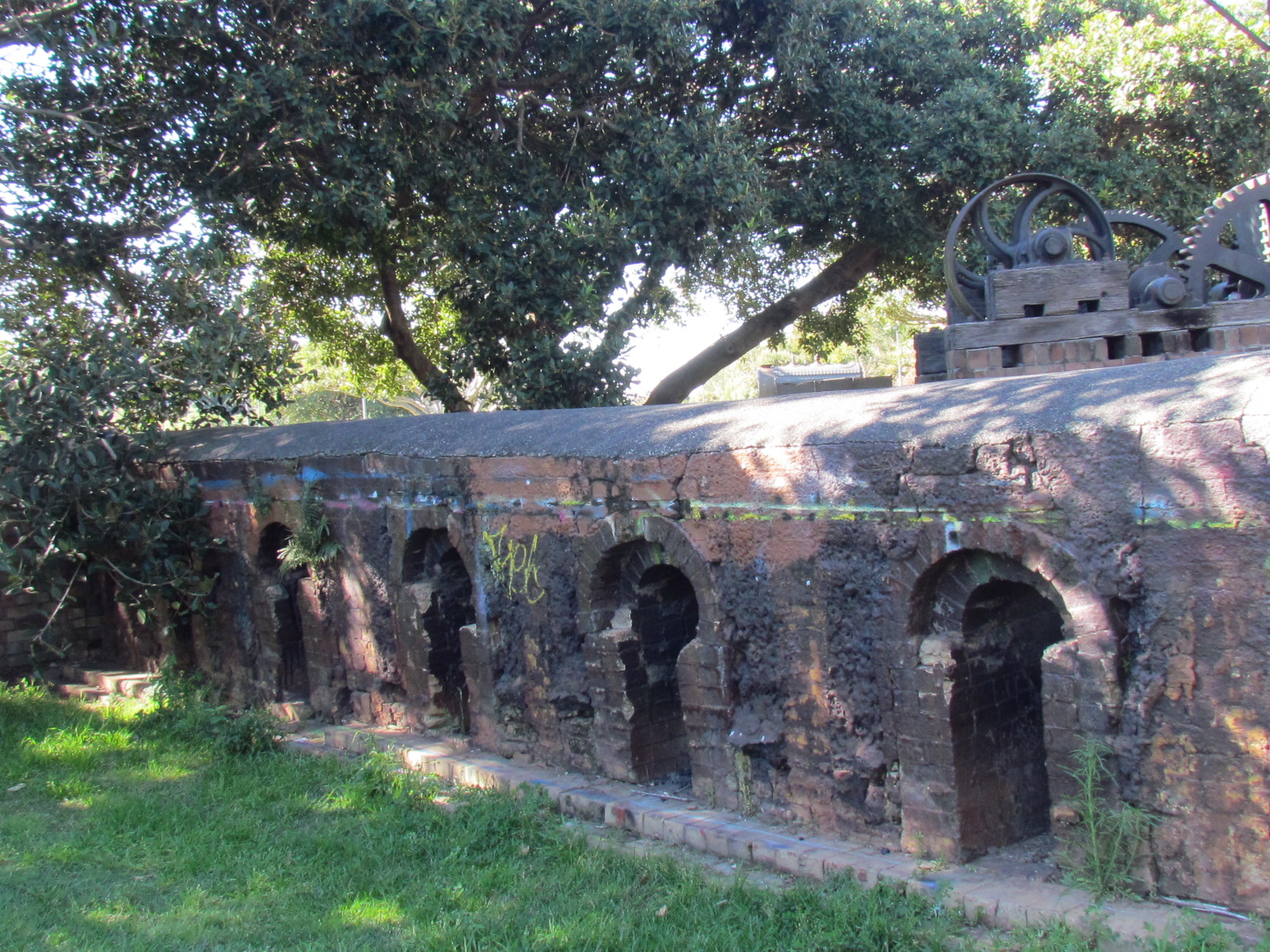
    This row of kilns is near the corner of Sydney Park Road and King Street, near St Peters railway station:

    Sydney Park kilns

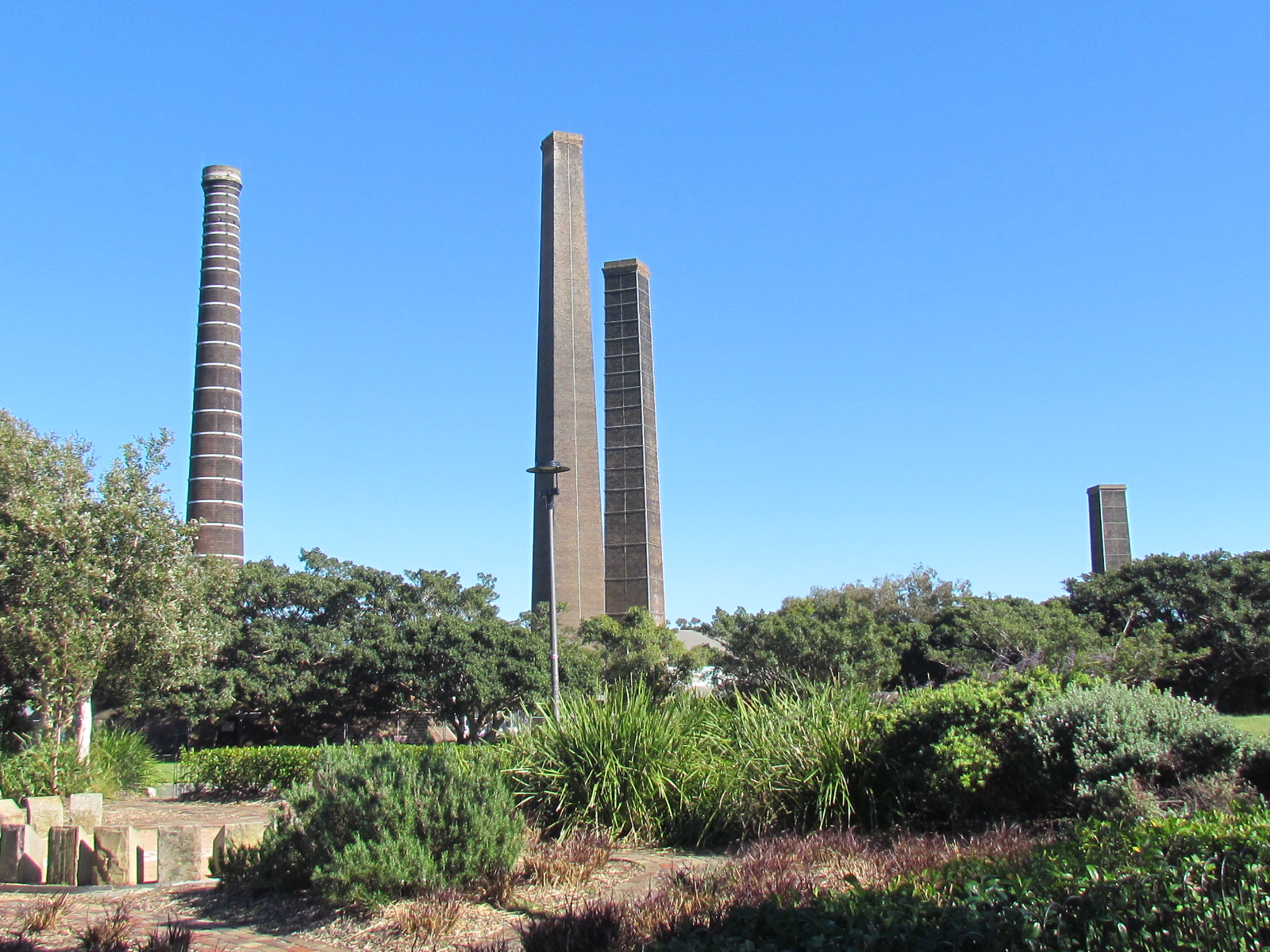
    The chimneys from the old brickworks are an imposing sight:

    Sydney Park chimneys

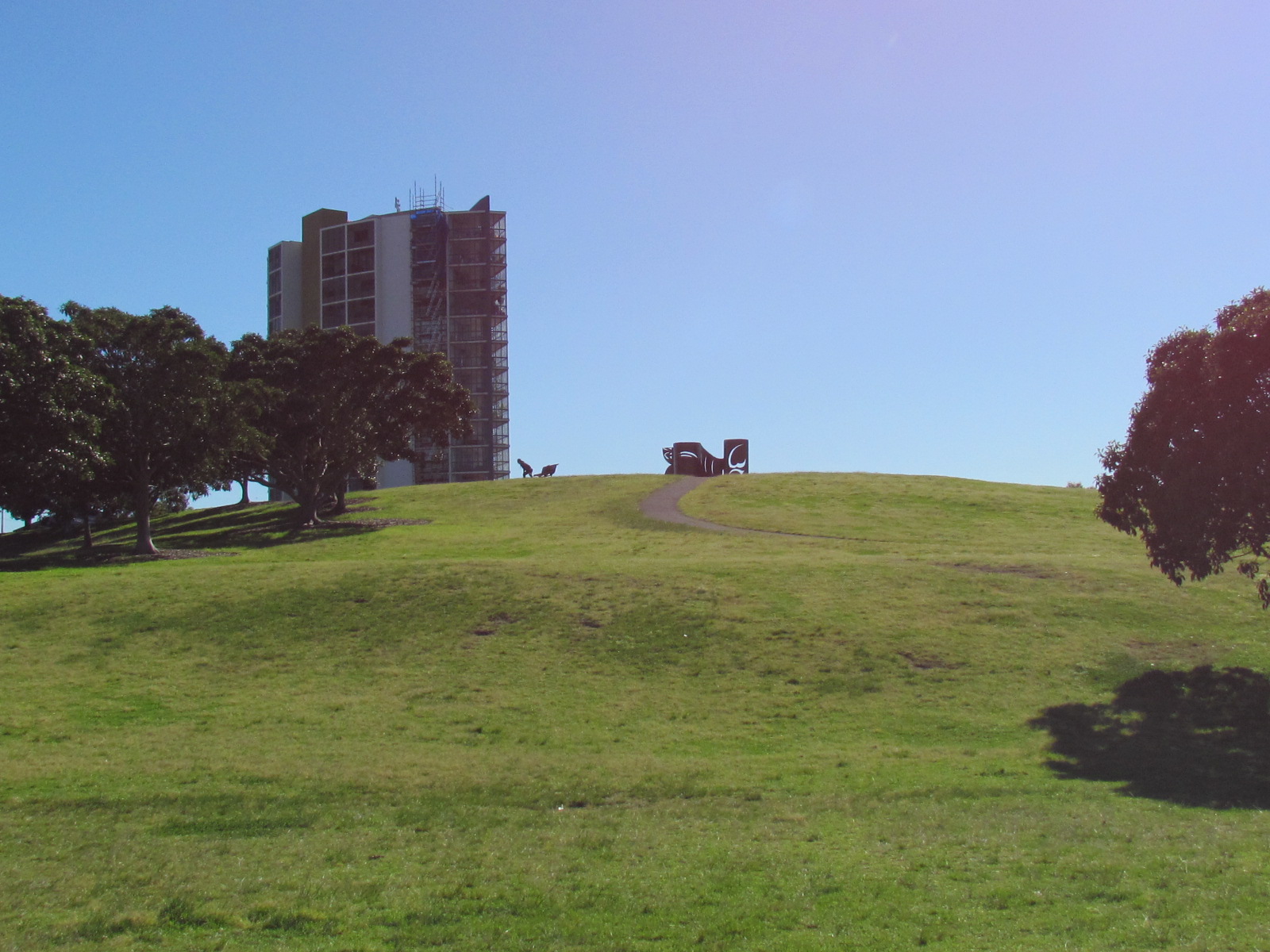
    Slopes and skylines are a characteristic of Sydney Park:

    Sydney Park skylines

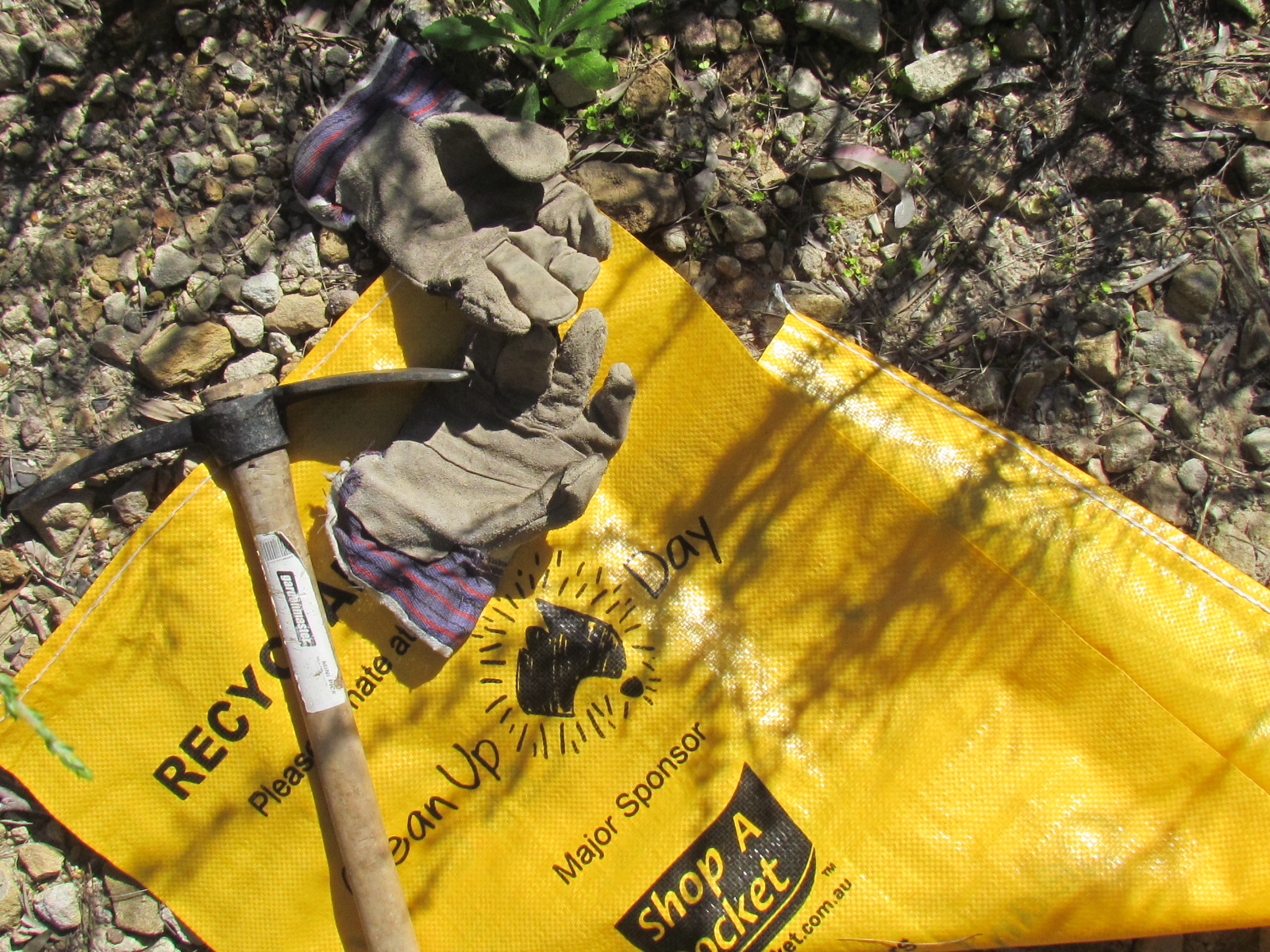
    Down to the business of the day: bush conservation. These were the TC’s tools today:

    Bush conservation tools

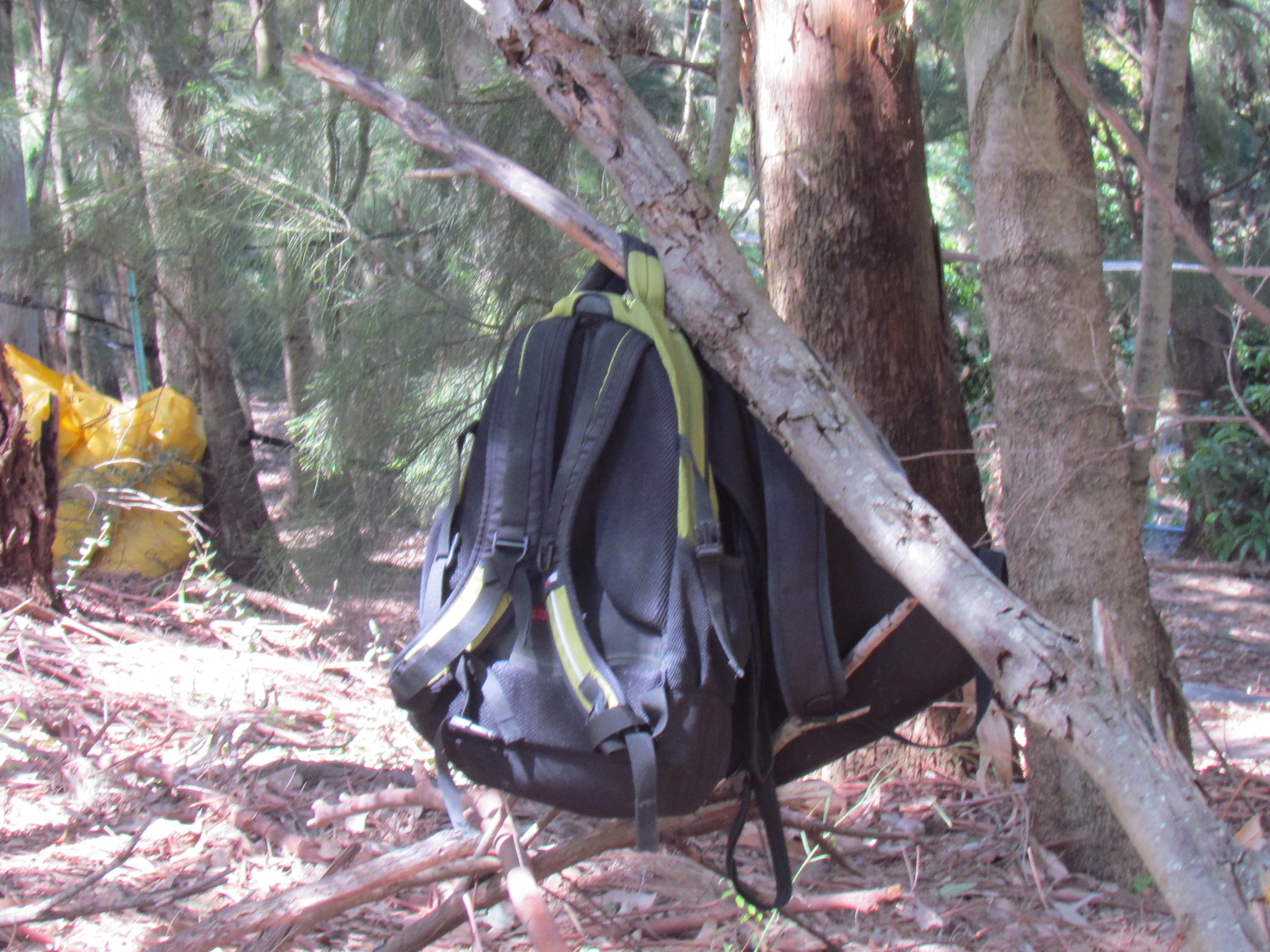
    A handy tip from one of the seasoned volunteers: hang your bag on a branch, or you’re likely to find the ants have eaten your lunch:

    Bush conservation in Sydney Park

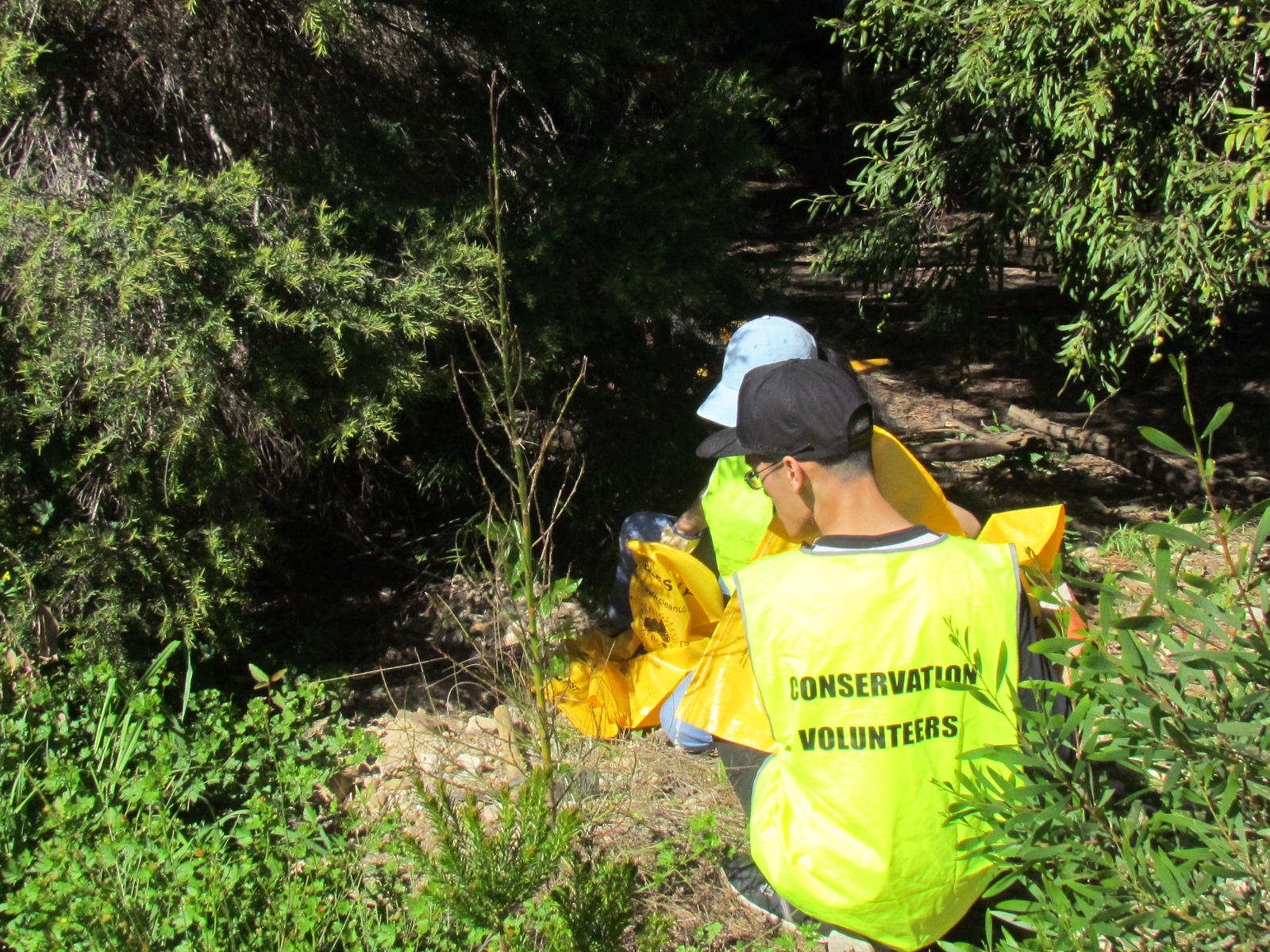
    The volunteers wore bright yellow vests:

    Bush conservation outfit

    The bright outfit makes people easier to spot when out in the bush:

    Bush conservation in Sydney Park

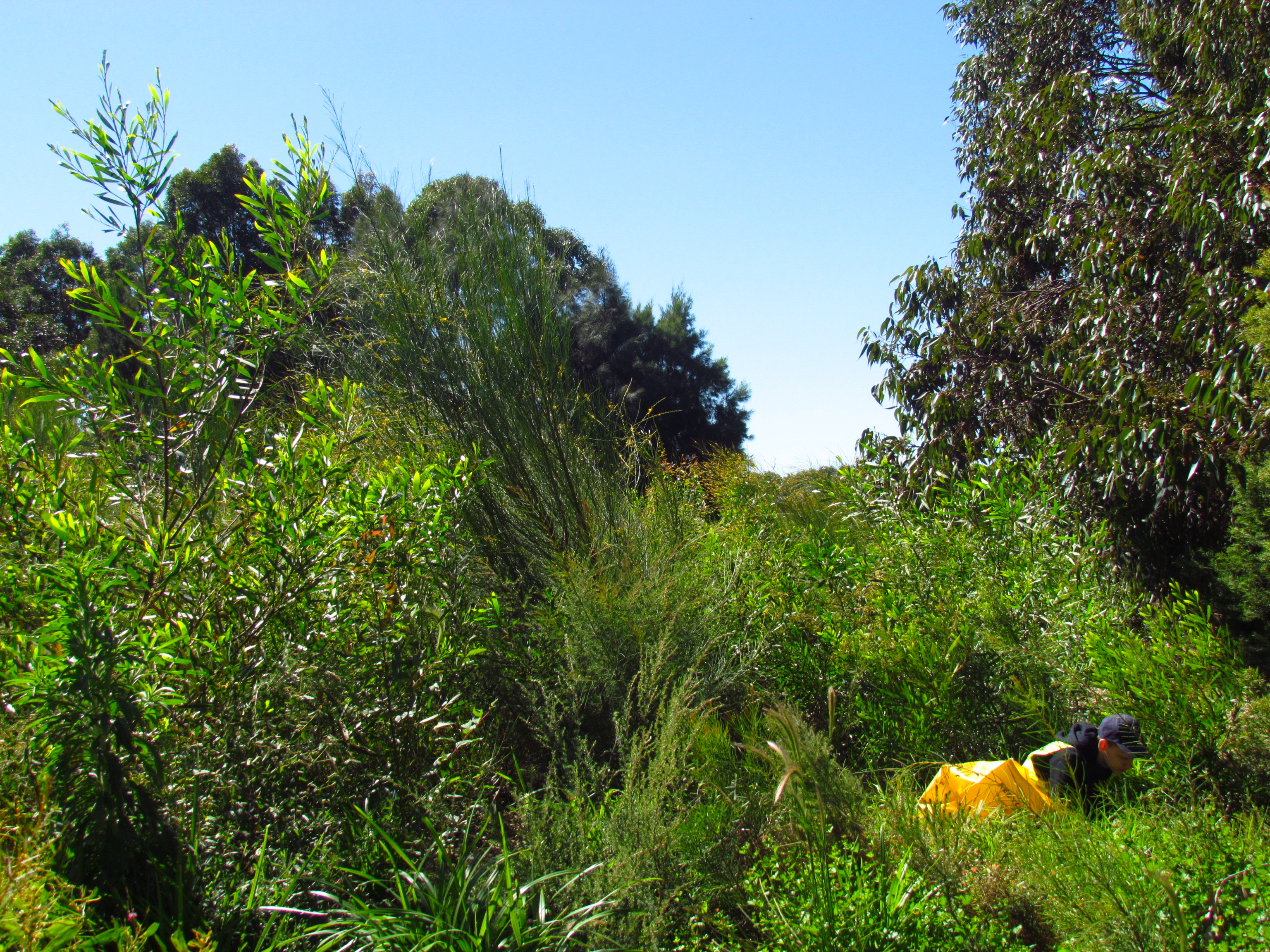
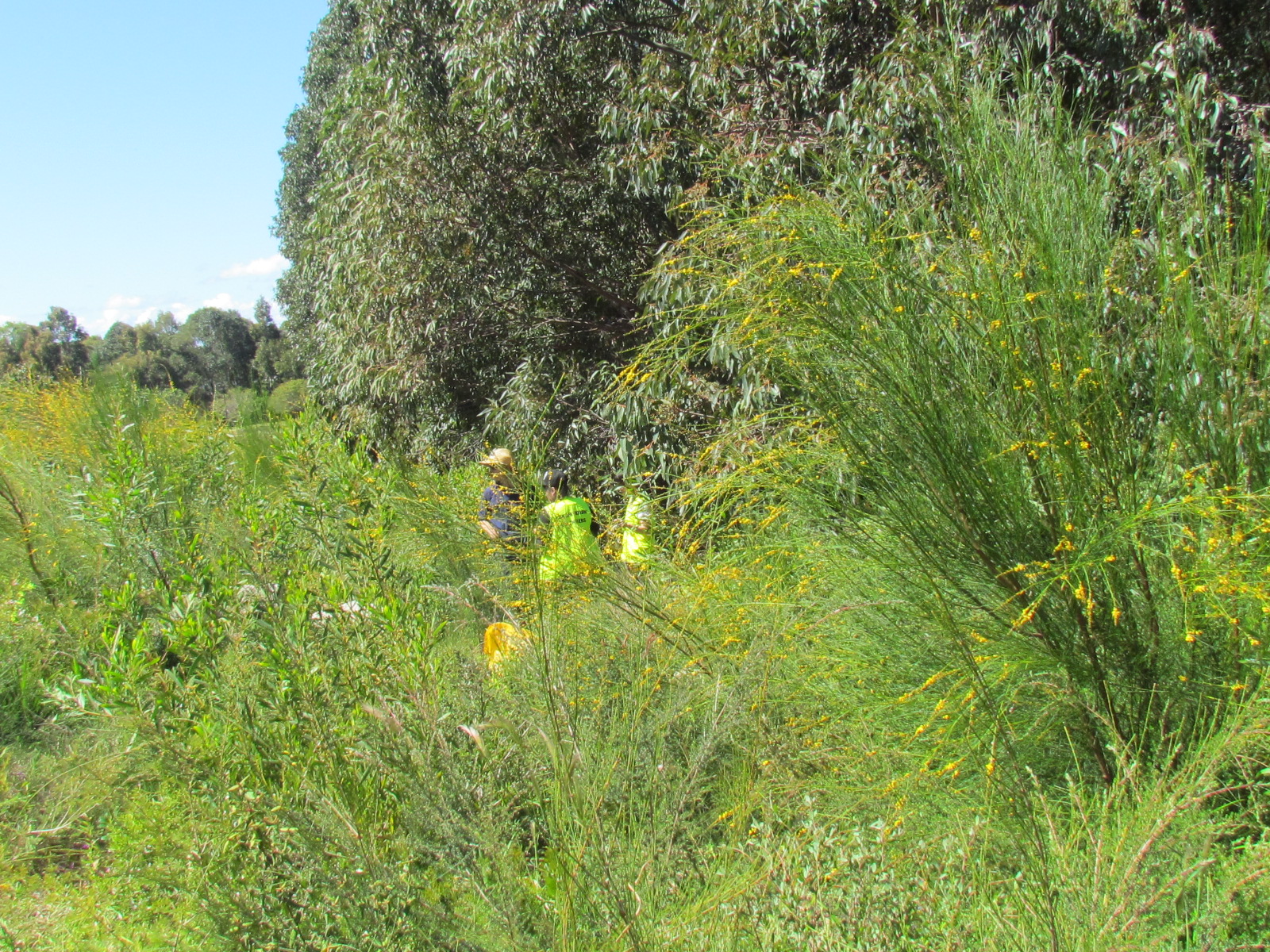
    The group’s task today was to pull up weeds. Conservation Volunteers Australia and the local council cleared this site a few months ago (it was a mess of grass and weeds), covered it with Sydney sandstone to provide a good base for native plants, then planted a number of bushes and ground cover. The aim is to restore the area with mid-height vegetation, to provide food and homes for small birds and other creatures.

    The new plantings are growing well. Spot the conservationists:

    Bush conservation in Sydney Park

    But things are not all good. Meet the enemy! Fleabane is one of the non-native plants the group wants to eradicate. This one was a large specimen, about four feet high. The TC wrestled with it for quite a few minutes, employing mattock and brute strength to pull it out by the roots:

    Fleabane

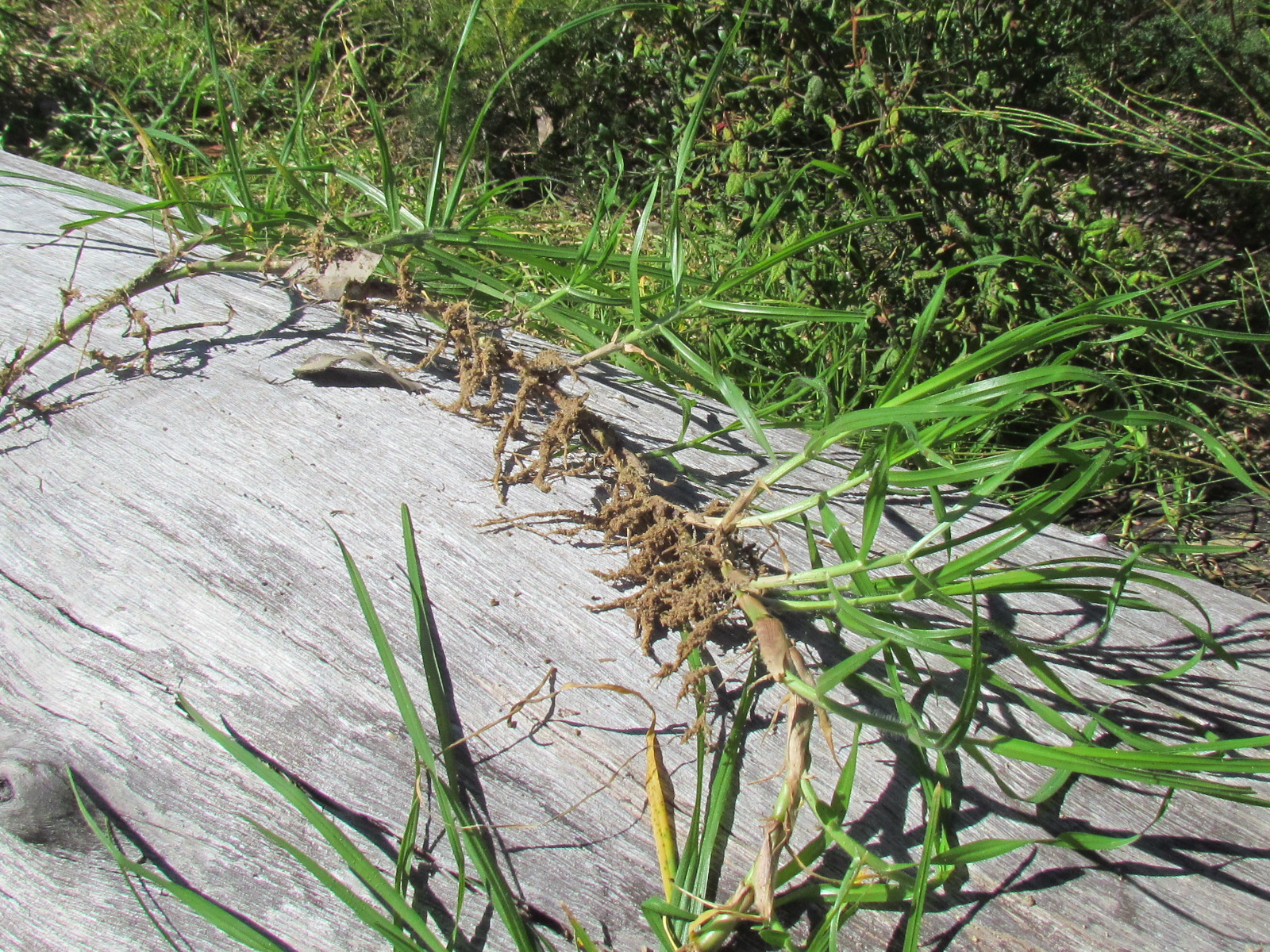
    Another baddie bites the dust. Kikuyu grass. The TC found it very satisfying to pull these long strands of grass up from amongst the native bushes:

    Kikuyu

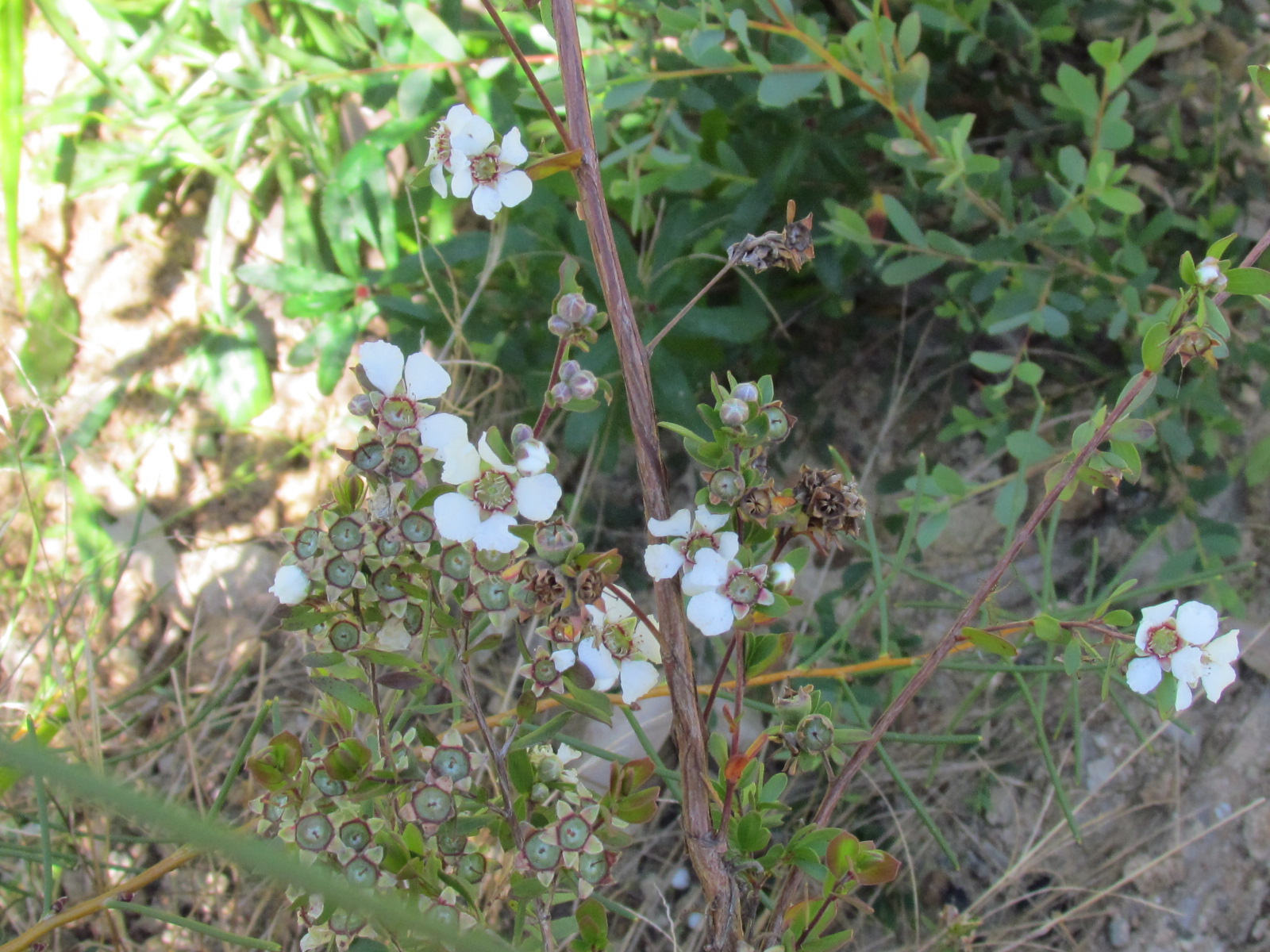
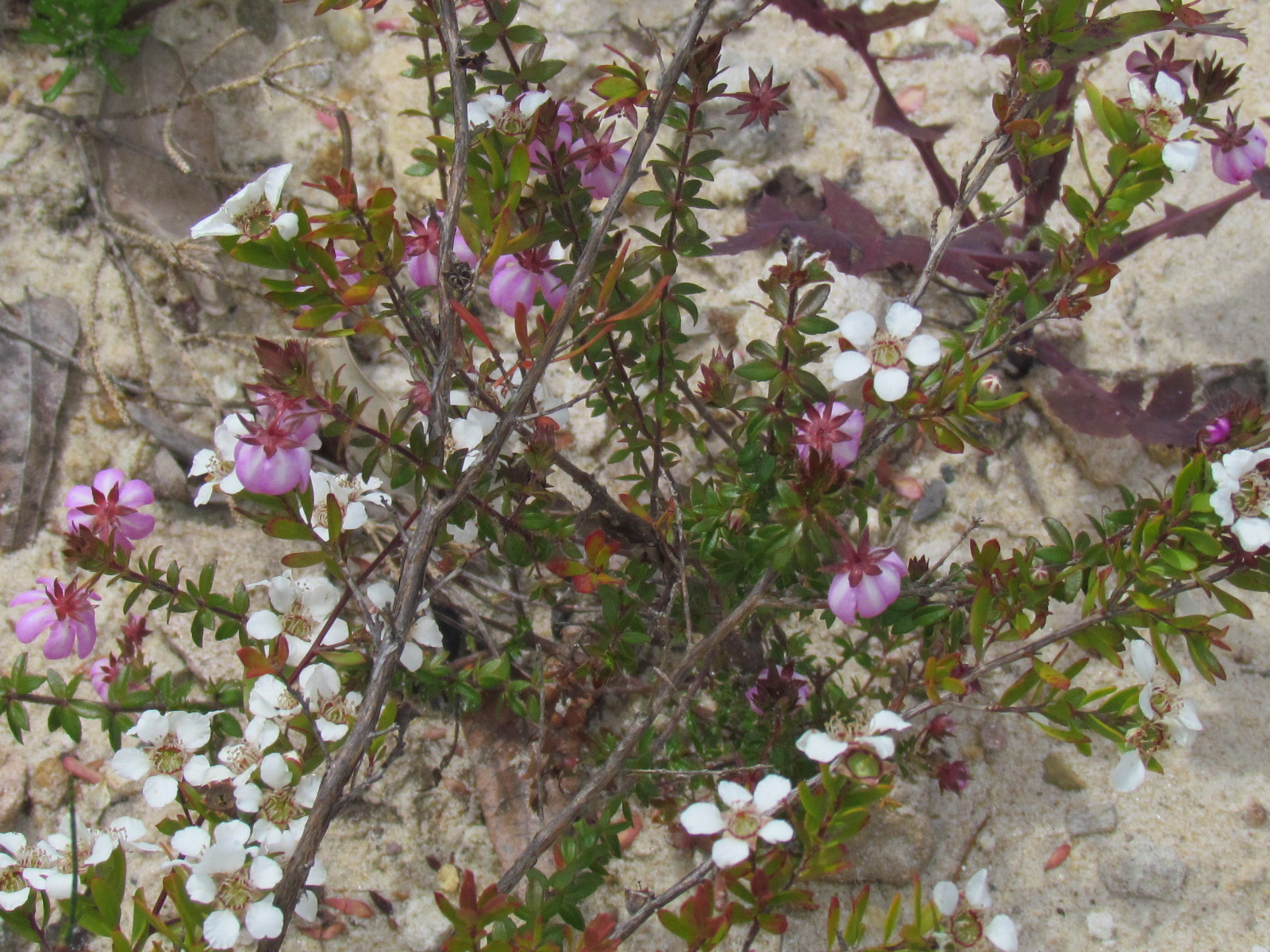
    And now for the goodies. This is a tea tree (Leptospermum):

    Tea tree

    More tea tree, intertwined with a pink-flowered something:

    Tea tree

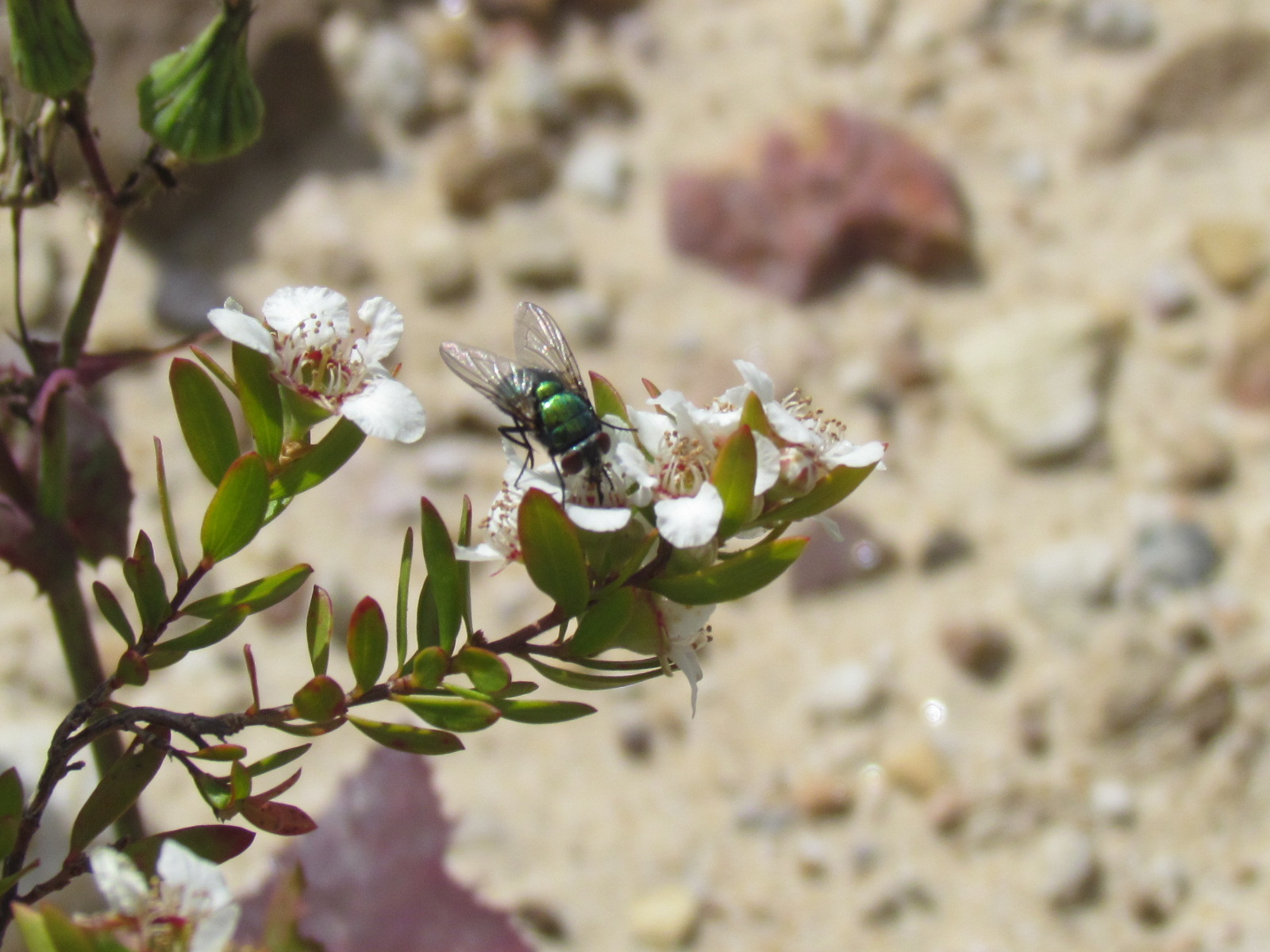
    A colourful fly enjoying tea tree nectar:

    Colourful fly enjoying tea tree nectar

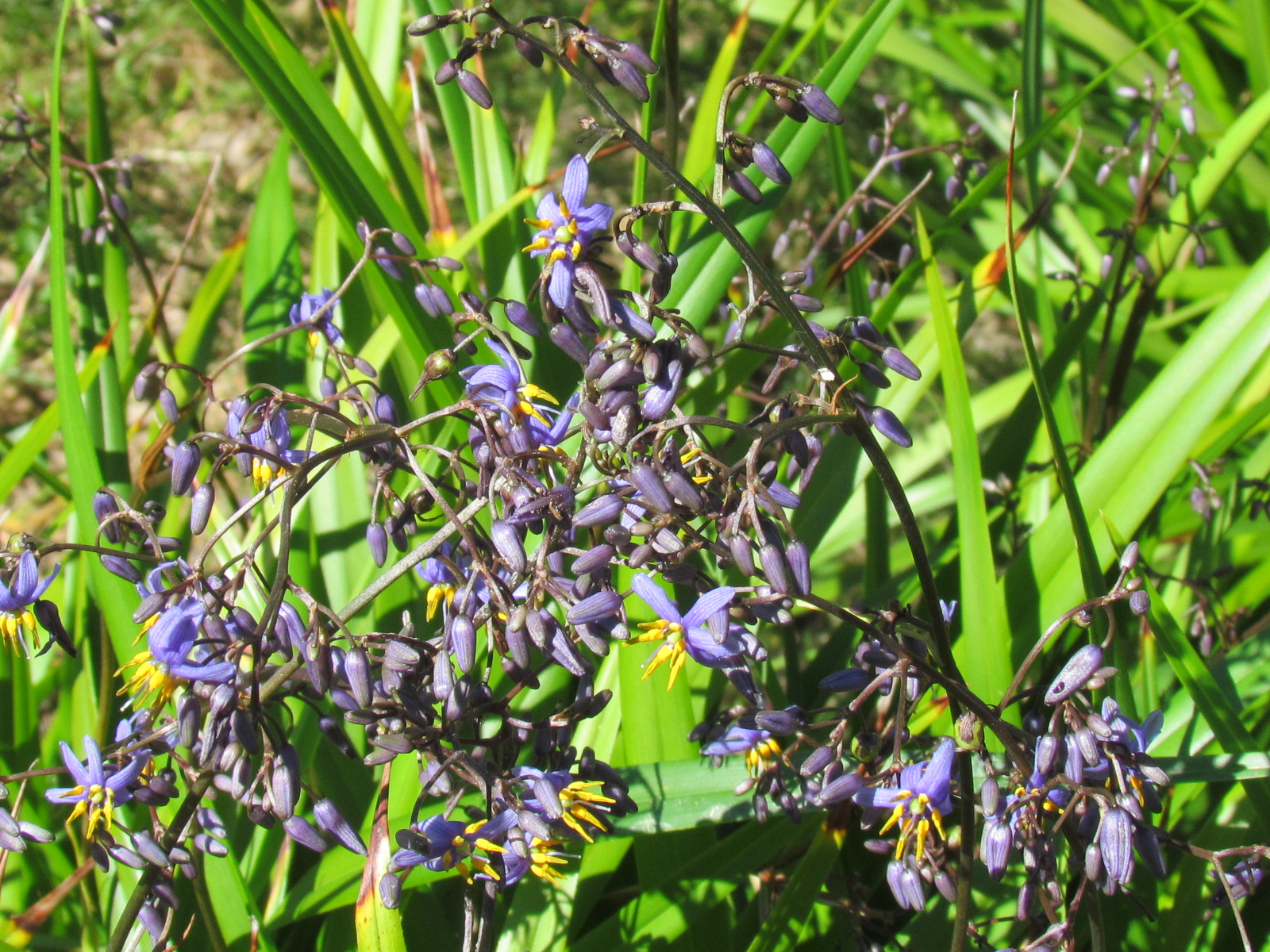
    This Dianella caerulea has bright blue flowers, and eventually blueish purple berries that are edible. The TC, bless her soul, delights in plucking them straight from the garden and popping them in her mouth:

    Dianella caerulea

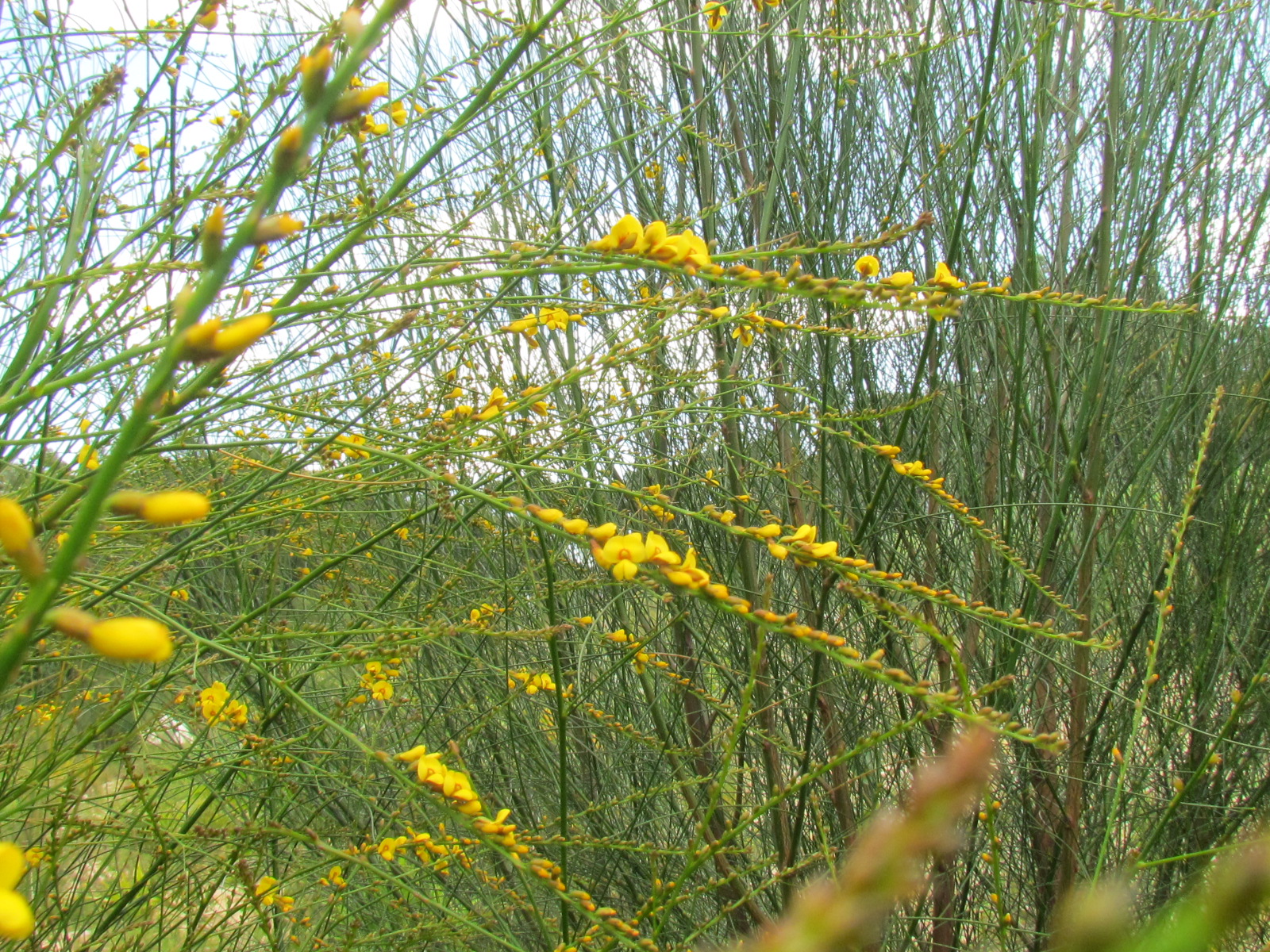
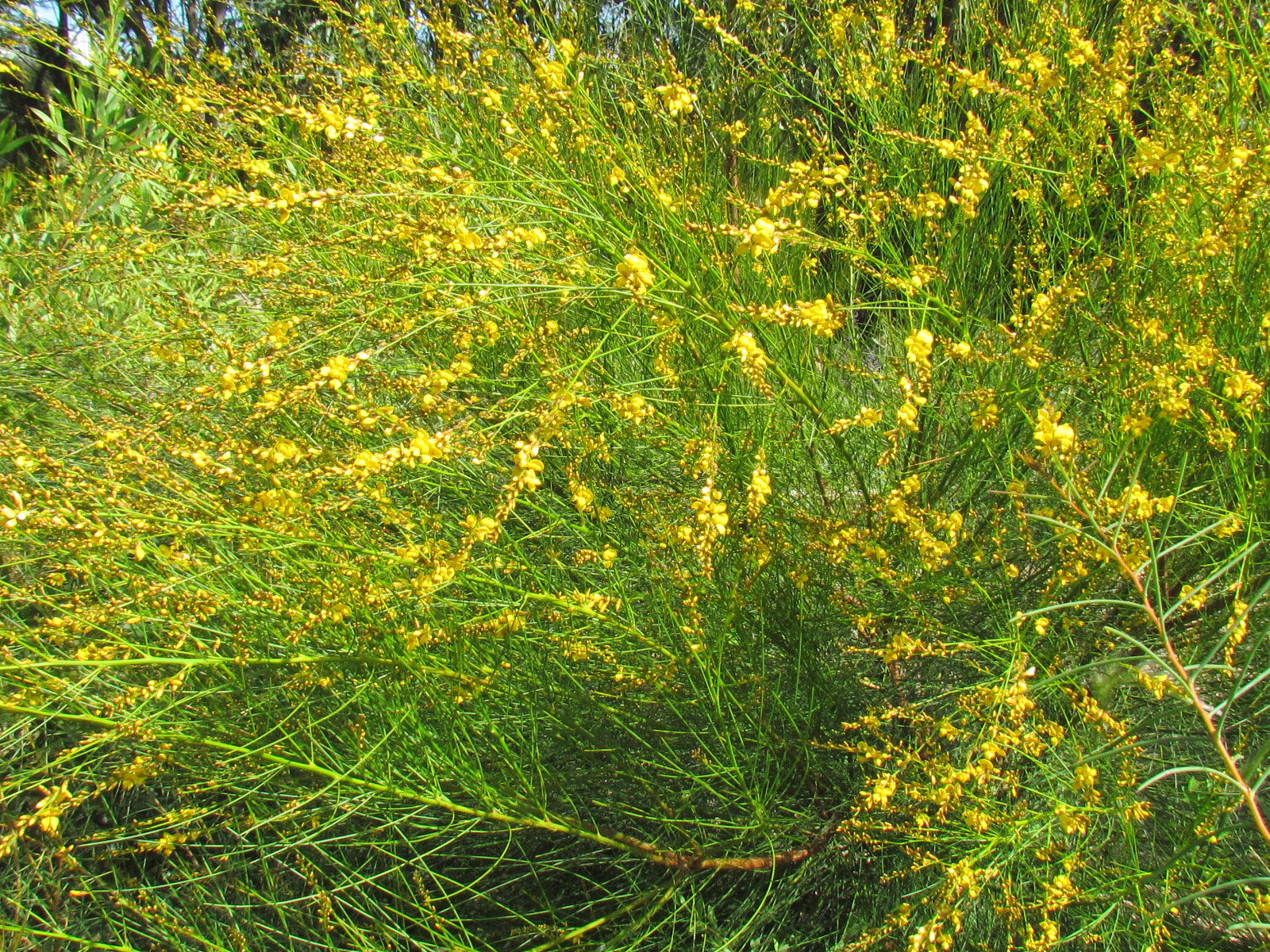
    There was a lot of this yellow-flowered bush. The TC doesn’t know the name of it:

    Yellow-flowered bush

    A profusion of yellow:

    Yellow-flowered bush

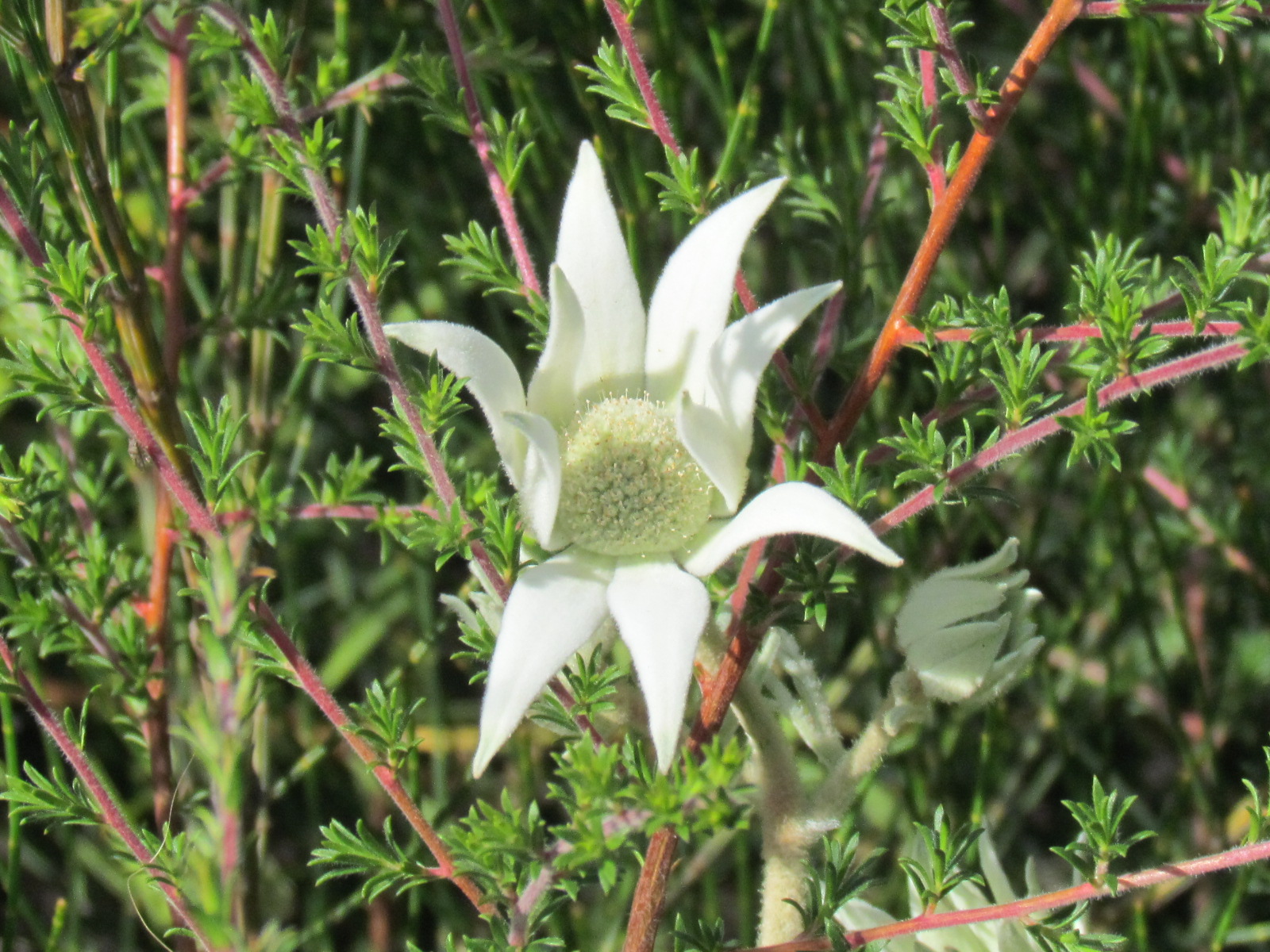
    A hardy white flower, the name of which currently escapes the TC and me:

    White daisy-like flower

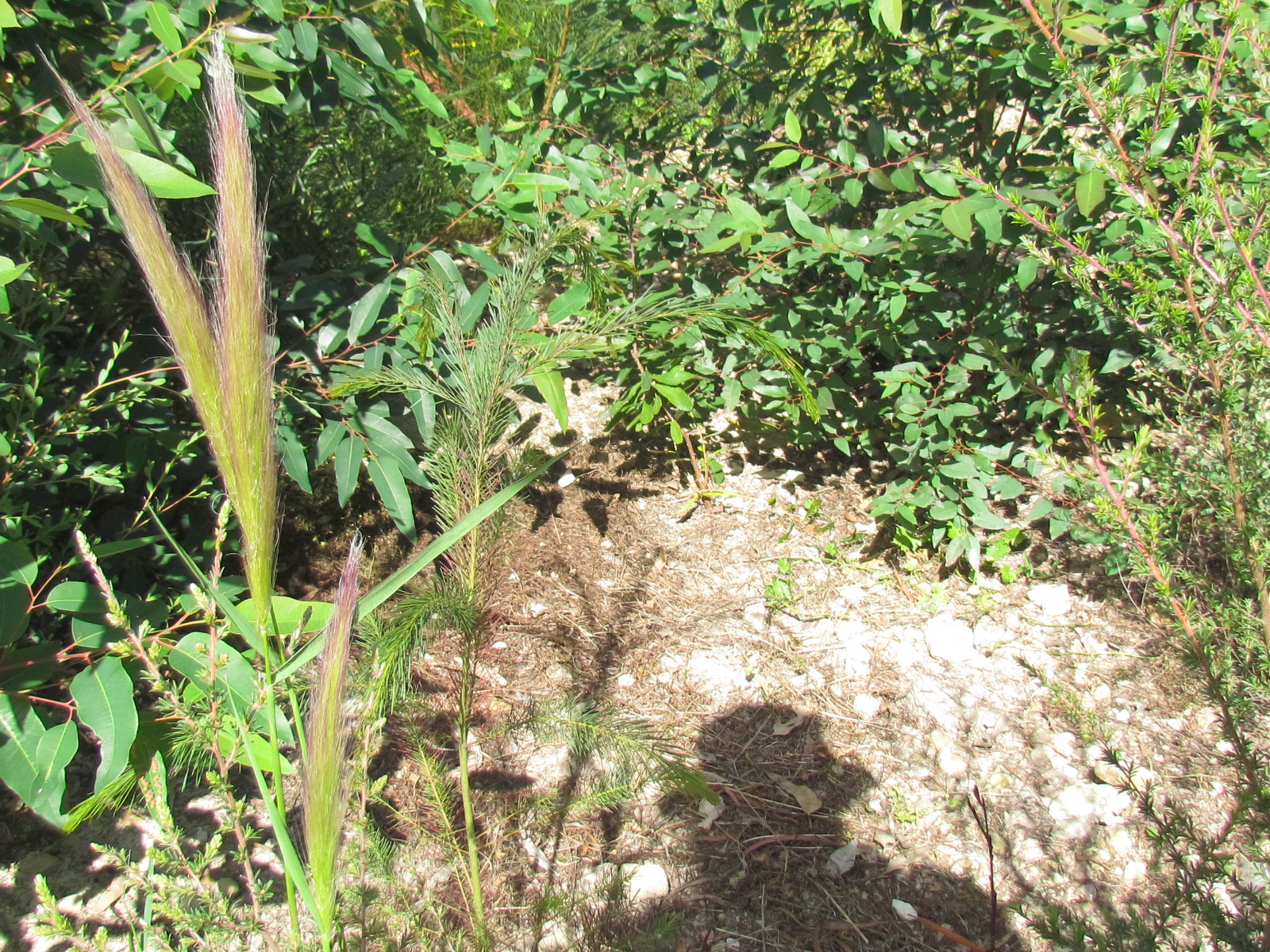
    A rare shot of the TC photographing some grass. Note the hat!

    Grass flower

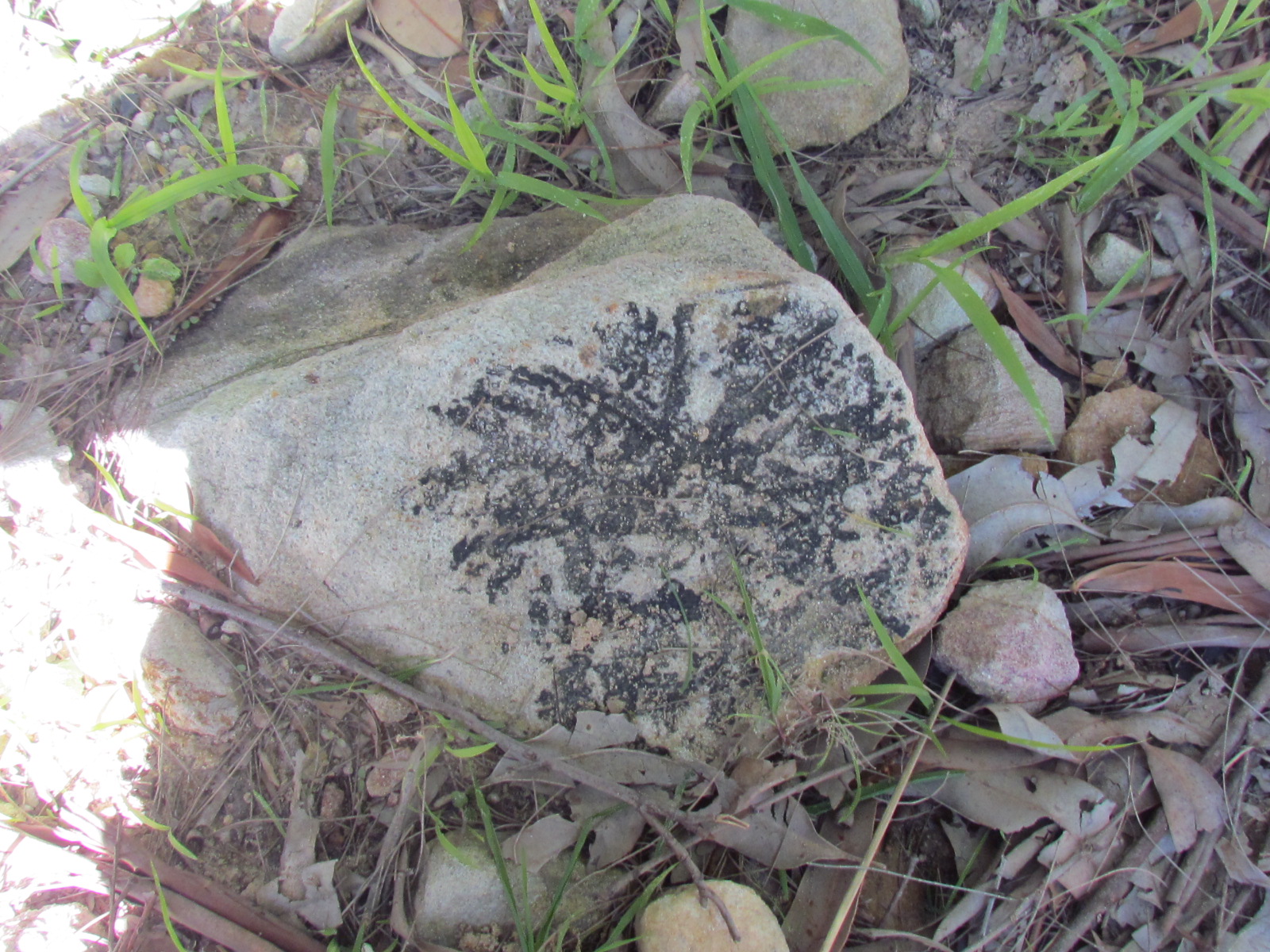
    The TC isn’t sure if this is a fossilised leaf or just a pattern in the sandstone rock:

    Fossilised leaf in sandstone?

    That’s all for today, folks.

  • Wentworth Falls and Valley of the Waters, Leura

    This is the blog of Mark Wordsworm, the travelling worm. I’m a 25-year-old bookmark and can proudly boast my own Hallmark serial number, 95 HBM 80-1. You’ll probably want to read all about me and my Travelling Companion (the TC).

    Today’s travel notes

    The TC recently spent a couple of days in Leura, a town in the Blue Mountains near Sydney. I was there too, but I spent my time cosily buried in a book. The TC, brave soul that she is, went on a four-hour hike from Leura to Wentworth Falls and back. The walk is 6 to 7 kilometres in distance, with a vertical drop and ascent of 200 metres.

    My impressions? To judge by the TC’s glowing face and weary limbs, this was a walk and a half. She loved it, and had sore muscles for days afterwards.

    The book I’m in

    Jupiter War, by Neal Asher.

    Travel tip

    When walking in the Blue Mountains, take plenty of water and some food. Although your intention may be to stay out only a couple of hours, weather can change and mishaps can happen.

    Recommended accommodation

    Fairmont Resort, 1 Sublime Point Rd, Leura NSW 2780. Comfort, warmth, and friendliness.

    The photos

    Looking out over the Blue Mountains from the Fairmont Resort in Leura. This is where the four-hour walk started. Early in the morning, the valley is filled with mist:

    Leura, Blue Mountains

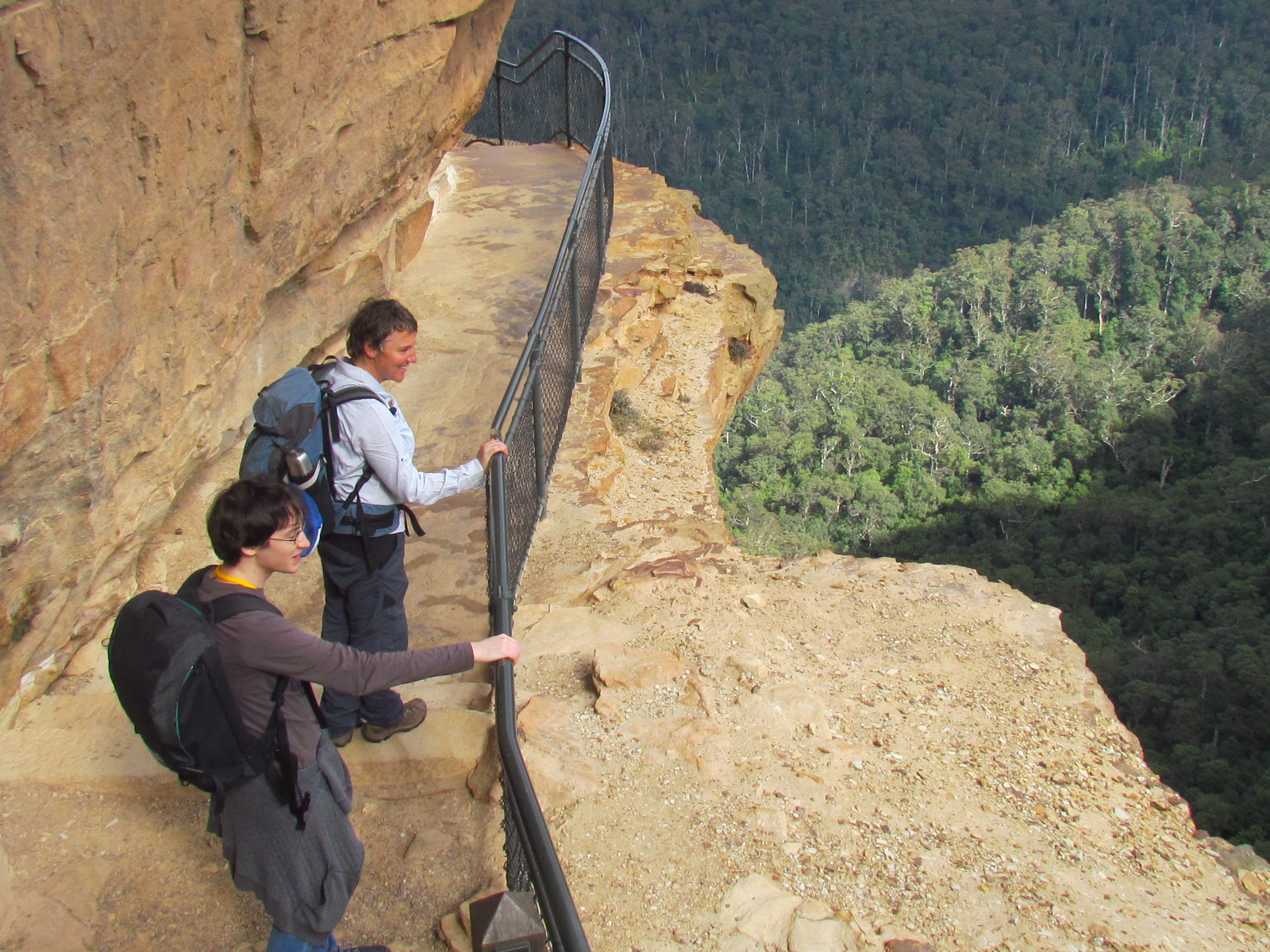
    On the way to Wentworth Falls, the path takes you up and down, through forest-filled glens, under overhanging rocks, along cliff faces:

    Walk to Wentworth Falls

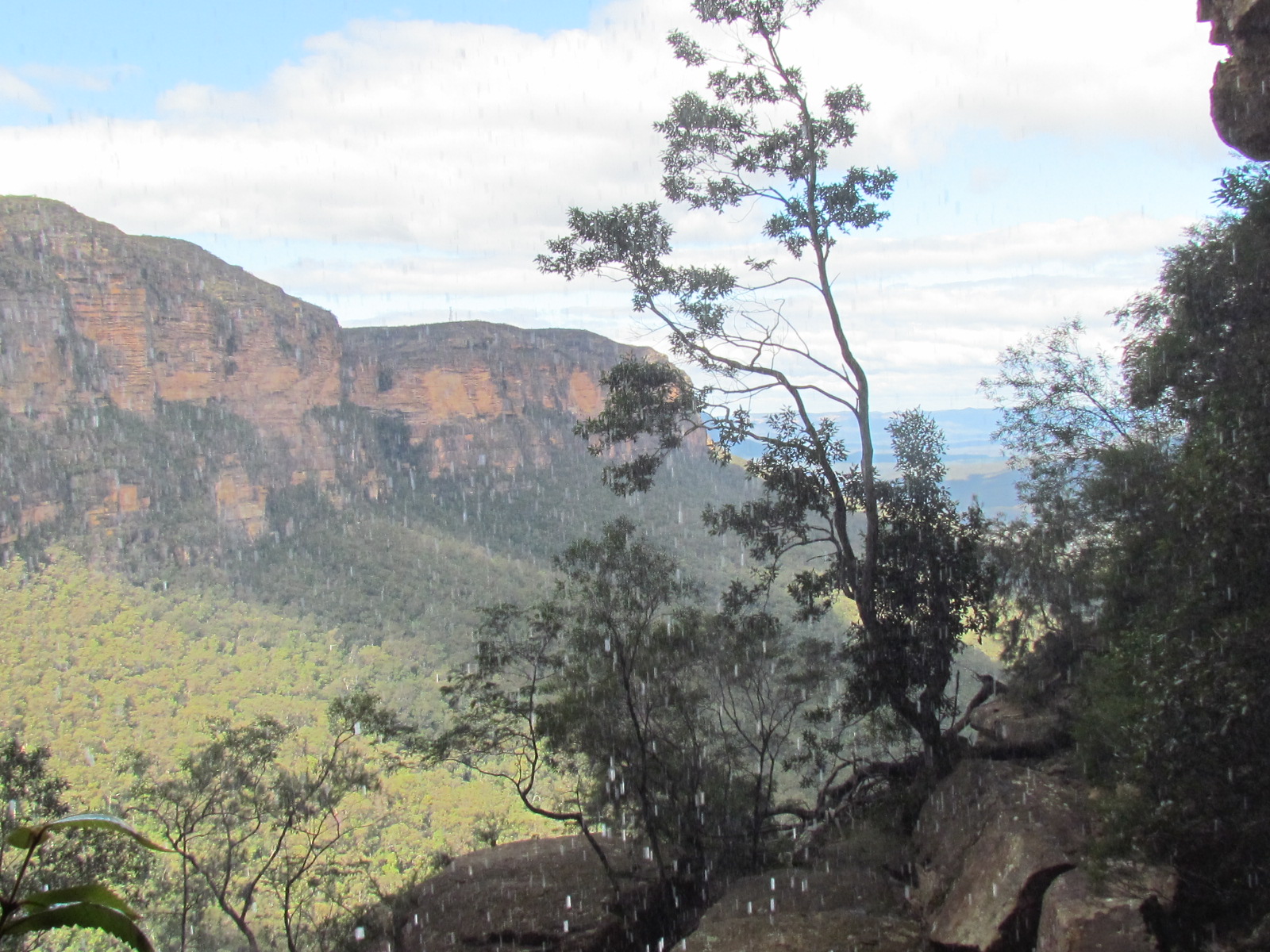
    The views are stunning:

    On the way to Wentworth Falls

    At the top of Wentworth Falls, the ground just ends. The water falls over the edge:

    At the top of Wentworth Falls

    Wentworth Falls, seen from the bottom:

    Wentworth Falls

    To get down there, you can take the National Pass, a spectacular cliff-face path of metal and rock:

    National Pass, Wentworth Falls

    Cockatoos frolic around the falls:

    Cockatoo at Wentworth Falls

    On the loop back to Leura, the TC’s group walked through the Valley of the Waters. This is a gorgeous walk, with waterfalls and hanging gardens and spectacular views. This shot is taken from behind the curtain of water that drops off the cliffs:

    Valley of the Waters, Blue Mountains

    Here’s a short video taken from behind the same waterfall:

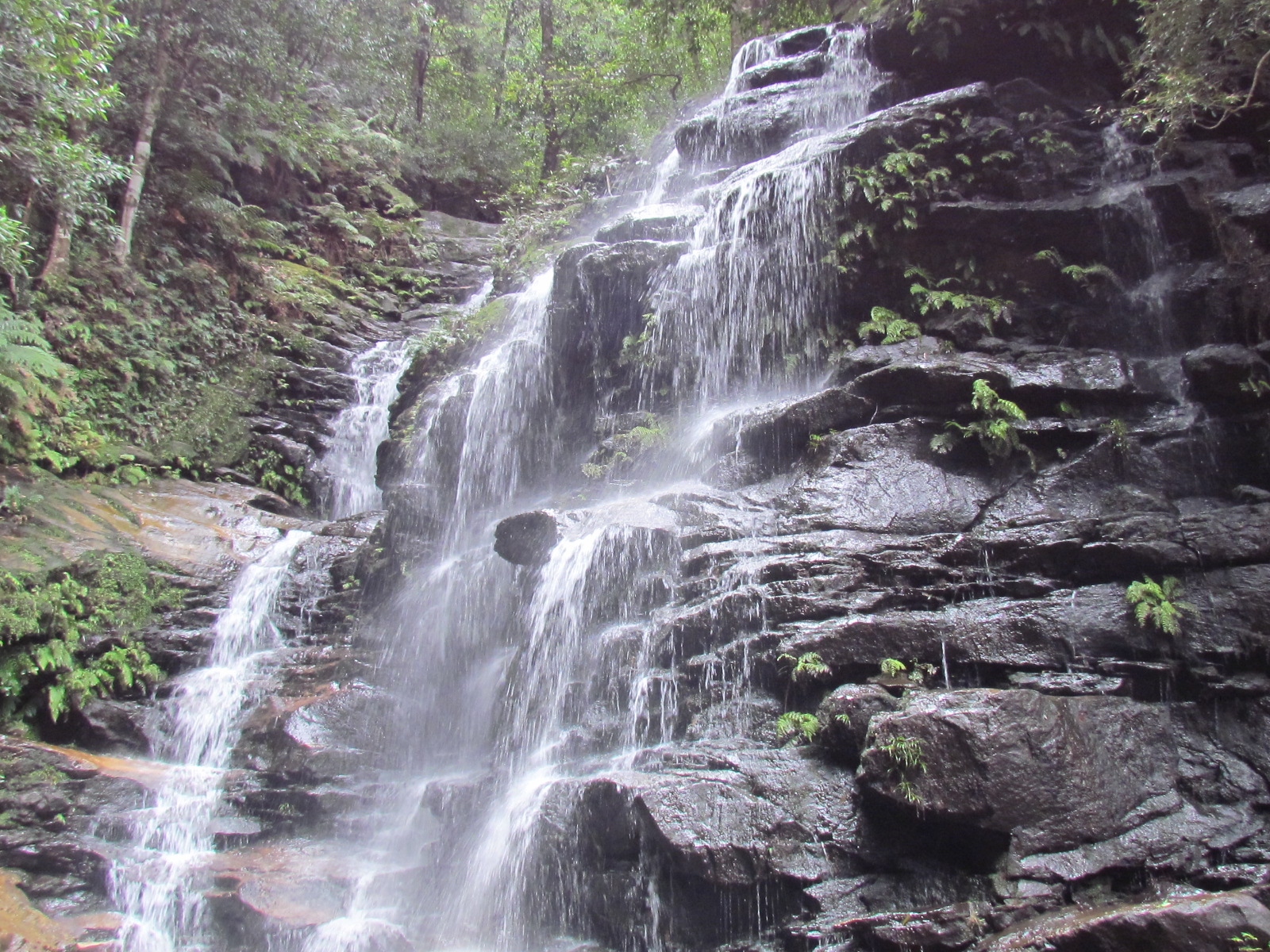
    The Cascades are a silver shower of water on black rock:

    The Cascades, Valley of the Waters

    That’s all for today, folks.

  • A tad chilly at the Twelve Apostles, Victoria, Australia

    This is the blog of Mark Wordsworm, the travelling worm. I’m a 25-year-old bookmark and can proudly boast my own Hallmark serial number, 95 HBM 80-1. You’ll probably want to read all about me and my Travelling Companion (the TC).

    Today’s travel notes

    Me and the TC just spent a day and a half in Melbourne, Victoria. On Saturday we drove from the big smoke down to the Twelve Apostles on Australia’s south coast. The drive takes around three hours. It’s well worth the trip, to see the Apostles themselves as well as the bush and coastal area down the bottom end of Australia.

    My impressions? Bright, clear beauty.

    The book I’m in

    My Brilliant Friend, by Elena Ferrante. Teenage angst, beautifully written, with a hint of dreadfulness to come.

    Travel tip

    Take layers and layers of clothing to the bottom end of Australia. Even in spring, the cold can be bitter. Leave the brolly behind, unless it has gale-force certification.

    The photos

    Me at Twelve Apostles, Victoria:

    A tad chilly at the Twelve Apostles, Victoria. Australia

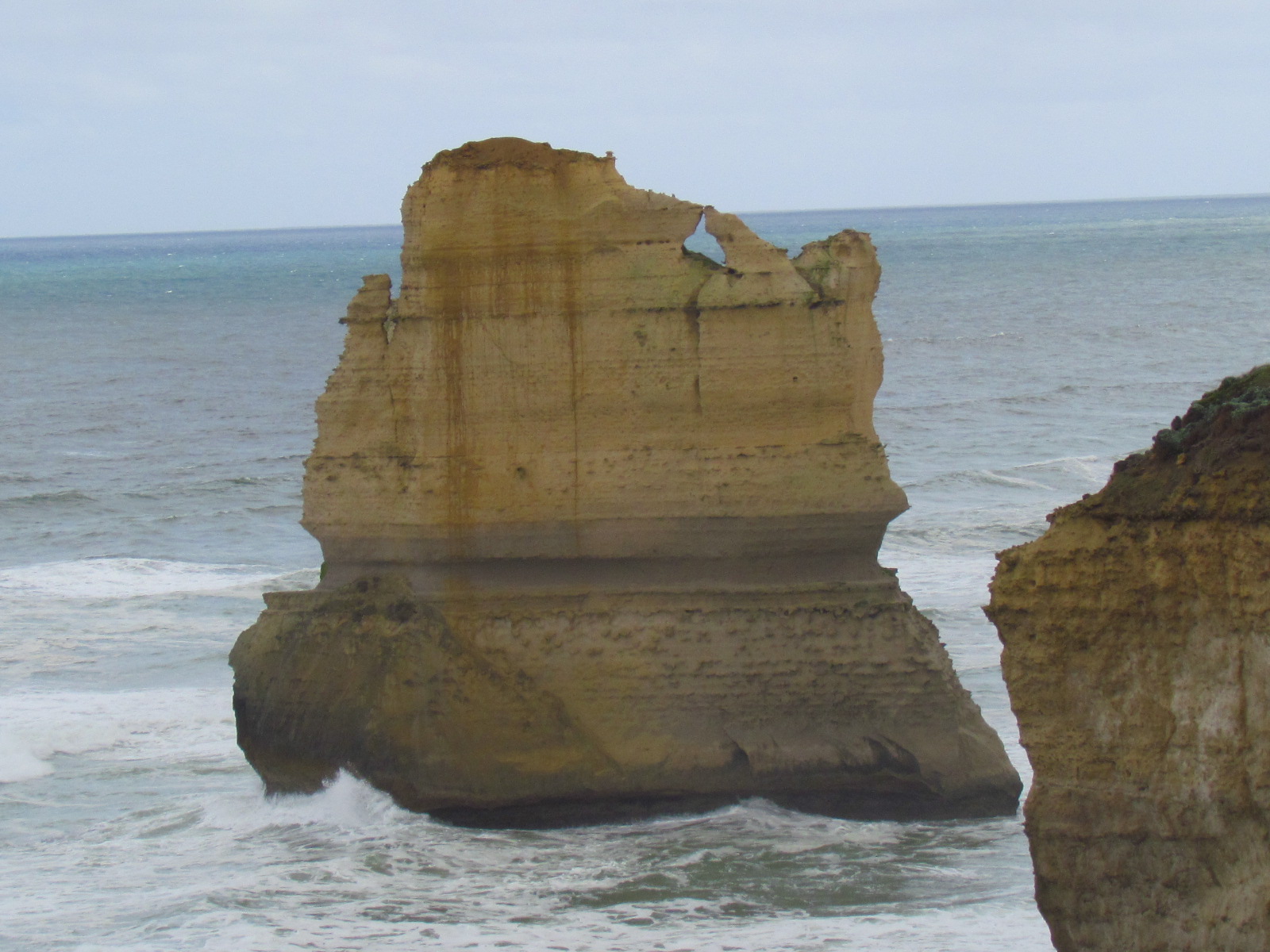
    The Apostles are these strange steeples of rock rising directly out of the waves:

    A tad chilly at the Twelve Apostles, Victoria, Australia

    The vegetation is pretty in a low-stated way. It’s early spring, with tones of silver and green:

    A tad chilly at the Twelve Apostles, Victoria, Australia

    You can walk down the cliff path at the Gibson Steps and stroll along the beach. This shot is taken with the Twelve Apostles out of sight behind the photographer:

    A tad chilly at the Twelve Apostles, Victoria, Australia

    Now for a last look at the Apostles before I go:

    A tad chilly at the Twelve Apostles, Victoria, Australia

    That’s all for today, folks.

  • Bennetts Wallaby with joey in pouch

    This is the blog of Mark Wordsworm, the travelling worm. I’m a 25-year-old bookmark and can proudly boast my own Hallmark serial number, 95 HBM 80-1. You’ll probably want to read all about me and my Travelling Companion (the TC).

    Today’s travel notes

    Me and the TC spent a couple of days in Freycinet Park, Tasmania. A Bennetts Wallaby, also called a red-necked wallaby, wandered into the car park at the start of the walk to Wineglass Bay Lookout.

    My impressions? Somewhat jaded, slightly faded – I’m referring to the wallaby, not to myself of course.

    The book I’m in

    Where Song Began, by Tim Low. The fascinating tale of how Australia’s birds took over the world.

    Recommended accommodation

    Freycinet Lodge in Coles Bay. The cabins are dotted around amongst the trees. Inside is clean and comfortable. Open the doors to step out amidst the trees, birds, wallabies and echidnas.

    The photos

    This worm can pardon the mother wallaby for her slightly dufus expression. It must be hard work carrying such a big joey in the pouch. And so hard to scratch that itch too!

    Here’s a still photo of the pair:

    Bennetts Wallaby with joey in pouch

    That’s all for today, dudes.


  • Echidna at Freycinet Park, Tasmania

    This is the blog of Mark Wordsworm, the travelling worm. I’m a 25-year-old bookmark and can proudly boast my own Hallmark serial number, 95 HBM 80-1. You’ll probably want to read all about me and my Travelling Companion (the TC).

    Today’s travel notes

    Me and the TC spent a couple of days in Freycinet Park, Tasmania. We encountered a couple of echidnas, sometimes called spiny anteaters.

    Unlike other famed Australian creatures, echidnas are not marsupials, although they do have a pouch. So, why not a marsupial? Because they lay eggs and put the eggs into the pouch, whereas marsupials give birth to tiny babies which crawl into the pouch. This puts echidnas into a rare order called “monotremes”. The only other creatures in this order are platypuses.

    My impressions? Like a small prickly bear with ostrich tendencies.

    The book I’m in

    Where Song Began, by Tim Low. The fascinating tale of how Australia’s birds took over the world.

    Recommended accommodation

    Freycinet Lodge in Coles Bay. The cabins are dotted around amongst the trees. Inside is clean and comfortable. Open the doors to step out amidst the trees, birds, wallabies and echidnas.

    The photos

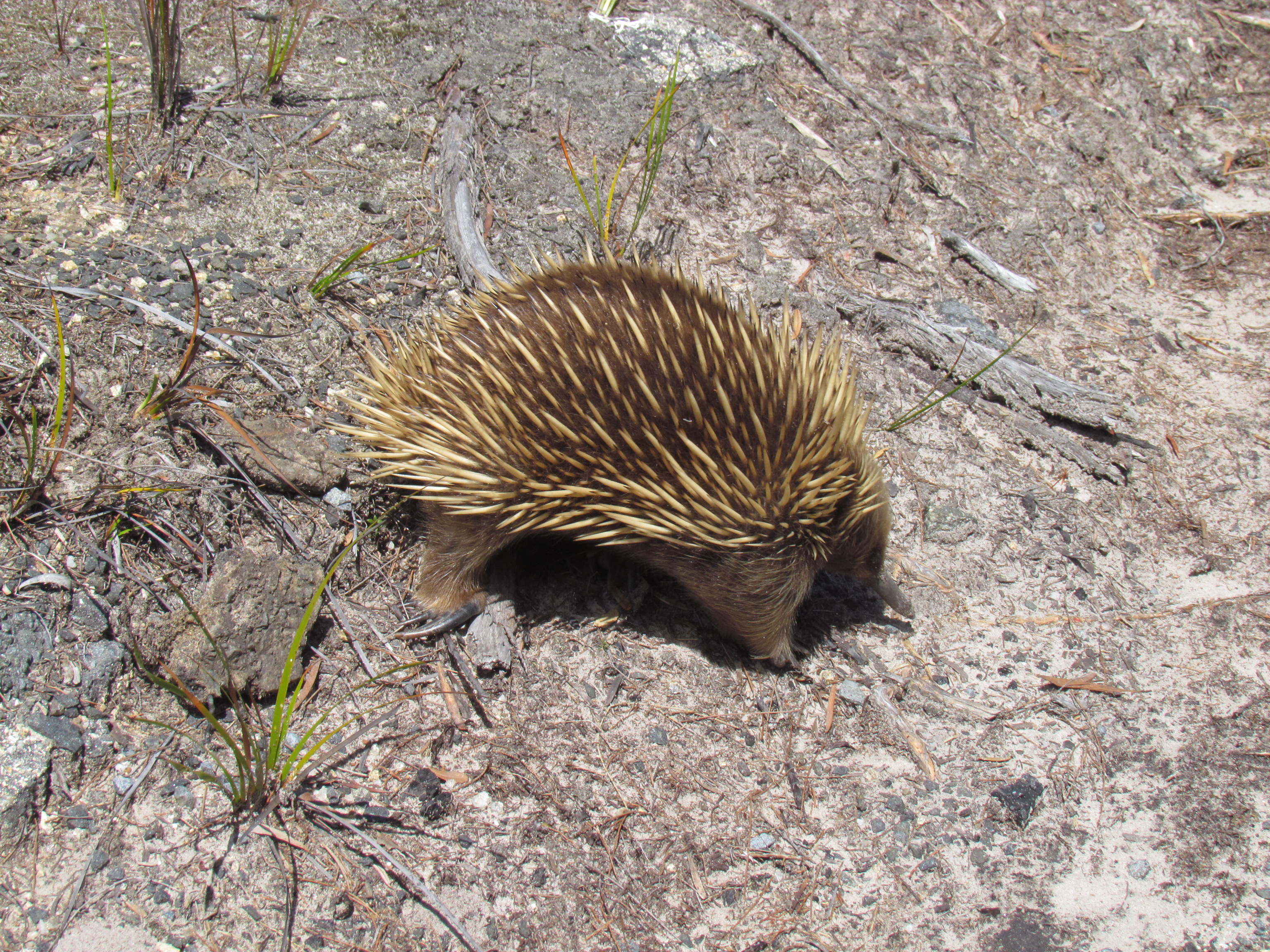
    Here’s the first echidna we saw. It “hid” when it heard us, by sticking its snout in a bush. After a few minutes it decided we must have gone away, so it came out to play:

    The TC, bless her cotton socks, says this has to be the cutest animal ever. This is the second echidna that crossed her path:

    Here’s a still photo of one of them:

    Echidna in Tasmania

    That’s all for today, dudes.


  • Wine Glass Bay Lookout in Tasmania

    This is the blog of Mark Wordsworm, the travelling worm. I’m a 25-year-old bookmark and can proudly boast my own Hallmark serial number, 95 HBM 80-1. You’ll probably want to read all about me and my Travelling Companion (the TC).

    Today’s travel notes

    Me and the TC spent a couple of days in Freycinet Park, Tasmania. We took the half-hour stroll up to Wineglass Bay Lookout.

    If you’re fond of birds, take a look at the New Holland Honeyeater the TC filmed at the lookout.

    My impressions? The detail is in the trees.

    The book I’m in

    Catching Fire, part 2 of The Hunger Games, by Suzanne Collins. Classy teen science fiction that appeals to adults for its fast pace, clever social commentary and appealing characters.

    Travel tip

    Take the time to look around as you follow the trail. The walk probably won’t take as long as you think.

    Recommended accommodation

    Freycinet Lodge in Coles Bay. The cabins are dotted around amongst the trees. Inside is clean and comfortable. Open the doors to step out amidst the trees, birds, wallabies and echidnas.

    The photos

    Me at Wineglass Bay Lookout:

    Wine Glass Bay Lookout in Tasmania

    On the TC’s insistence, here’s a picture with Wineglass Bay in focus rather than this worm. (If I had much of a nose, it would be somewhat out of joint):

    Wine Glass Bay Lookout in Tasmania

    A tree on the trail up to the lookout:

    Wine Glass Bay Lookout in Tasmania

    Striations in a fallen trunk:

    Wine Glass Bay Lookout in Tasmania

    Rocks tower over the path:

    Wine Glass Bay Lookout in Tasmania

    That’s all for today, dudes.


  • Salamanca Market in Hobart

    This is the blog of Mark Wordsworm, the travelling worm. I’m a 25-year-old bookmark and can proudly boast my own Hallmark serial number, 95 HBM 80-1. You’ll probably want to read all about me and my Travelling Companion (the TC).

    Today’s travel notes

    Me and the TC, plus her husband whom this worm fondly dubs the “TC-once-removed”, spent a long weekend in Tasmania last week. We visited the Salamanca Market in Hobart on Saturday morning.

    My impressions? Colour, talent, scents, laughter.

    The book I’m in

    Catching Fire, part 2 of The Hunger Games, by Suzanne Collins. Classy teen science fiction that appeals to adults for its fast pace, clever social commentary and appealing characters.

    Travel tip

    Take a stroll around the streets in the area of the market, to smell the roses and absorb the architectural variety.

    Recommended restaurant

    This worm was a tad disappointed in the lunch we found near Salamanca Markets. I’d heard Hobart is a gourmet heaven, but the TC’s potato salad was decidedly below par. Enough said on that score.

    The photos

    Me in Salamanca Place:

    Salamanca Market in Hobart

    Looking up through Salamanca Market towards Gladstone street:

    Salamanca Market in Hobart

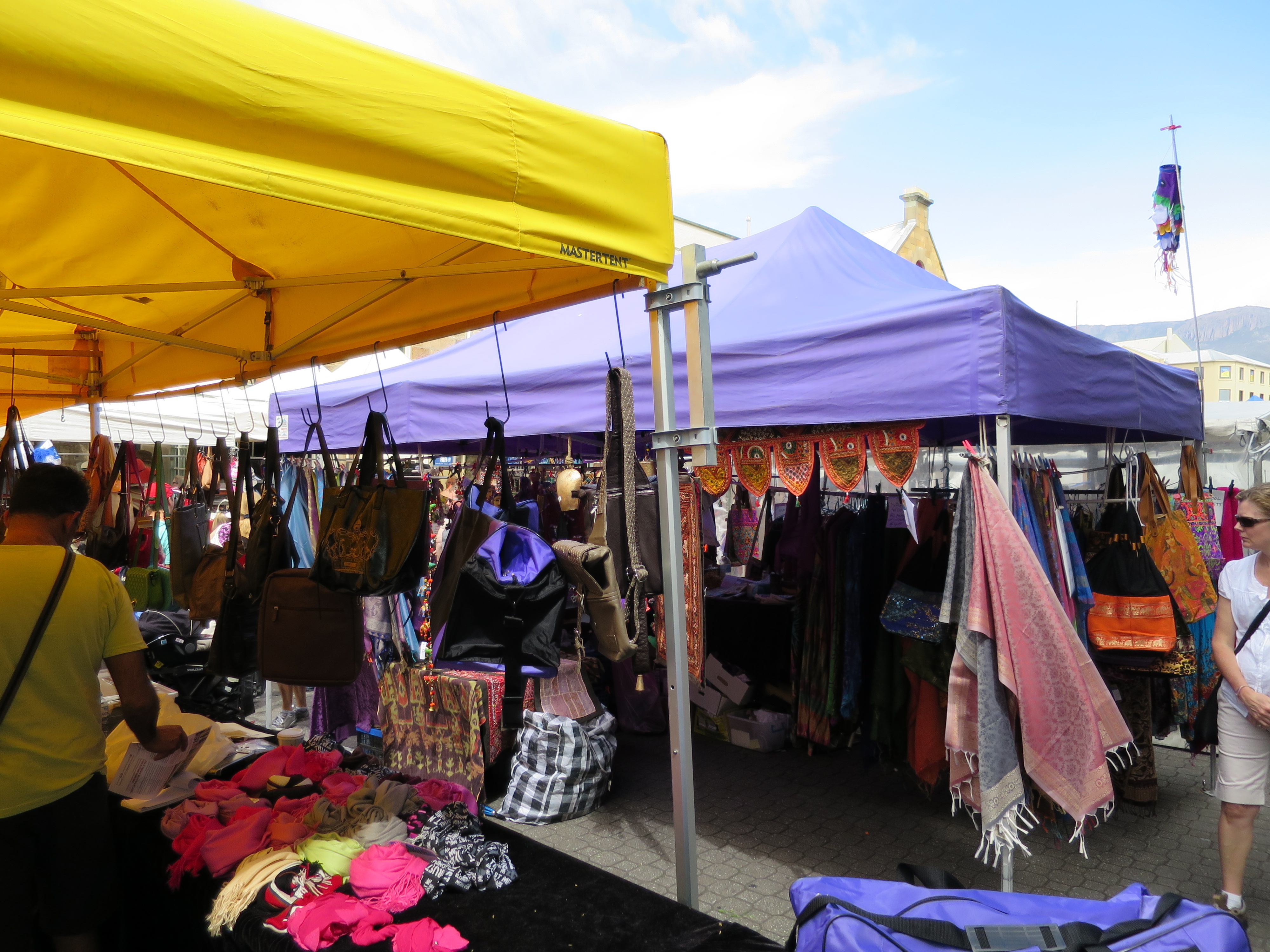
    A couple of the colourful market stalls, snapped by the TC-once-removed:

    Salamanca Market in Hobart

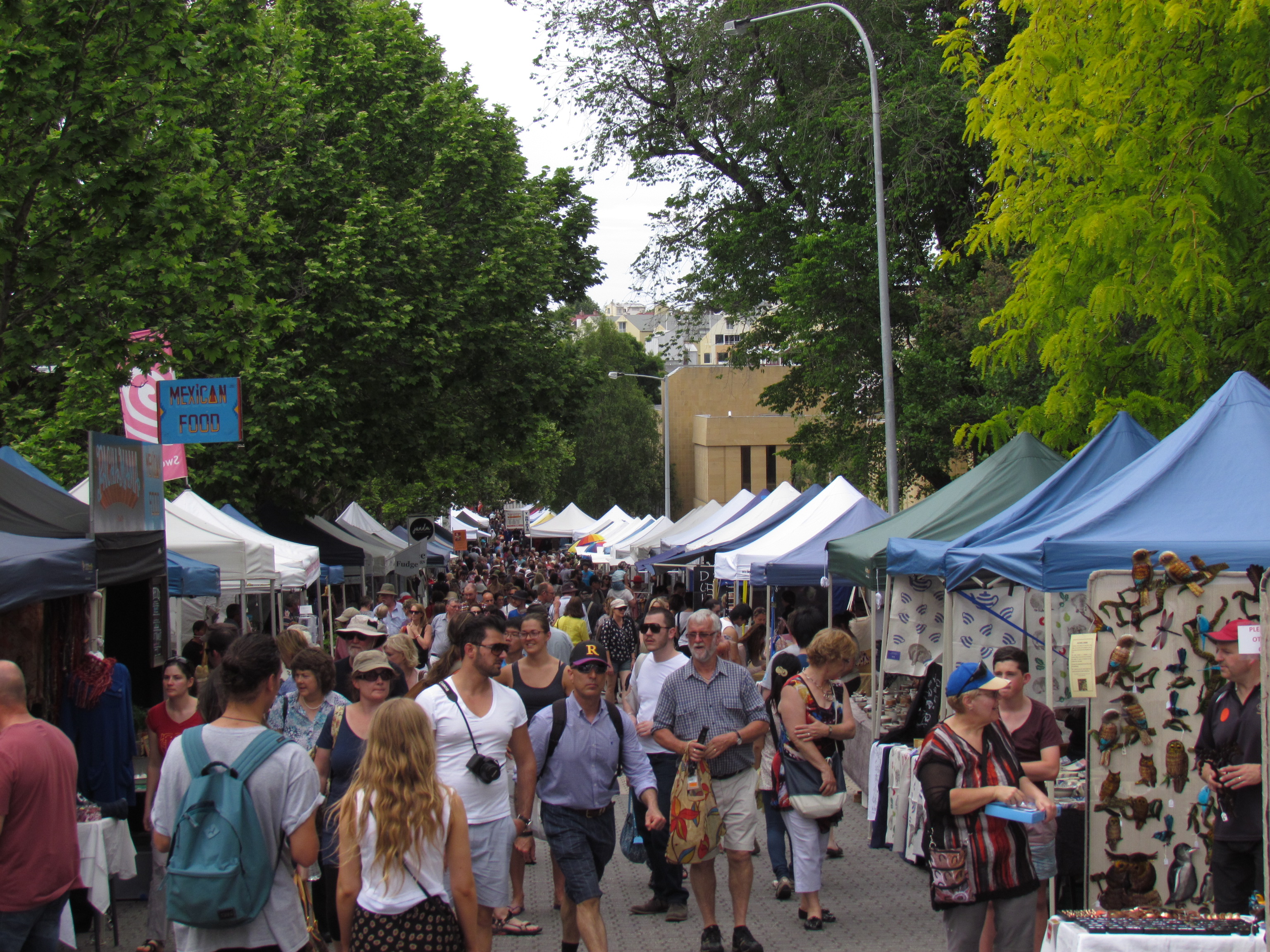
    The view from Gladstone street, looking down through the market:

    Salamanca Market in Hobart

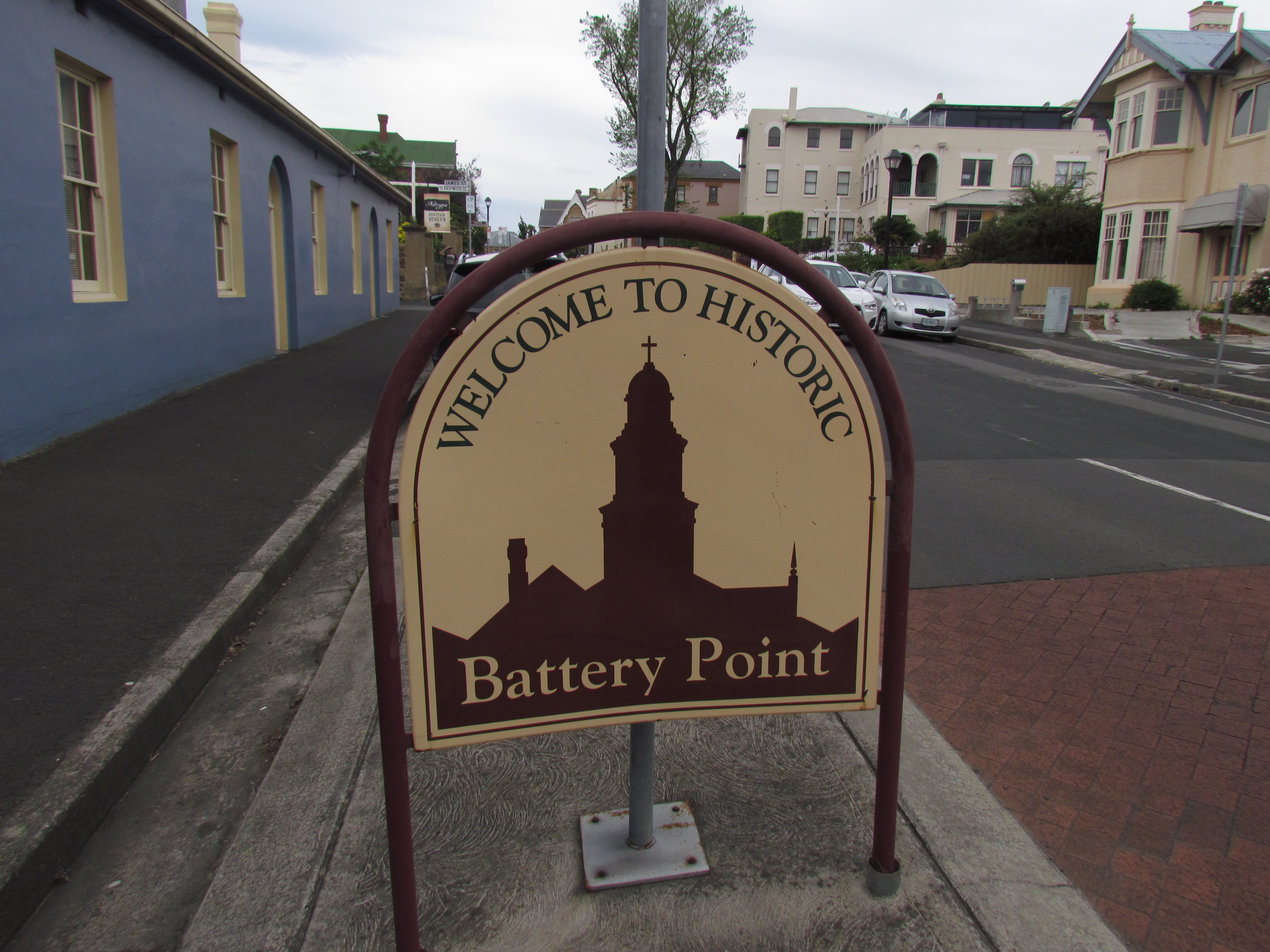
    Nearby the market is Battery Point. It’s one of the longest-settled parts of Hobart, dating back to around 1804:

    Battery Point, Hobart

    The balcony on this building intrigued the TC-once-removed, because there’s no way of getting onto it:

    Hobart

    Wrought iron and roses:

    Hobart

    A rose, just because it is:

    A rose in Hobart

    That’s all for today, dudes.


  • Cockatoo Island in Sydney

    This is the blog of Mark Wordsworm, the travelling worm. I’m a 25-year-old bookmark and can proudly boast my own Hallmark serial number, 95 HBM 80-1. You’ll probably want to read all about me and my Travelling Companion (the TC).

    Today’s travel notes

    Me and the TC spent yesterday afternoon on Cockatoo Island on the Parramatta River, immediately inland of Sydney harbour. It’s a forlorn place, strewn with gravel and history.

    My impressions? Sandstone, sheds and seagulls.

    The book I’m in

    Gidget, by Frederick Kohner. An engaging tale of a teenage surfer, written 1957. Clever use of language and style to carry along a simple story with tons of atmosphere.

    Travel tip

    When travelling to Cockatoo Island, take sunscreen and something to tie back your hair. (That is, if you have lots of it, as the TC does.)

    The photos

    Me on a metal lathe in the industrial area of Cockatoo Island:

    Cockatoo Island

    Cockatoo Island, as seen on Google Maps:

    Image created by Google Static Maps API: https://maps.googleapis.com/maps/api/staticmap?center=-33.8475896,151.1720669&zoom=16&size=470x352&maptype=satellite

    The Aboriginal name for the island is Wareamah. The Aboriginal people of the area used to come to the island to fish.  But there was no fresh water, so they didn’t live there permanently. In 1839 a governor of New South Wales decided the island was an ideal place to house prisoners and put them to work quarrying sandstone and building prison and military barracks and official residences.

    The entrance to the island from the ferry wharf:

    Cockatoo Island

    Walking into the industrial area:

    Cockatoo Island

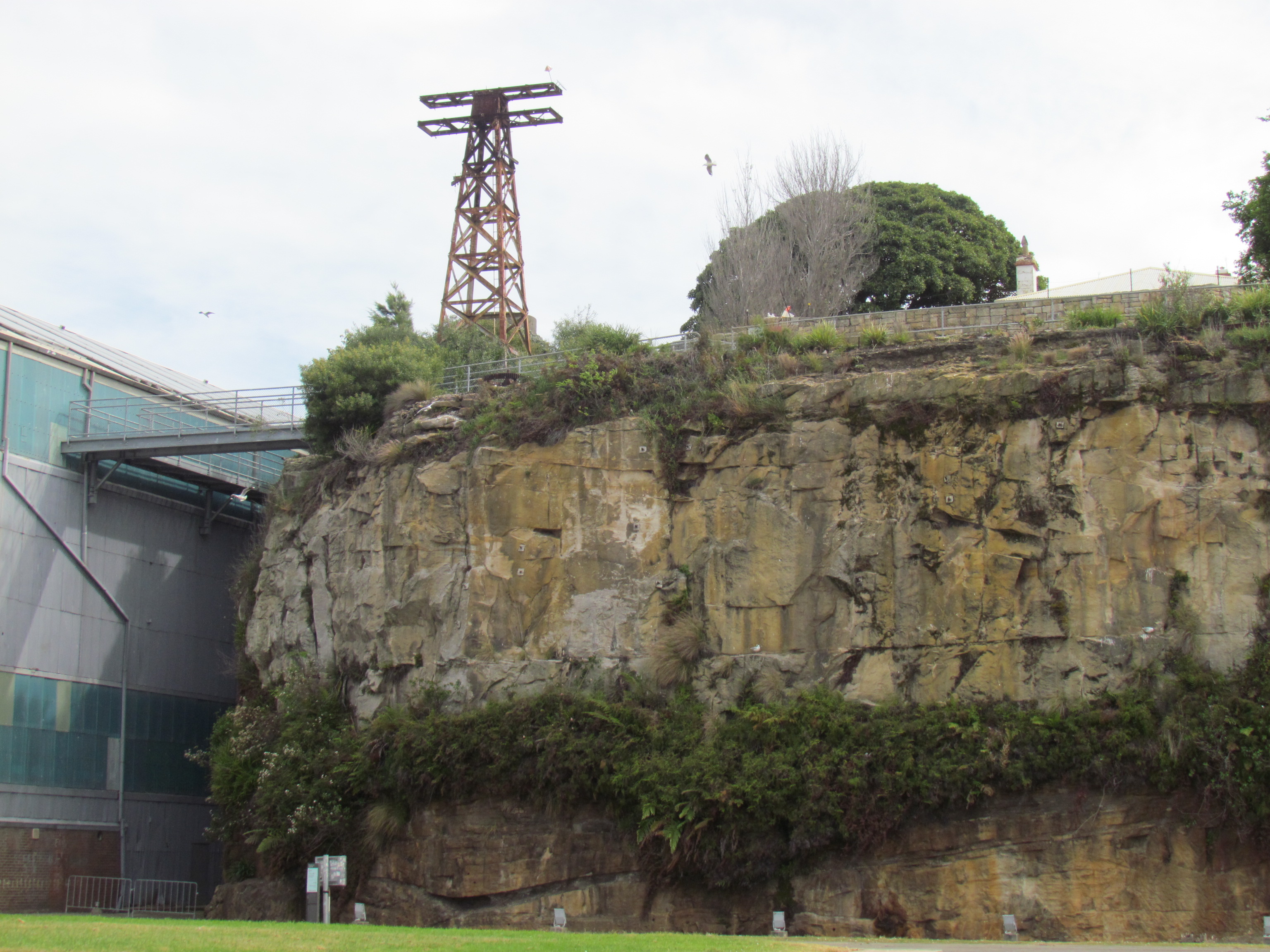
    An impressive sandstone cliff on the right as you walk in, which has survived the extensive quarrying:

    Cockatoo Island

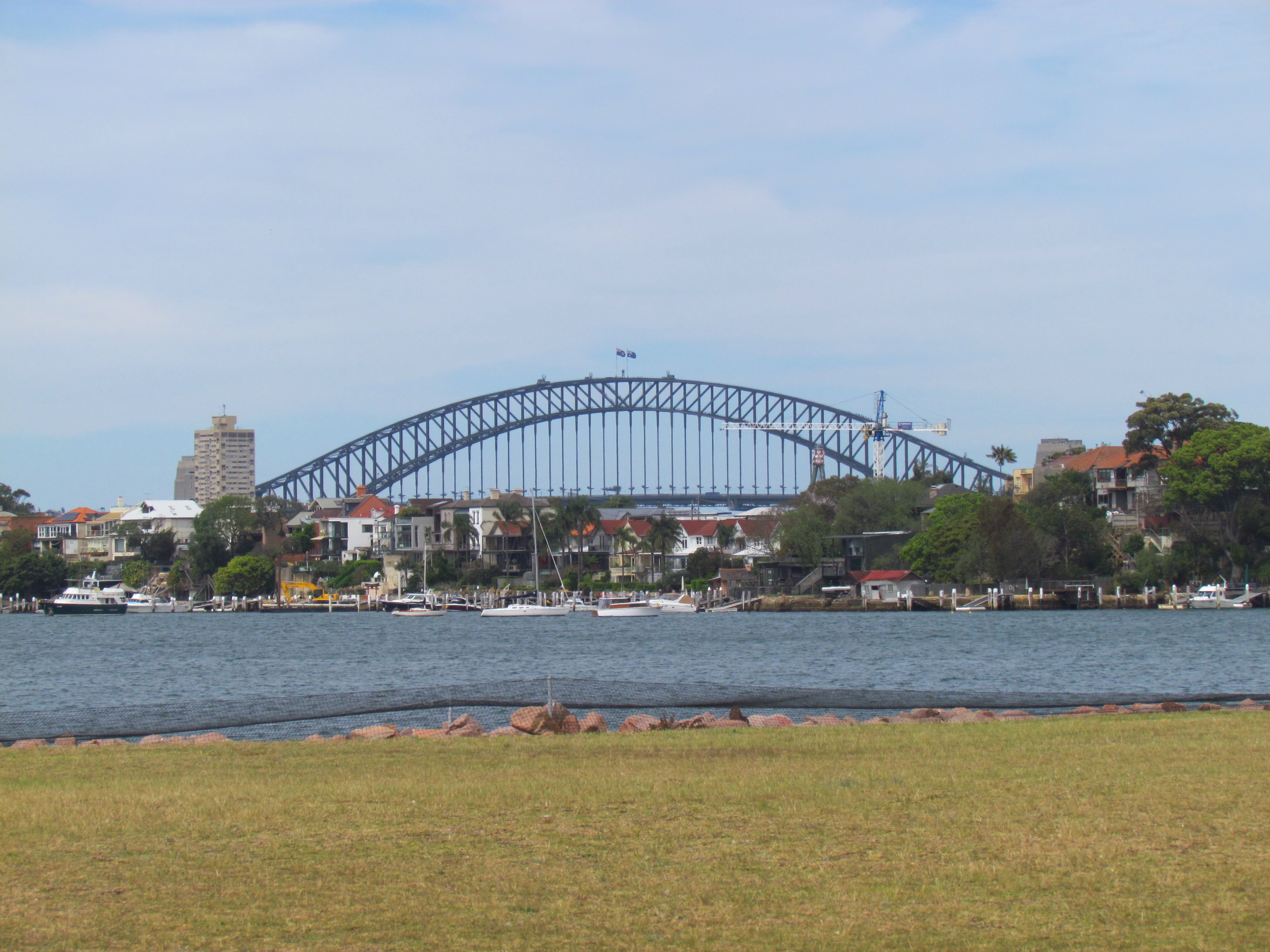
    A view of Sydney Harbour Bridge from the island:

    Cockatoo Island

    In the late 1800s and early 1900s, the island became a major ship-building site, playing a large part in ship construction and repair during World War II. Its use as a dockyard and construction facility for ships and submarines continued until 1992.

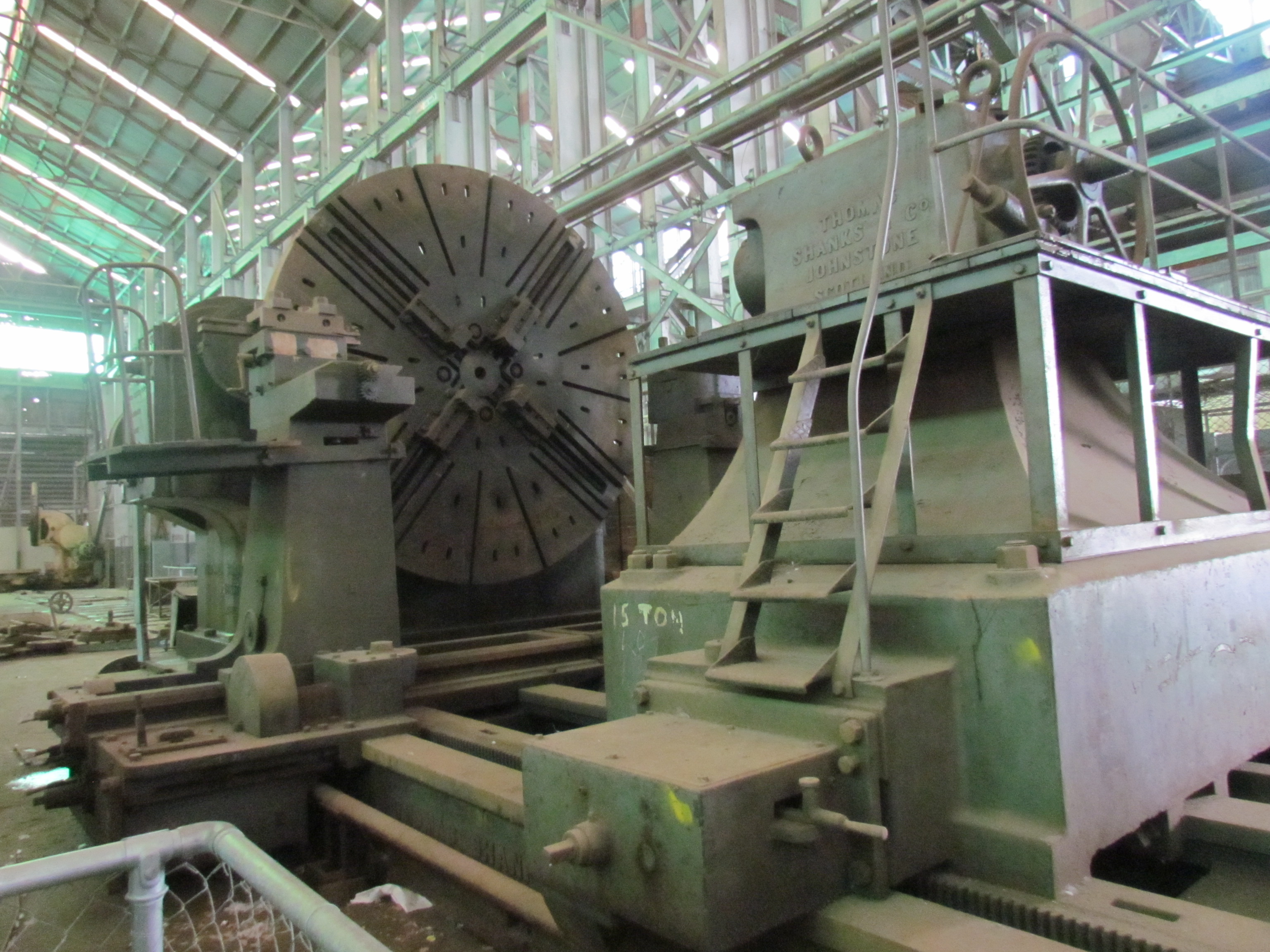
    Inside a huge ship-building shed on the island:

    Cockatoo Island

    The magnificent machinery made this worm feel small and insignificant:

    Cockatoo Island

    More machinery:

    Cockatoo Island

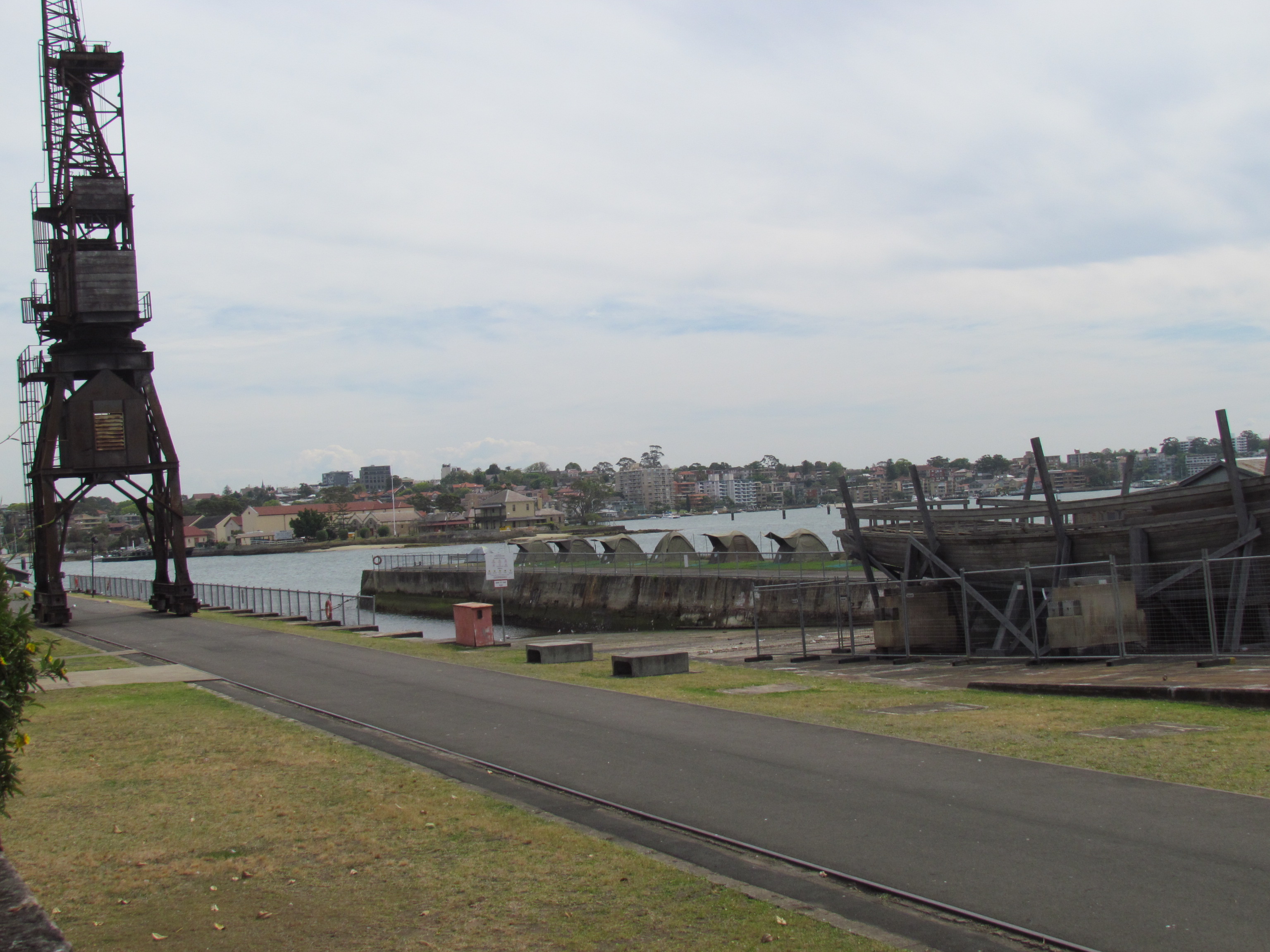
    A giant crane stands guard over the Parramatta River:

    Cockatoo Island

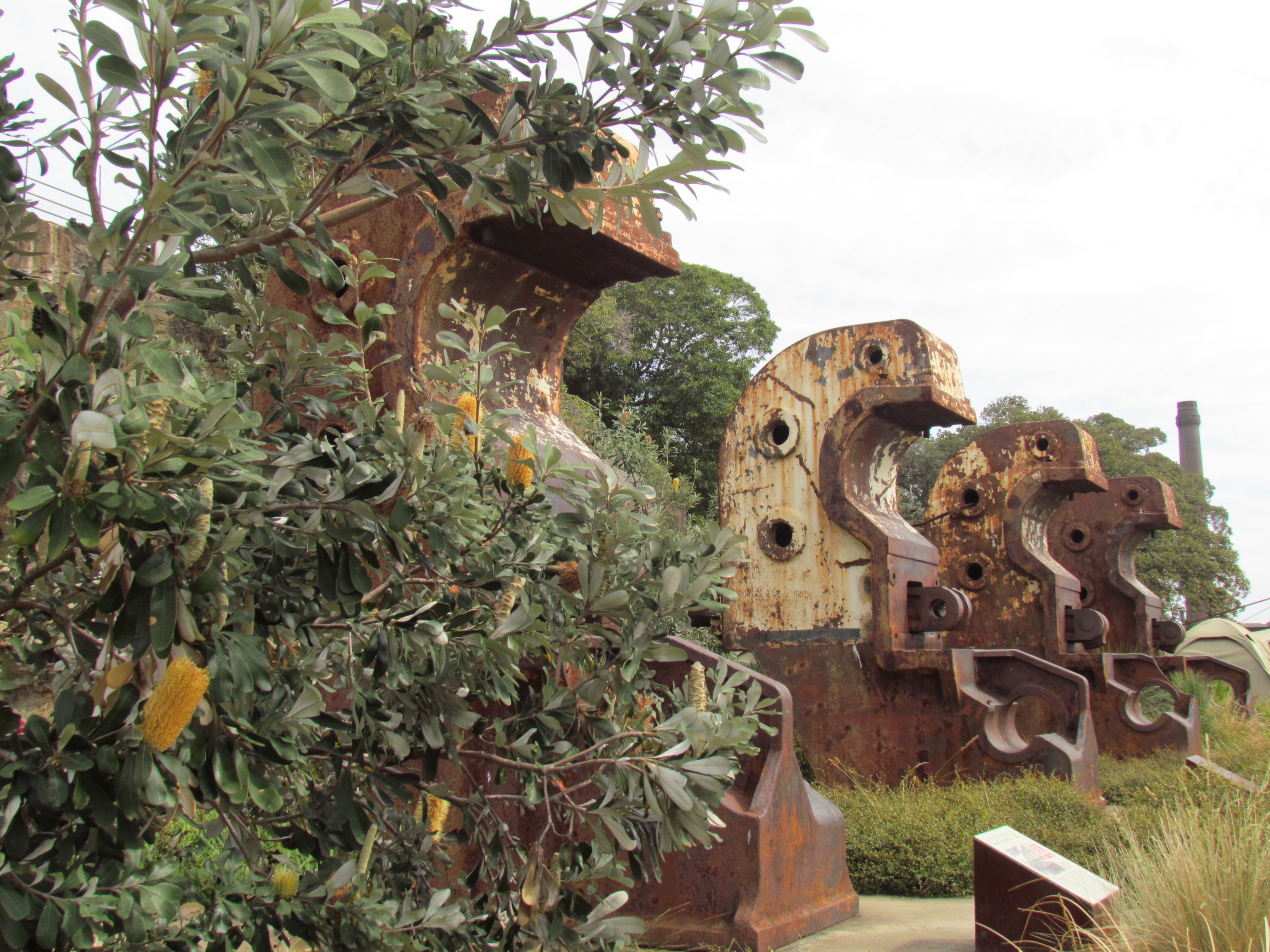
    These imposing beam benders are the remains of a hydraulically-powered plate-bending machine from the 1920s, used to bend metal plates up to 9 metres long and one inch thick for ship building:

    Cockatoo Island

    Below is one of the slipways used to launch ships after construction. Film buffs note: The ark at the top of the slipway was created for and used in the film “Unbroken”, directed by Angelina Jolie and filmed on the island last year:

    Cockatoo Island

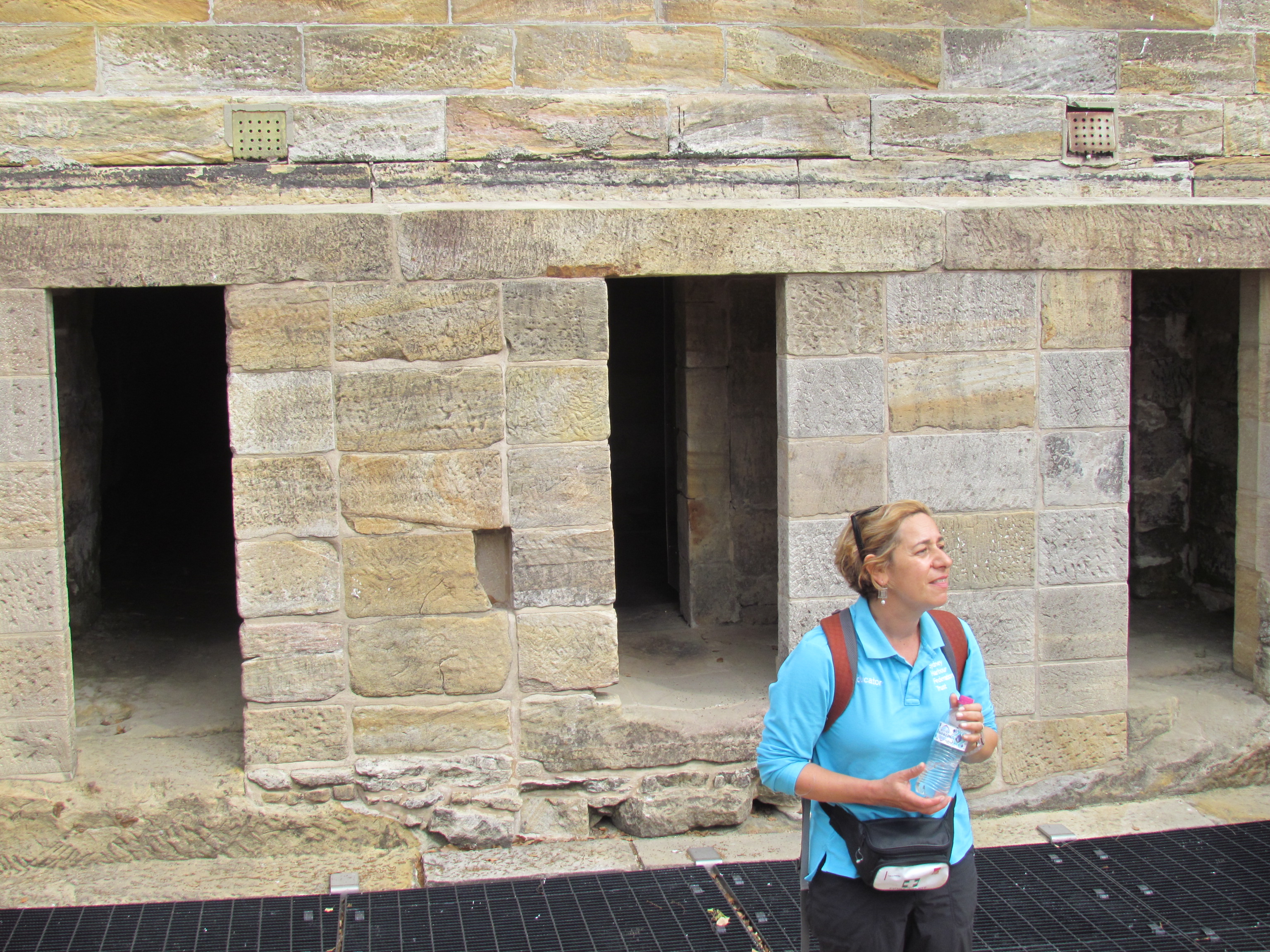
    The solitary confinement cells on the island, opened to visitors only last week, and introduced with great enthusiasm by our charming guide:

    Cockatoo Island

    Inside the left-most solitary-confinement cell:

    Cockatoo Island

    A tunnel cut through the sandstone, built in 1912, and used as an air-raid shelter during WWII:

    Cockatoo Island

    A view through the window of the now roofless military guardhouse:

    Cockatoo Island

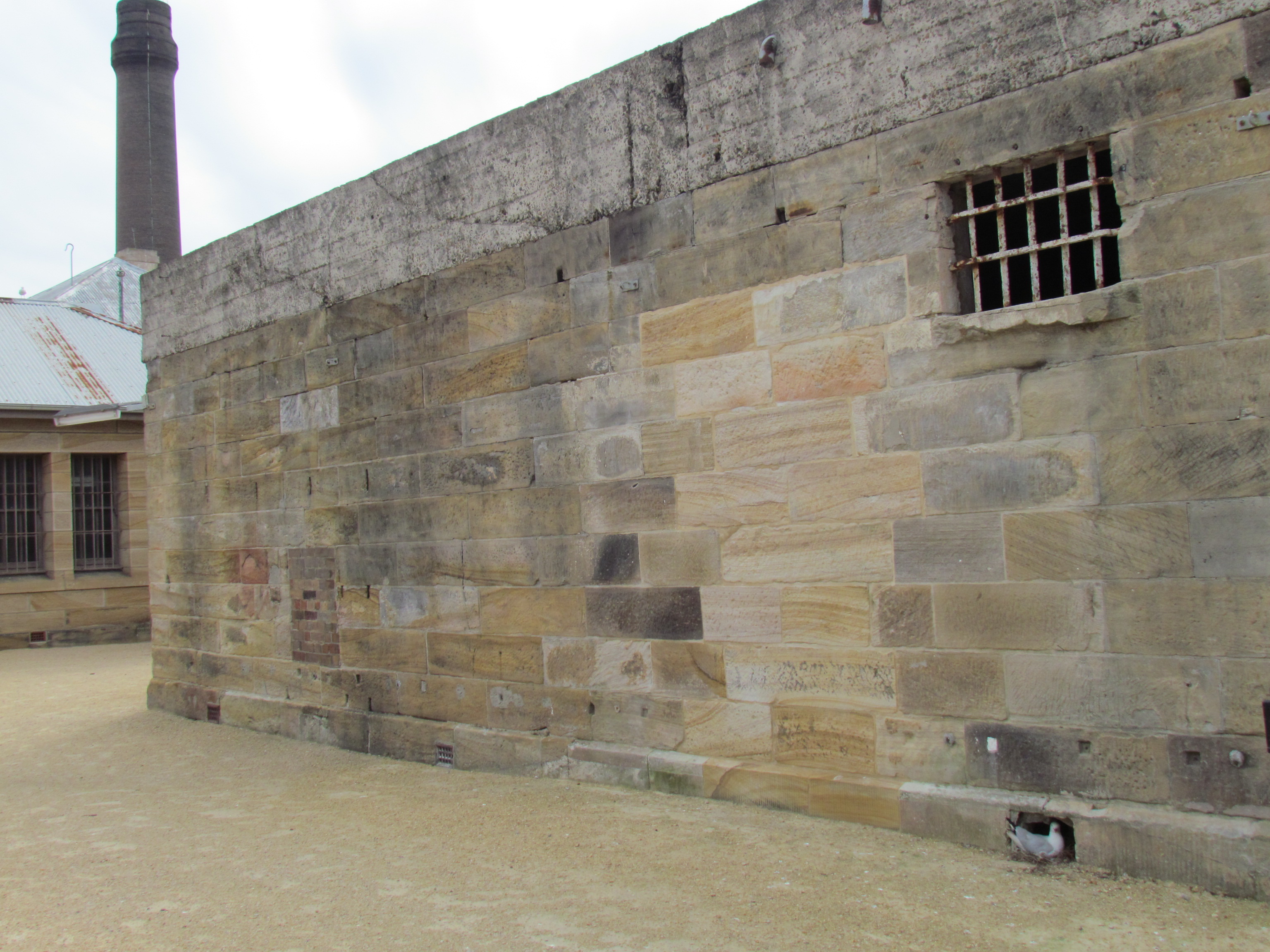
    Below is the prison barracks, built in 1839. The convicts themselves quarried the sandstone and erected the buildings. Our guide told us that each man had a specific style when hewing sandstone. You can still see the marks in the stone used in the buildings on the island. At the end of each day, the overseers could tally each man’s work just by looking at the distinctive cuts in the stone:

    Cockatoo Island

    Notice the seagull nesting at the bottom of the building in the above photo? Pro tip from a wary worm: You don’t need to worry about cockatoos on the island. They all left when people cut down the trees to make room for the convicts. So now the seagulls reign supreme. Go Jonathan! Be afraid, be very afraid. As our guide said, the chicks are cute but the parents are not.

    Cockatoo Island

    Inside the barracks:

    Cockatoo Island

    A window to freedom:

    Cockatoo Island

    That’s all for today, dudes.