Travelling Worm

A bookworm's travelogue

Category: Turkey

  • Street scenes in Fatih and Beyoglu, Istanbul

    This is the blog of Mark Wordsworm, the travelling worm. I’m a 36-year-old bookmark (give or take a few years) and I proudly boast my own Hallmark serial number, 95 HBM 80-1. You’ll probably want to read all about me and my Travelling Companion (the TC).

    Today’s travel notes

    Me and the TC spent a few days in the colourful city of Istanbul recently. This worm has posted a few notes about specific sights in the city. Now’s the time to say goodbye, with a few general street scenes.

    Word of the day

    The word cat is nearly the same in all European languages. Cats decided to start hanging around human habitations around 9,000 to 12,000 years ago. Rats and mice came to the farmers’ crops. Cats came to catch the rats and mice. Humans gave the cats warmth and more food. Worms kept out of everyone’s way as much as possible.

    The book I’m in

    Live Wire, by Harlan Coben. This worm enjoys the no-frills style of this author’s prose. The style contrasts nicely with the tangled web of family intrigue and big-world evil that reader and hero have to weave their way through together.

    Travel tips

    Take the time to look around the streets and smile at the people while making your way from one tourist attraction to the next.

    The photos

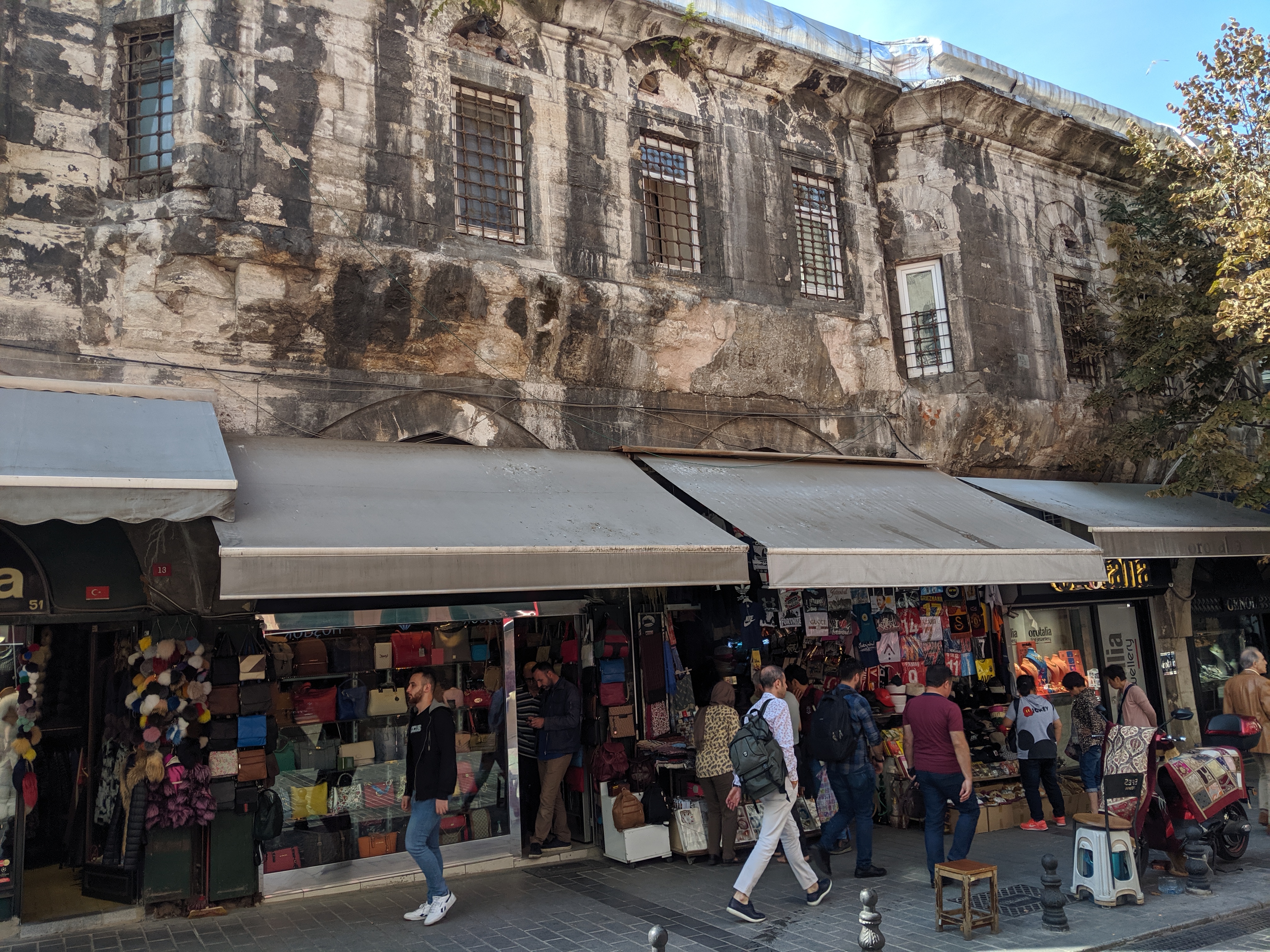
    People in the Fatih district of Istanbul, near the Grand Bazaar:

    Public transport in Istanbul is excellent, offering a choice of bus, tram, or metro. Here’s a tram coming down the busy Divan Yolu Cd near the Hagia Sophia:

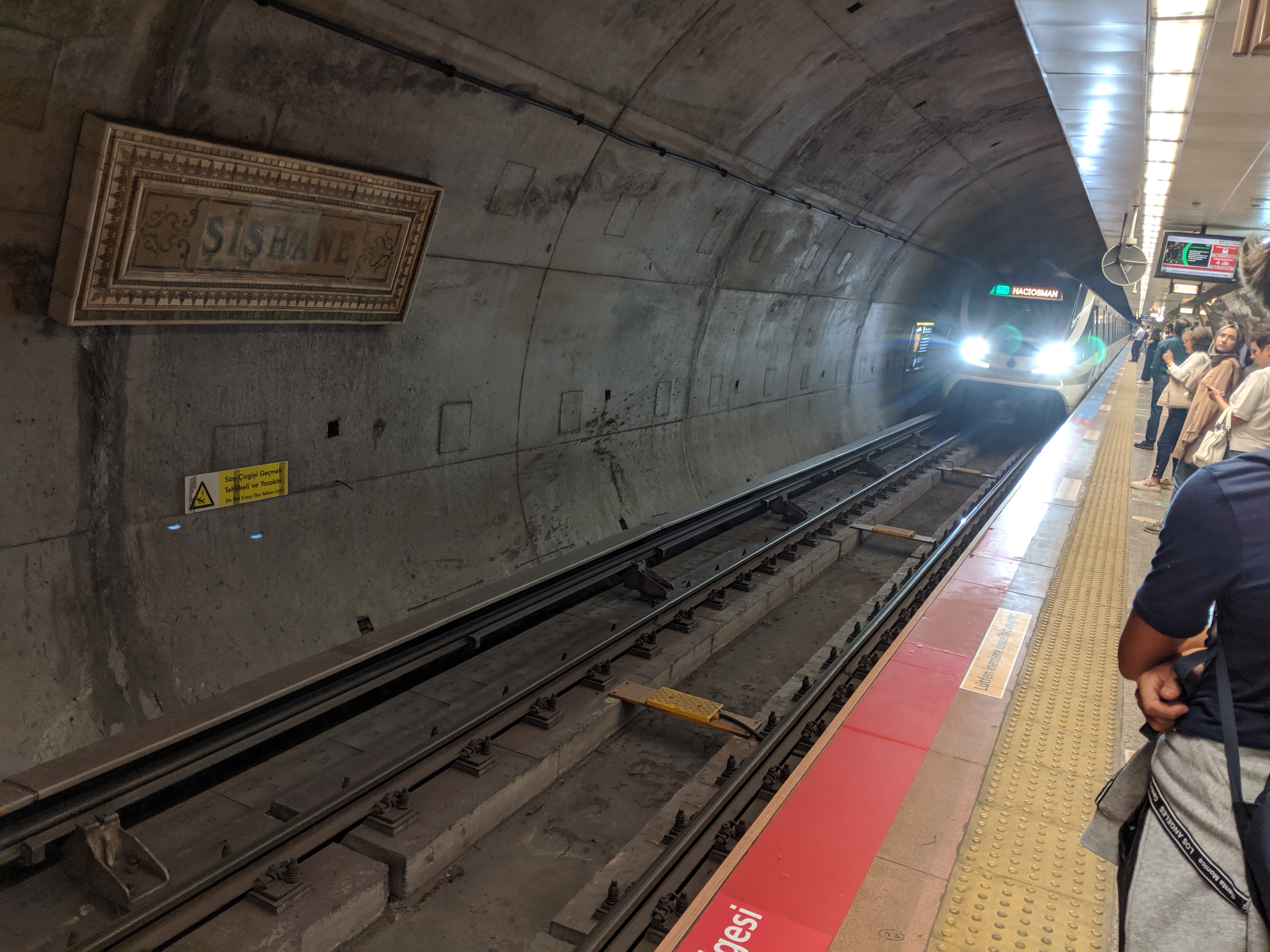
    The Şişhane Metro stop in the Beyoğlu area of Istanbul:

    A view of Istanbul’s historic peninsula seen from Beyoğlu on the northern side of the Golden Horn. On the right is the Galatah Bridge. The Golden Horn is an inlet of the Bosphorus:

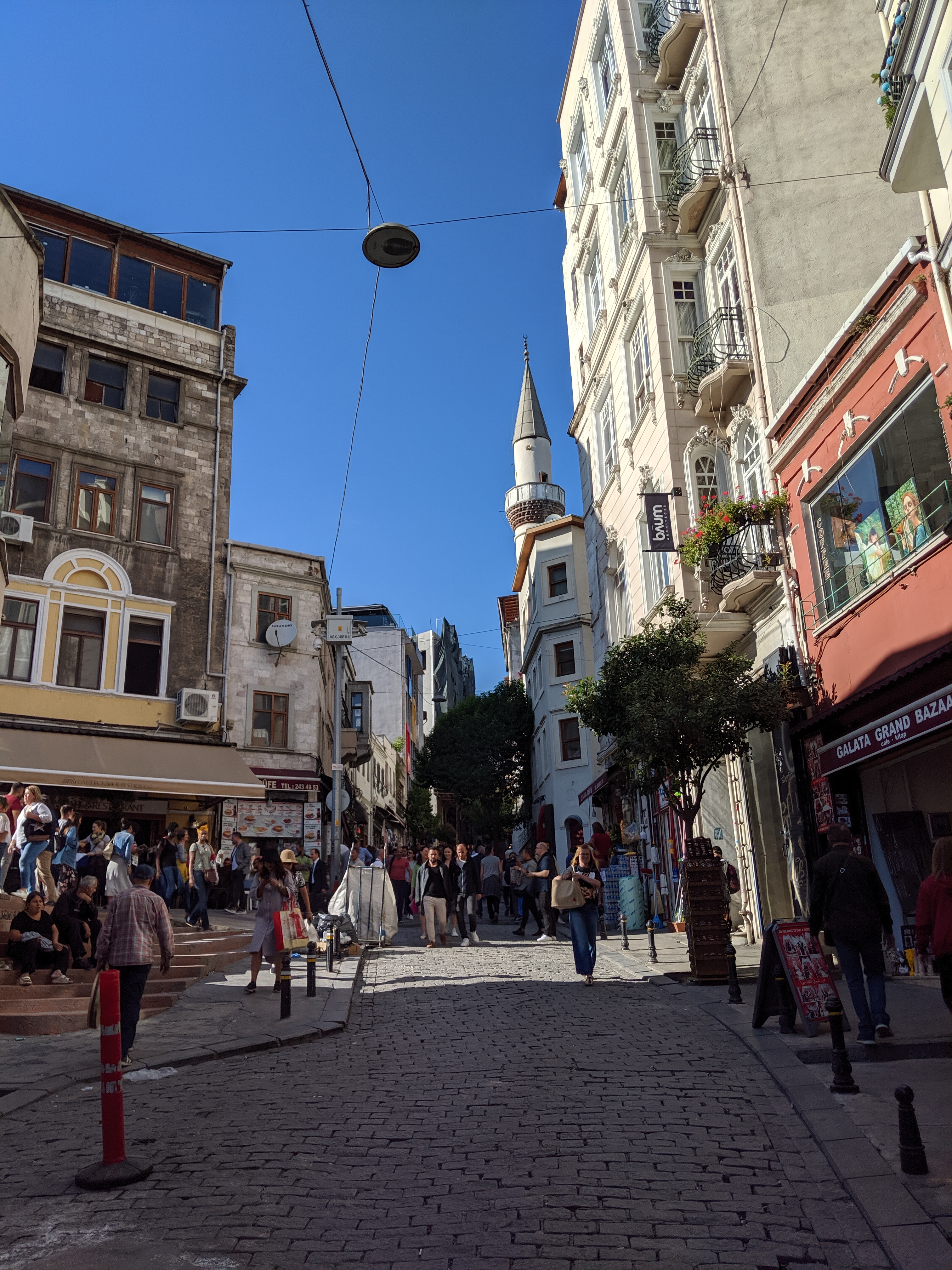
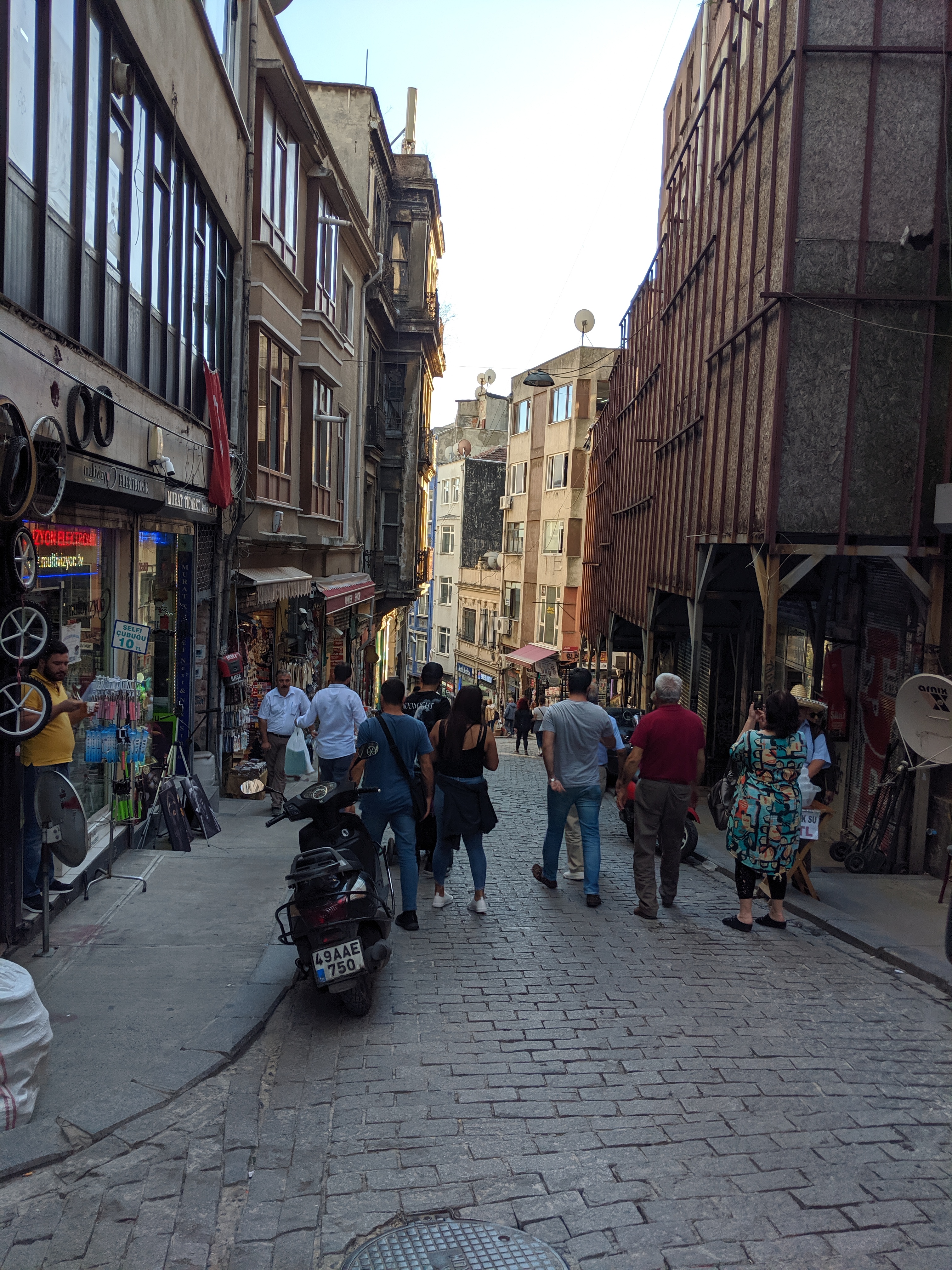
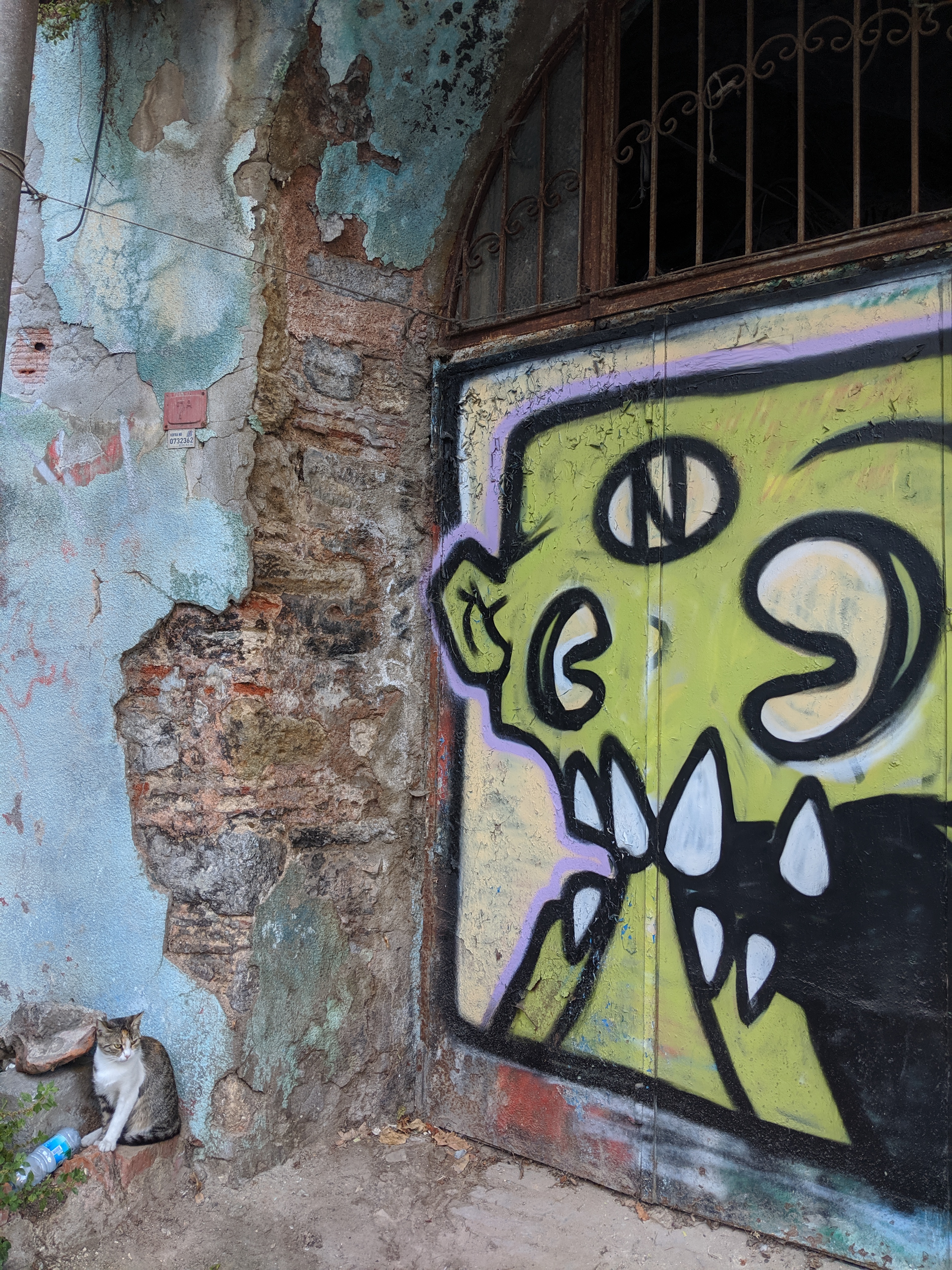
    The district of Beyoğlu is known for its entertainment, art, and night life. Here are a couple of street scenes in the area:

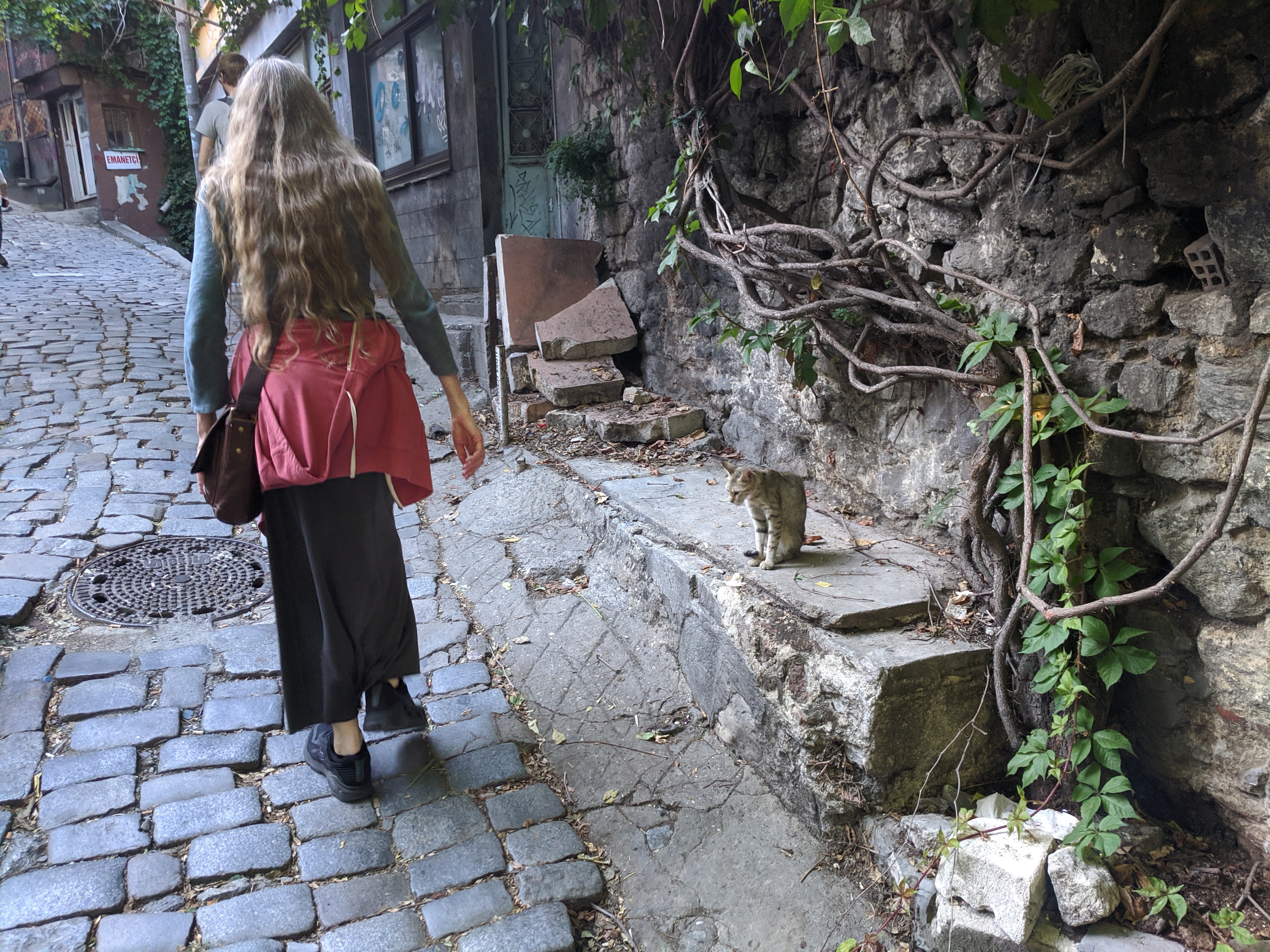
    Cats watch as you pass by:

    That’s all for today, folks.


  • Grand Bazaar in Istanbul

    This is the blog of Mark Wordsworm, the travelling worm. I’m a 36-year-old bookmark (give or take a few years) and I proudly boast my own Hallmark serial number, 95 HBM 80-1. You’ll probably want to read all about me and my Travelling Companion (the TC).

    Today’s travel notes

    Me and the TC dipped our toes into the Brand Bazaar, a large covered market in Istanbul. We visited approximately six of the bazaar’s 61 covered streets. So, that leaves a few to explore in our next visit.

    Word of the day

    Saffron is the most expensive spice in the world. It comes from the flower of a lily, Crocus sativus. To produce the spice, people collect and dry the stigma and styles (threads) from the flower and heat them on a sieve. Most saffron is produced in Iran.

    The book I’m in

    Live Wire, by Harlan Coben. This worm enjoys the no-frills style of this author’s prose. The style contrasts nicely with the tangled web of family intrigue and big-world evil that reader and hero have to weave their way through together.

    The photos

    Me at an entrance to the Grand Bazaar in Istanbul:

    The road leading to the entrance features a row of character-filled buildings:

    Ancient and modern combine – the shop to the left of the market entrance advertises Bitcoin:

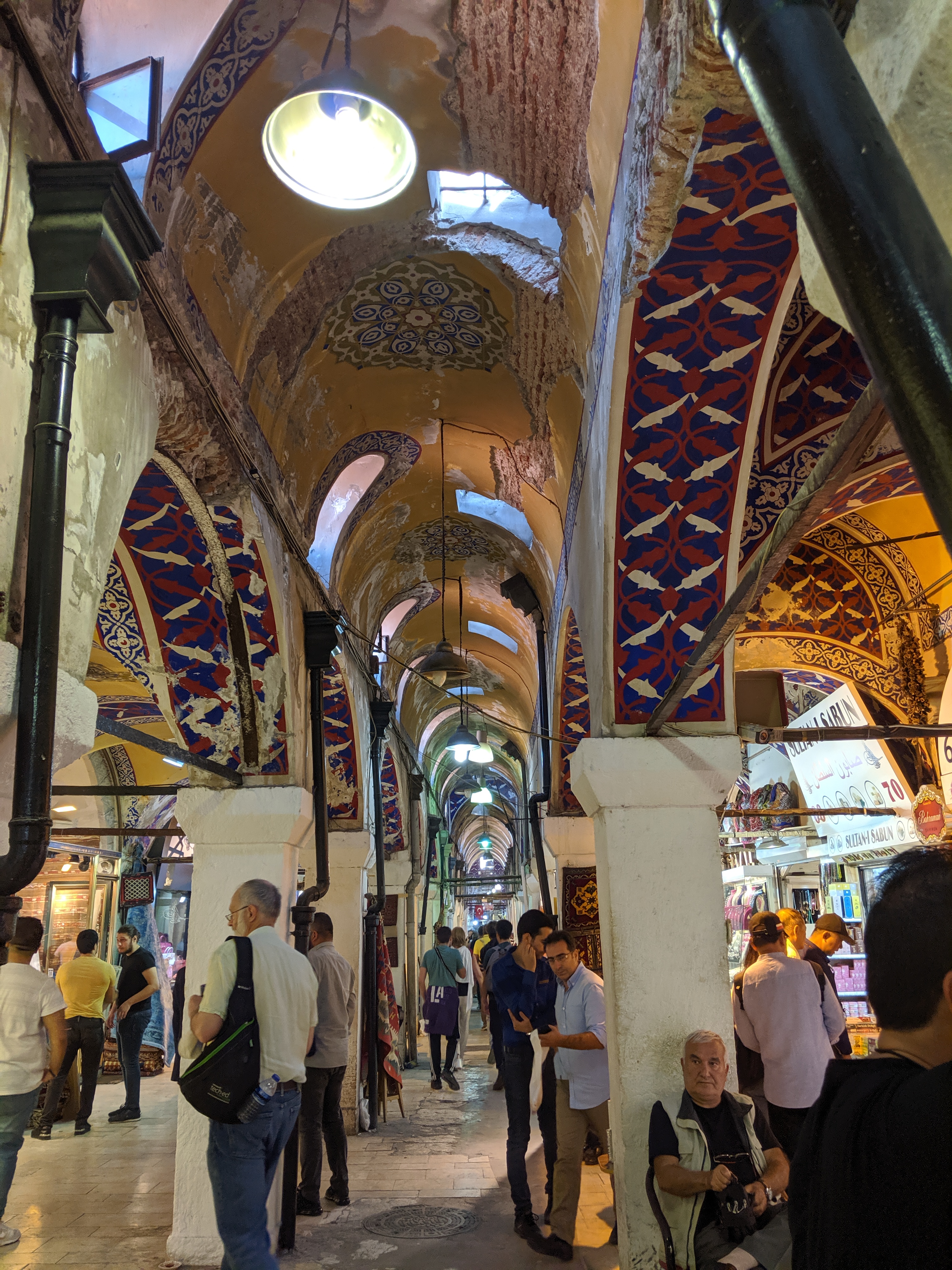
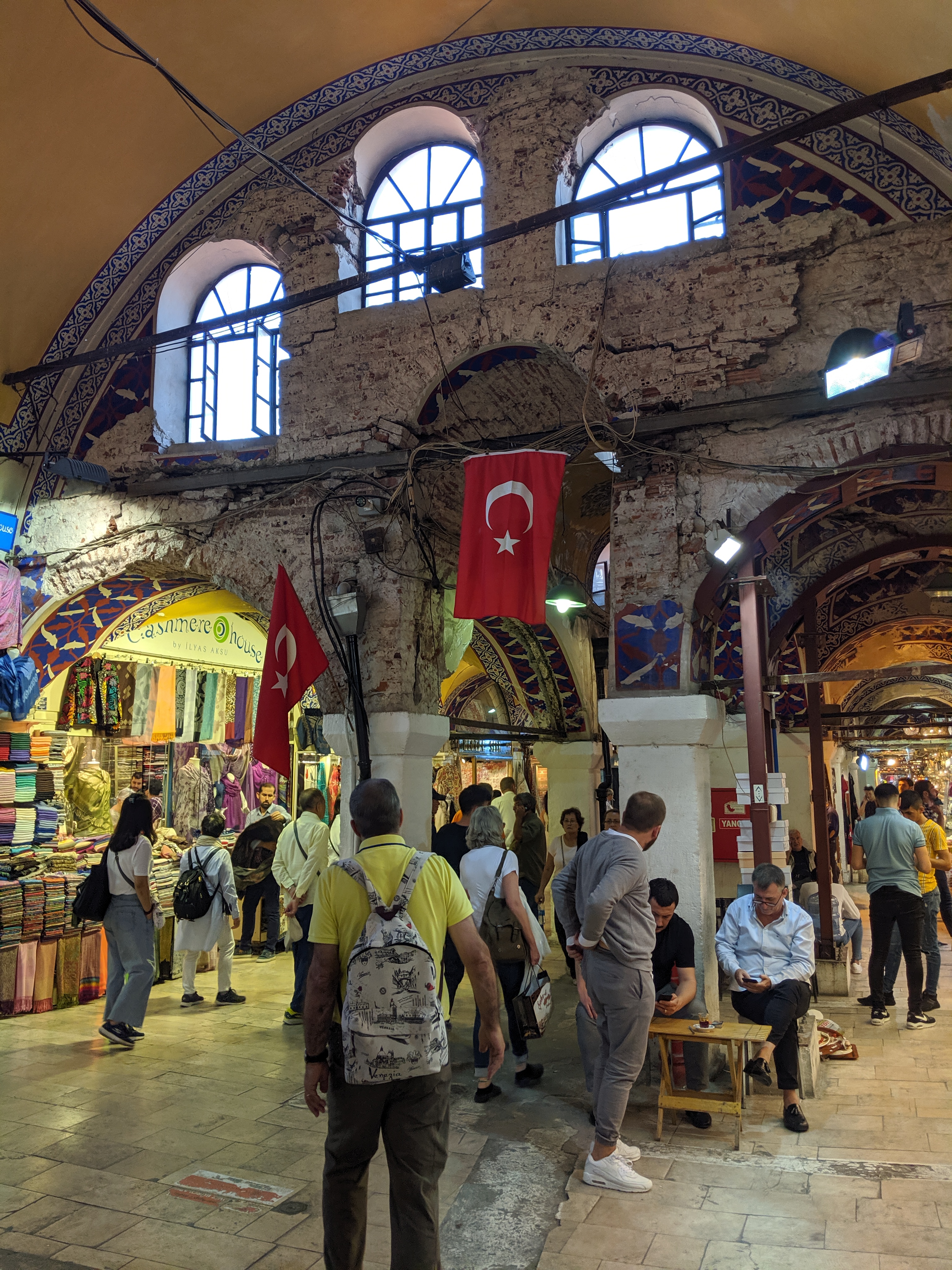
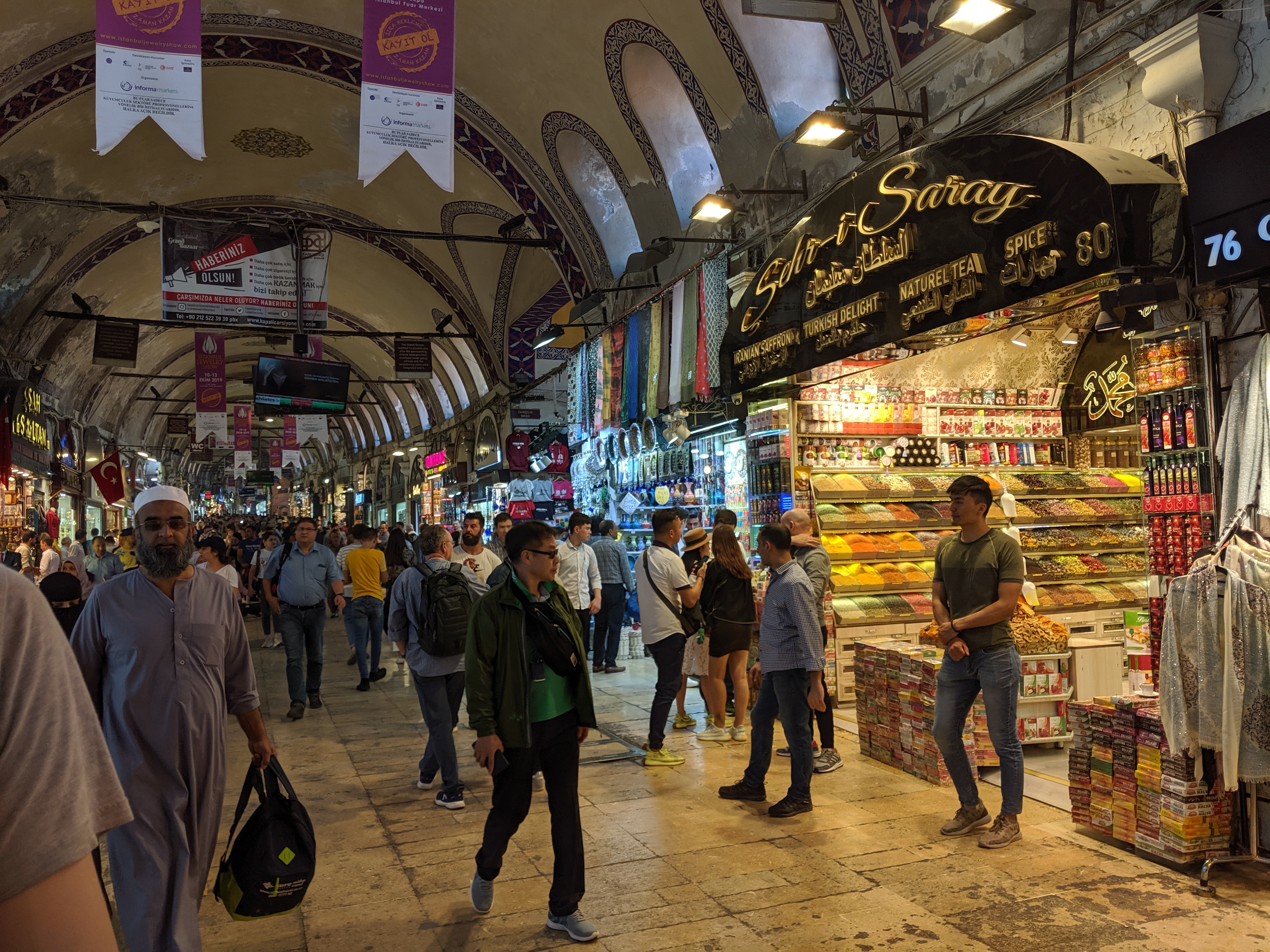
    Inside the Grand Bazaar:

    Construction of the Grand Bazaar started in 1455, making it one of the oldest covered markets in the world. People continued adding shops and sections to the market over the years. By the beginning of the 17th century, the market had more or less the same shape as it does now.

    Saffron, spices, and Turkish Delight add to the colour and smells:

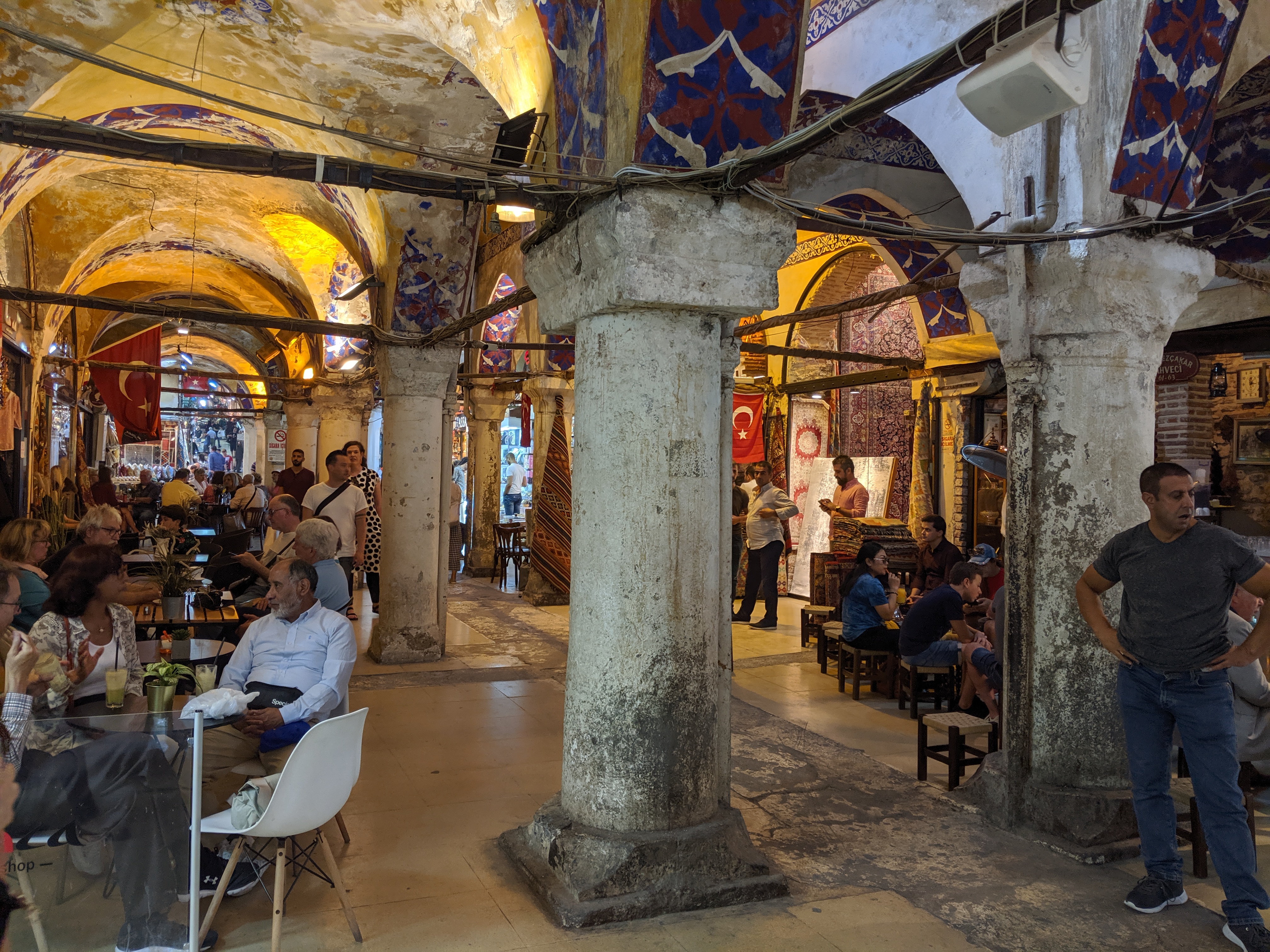
    Arches receding into the distance, topped by a small window to let in air and light:

    People enjoying refreshments and a break in older part of the market:

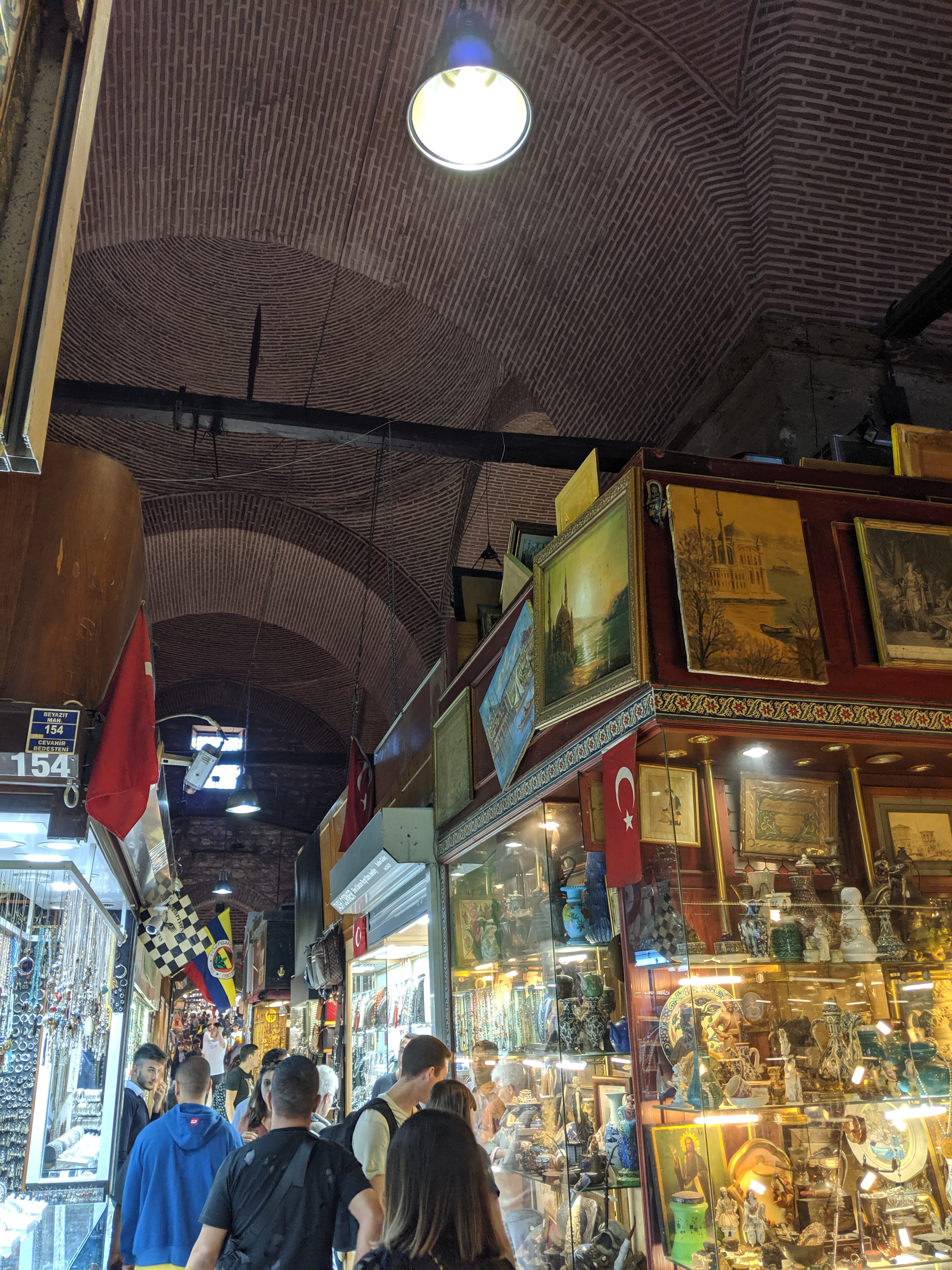
    The bazaar offers more than 4,000 shops in 61 covered streets. Sections of the market have different characteristics. In the next photo, the ceiling is higher and darker, with the shops perched in glass boxes below it:

    That’s all for today, folks.


  • Blue Mosque in Istanbul

    This is the blog of Mark Wordsworm, the travelling worm. I’m a 36-year-old bookmark (give or take a few years) and I proudly boast my own Hallmark serial number, 95 HBM 80-1. You’ll probably want to read all about me and my Travelling Companion (the TC).

    Today’s travel notes

    Me and the TC spent a week in Turkey recently. The Sultan Ahmed Mosque, known as the Blue Mosque, was on our itinerary. The TC, bless her cotton socks, confided that she was rather dreading the experience, as she felt she’d be viewed as a second class person, being a woman, and she’d have to cover her head with a scarf. She probably would not have entered, except that the rest of our group was planning to visit the mosque. Afterwards, she said it wasn’t as disturbing as she’d expected, since the other women looked happy and comfortable in their scarves too.

    The book I’m in

    We Are Legion (We Are Bob): Bobiverse, by Dennis E Taylor. The TC has just started this book. I predict I’ll find myself tucked into many more of the Bobiverse series.

    Travel tip

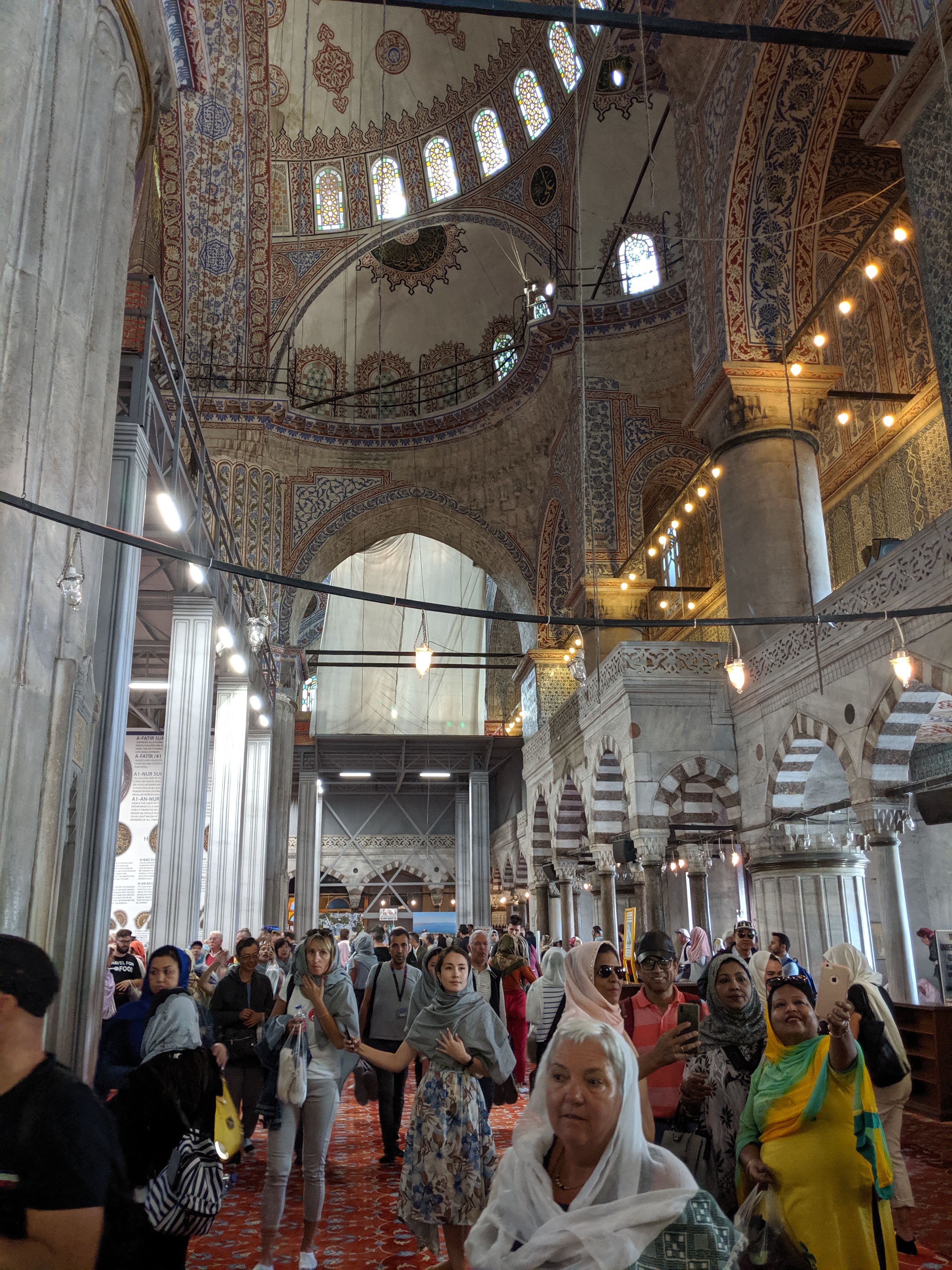
    If you’re a woman, take a headscarf with you. You need to don the scarf and doff your shoes before entering the mosque. If you don’t have a scarf, the mosque attendants supply you with one. They also give you a plastic bag for carrying your shoes around. You hand in the bag for recycling when you leave.

    The photos

    Me and a cup of coffee on a table in Turkey. It’s nowhere near Istanbul or the Blue Mosque::

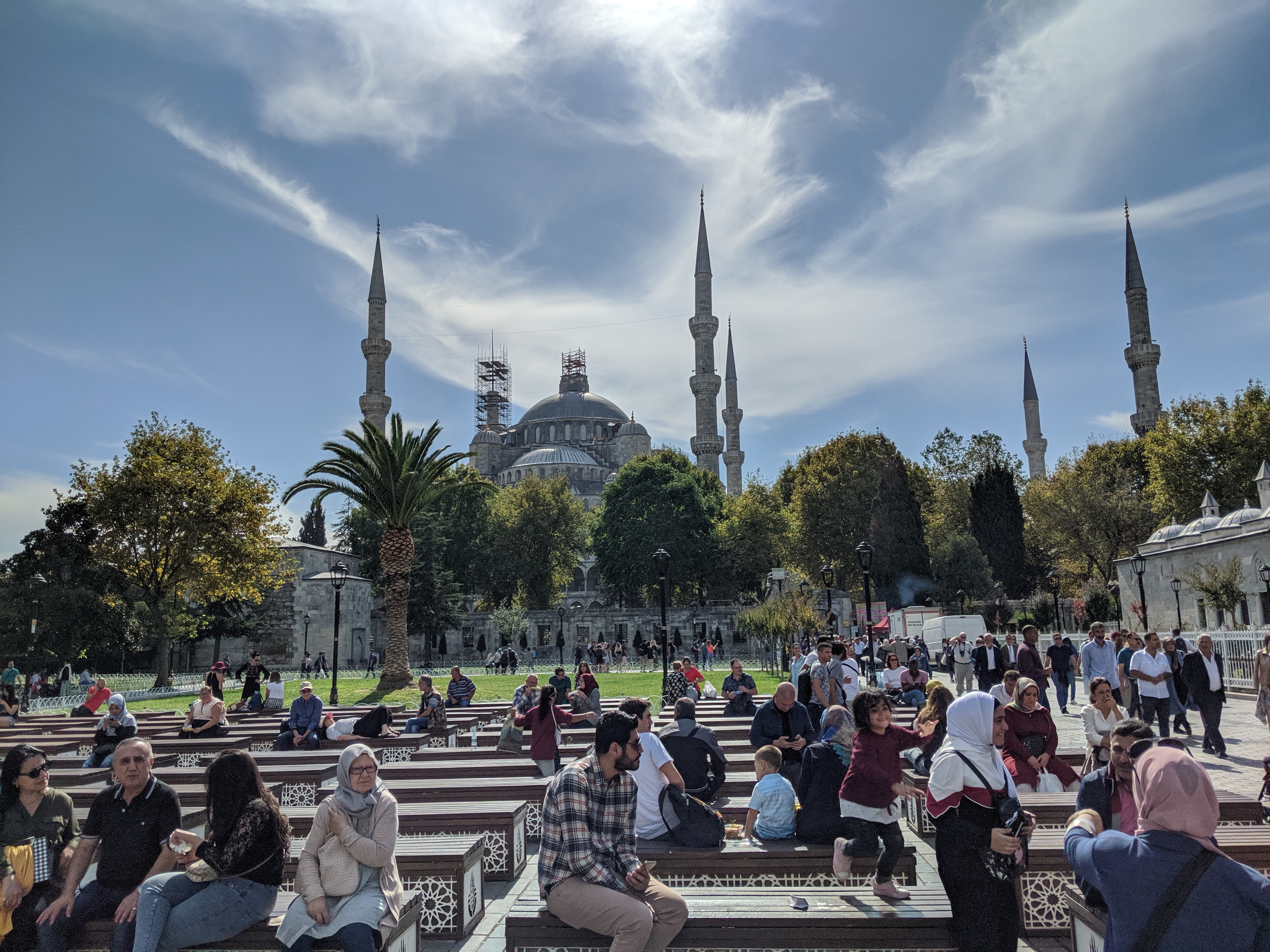
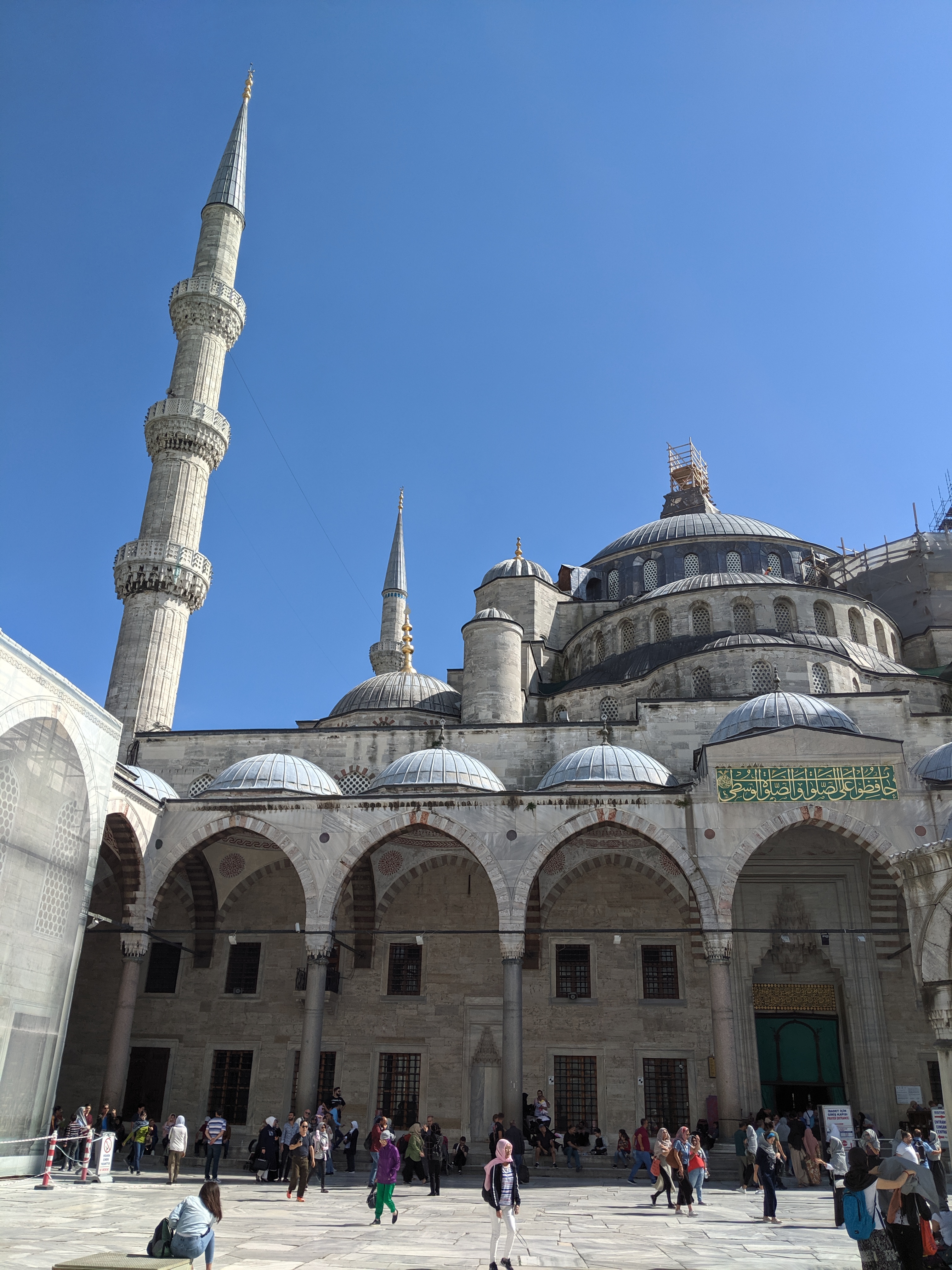
    The Blue Mosque, seen from Kabasakal Cd, with the seating of Efsunlu Dünya in the foreground:

    Another view of the Blue Mosque, this time from Ayasofya Meydani:

    The Ottoman sultan Ahmed I built the Blue Mosque in the years 1609 to 1616, making it much less ancient than the nearby Hagia Sophia.

    The inner courtyard:

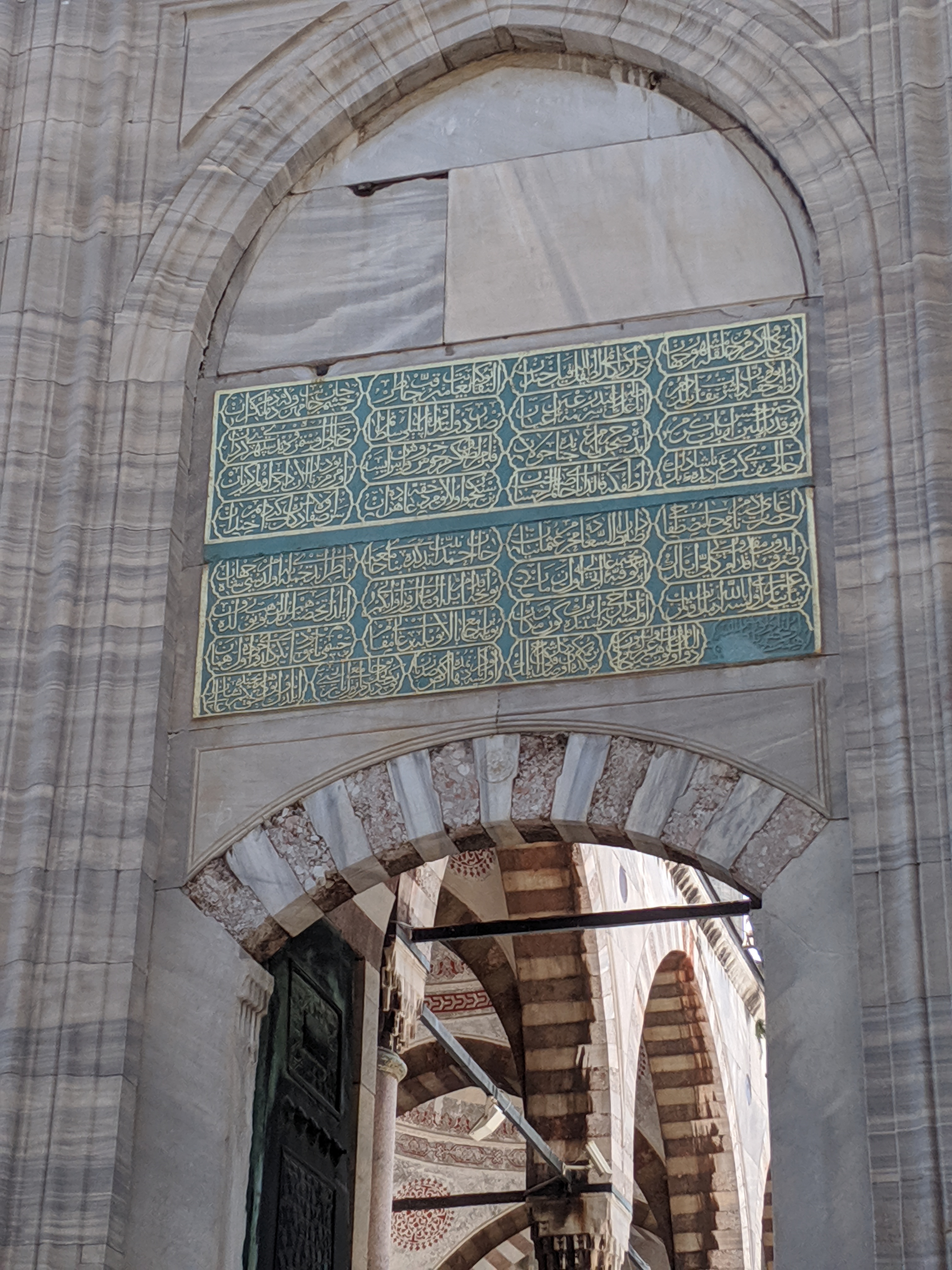
    One of three entrances:

    Inside the mosque:

    The mosque acquired the name Blue Mosque because people notice quite a bit of blue in the decorations. This worm doesn’t think it’s particularly blue.

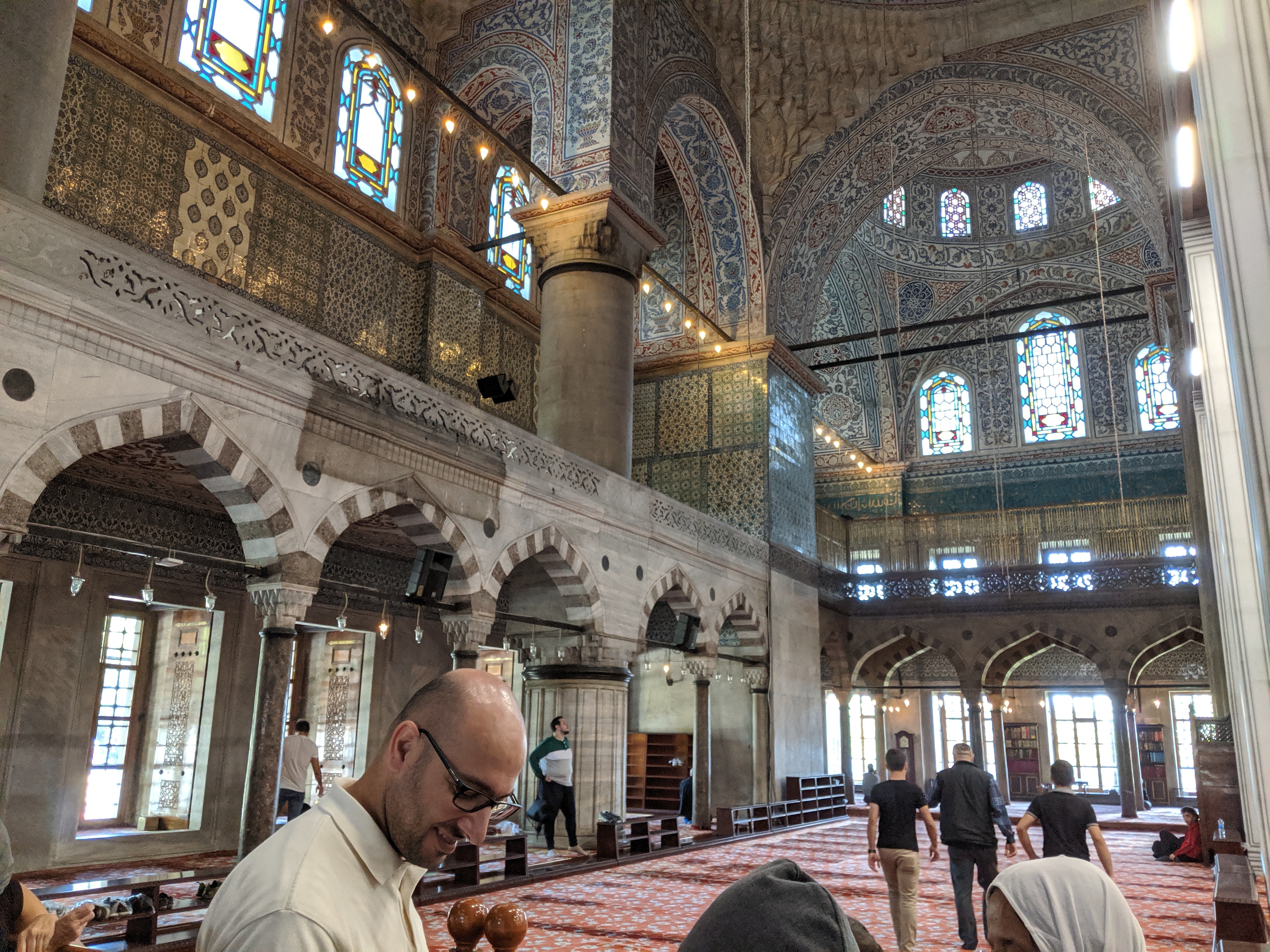
    Part of the praying area for men:

    The praying area for women is much smaller, situated at the rear of the hall.

    More of the inside of the mosque:

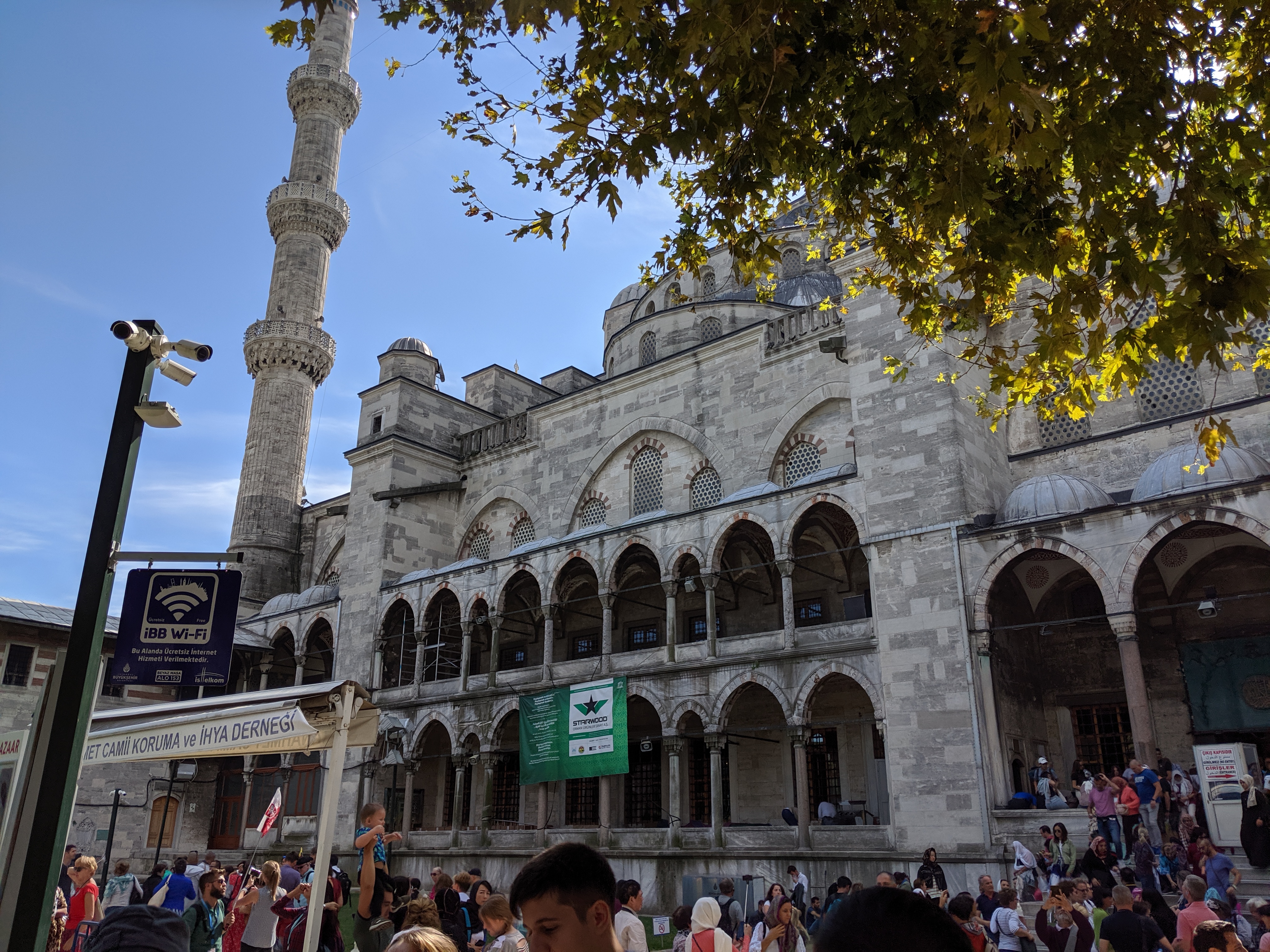
    On leaving the mosque, you emerge on the Sultan Ahmet Cami. This is view of the mosque as you leave:

    That’s all for today, folks.


  • Hagia Sophia cathedral and mosque in Istanbul

    This is the blog of Mark Wordsworm, the travelling worm. I’m a 36-year-old bookmark (give or take a few years) and I proudly boast my own Hallmark serial number, 95 HBM 80-1. You’ll probably want to read all about me and my Travelling Companion (the TC).

    Today’s travel notes

    Me and the TC are in Istanbul, formerly known as Constantinople. This worm is reminded how little I know about the city and about Turkey in general. The Romans made their mark here as in many places. In fact, Constantinople was the capital city of the Roman Empire in 330–395 AD. The city was named after Constantine, the first Christian emperor of Rome. Christianity and Islam have shared the city and even the same buildings through the centuries. A case in point is the Hagia Sophia (Ayasofya in Turkish).

    Word of the day

    An apse is an architectural term for a semicircular recess covered with a hemispherical vault or with a partial dome.

    The book I’m in

    We Are Legion (We Are Bob): Bobiverse, by Dennis E Taylor. The TC has just started this book. I predict I’ll find myself tucked into many more of the Bobiverse series.

    Recommended restaurant

    Amedros, Hoca Rüstem Sk, İstanbul. Delicious food served with flair and pleasure. A quiet retreat from the busy streets.

    The photos

    Me inside the Hagia Sophia:

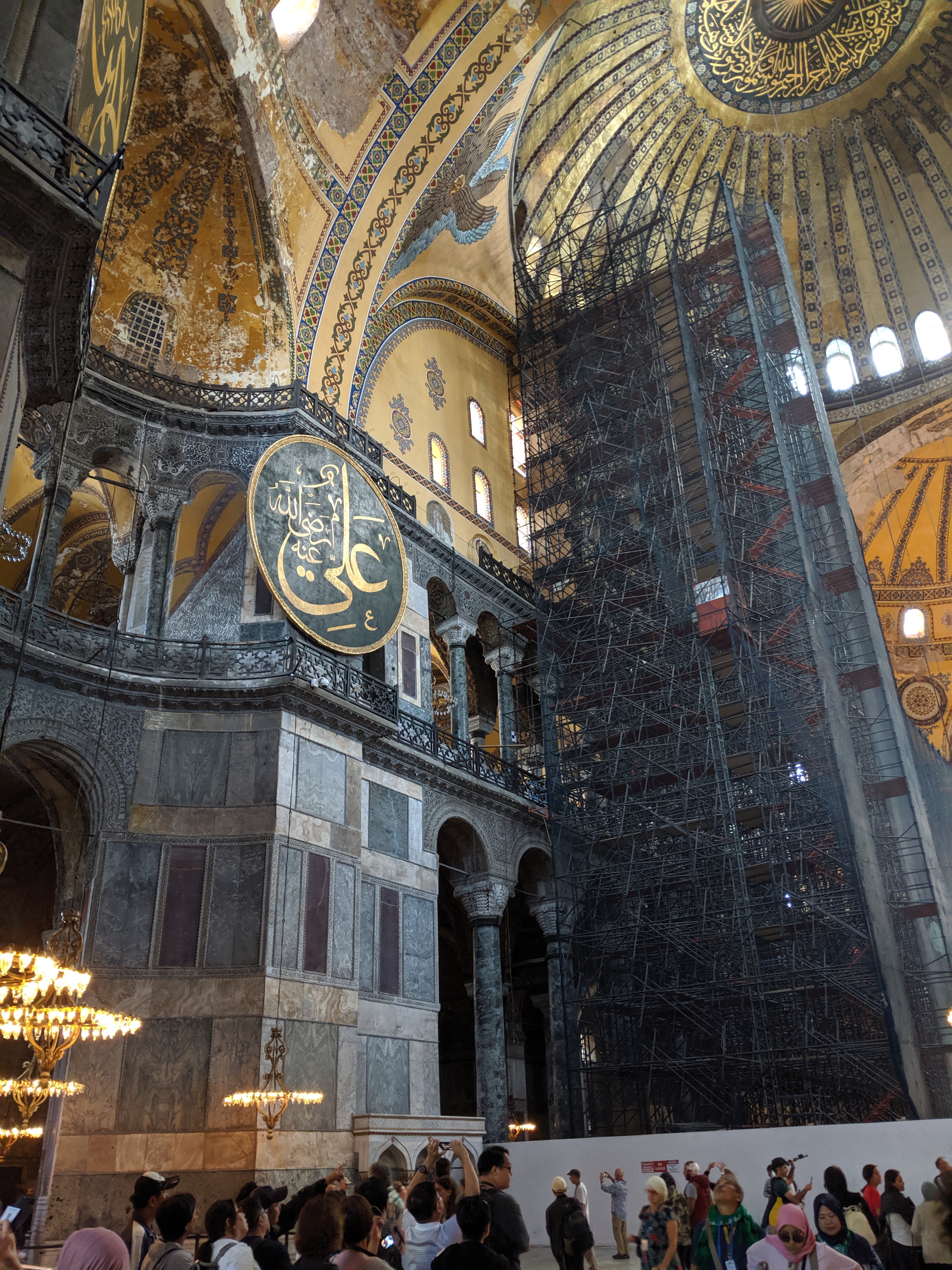
    The name Hagia Sophia comes from the Greek words meaning holy wisdom. The above photo shows part of the building’s main dome, the hall, and the apse in the distance. Restoration work is underway, and as a result there’s a huge scaffolding structure on the left.

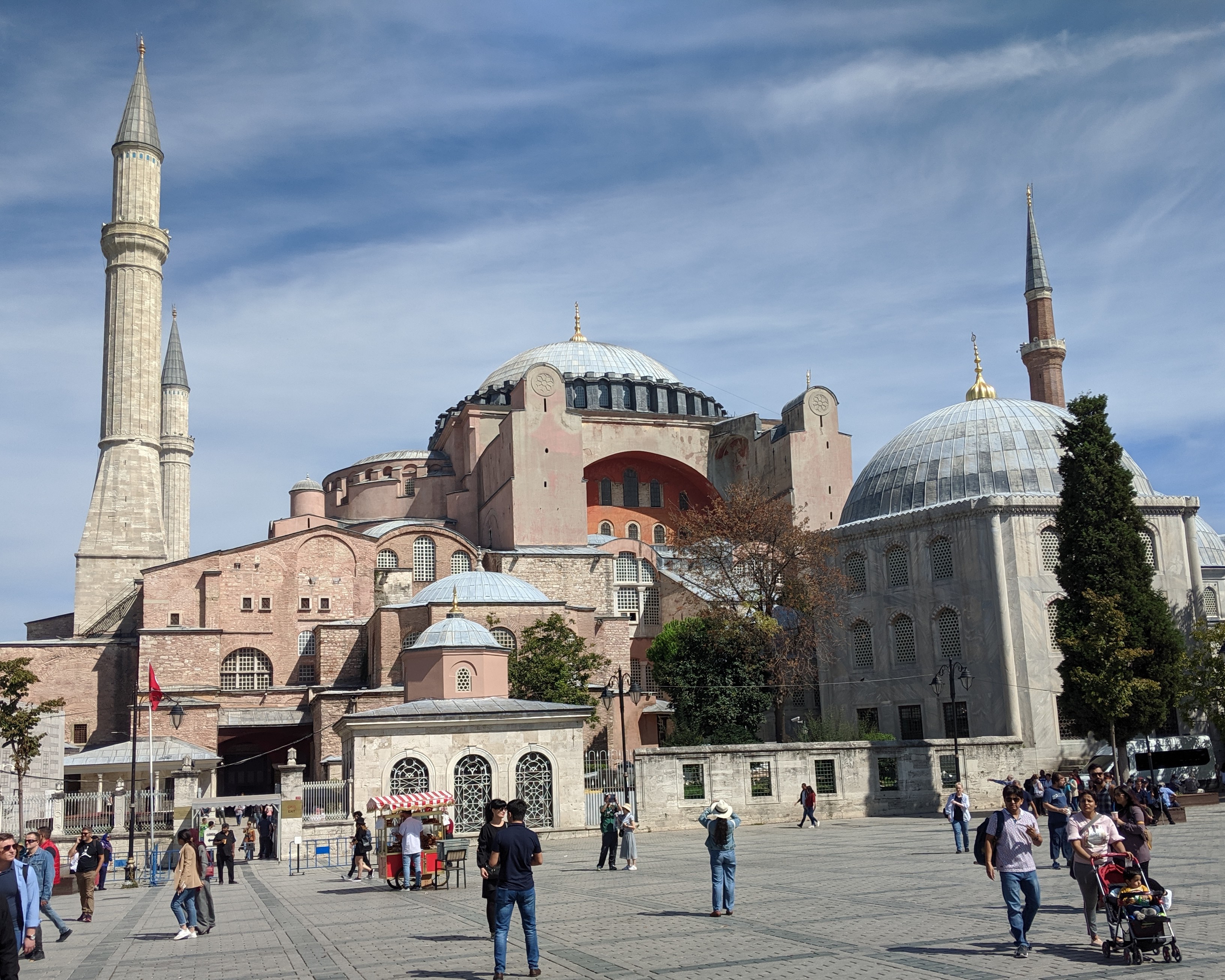
    An external shot of the Hagia Sophia, seen from Ayasofya Meydani (meydan means square or arena):

    One of the doorways into the building:

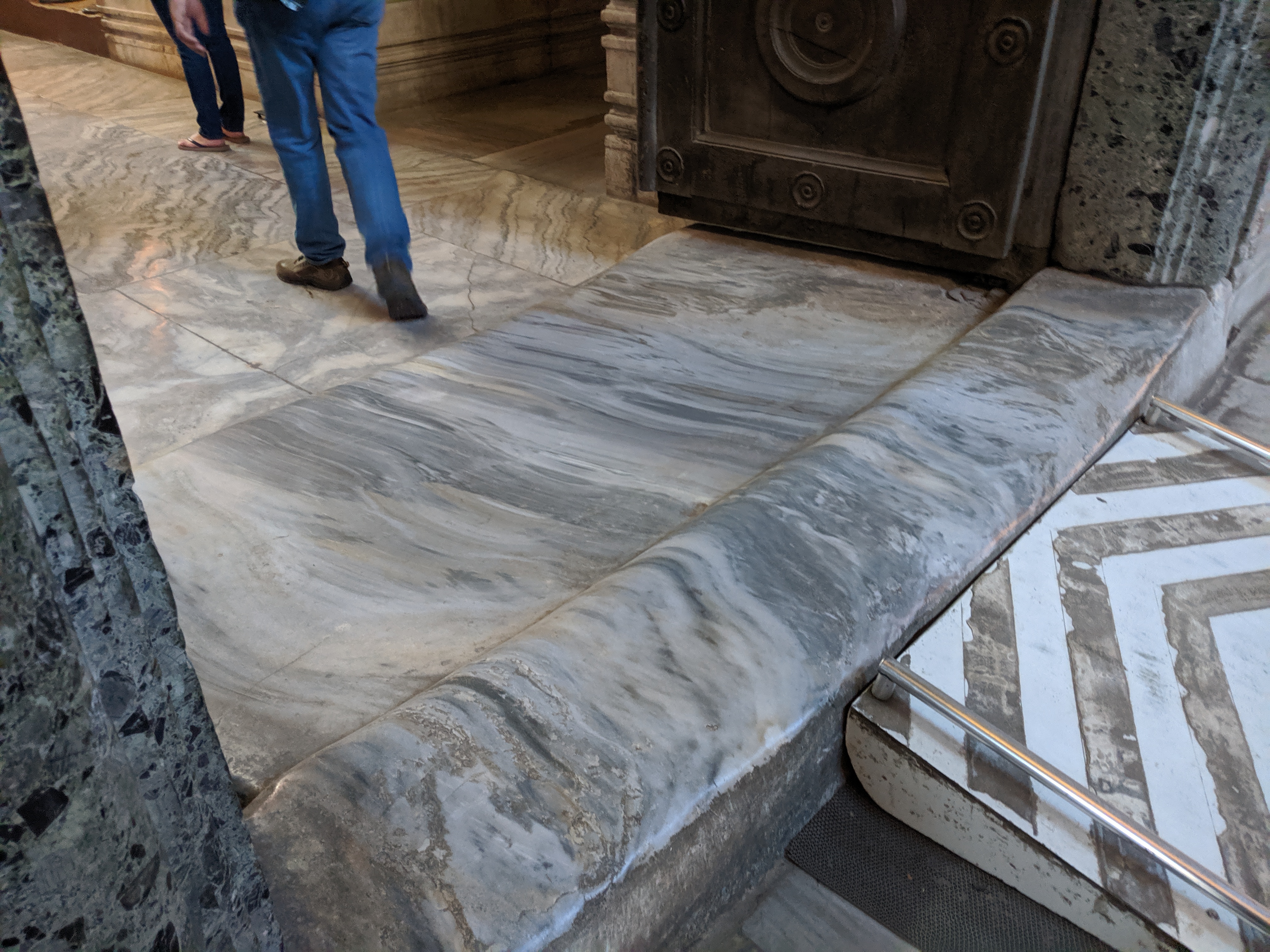
    Entering the building, you get the feeling you’re walking in the steps of many, as evidenced by the gently puddled marble:

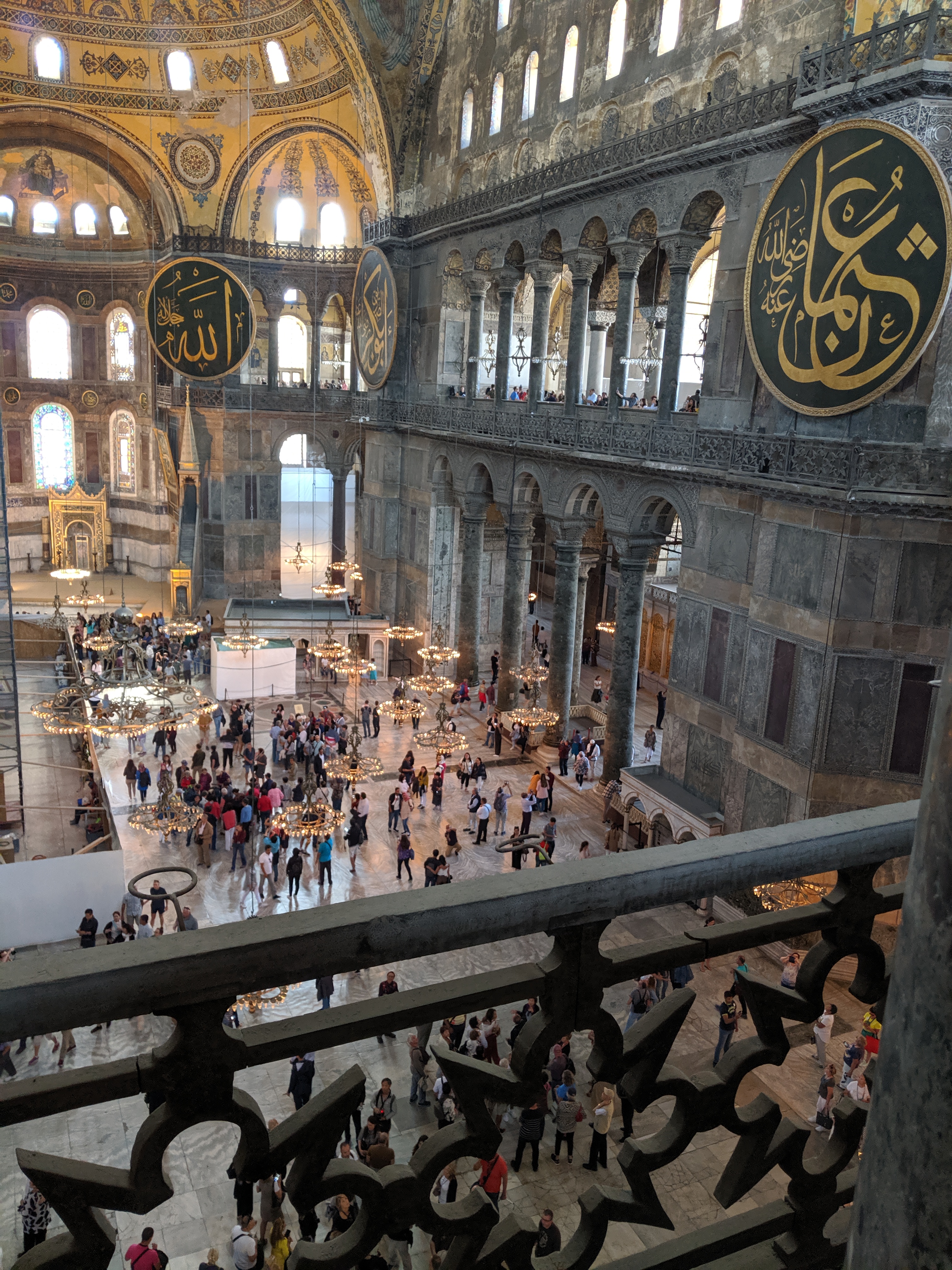
    The hall of the Hagia Sophia, seen from the upper viewing level:

    The building started out as Christian church, built in the five-year period from 532 to 537. It was converted to a Muslim mosque in 1453. In 1935 it became a museum.

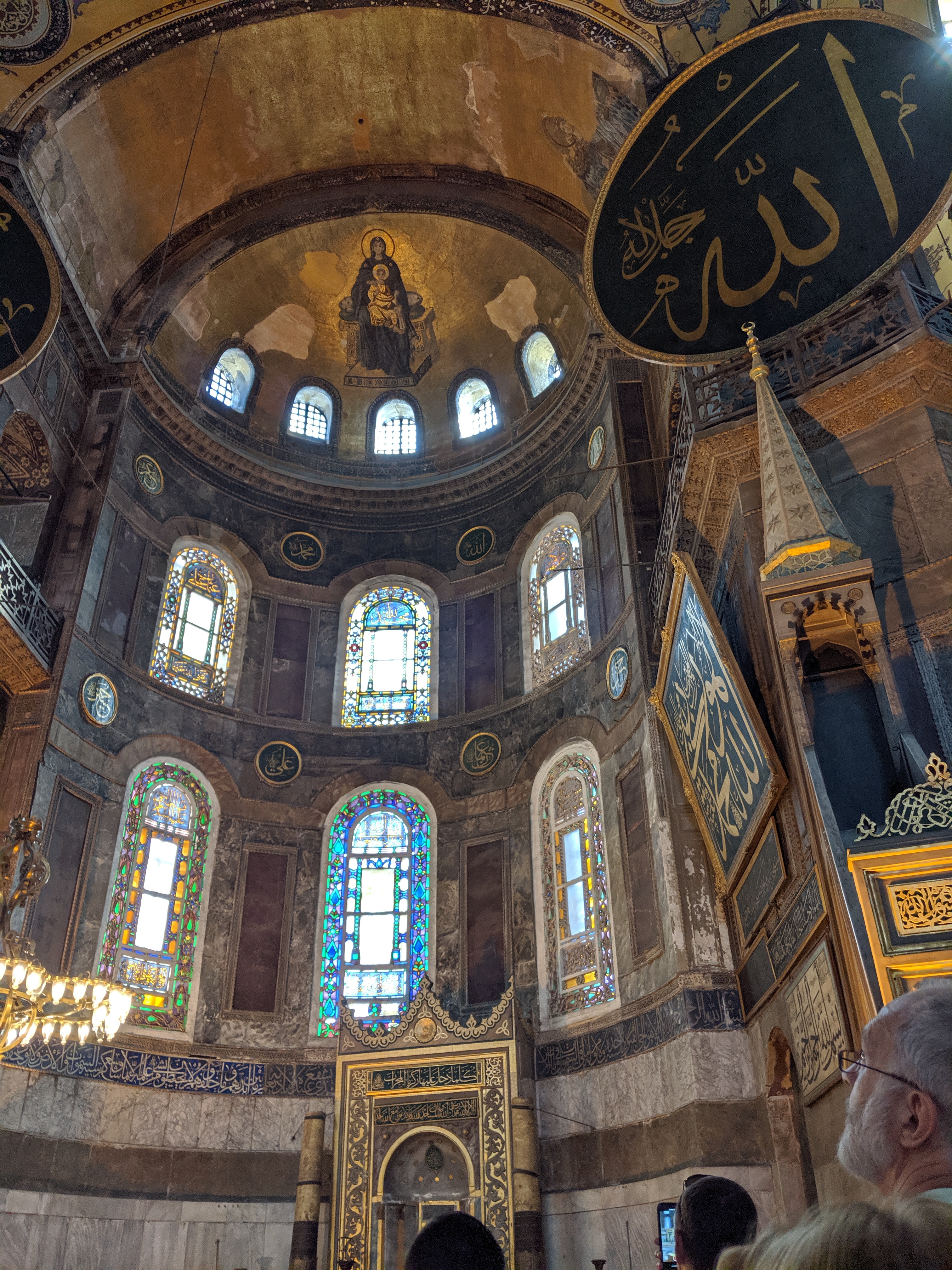
    The apse at one end of the Hagia Sophia has a mosaic of the Virgin and Child, with Muslim symbols all round:

    Another view of the main dome, walls, and scaffolding:

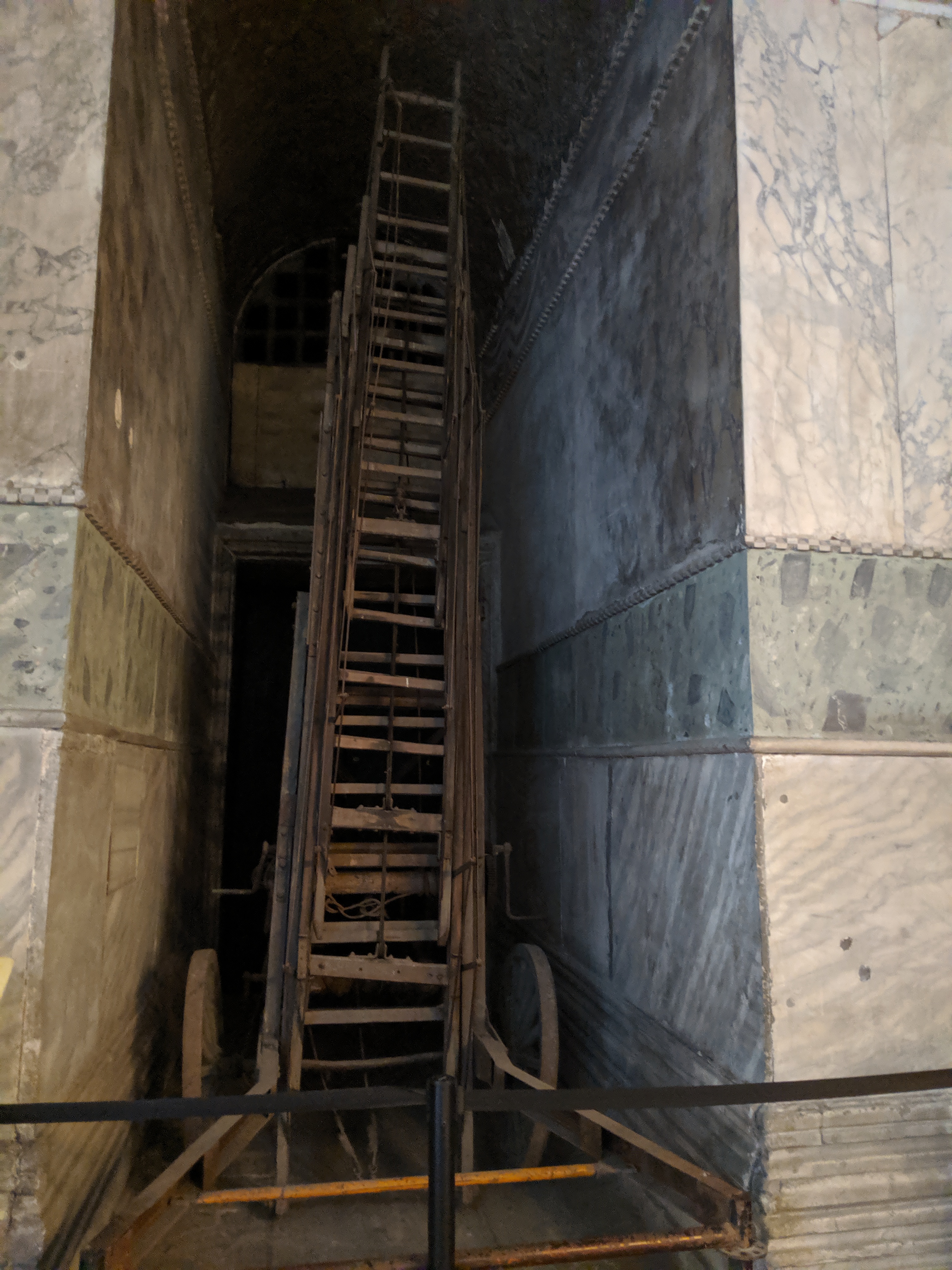
    This worm found the scaffolding impressive. Then I saw this old ladder from the late 19th century. The thought of climbing it gave me tingles in all my toes:

    A beautifully decorated series of arches:

    Marble of various colours and patterns:

    A cordoned-off area on the ground floor marked the omphalion, where Roman emperors were coronated:

    The oldest item this worm saw in the temple dates from the 2nd century BC – a bronze door created for a Hellenistic temple in Tarsus. Emperor Theosophilus moved the door to the Hagia Sophia in the 9th century AD:

    Another old door, slightly less ancient, this marble door dates from the 6th century. It’s on the upper viewing level of the Hagia Sophia, where it used to separate the emperor’s private chambers from the more public meeting rooms:

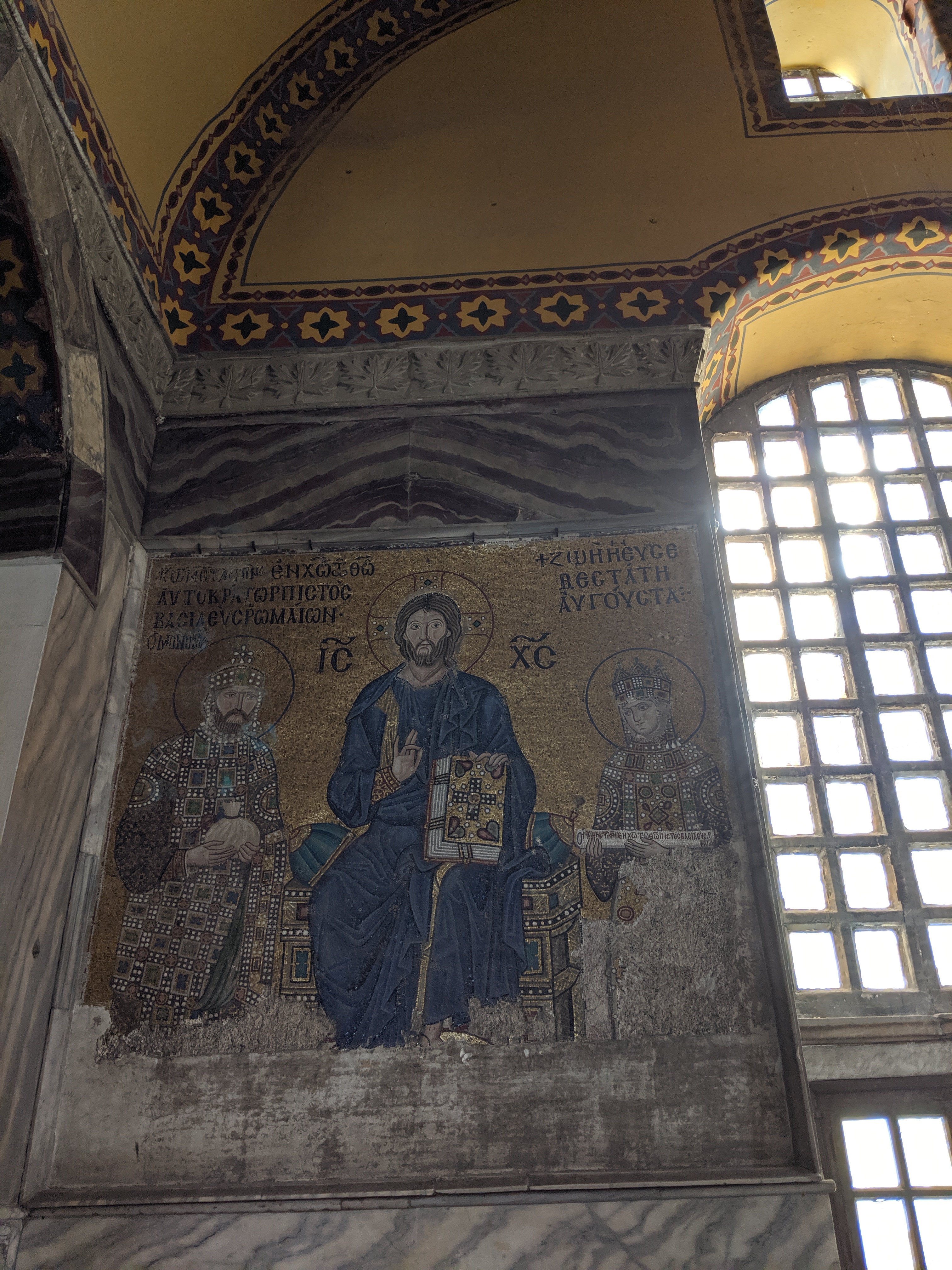
    Murals of various styles and periods decorate the walls of the church. This mosaic panel dates from the 11th century and shows Christ on a throne in the middle, with an emperor and empress donating money to the church:

    On one of the walls in the upper levels, this worm spotted some ancient graffiti, the work of a Viking imperial guard in the 9th century:

    No-one knows what the script says. The only legible bit seems to be part of the name Halfdan. So maybe the script says, Halfdan carved these runes.

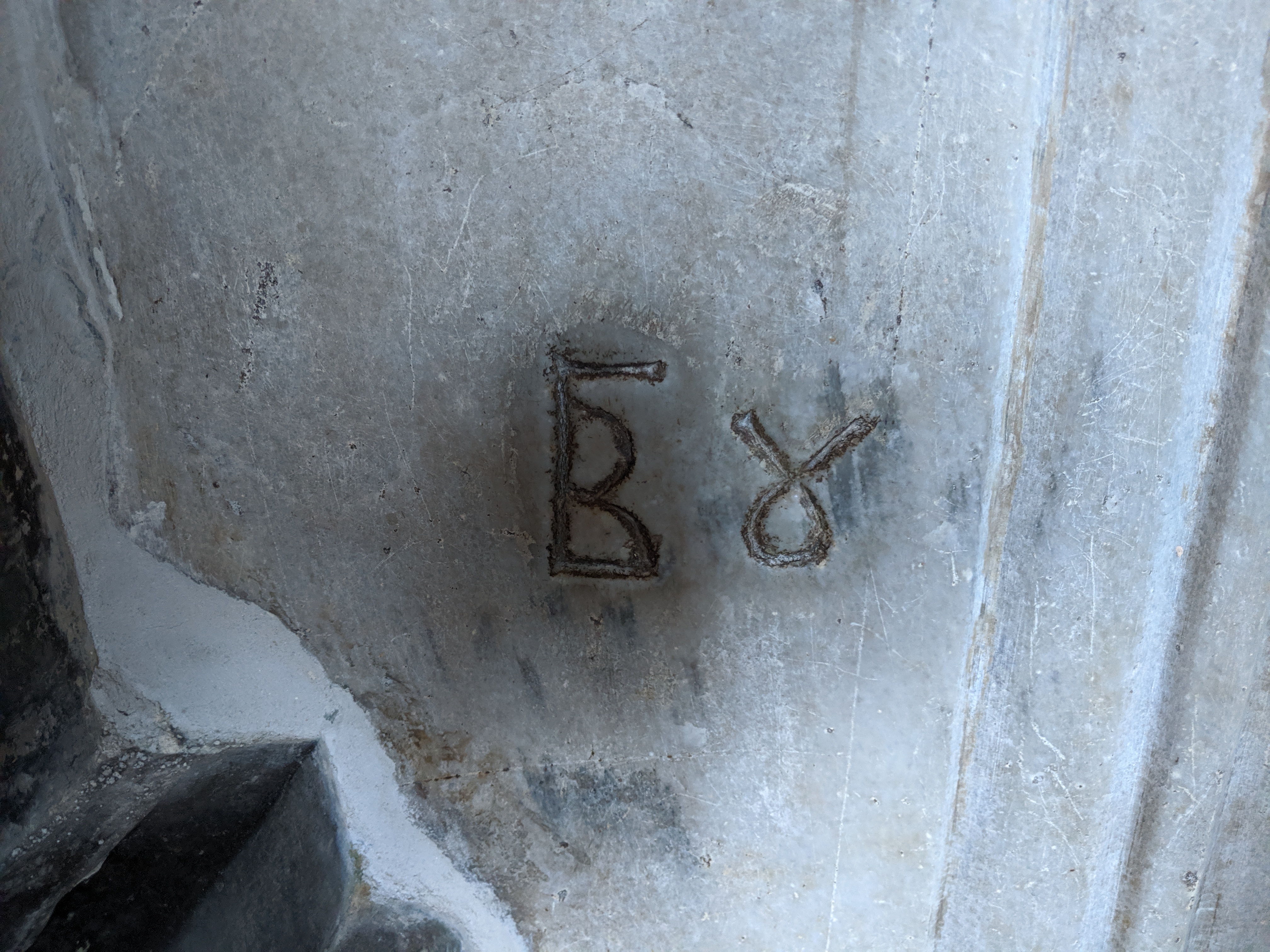
    The above script boasts a transparent plastic covering for protection, and a plaque explaining its historic importance. Immediately below it, on the vertical side of the wall, is another engraving that boasts no covering and no plaque:

    If you know what the above script is, please do let this worm know. I hope it’s a polite bit of writing!

    That’s all for today, folks.


  • Basilica Cistern in Istanbul

    This is the blog of Mark Wordsworm, the travelling worm. I’m a 36-year-old bookmark (give or take a few years) and I proudly boast my own Hallmark serial number, 95 HBM 80-1. You’ll probably want to read all about me and my Travelling Companion (the TC).

    Today’s travel notes

    Me and the TC are in Istanbul, formerly known as Constantinople. We dropped in on the Basilica Cistern, an enormous underground chamber built in the sixth century as a place to store water. The cistern lies underneath the Hagia Sophia.

    Word of the day

    Baklava is a sweet made of layered phyllo pastry, nuts (pistachio, walnuts, or almonds), and honey. Many people cite the Ottoman Empire as the origin of baklava, which nicely gets around the vexed question of whether the dish originated in Turkey or Greece. No matter who first made baklava, it’s delicious.

    The book I’m in

    Dreams and Shadows, by C. Robert Cargill. A dark tale of faerie and mortality, with a dose of undreamed-of power and doomed love. C. Robert Cargill is a versatile author, well worth keeping an eye on.

    Recommended restaurant

    Karaköy Güllüoğlu, Istanbul. The best baklava in the world.

    The photos

    Me with baklava and coffee at Karaköy Güllüoğlu, Istanbul:

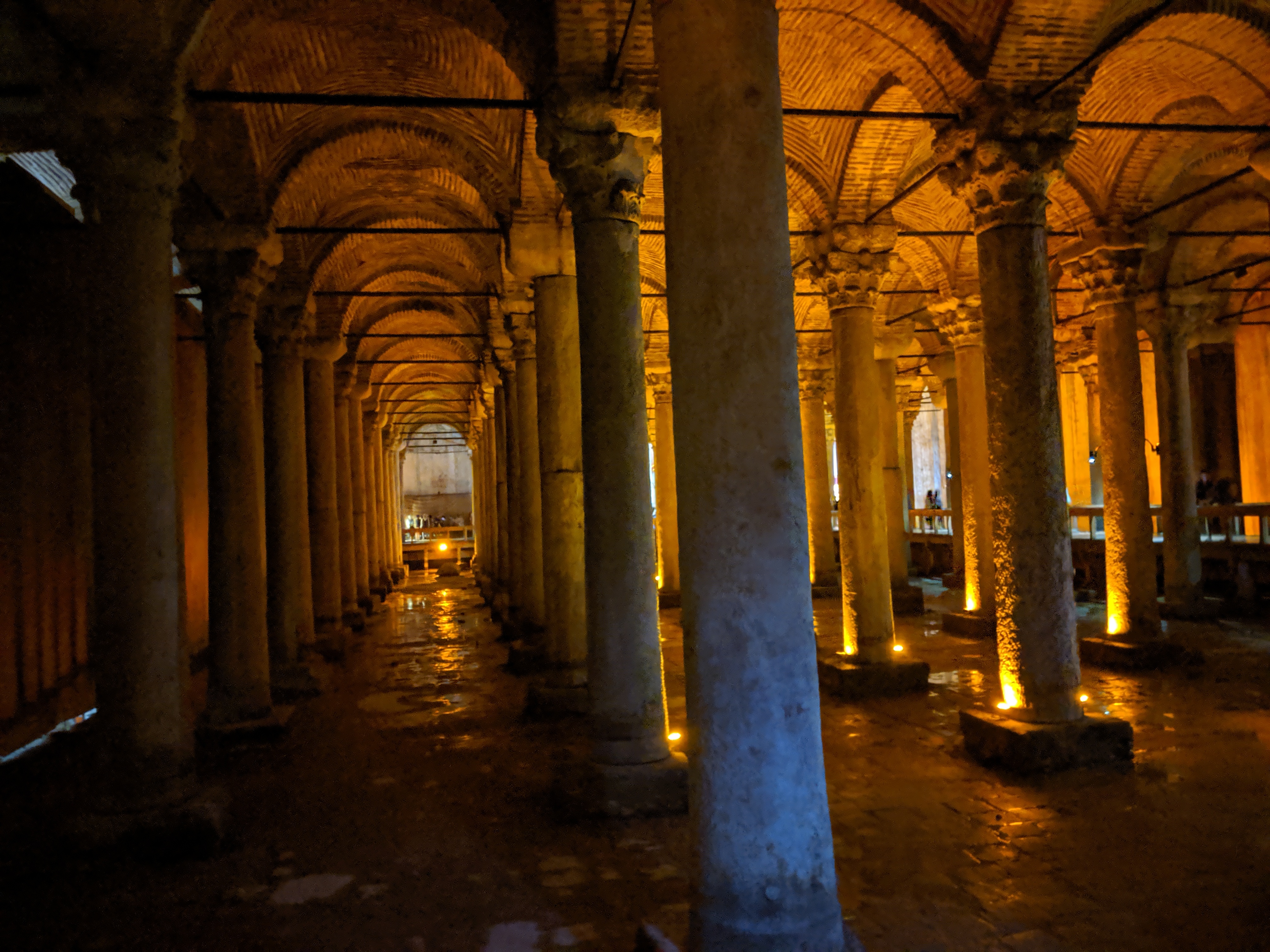
    The Basilica Cistern is a huge cavern under the streets and buildings of Istanbul, used for storing water in Roman times:

    The cistern is rectangular, 140 metres by 70 metres, giving it an area of 9,800 m². It can hold 80,000 cubic metres (17.5 million imperial gallons) of water. There was no water on the day we visited, although we felt drops falling from the ceiling at times. Evidently, when the cistern does contain water, visitors can see fish swimming through it.

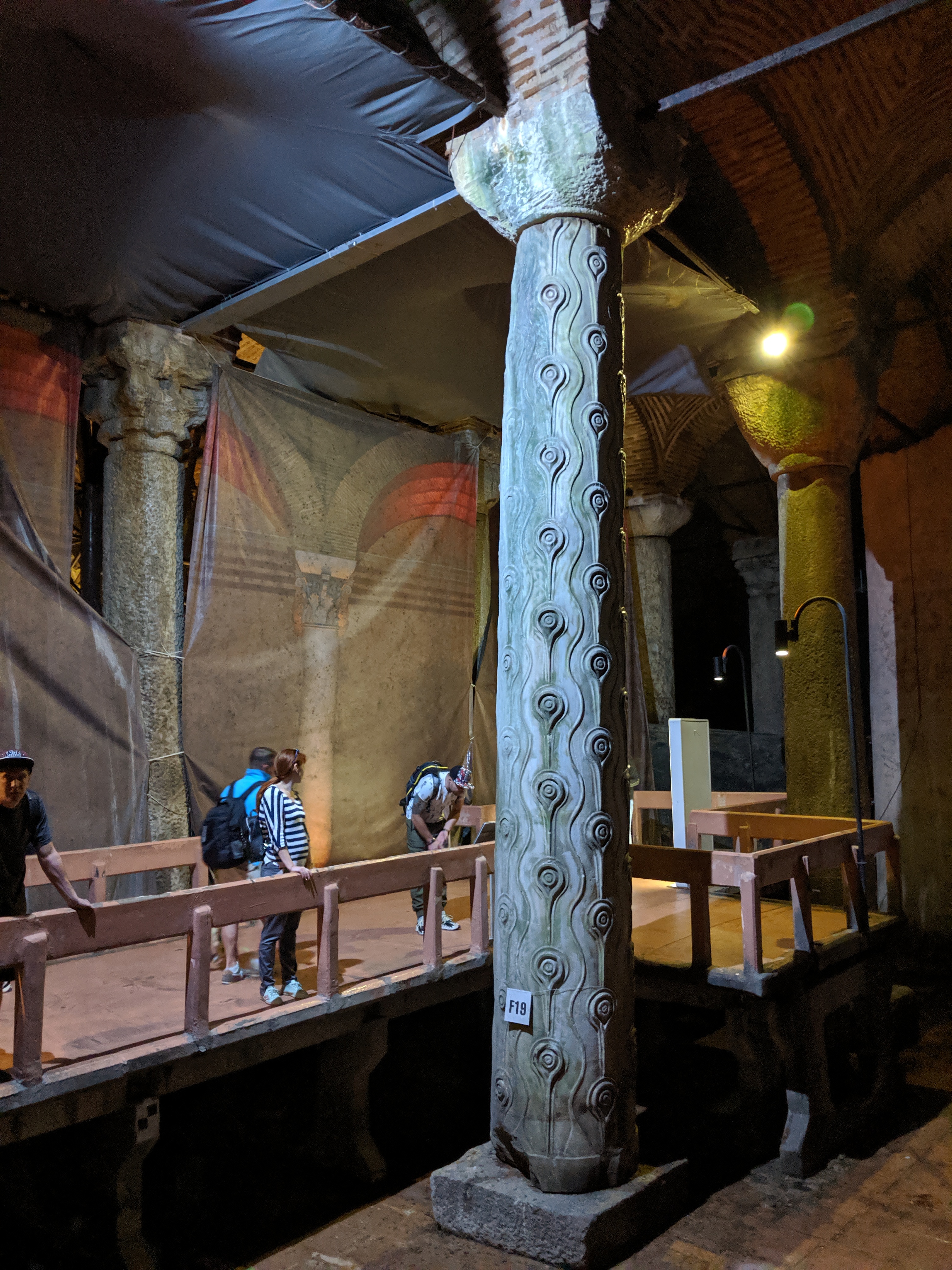
    The 336 supporting pillars differ in decoration and design. The next photo shows the Crying Column, or Pillar of Tears. Unlike the other pillars, this one is always wet. Legend has it that the pillar commemorates the hundreds of slaves who died while building the cistern:

    Two of the pillars have the head of the Medusa at their base:

    According to legend, the Medusa had snakes for hair and was horrific to look at. So horrific that people turned to stone if they gazed directly at her. Statues of her were placed around buildings for protection. The pillar above has the Medusa head lying on its side, whereas the pillar below has the head upside down:

    That’s all for today, folks.


  • Uchisar in Cappadocia, Turkey

    This is the blog of Mark Wordsworm, the travelling worm. I’m a 36-year-old bookmark (give or take a few years) and I proudly boast my own Hallmark serial number, 95 HBM 80-1. You’ll probably want to read all about me and my Travelling Companion (the TC).

    Today’s travel notes

    Me and the TC spent a couple of days in Cappadocia, a region in central Turkey, exploring the town of Uçhisar and its surrounds.

    Word of the day

    A troglodyte is a cave dweller. The word also means old-fashioned or deliberately backward-looking.

    The book I’m in

    Dreams and Shadows, by C. Robert Cargill. A dark tale of faerie and mortality, with a dose of undreamed-of power and doomed love. C. Robert Cargill is a versatile author, well worth keeping an eye on.

    Travel tip

    Look out for the stray dogs that live in the streets. They’re usually docile and friendly, but can become territorial at night.

    Recommended accommodation

    Art Residence Cappadocia, from host Derya with Airbnb. A luxurious cave dwelling built into the rock face above Pigeon Valley in Uçhisar.

    Recommended restaurant

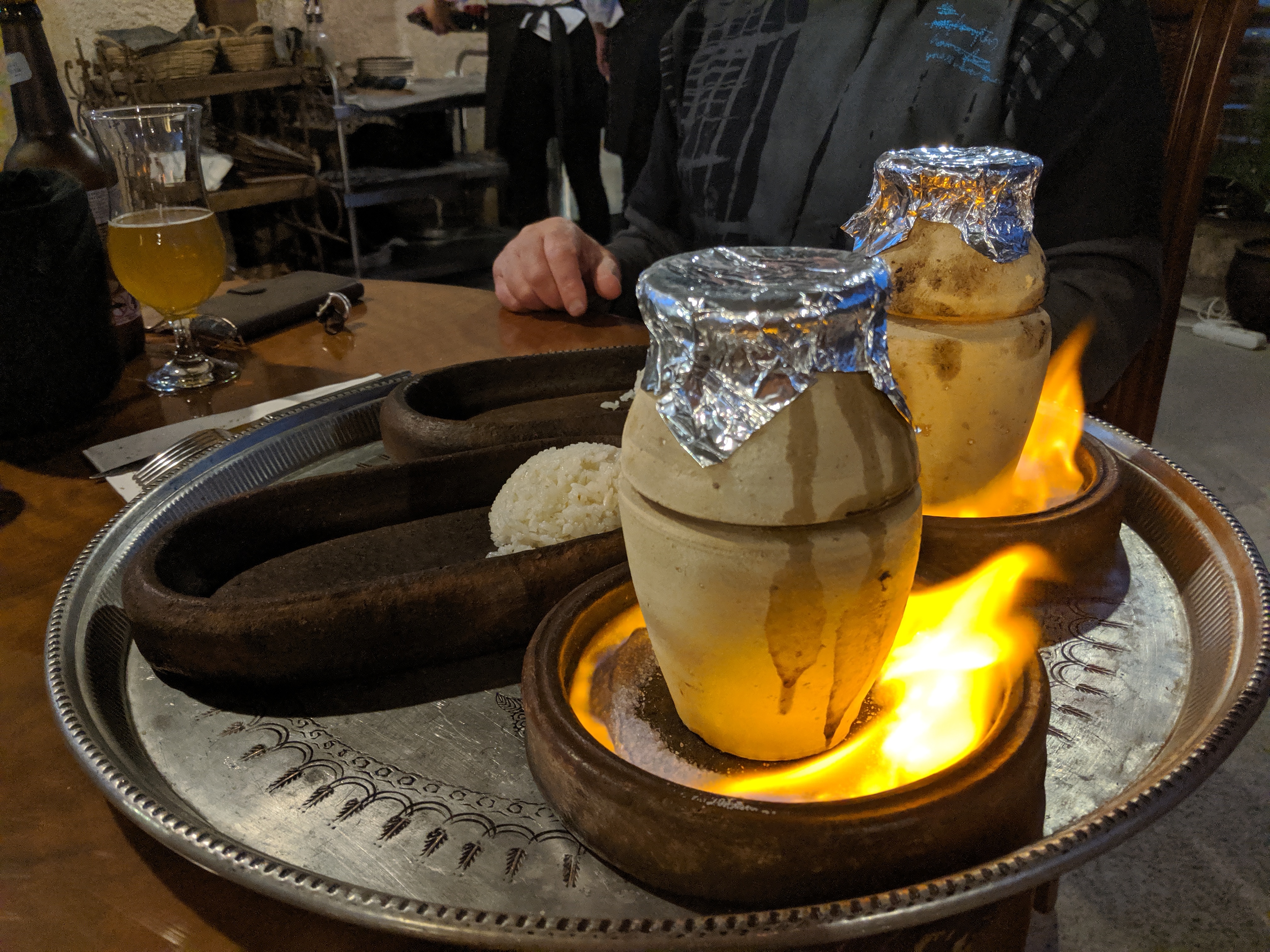
    Muhterif, Tekelli, Belediye Meydanı No: 3, 50240 Uçhisar. Good food, very friendly and professional service. One of the photos below shows a the clay pots in which a beef dish arrived.

    The photos

    Peg’s one job is to support me on my travels, especially in case of wind. Sometimes Peg gets it wrong. Me doing a faceplant:

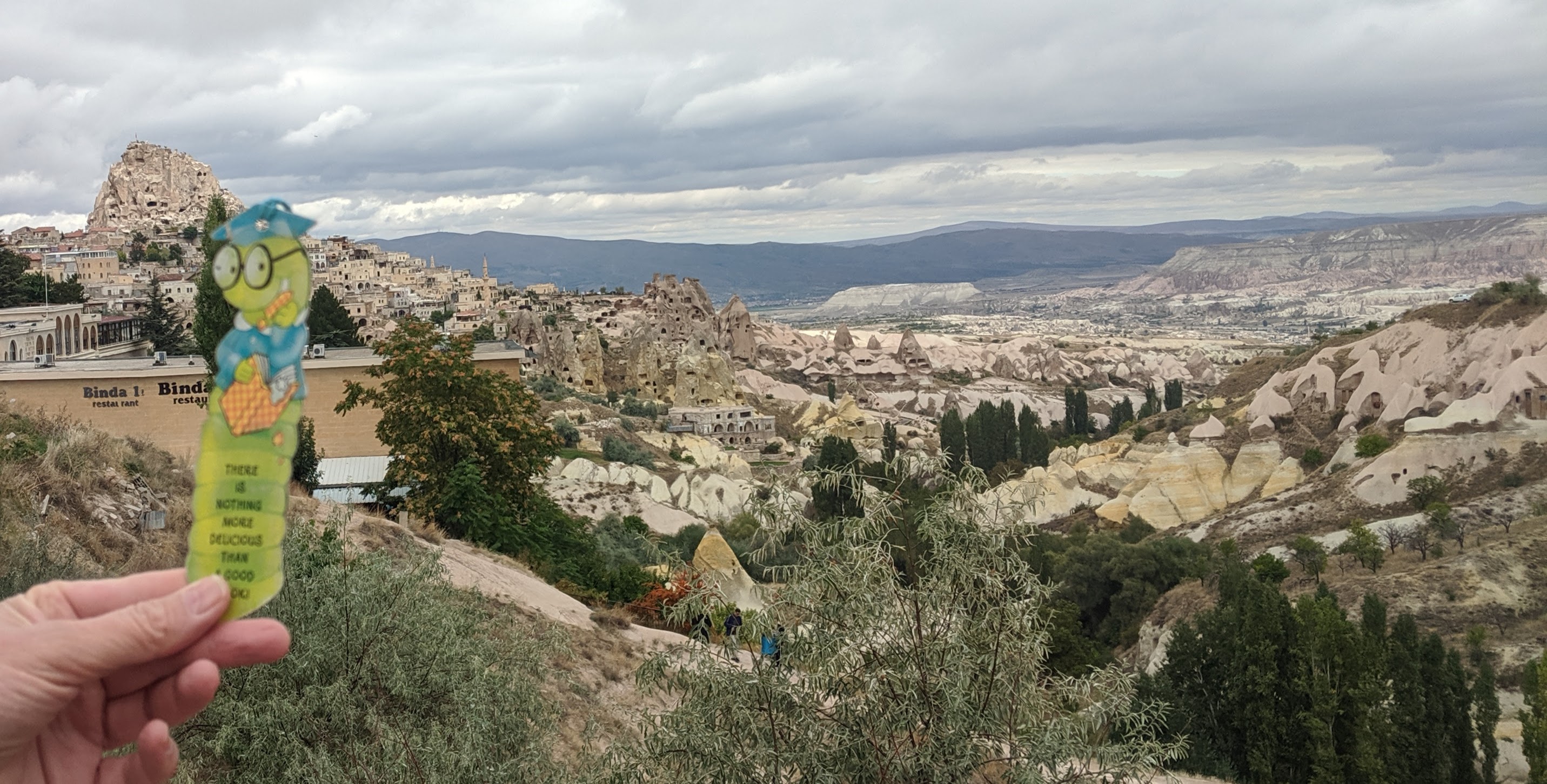
    Once more, with feeling. Here’s yours truly, Mark Wordsworm, with Pigeon Valley on the right of the photo and Uçhisar Castle on the left:

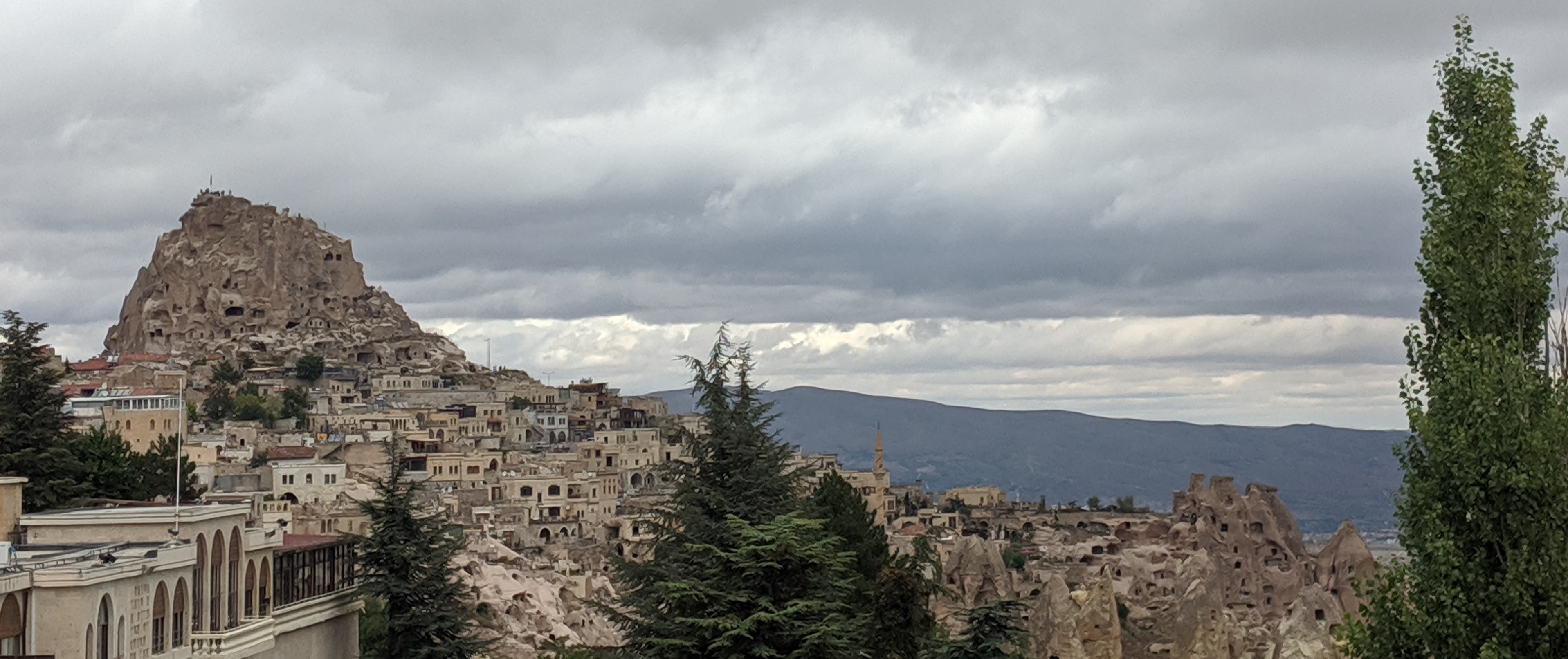
    The settlement of Uçhisar stretches up the hill to the castle:

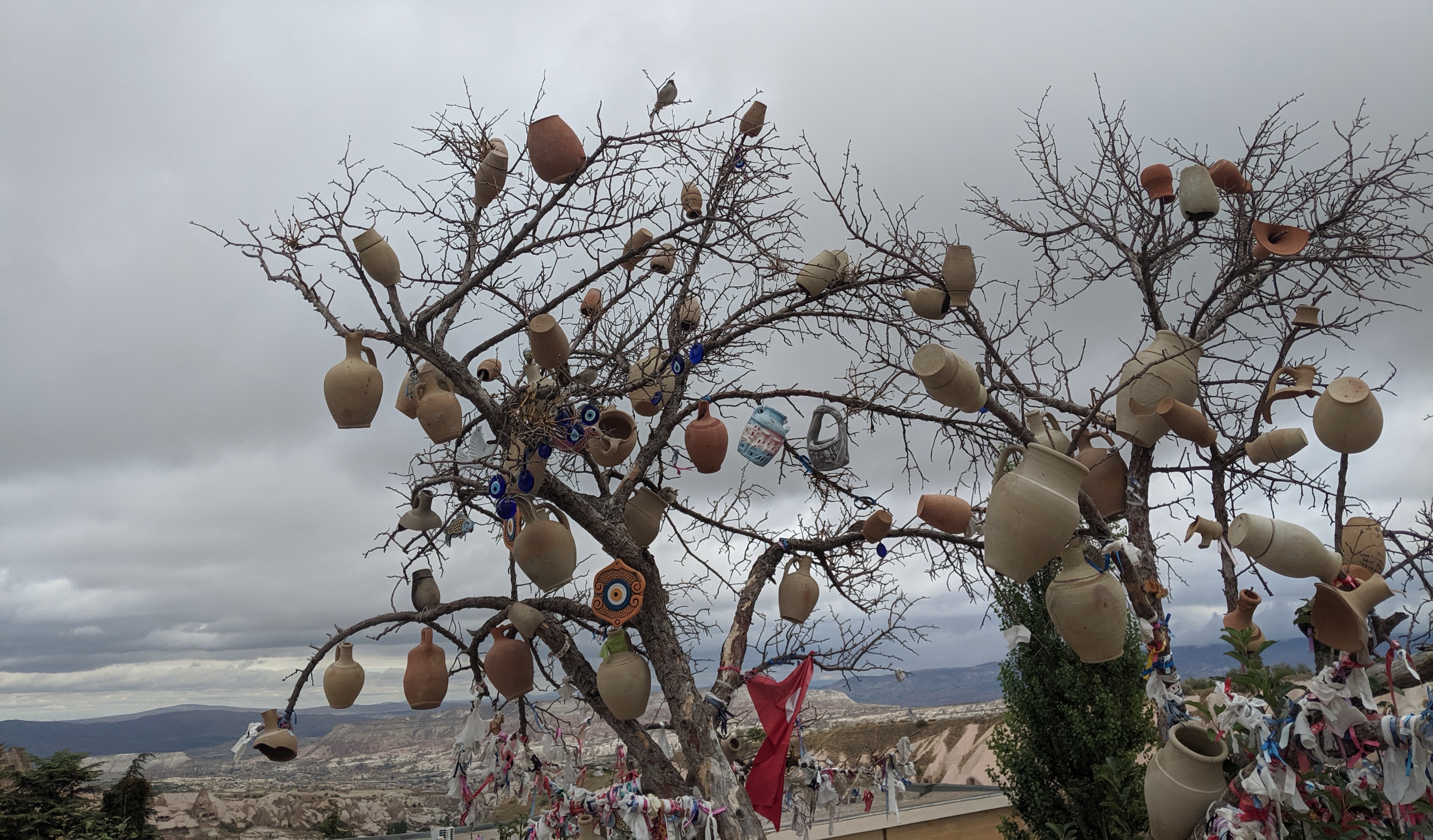
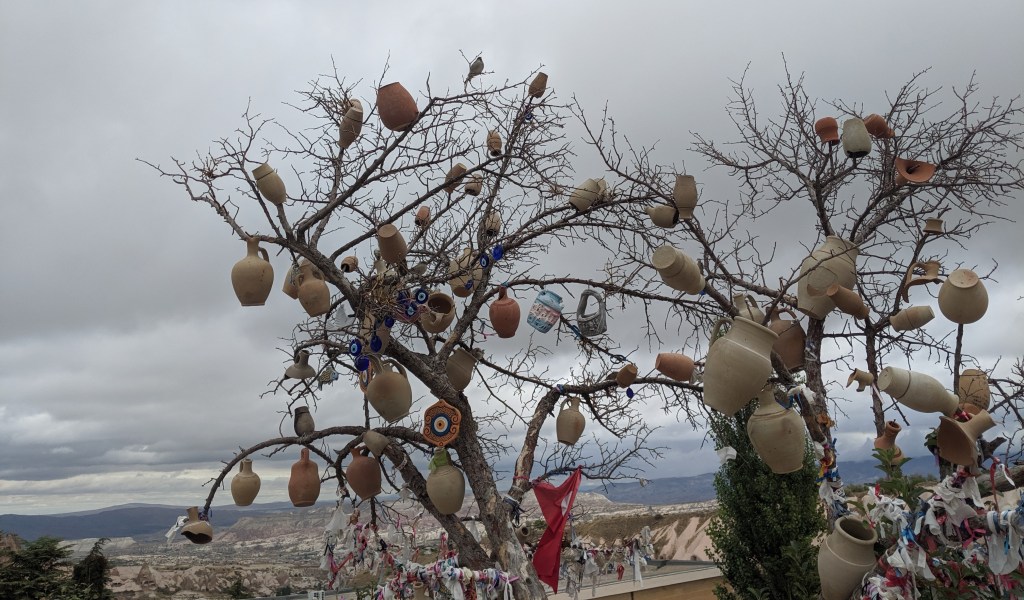
    Clay pots and ribbons decorate a tree above Pigeon Valley, with a bird or two hiding in plain sight:
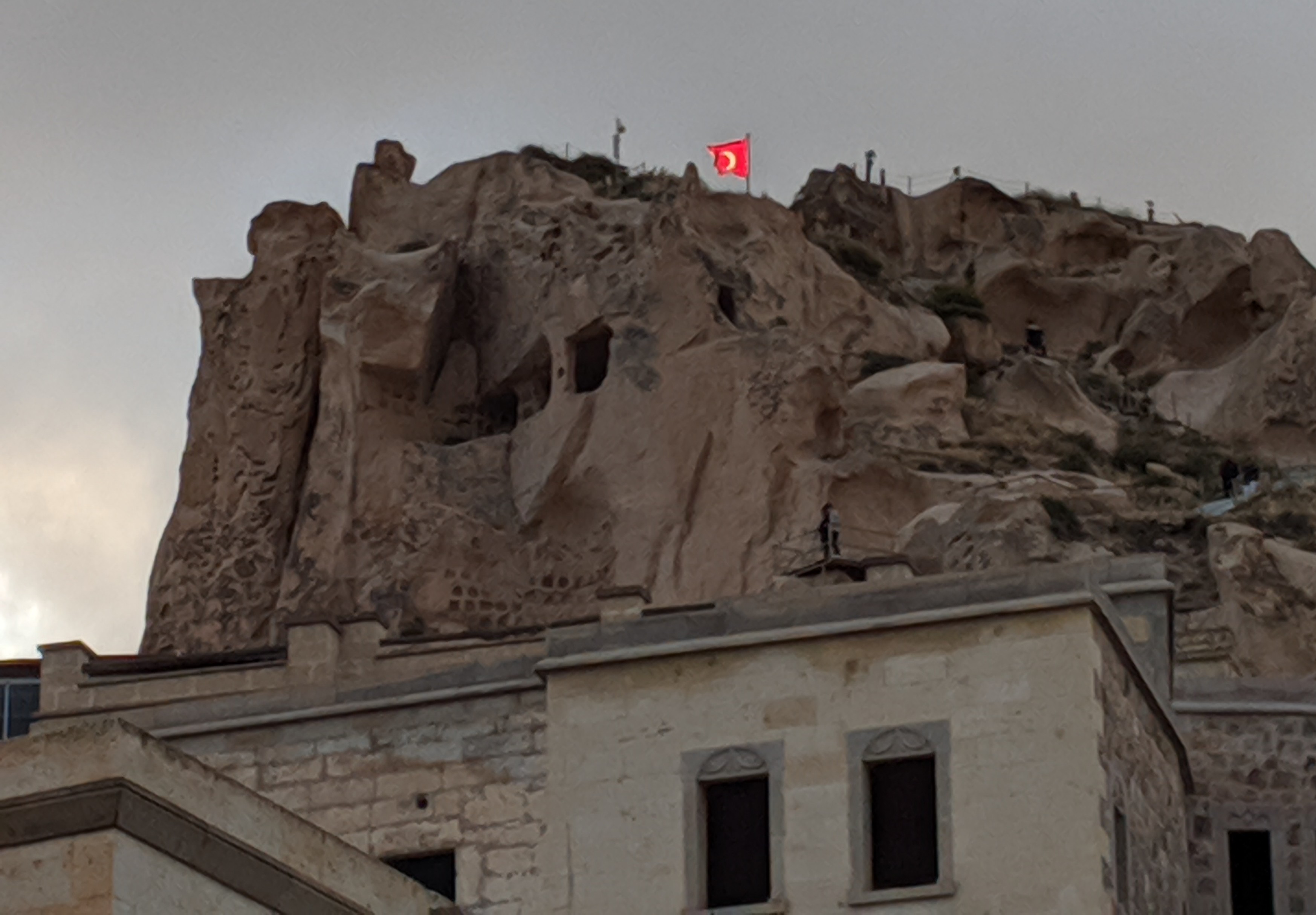
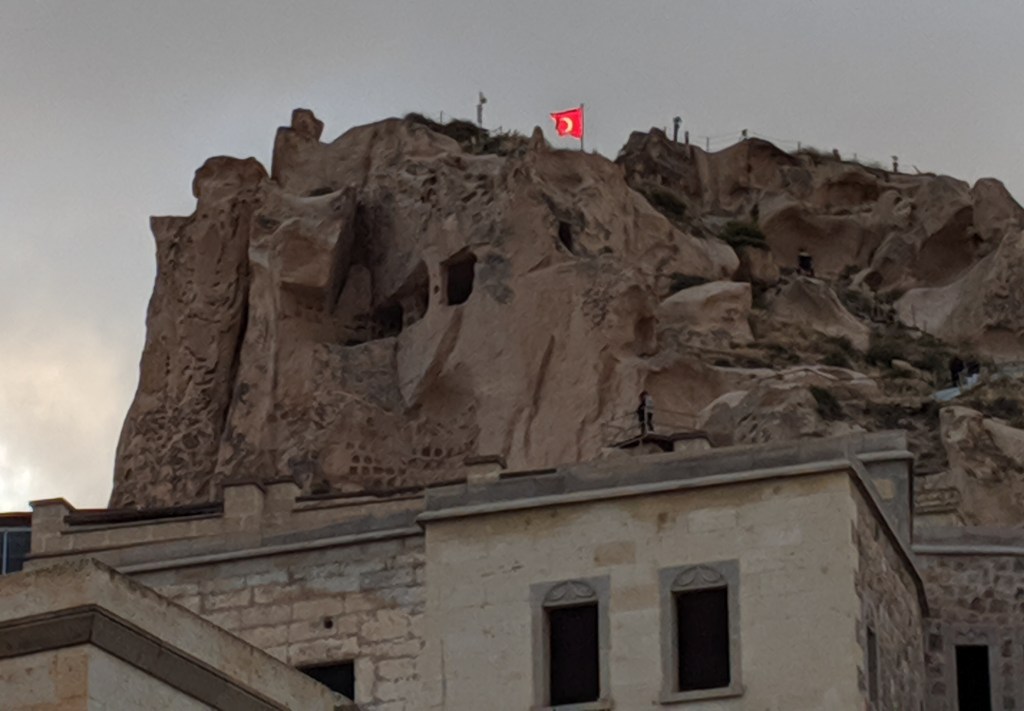
    The Turkish flag glows in the late sun:
    Looking down the winding road that leads from Uçhisar into the valley:

    Old and less old:

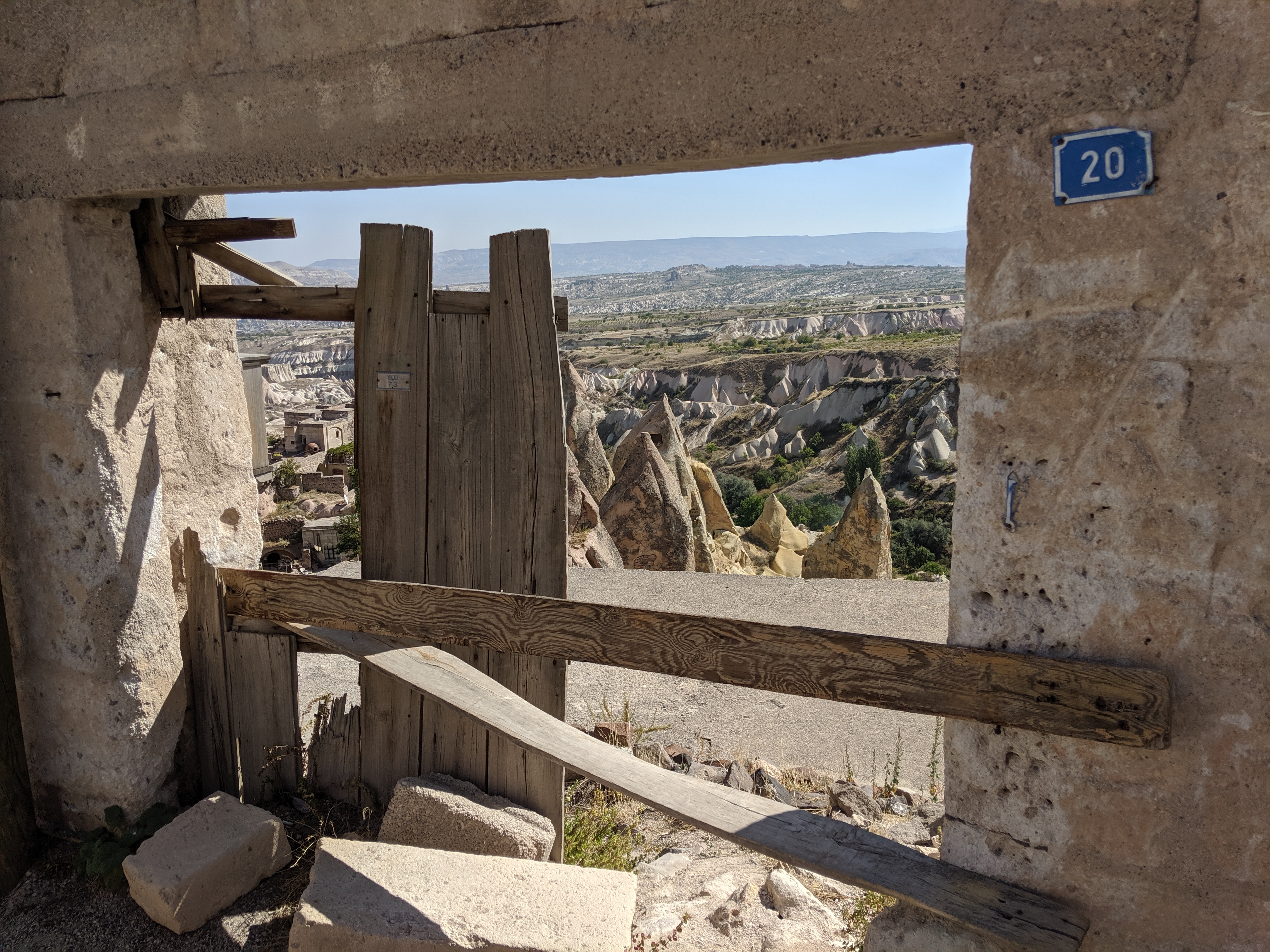
    Ruins of various ages offer photographic opportunities:
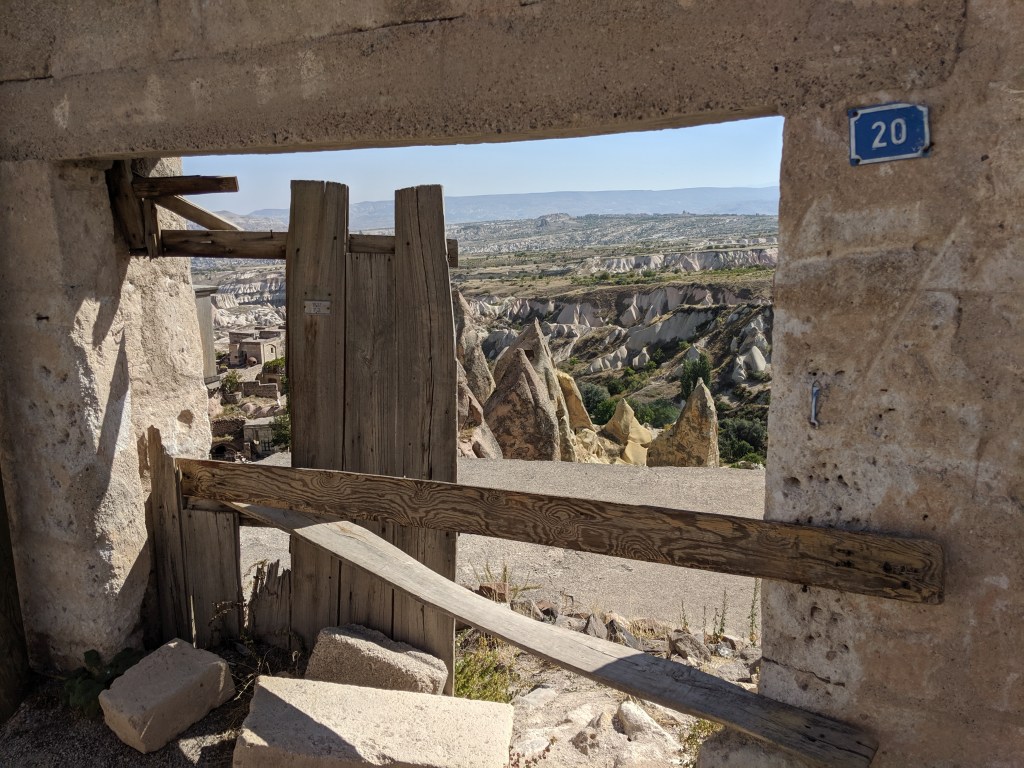
     

    This worm was not the only creature exploring the terrain. Meet Dagbert the darkling beetle:

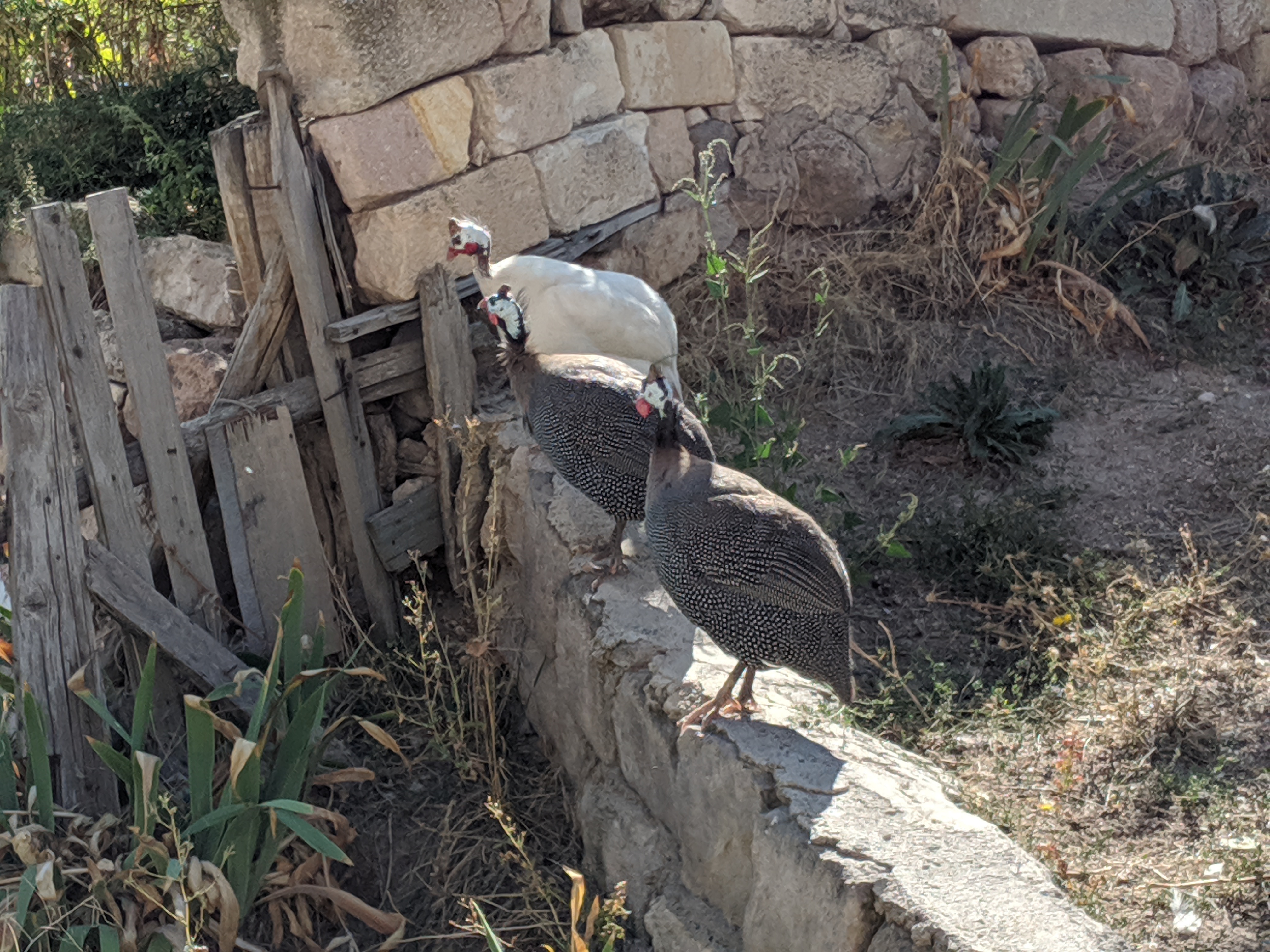
    Dagbert warned me to avoid the Guineafowl prowling in search of an easy bite:

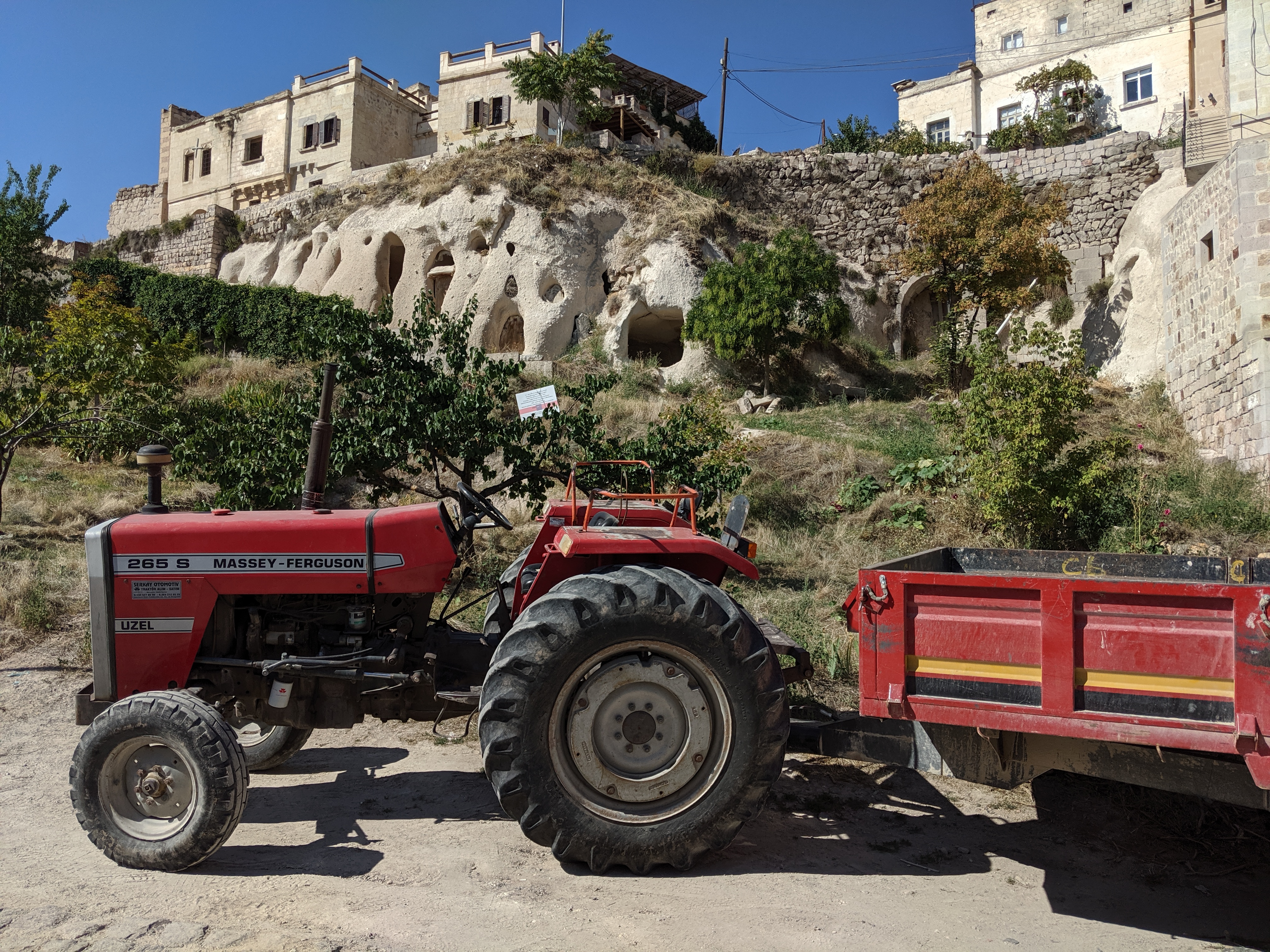
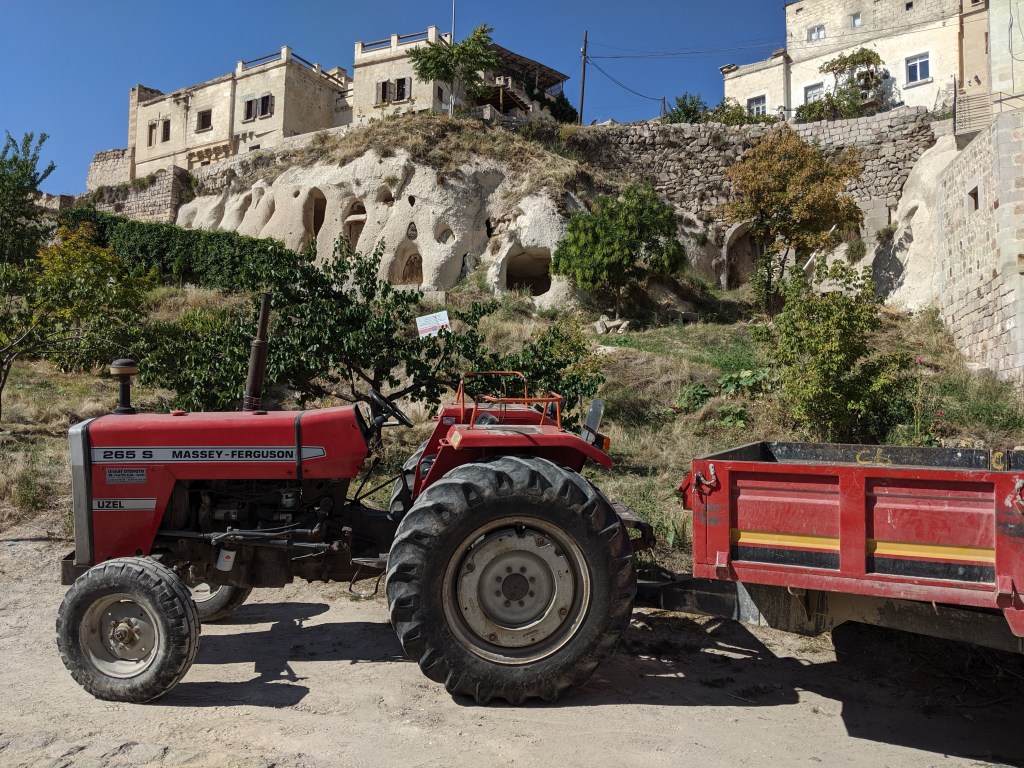
    Tractors and other working vehicles traverse the narrow roads too. If you’re driving, be prepared to reverse uphill a long way if you encounter a vehicle coming in the opposite direction to yourself!
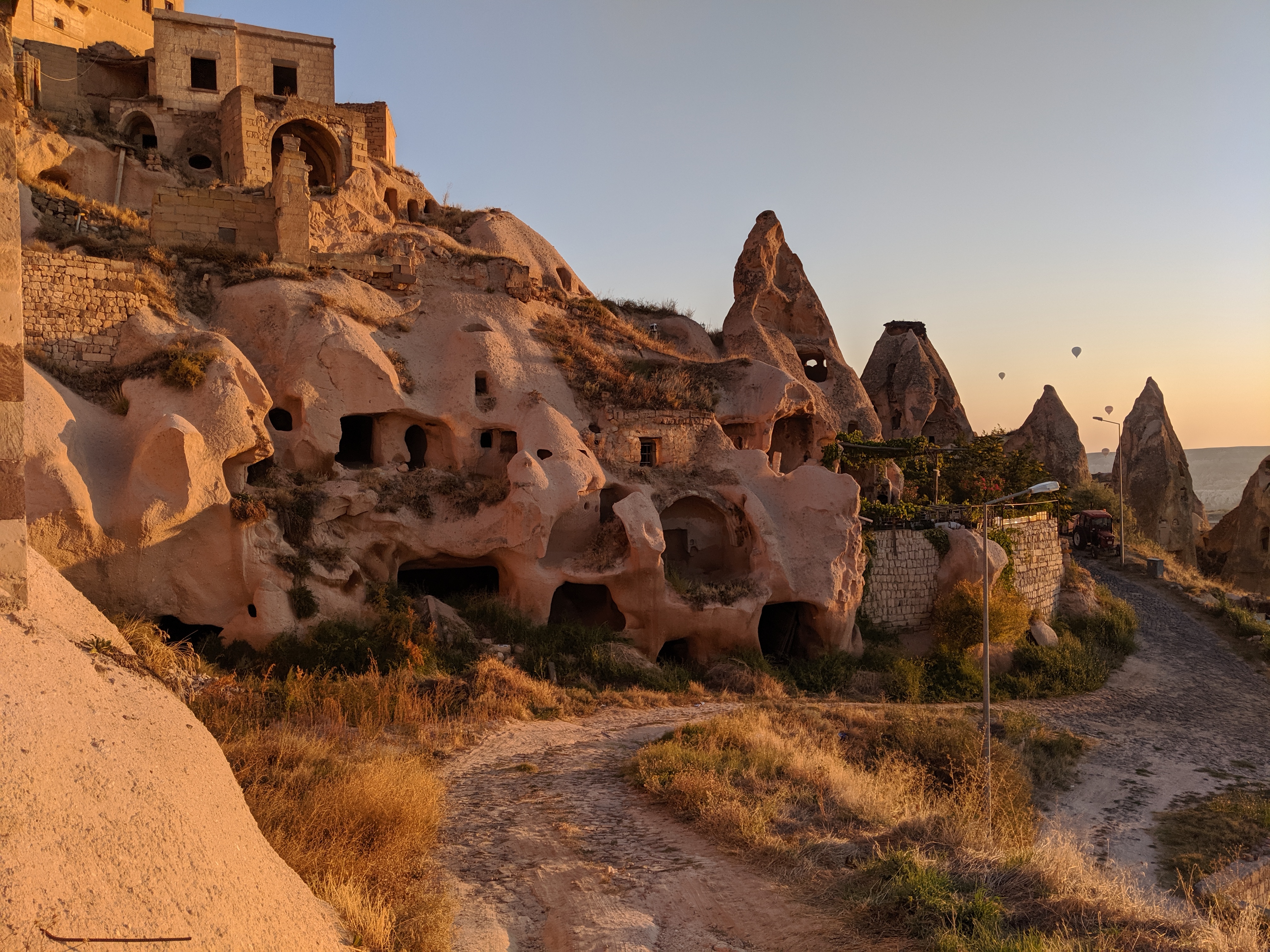
    Fairy chimneys and cave dwellings cluster at one end of Pigeon Valley below Uçhisar, with hot air balloons rising in the early morning sky:
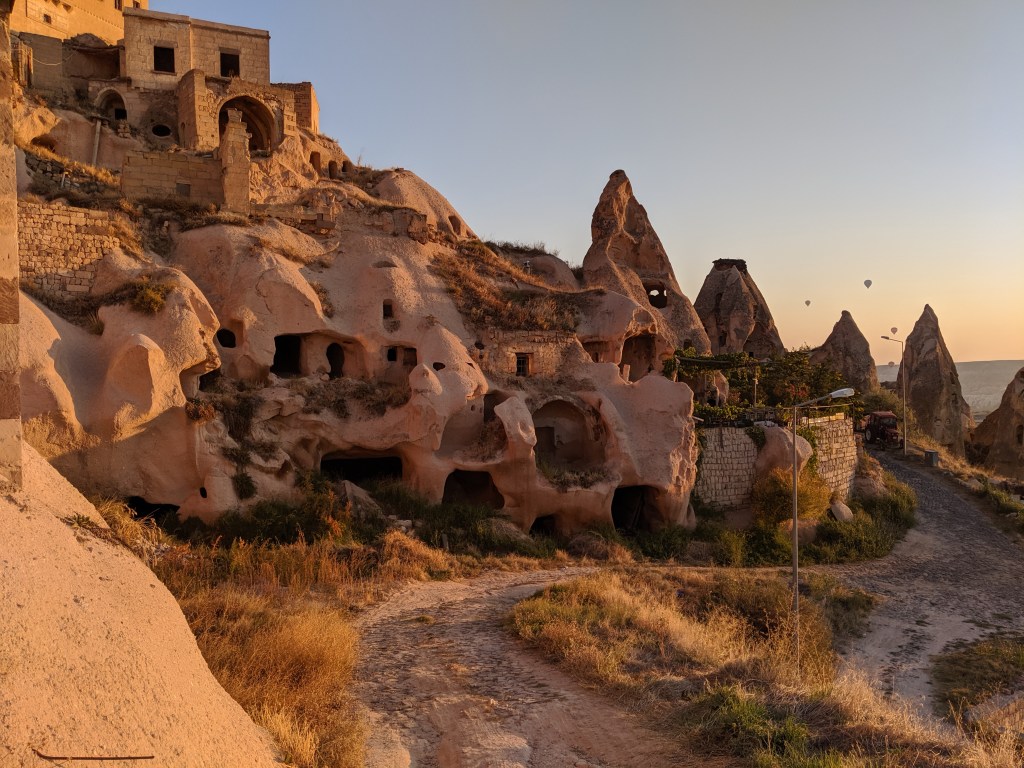
    The strange pointy hills are knows as fairy chimneys. They’re formed from a type of volcanic rock called tuff. A long, long time ago, before even this worm was in the world, volcanic eruptions spewed up ash that formed a thick layer on the surface of the earth. The ash compacted and hardened into tuff. Thousands of years of wind and water wore away the less durable material.

    So, the pointy hills are made of tuff’s toughest stuff.

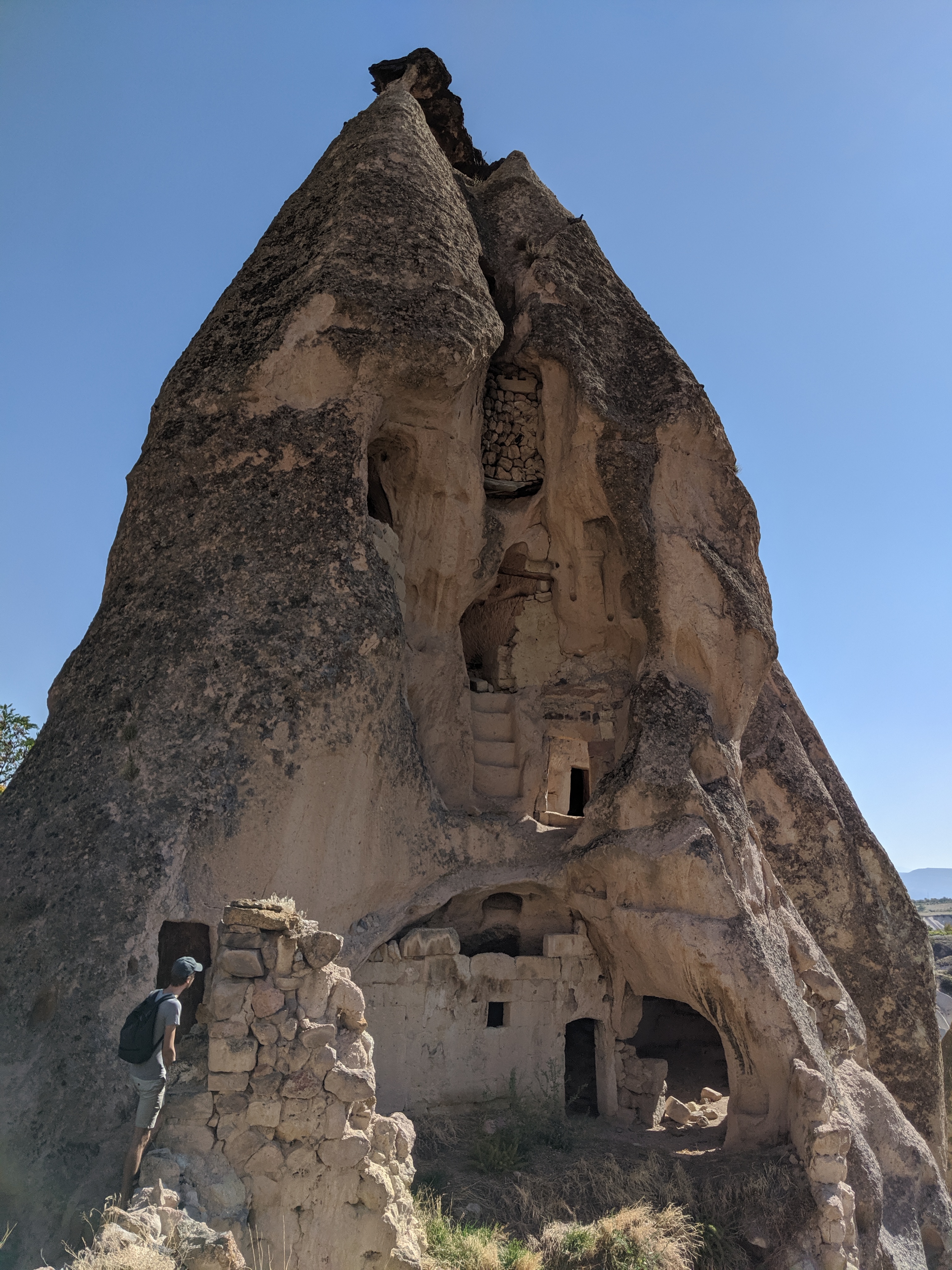
    The next shot shows a closeup view of the tallest of the fairy chimneys in this area. The fairy chimneys were hollowed out to create tombs during the Roman period, any time from the third century BC to the early AD centuries:
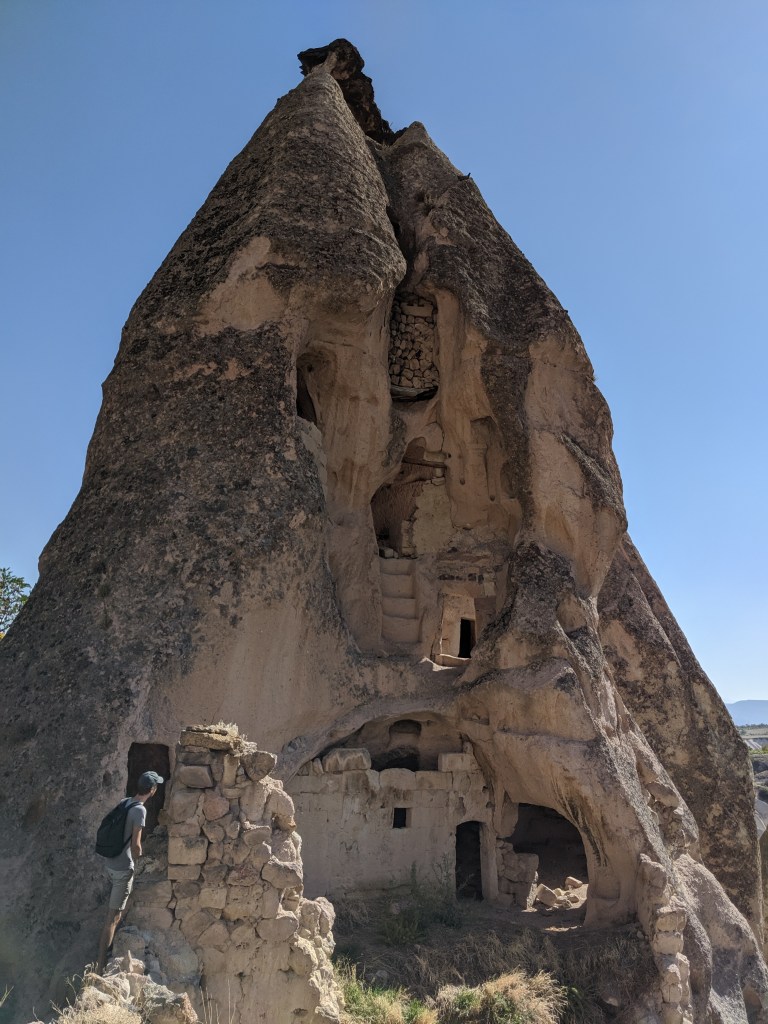
    Cave dwellings abound in the area. Some were built in the Roman period (third to fourth centuries AD) by Christians who came to the area to flee the Romans, and found that digging into the soft rock was an easy and convenient way to build solid, cool homes. People have been excavating homes in the rock for centuries, so it’s hard to know how old a specific cave is.

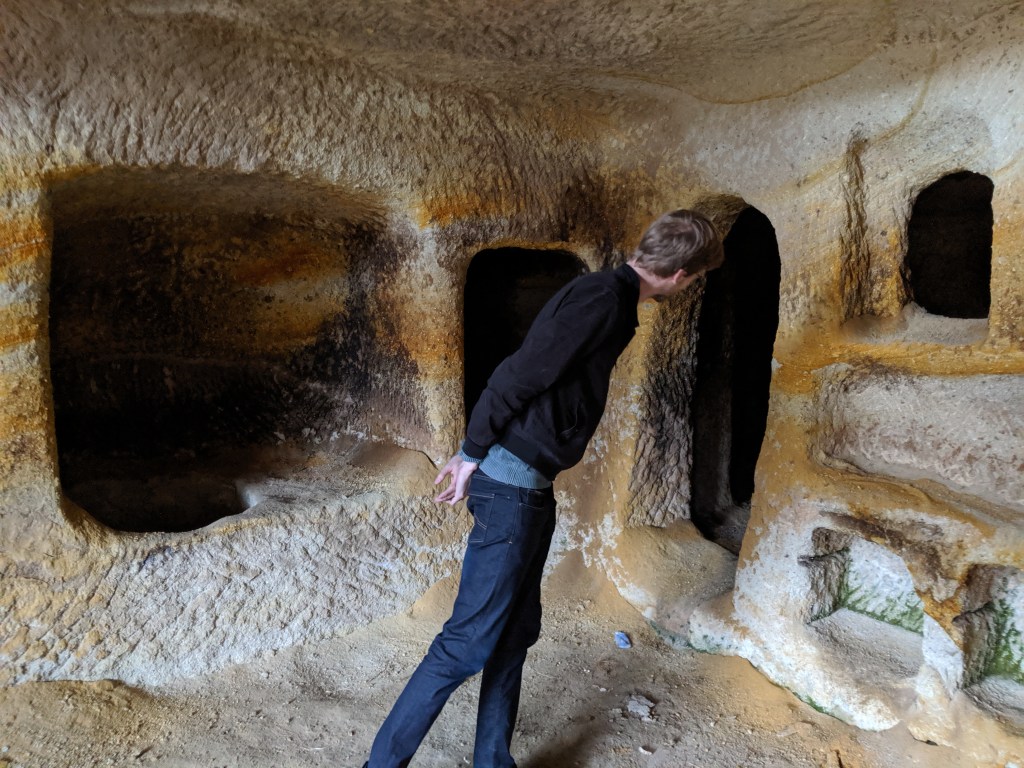
    Some of the cave dwellings are easily accessible, in that they’re at ground level and unsupervised. It’s a bit of a scramble over rough terrain to get to them, and the grass hides unexpected deep holes and caverns, so be careful. Here’s a view inside a cave dwelling:

    It’s surprisingly roomy and sophisticated in there. Another room in the same dwelling:
    People also carve out pigeon houses in the tuff, and have been doing so for thousands of years. Farmers use the pigeons as a source of fertilizer as well as food:

    To finish, enjoy a cheery shot of the flaming clay pots in which a beef dish is served at Muhterif restaurant in Uçhisar:

    That’s all for today, folks.


  • Is it a bird? Is it a bee? Strange encounter in Cappadocia

    This is the blog of Mark Wordsworm, the travelling worm. I’m a 36-year-old bookmark (give or take a few years) and I proudly boast my own Hallmark serial number, 95 HBM 80-1. You’ll probably want to read all about me and my Travelling Companion (the TC).

    Today’s travel notes

    Me and the TC are in in Uçhisar, a small town in Cappadocia, Turkey. I was standing near a small lavender-like bush, admiring the scene of fairy chimneys and rock dwellings spread out below me, when a tiny creature shot by. On closer acquaintance, this worm approves the creature’s form and looks to his own metamorphosis. Rest assured though, dear reader, that such a change is still beyond the horizon.

    The photos

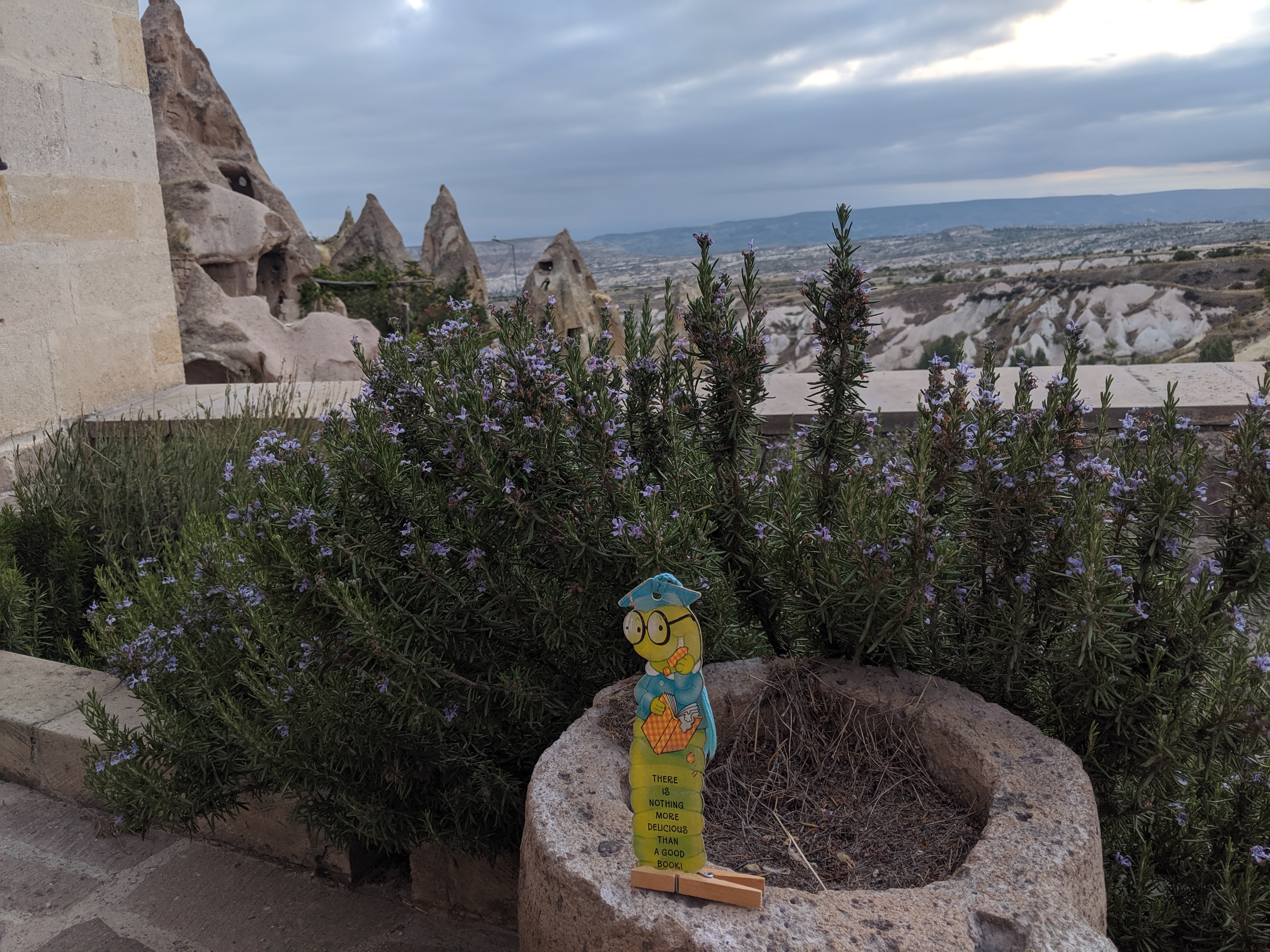
    Me in front of the lavender-like bush, scene of the strange encounter:

    Those pointy hills in the background are the so-called fairy chimneys characteristic of this part of the world. The TC, bless her cotton socks, coined the term bubble hills before being told the correct popular name for this geological formation.

    With this imposing scene as backdrop, a curious flying creature made its appearance. Its wings moved so fast they were but a blur. Its brightly-marked body hung almost motionless, suspended in time and space.

    Here’s a ten-second video showing a side view of the intriguing creature:

    Is it a bird? Is it a bee? The next video is slightly longer, and shows the creature from behind as well as from the side:

    A bit of investigation revealed that it’s a hummingbird hawk-moth, also called a bee moth:

    So, no beak. That’s a bit of a relief for this worm! Instead, the moth has a long proboscis for dipping into a flower to suck up nectar:

    Rather an elegant creature, don’t you think? Perhaps when this worm (or caterpillar, as I may be) decides to metamorphose, I’ll choose a similar form.

    That’s all for today, folks.