Travelling Worm

A bookworm's travelogue

Category: australia

  • Fitzroy Falls and Meryla, NSW

    In this post: Meryla Flora Reserve, Morton National Park, and the Fitzroy Falls in New South Wales, Australia. Plus wombat poo, plant snot, a cicada husk, a predatory lyrebird, and a somewhat dark ending.

    This is the blog of Mark Wordsworm, the travelling worm. I’m a 40-year-old bookmark (give or take a few years) and I proudly boast my own Hallmark serial number, 95 HBM 80-1. You’ll probably want to read all about me and my Travelling Companion (the TC).

    Today’s travel notes

    Me and the TC set out to explore some 4WD tracks around Meryla. We discovered that all the dirt tracks were closed to vehicles, due to environmental concerns and track repairs. It’s a beautiful area, so we drove around on the sealed roads instead, exploring parts of Meryla Flora Reserve and the Fitzroy Falls in Morton National Park.

    The book I’m in

    Machinehood, by S.B. Divya. This is the second book by this author that the TC has put me in, and I’m enjoying it just as much as I enjoyed the first (Meru). Divya has created an interesting and exciting mix of philosophy and science, resulting in an excellent SciFi story.

    Travel tips

    Take your own picnic, so that you can stop wherever you like to enjoy the scenery and the peace.

    The photos

    Me at Fitzroy Falls:

    We started our explorations in Meryla Flora Reserve on one side of Morton National Park. The day was misty, which added to the beauty of the forests and valleys.
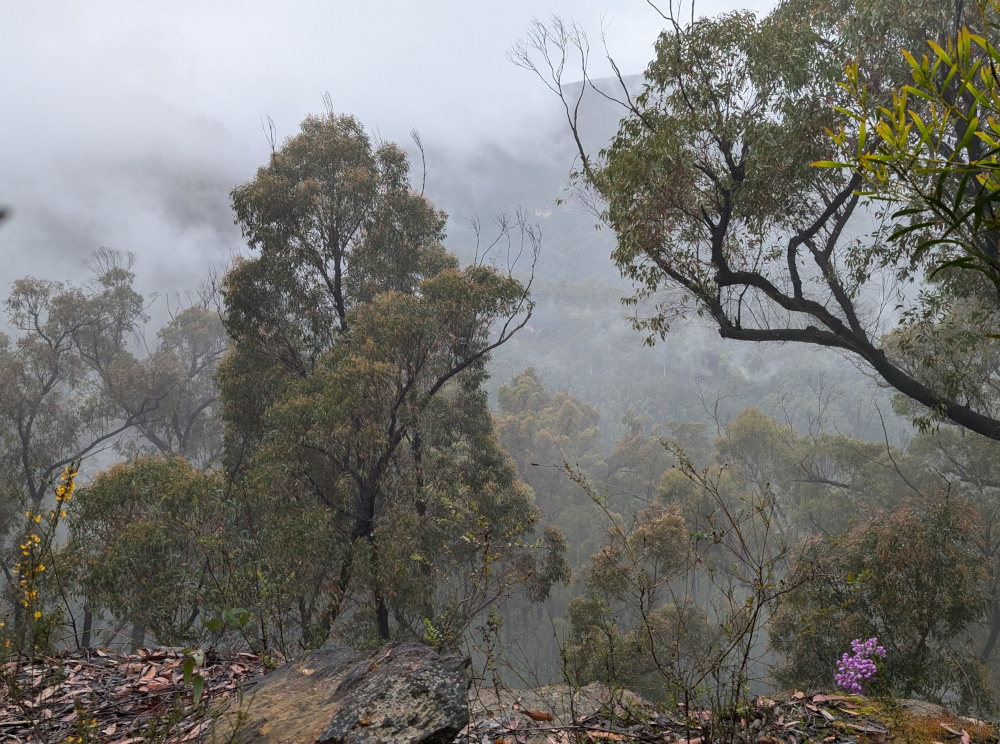
    The TC, bless her cotton socks, was taking great care to avoid all the poo on the ground. A closer look through the camera lens revealed that it wasn’t poo:

    Nor was it seaweed. We were far from the coast. No, it’s a type of cyanobacterium (Nostoc commune), fondly known as plant snot. People also call it star jelly, witch’s butter, and mare’s eggs. It’s found world-wide. The part that you see is a sheath made of jelly. The bacteria live inside the sheath, and can form large colonies.

    So that’s what the TC was traipsing through. It’s a good thing she was careful, as plant snot is very slippery when it’s wet, as it was here. In long dry spells, it dries out and waits for rain.

    To her delight, the TC did encounter some actual poo, perched neatly on a rock:

    Poo-bearing rock is a fairly common sight in the Australian bush. Evidently wombats, the makers of these monuments, deposit their offerings on a rock as a mark of territory. He who poos highest has the most influence in terms of spreading scent and being seen.

    We left Meryla Flora Reserve and made our way to Fitzroy Falls, on the other side of Morton National Park. The waterfall is 81 metres high, formed by the Yarrunga Creek dropping into Kangaroo Valley. To get an idea of the scale, notice the people on viewing platforms on the left and right of the falls in this picture:
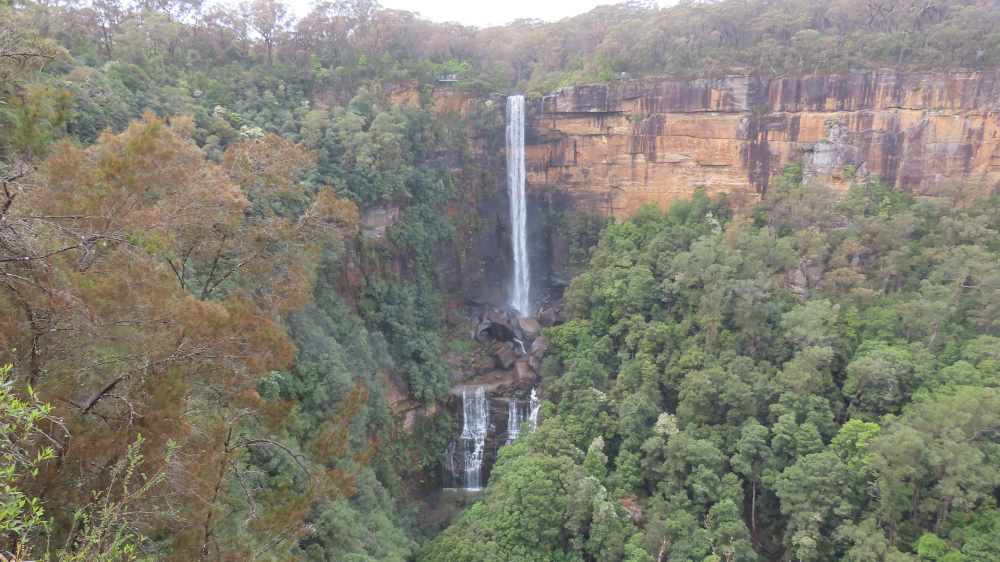
    This is a view of the valley. The falls are off-camera on the left:

    It’s worth walking along the trails on either side of the falls. This lovely old eucalypt, nicknamed The Knobbly Tree, is on the Western Rim Walking Track:

    Of course, the TC insisted on a pic of yours truly cuddling up to the tree, in spite of the scary-looking spider webs that covered the bark:
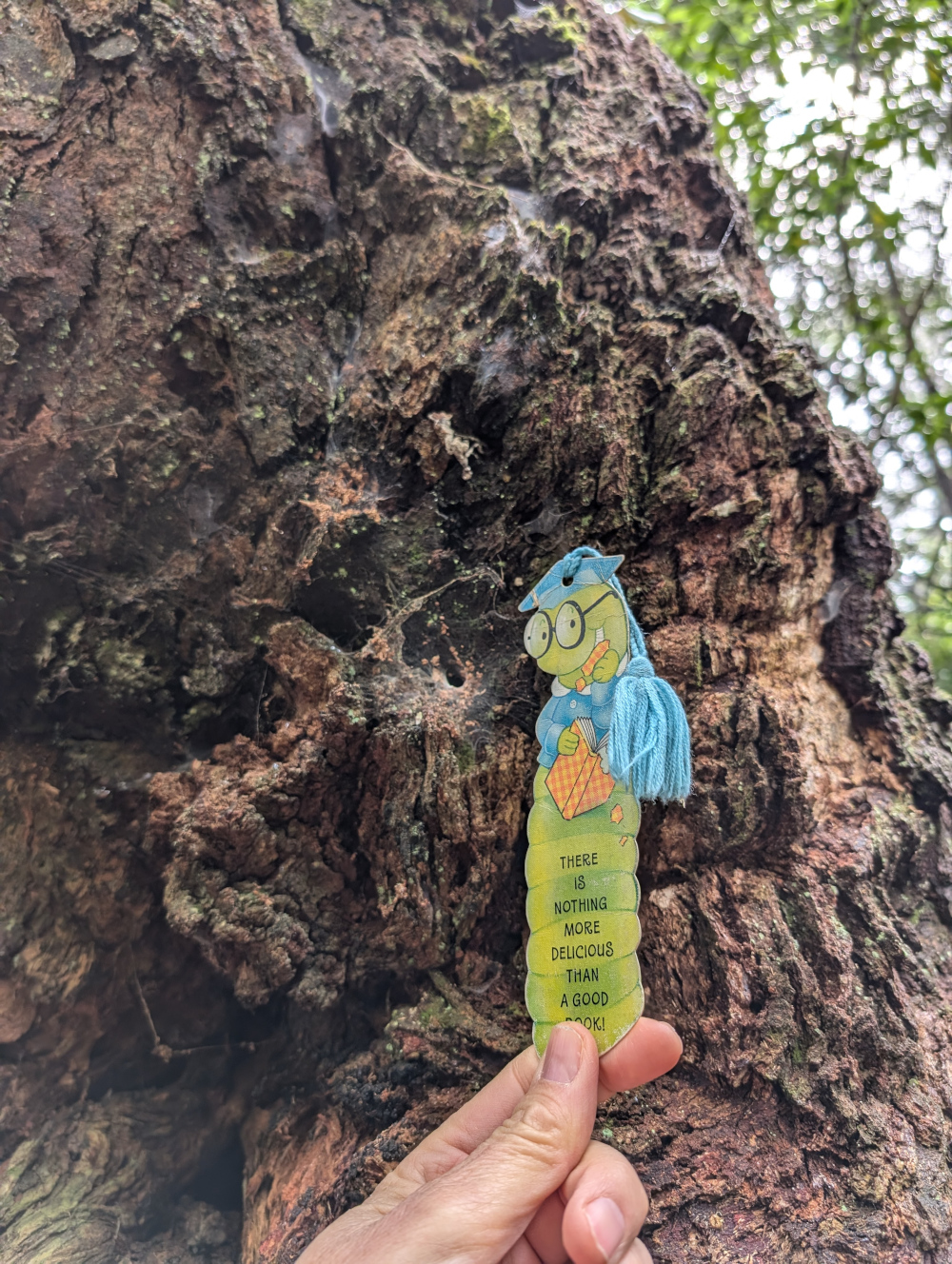
    Imagine the spider that lives in the hole sunken into that web. I’m sure this would be a case of its bite is worse than its bark.

    A tranquil view of the falls from afar restored my je ne sais quoi:

    Not far away, another peril lurked: a lyrebird scratched through the dirt looking for grubs and chatting to its friend. While the TC ooh-ed and aah-ed, this worm stayed far away from the modern-day dinosaur:

    When in natural surrounds in Australia, it’s always worth looking under the picnic table.

    Here comes the dark ending that I promised at the start of this post. The TC noticed this cicada husk under the picnic table:

    More disturbing, and a caution to an unwary worm, were the pieces of cicada lying on top of the table:

    This worm does hope that the cicada who emerged from the husk had time to enjoy life above ground, and that it was another poor insect who fell prey to a bird.


  • Maleny QLD: Views and birds

    This is the blog of Mark Wordsworm, the travelling worm. I’m a 40-year-old bookmark (give or take a few years) and I proudly boast my own Hallmark serial number, 95 HBM 80-1. You’ll probably want to read all about me and my Travelling Companion (the TC).

    Today’s travel notes

    Me and the TC recently visited the town of Maleny in Queensland. We had lunch in town, visited the chocolate factory, and spent a few hours at the botanic gardens and Bird World.

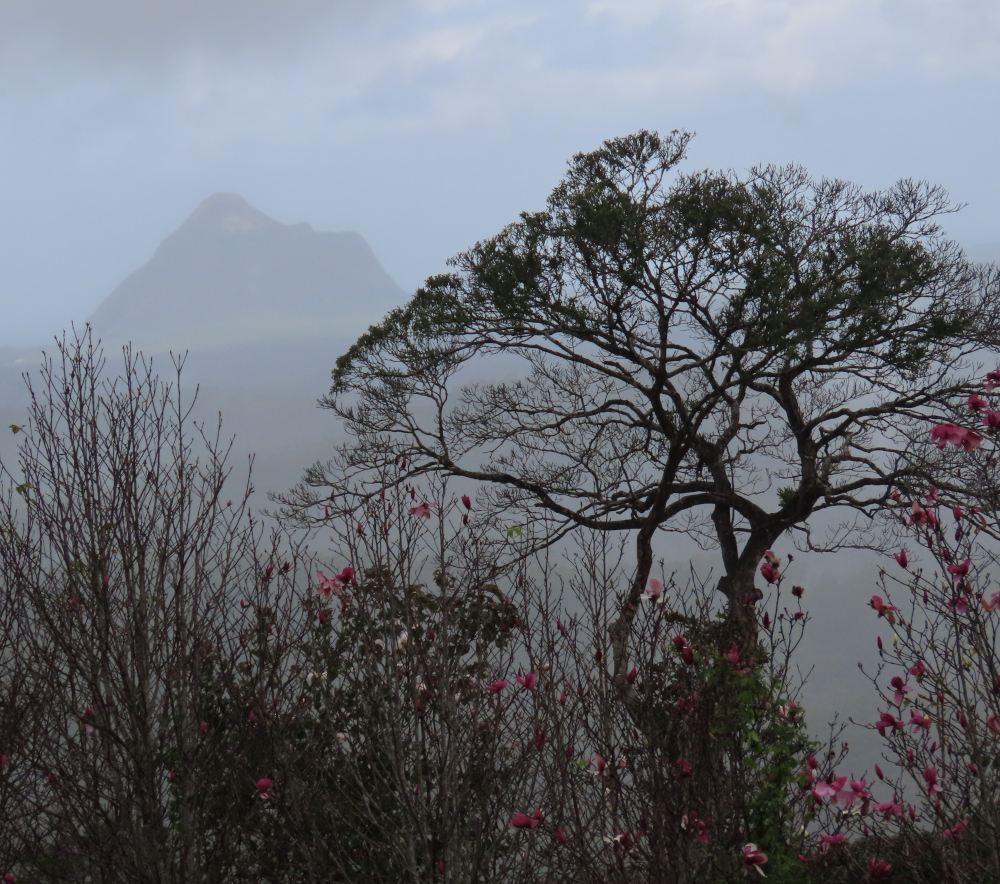
    The day was grey and drizzling. The mist only added to the views of the Glass Mountains and the architected gardens.

    The book I’m in

    Frontier, by Grace Curtis. Science fiction with flare and grace. Highly recommended.

    Travel tips

    Even if the weather is wet, Maleny is a good place to spend a few hours. Visit the Botanic Gardens and Bird World (inside the gardens). Drop in at Maleny Chocolate Co, for delicious (though pricey) chocolates.

    Recommended restaurant

    Sarah’s Unplugged in Maleny. Good food and friendly service, catering for vegan and gluten free too.

    The photos

    Where, a faithful reader will ask, is the photo of me that customarily kicks off these posts? I stayed tucked away in my travel case, viewing the sights from a handy peephole. A faithful reader might also guess the reasons why I played it safe: rain and birds. Rain isn’t good for my cardboard constitution, and when bird meets worm, it usually doesn’t go well for the worm.

    So, without further ado, let’s move on to a view:

    The Glass Mountains lurk in the clouds. In the foreground, the botanic gardens stretch towards the mist-clogged hills.

    A tree and a mountain provide structure. Pink blossoms add colour.

    At times during the day, the air was brighter and more colour shone through the mist.

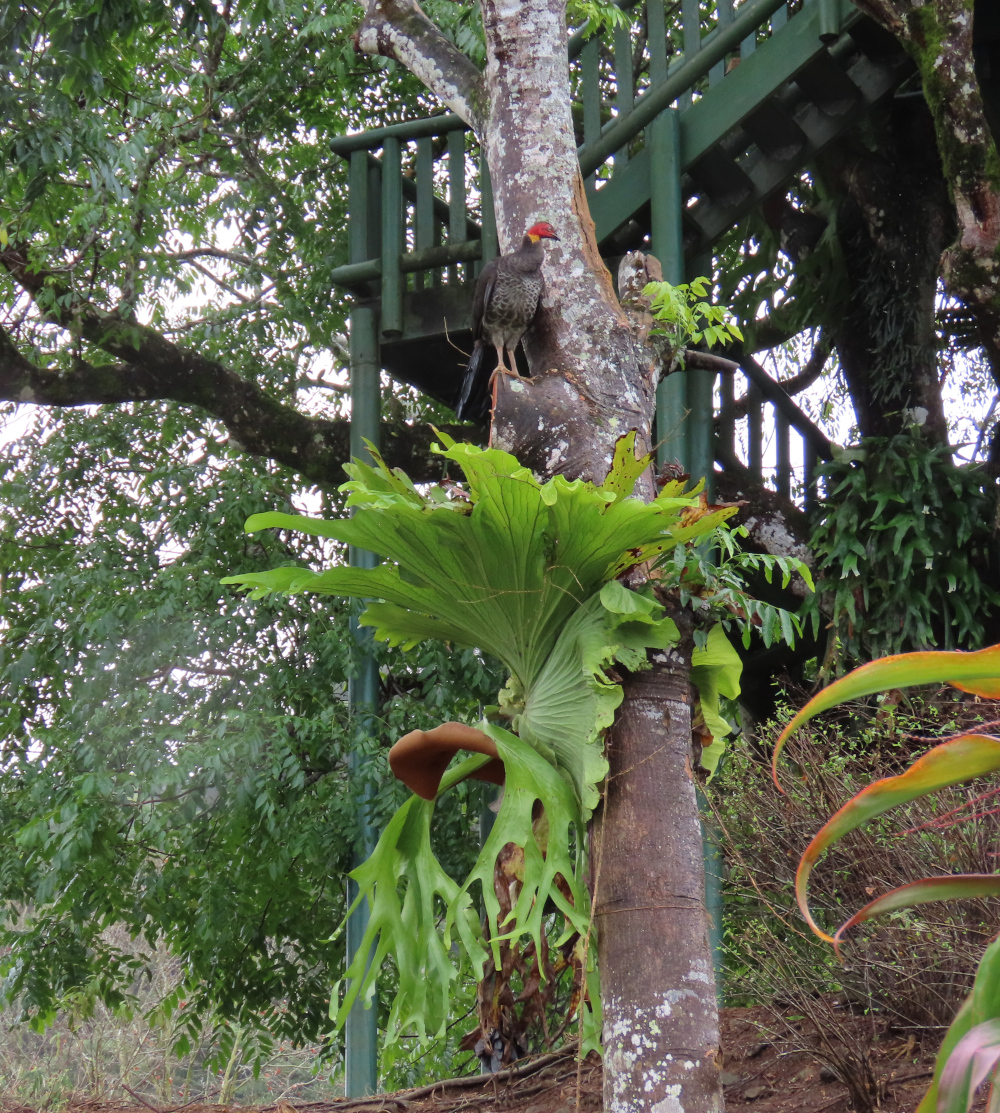
    Outside Bird World, a Brush-turkey had somehow managed to find a high perch. It watched us with a superior gaze.

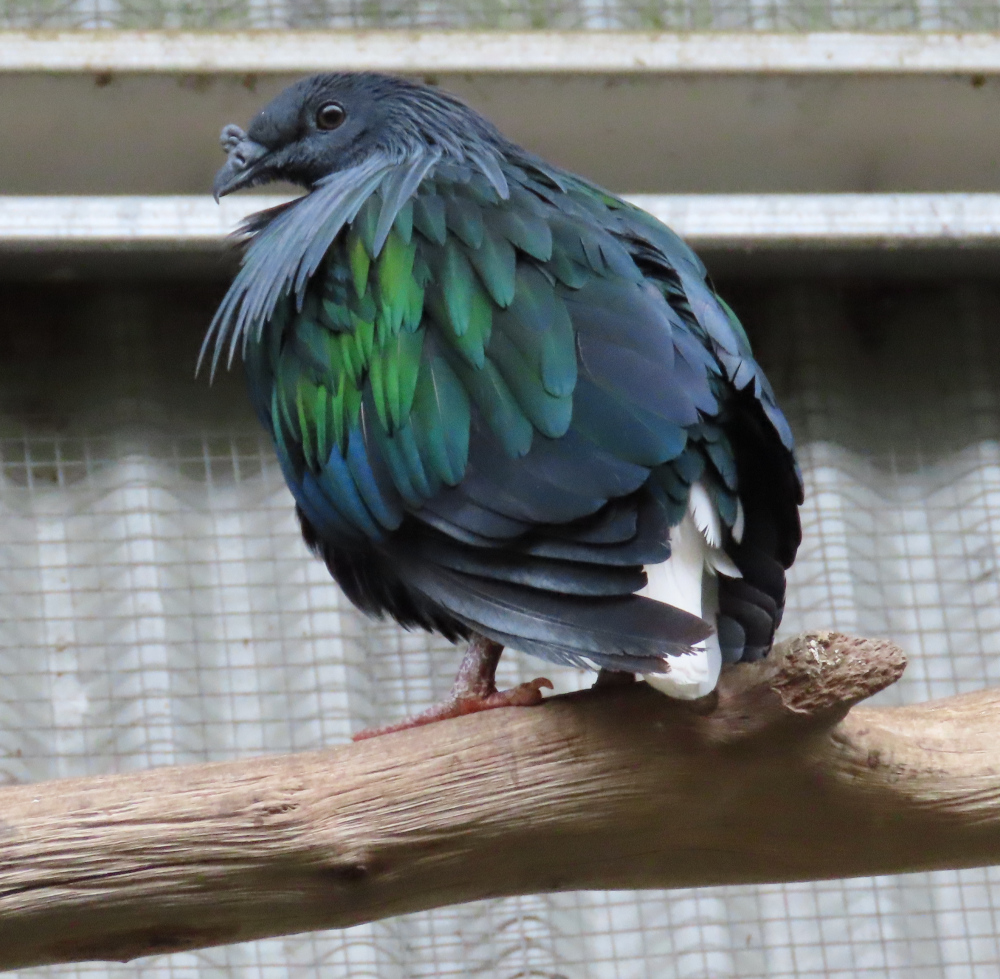
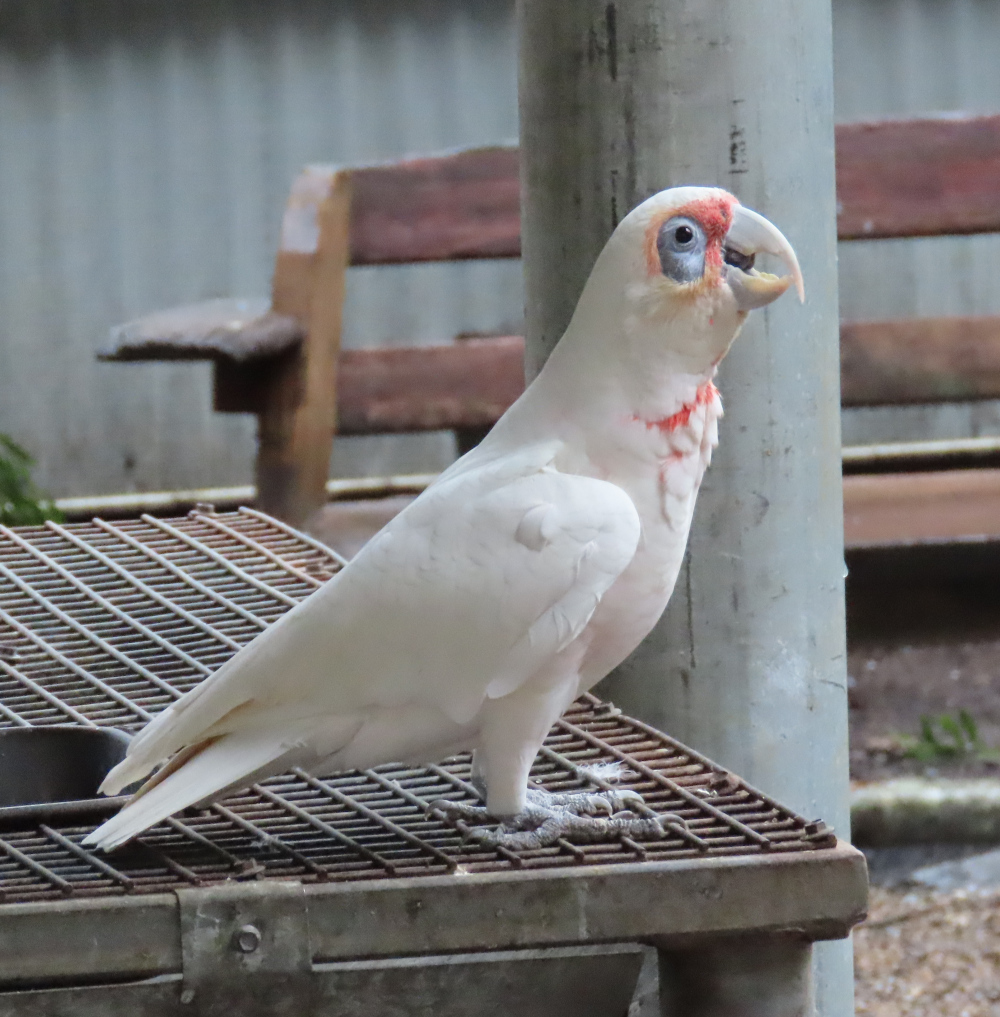
    Are you ready for the birds? Here they come! These are just a few of the birds we saw inside Bird World.

    A little Pitta:

    A series of pigeons:

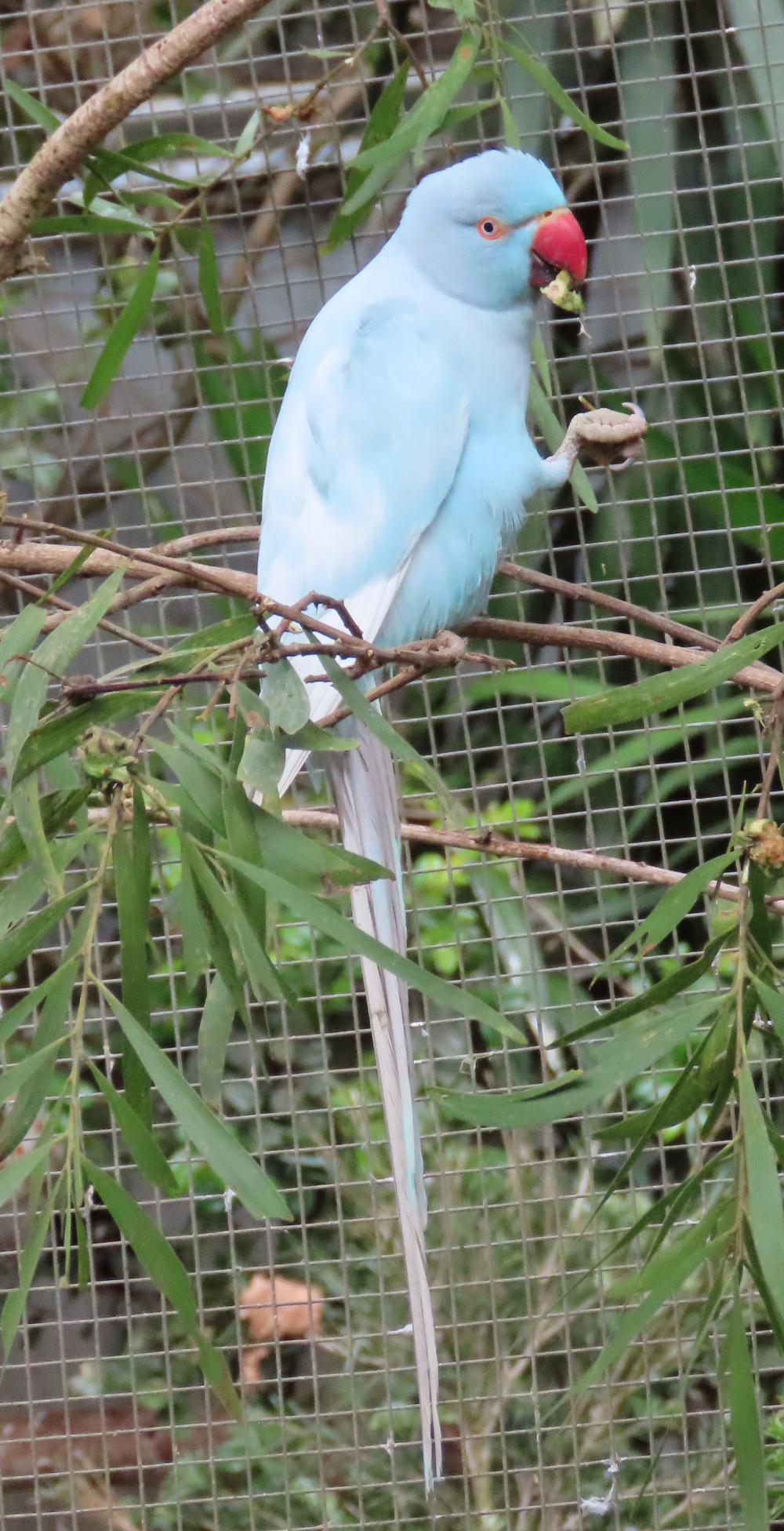
    A plethora of parrots:

    To finish, a bashful pheasant:


  • Old Grafton Road and Dalmorton Tunnel, NSW

    This is the blog of Mark Wordsworm, the travelling worm. I’m a 40-year-old bookmark (give or take a few years) and I proudly boast my own Hallmark serial number, 95 HBM 80-1. You’ll probably want to read all about me and my Travelling Companion (the TC).

    Today’s travel notes

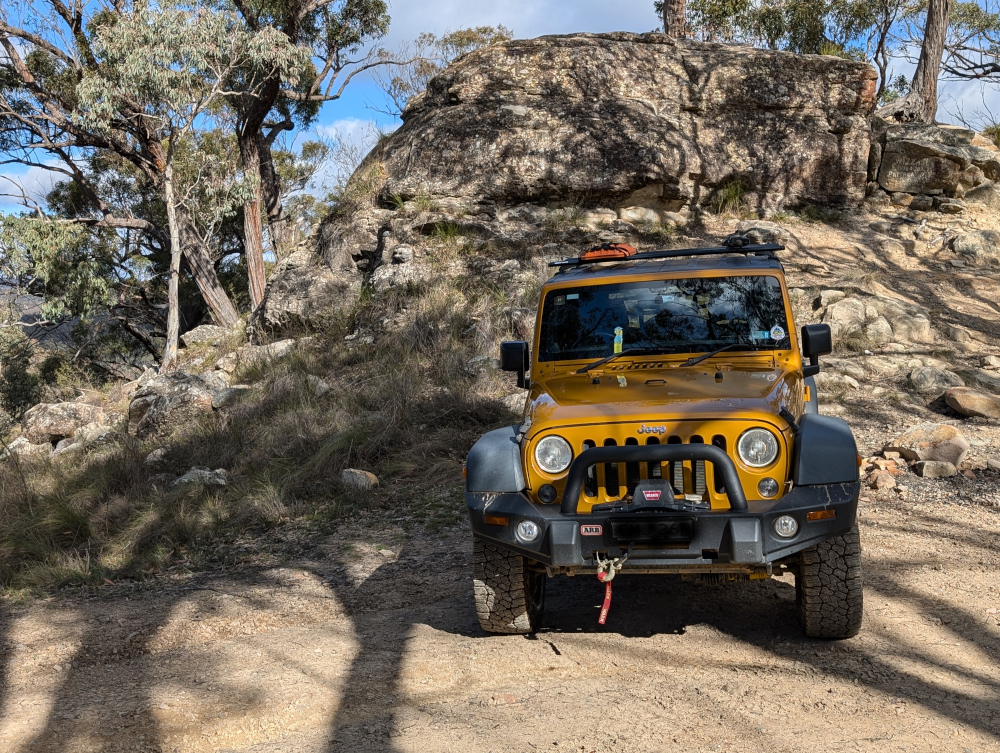
    Me, the TC, and Janet the Jeep took the long way round from Sydney to Brisbane, to explore a bit of the inland countryside. On the second day of our trip, we drove from Glen Innes to Grafton via Old Grafton Road and Old Glen Innes Road. This is a beautiful route. The road is partly sealed (bitumen) and partly unsealed (gravel and clay). It’s in good nick all the way from Glen Innes to Grafton.

    Read on to get a feel for this trip.

    The book I’m in

    Force of Nature, by Jane Harper. A book that starts well and gets better and better.

    Travel tips

    It’s most comfortable to travel from Glen Innes to Grafton, rather than in the opposite direction. The road is narrow, the edges unguarded, and the side falls away steeply along much of the way. If you’re on the side that drops off, it can be uncomfortable when you meet a vehicle coming towards you.

    Recommended accommodation

    Apartments on Grey in Glen Innes. Warm and cosy, with everything you need for a comfortable stay.

    The photos

    Me at the turnoff to Old Grafton Road on Gwydir Highway:

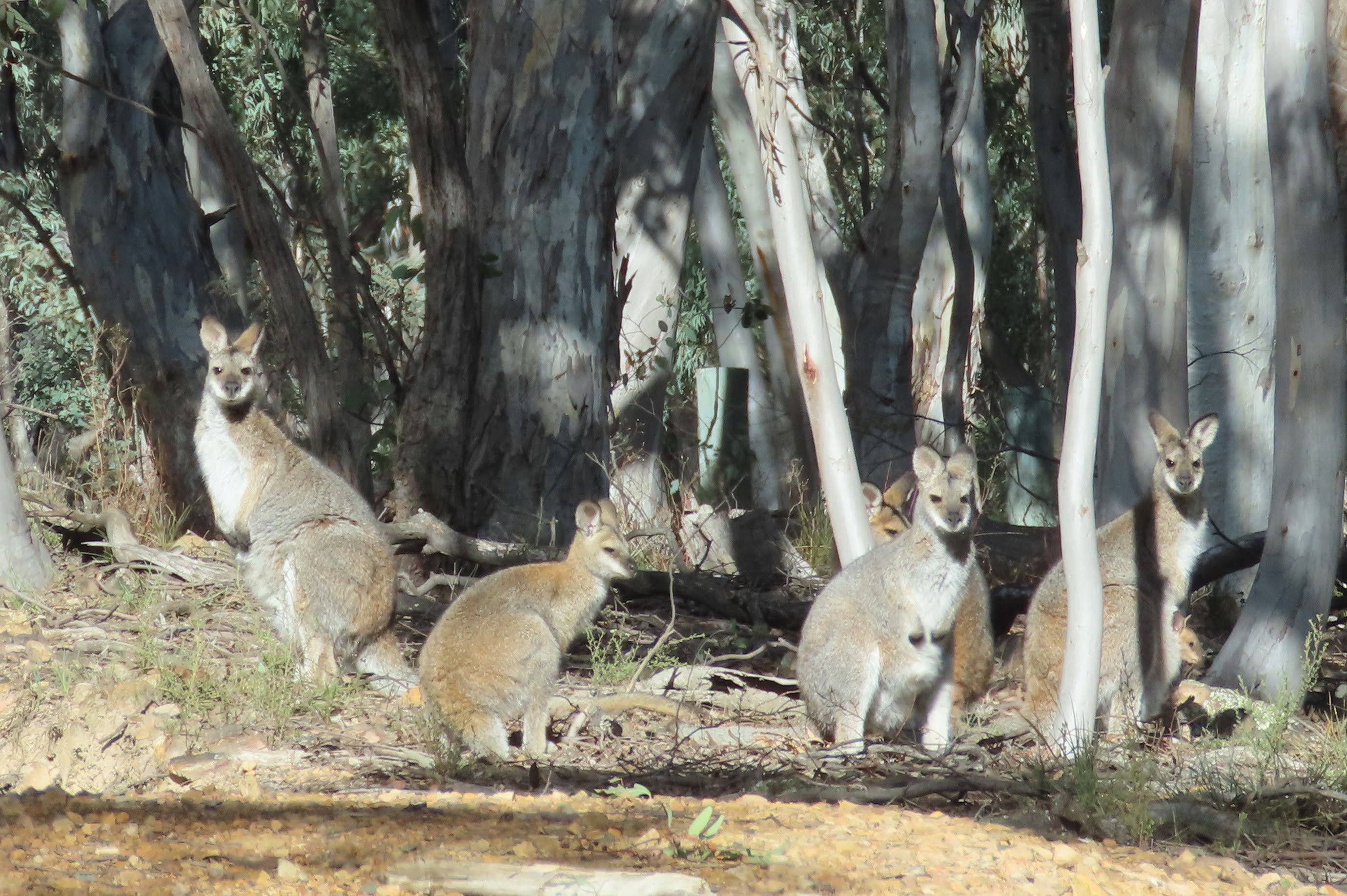
    The first part of Old Grafton Road is sealed (bitumen). But don’t be fooled! It’s scenic — meaning, it’s steep, winding, and narrow. This video gives a taste of the road. Part way through (at the time stamp of 40 seconds to 1:03), the TC stopped the Jeep to take a shot of three wallabies on the side of the road:

    The road descends swiftly to cross Diehard Creek:

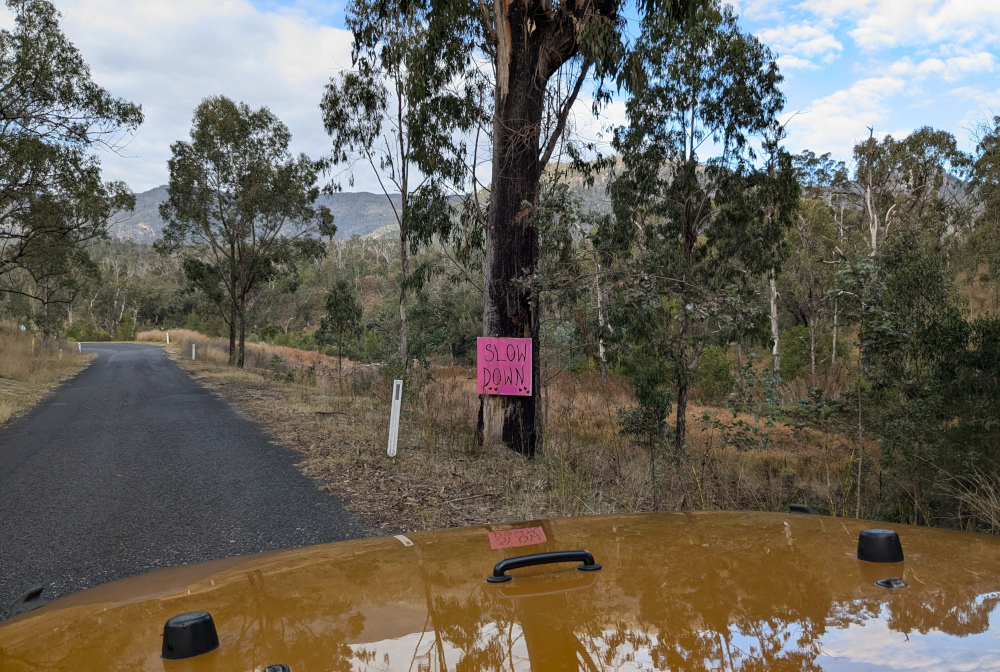
    A helpful soul has posted warning signs along the road:

    Mann River Nature Reserve is a pretty spot to take a breather:

    Janet the Jeep was raring to go when Old Grafton Road changed to dirt:

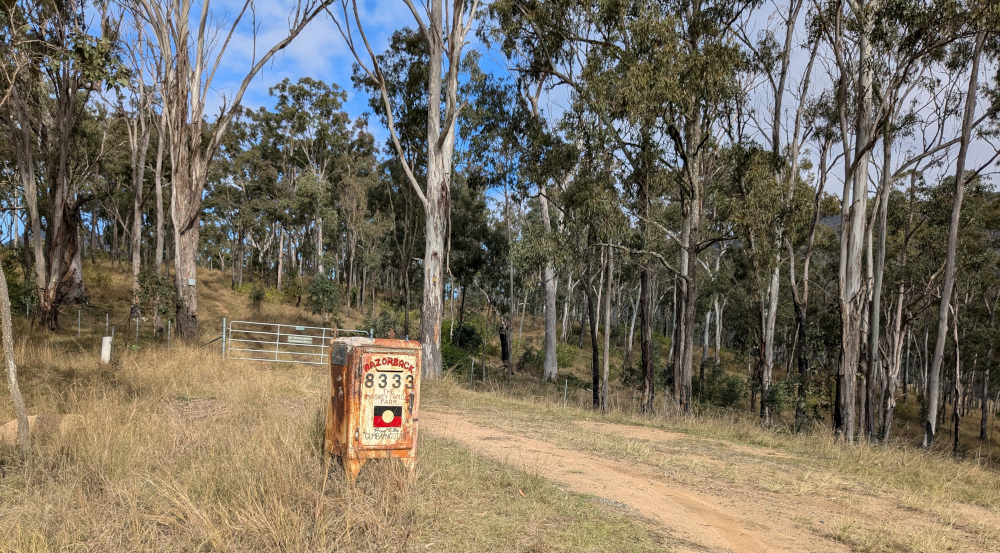
    At times, you’ll come across an entrance to a family farm:

    Here’s another homestead, further along the route:

    Much of the road runs alongside Boyd River. Sometimes it’s at the level of the water, sometimes high above. It’s narrow and slippery — take care!

    Just around a corner, you’ll come across Dalmorton Tunnel. The tunnel is 20 metres long, 4 metres wide, and has a height clearance of 3.2 metres.

    Me at Dalmorton Tunnel:

    The tunnel was built in the 1860s by civilian contractors. (Some reports say that convicts built it, but that’s probably apocryphal.) The tunnel was blasted out of solid rock, then trimmed with hand tools. (Again, some reports say it was “hand hewn”, but that’s probably not completely accurate either.)

    Here’s Janet making her way through the tunnel, hogging the limelight as she does:

    Boyd River offers some picturesque spots for coffee and a photo:

    Next is a cow closeup, for people who like cows. This worm avoids them, as they’re apt to put those big feet where they’re not wanted. But the TC, bless her cotton socks, liked the way this cow was cosying up to the pink bush:

    On Old Glen Innes Road, a wide, low bridge crosses the Nymboida River:

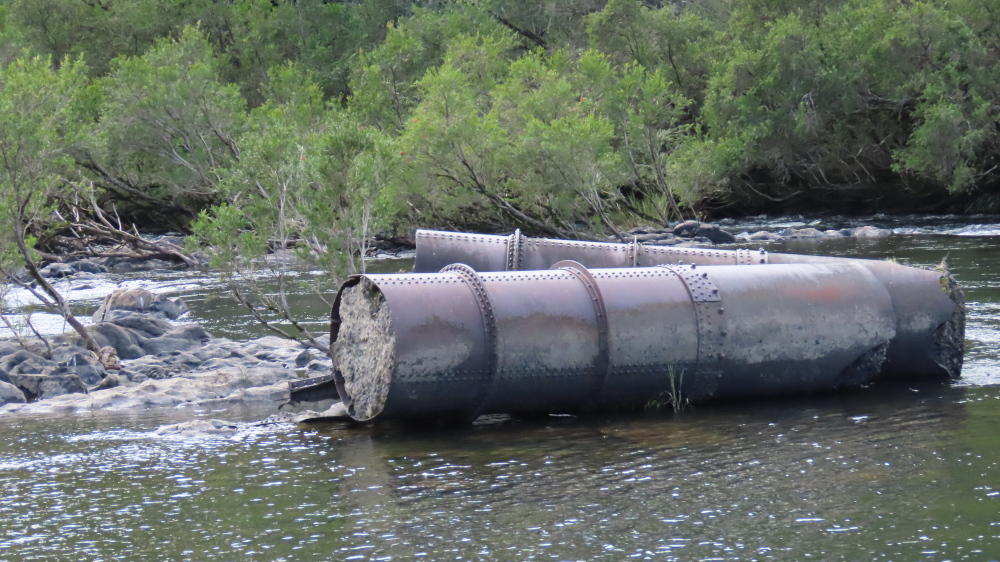
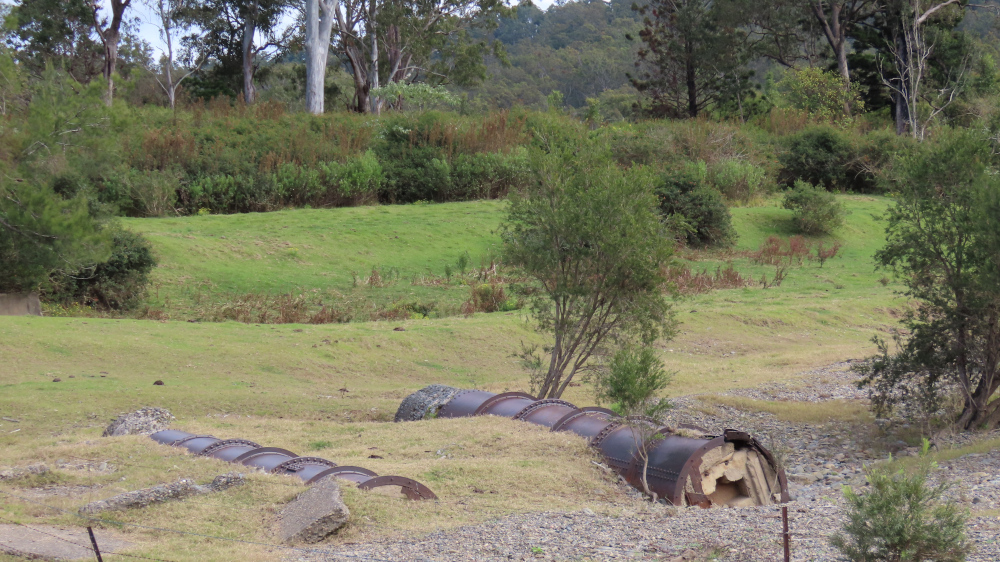
    Scattered around, in the water and on land, are sections of a huge pipe, filled with concrete:

    Perhaps the pipes formed the scaffolding of a previous bridge? Who knows:

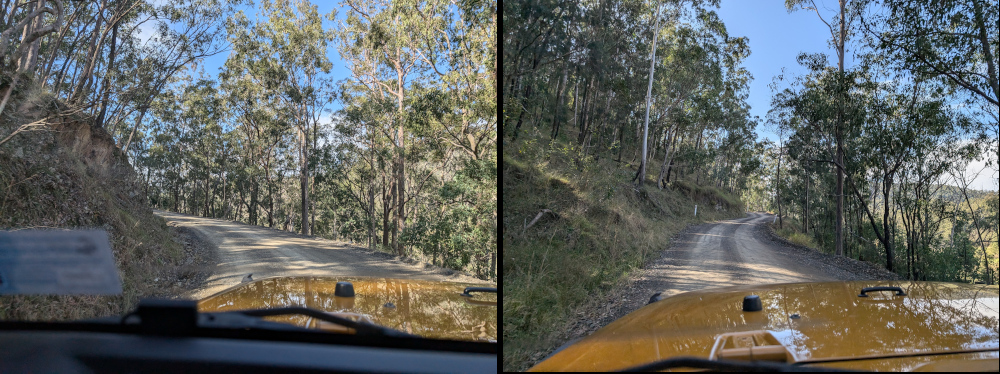
    The TC, bless her woollen mittens, is keen to finish off with some shots of the road. So, for those enthusiastic road-farers out there:

    See you on the road!


  • Standing stones at Glen Innes

    This is the blog of Mark Wordsworm, the travelling worm. I’m a 40-year-old bookmark (give or take a few years) and I proudly boast my own Hallmark serial number, 95 HBM 80-1. You’ll probably want to read all about me and my Travelling Companion (the TC).

    Today’s travel notes

    Me and the TC recently spent a night in Glen Innes, NSW, on our way to Brisbane. Early the next morning, we dropped in on the standing stones before continuing our journey.

    The book I’m in

    Force of Nature, by Jane Harper. The TC recently read The Dry by the same author, and enjoyed it so much that she resolved to read more of the author’s work. This worm is pleased. The book is an exciting, comfortable place to be.

    Travel tips

    The Australian Standing Stones are not to be found in the little village of Stone Henge, which is nearby. The village of Stone Henge is worth a visit too, surrounded as it is by stones and boulders, including some interesting formations of stones perched on top of others.

    The official standing stones monument is in Glen Innes.

    Visit the standing stones early in the morning if you can. They have a certain drama when the sun is low in the sky.

    Recommended accommodation

    Apartments on Grey in Glen Innes. Warm and cosy, with everything you need for a comfortable stay.

    The photos

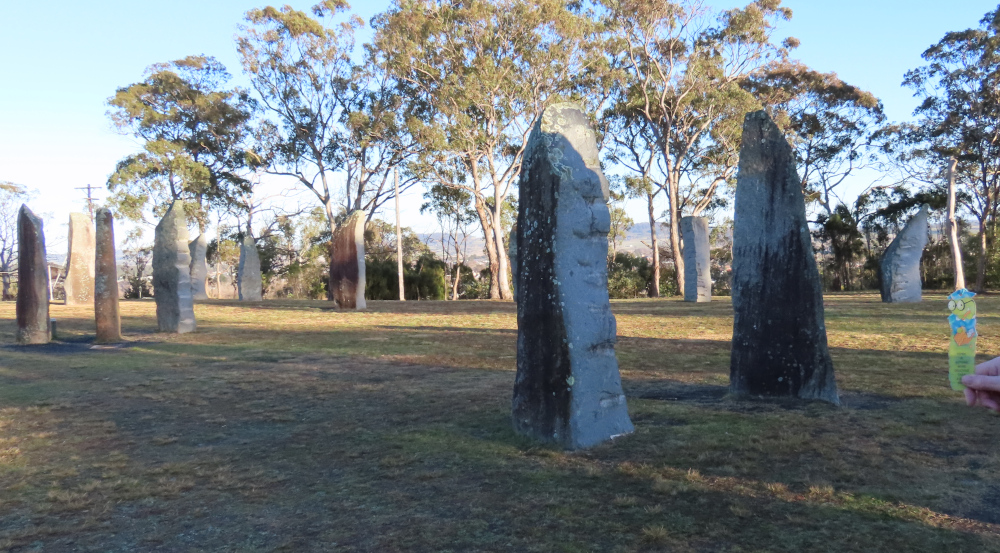
    Me with some of the standing stones at Glen Innes:

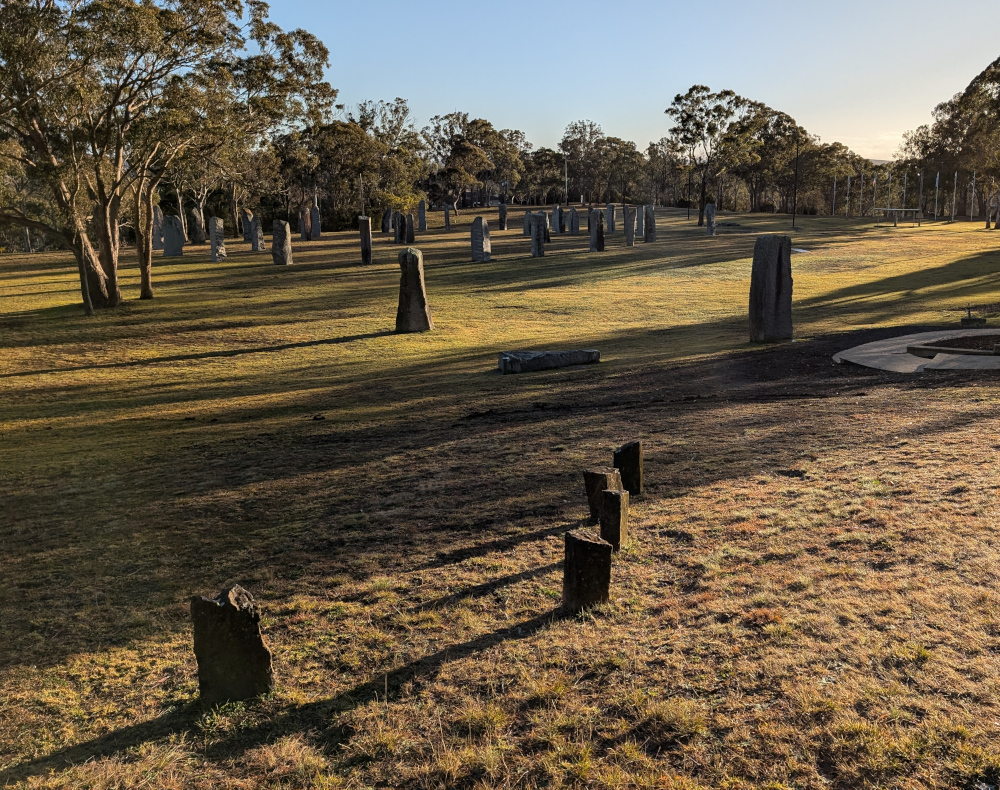
    An early morning view of the ring of stones:

    An engraved stone in the middle of the ring describes the design of the stones, placed to catch the sun’s rays at key times of the year:

    These standing stones don’t pretend to be ancient. They were erected in the late 20th century and dedicated in 1992, as a tribute to the various Celtic nations who’ve settled in and contributed to Australia’s history.

    Near the top right of the next view of the stones, there’s a line of flag poles, one from each of the nations that has contributed to the monument:

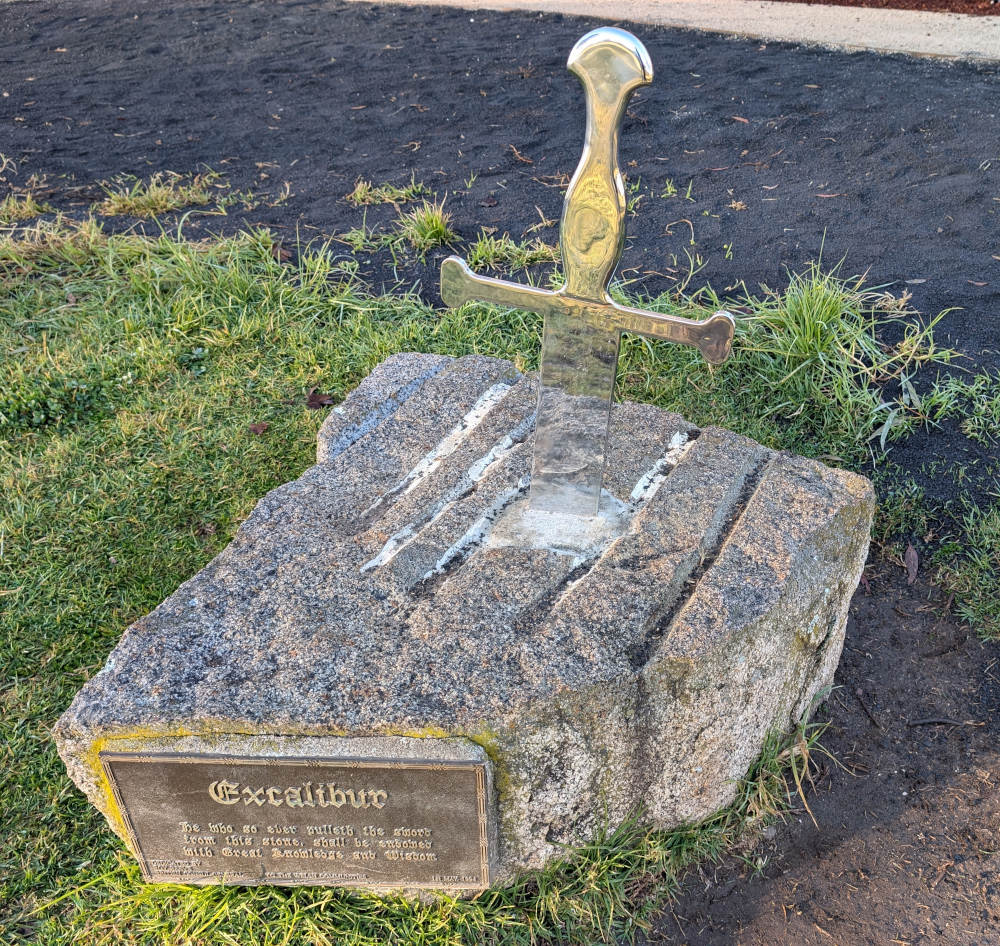
    On the edge of the ring of stones is a rather attractive, though fake, Excalibur — complete with injunction to try to pull it out of the stone and thus gain great knowledge and wisdom:

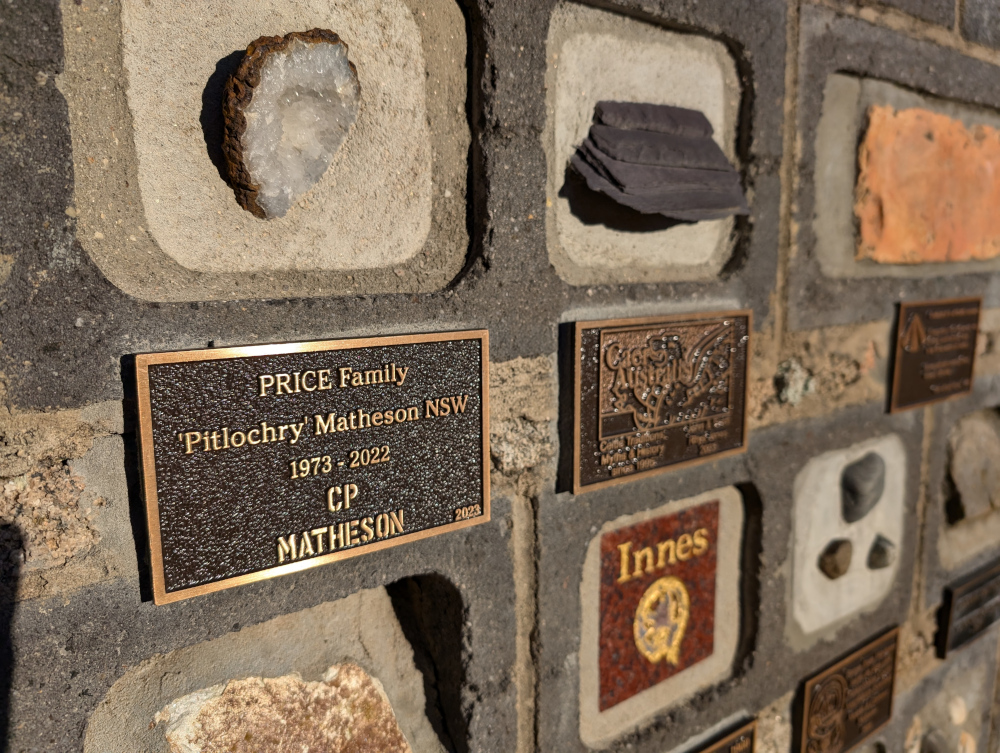
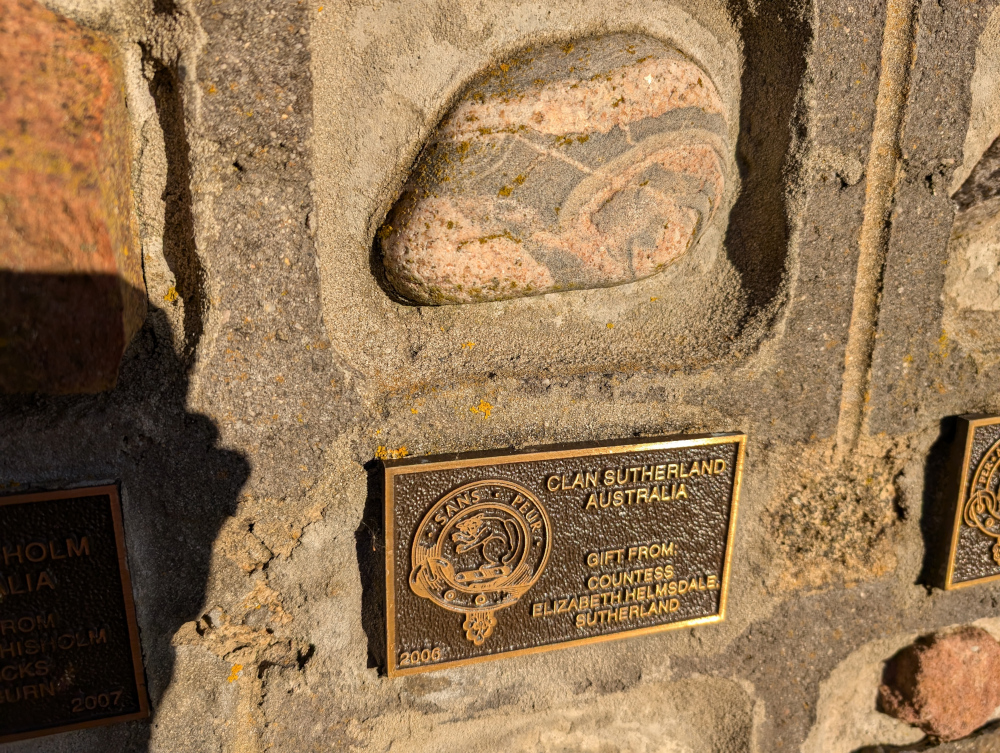
    A wall curves round the path, embedded with gifts of stone from various sponsors of the monument:

    Here’s one of the embedded stones with its inscription. This worm likes the simple attractiveness of the stone:

    More stone dedications:


  • Thunderbolts Way, NSW

    This is the blog of Mark Wordsworm, the travelling worm. I’m a 40-year-old bookmark (give or take a few years) and I proudly boast my own Hallmark serial number, 95 HBM 80-1. You’ll probably want to read all about me and my Travelling Companion (the TC).

    Today’s travel notes

    Me, the TC, and Janet the Jeep took the long way round from Sydney to Brisbane, to explore a bit of the inland countryside. On our first day, we drove from Sydney to Gloucester and then took Thunderbolts Way to Glen Innes. Thunderbolts Way is a scenic, historic drive. The road is entirely sealed (bitumen), but includes a steep hill and some bumpy areas full of pot holes. Read on to get a feel for this trip.

    The book I’m in

    Ancillary Sword, by Ann Leckie. This is the second book in the Imperial Radch trilogy. Excellent science fiction, set in an intriguing world of AI ships and their ancillary crew.

    Travel tips

    Fill up with fuel before you start the drive. Be aware of the long, steep hill between Uralla and Gloucester. If you’re travelling towards Gloucester, you’ll be going down the hill. The descent can be tricky, especially if you’re towing a caravan.

    Take a picnic and stop at a scenic spot for lunch.

    Recommended accommodation

    Apartments on Grey in Glen Innes. Warm and cosy, with everything you need for a comfortable stay.

    The photos

    Me at Pioneer Lookout on Thunderbolts Way:

    We joined Thunderbolts Way at the picturesque NSW town of Gloucester. These two motorbikes passed us, and were probably on their way to the same road:

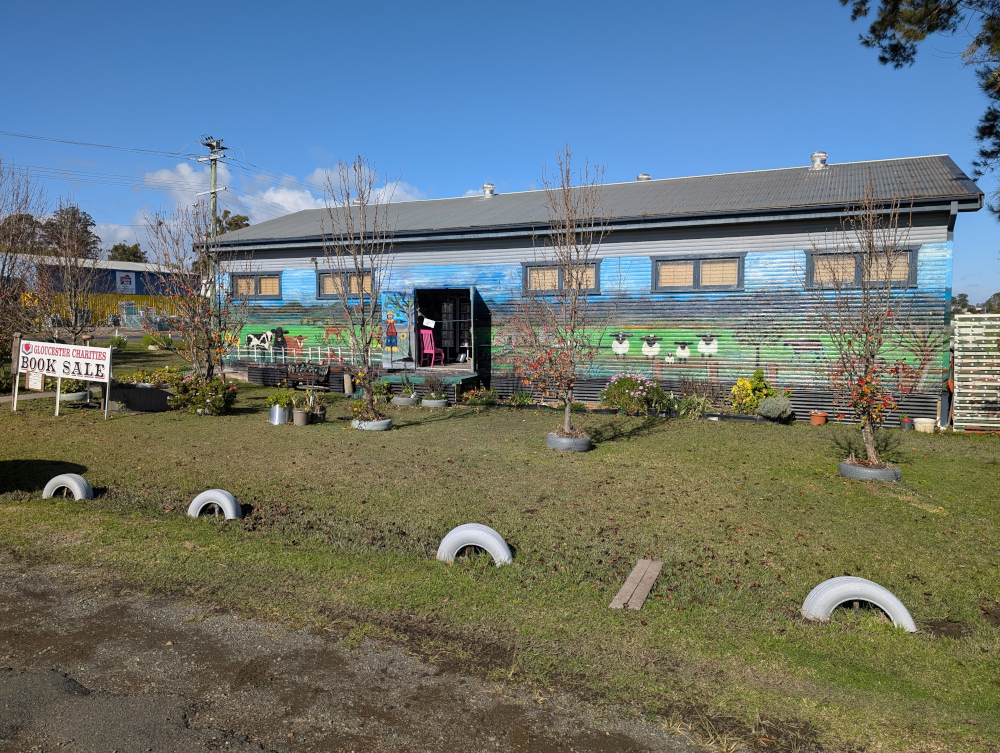
    A book sale on the outskirts of Gloucester:

    Thunderbolts Way is named after Captain Thunderbolt, a controversial bushranger from the early 1800s. The ranger’s real name was Frederick Ward. He managed to combine criminal activities with his legitimate bushranger tasks, in a way that led people to both fear and admire him. He’s famous for several robberies and mail coach holdups. At one stage, a reward of 400 Pounds was on offer for his capture. He was eventually shot and killed by a policeman in 1870, after a long horseback pursuit.

    The views on this route are gorgeous:

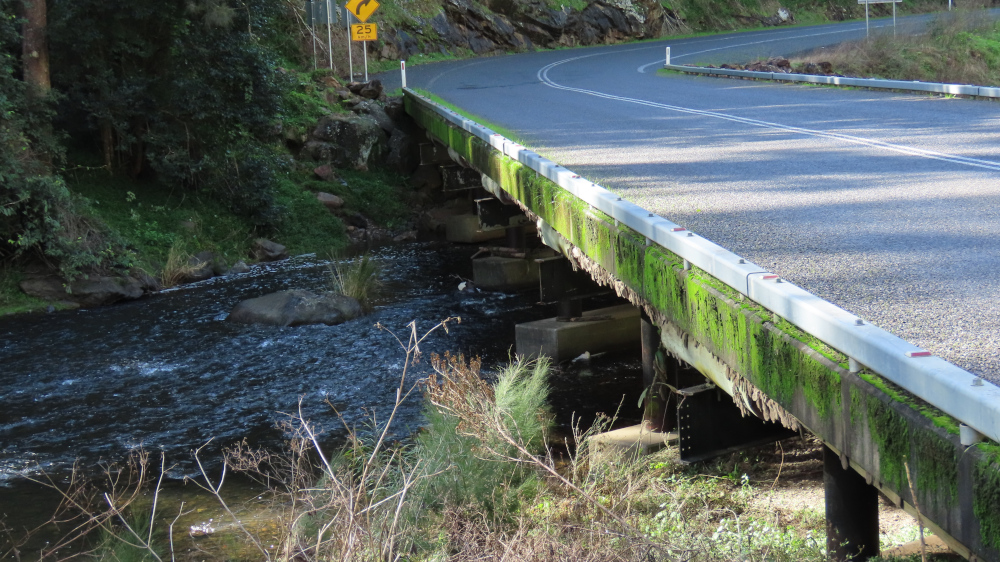
    A curious sight awaited us at Gloryvale Bridge, which crosses the Manning River:

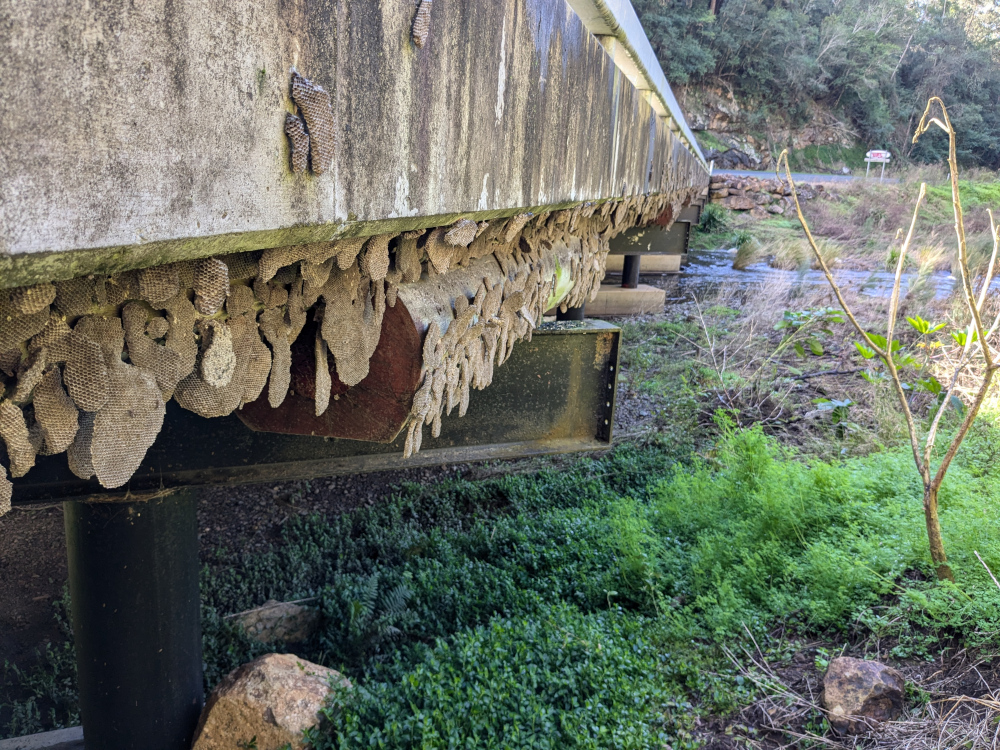
    Look closely at the bottom of the bridge:

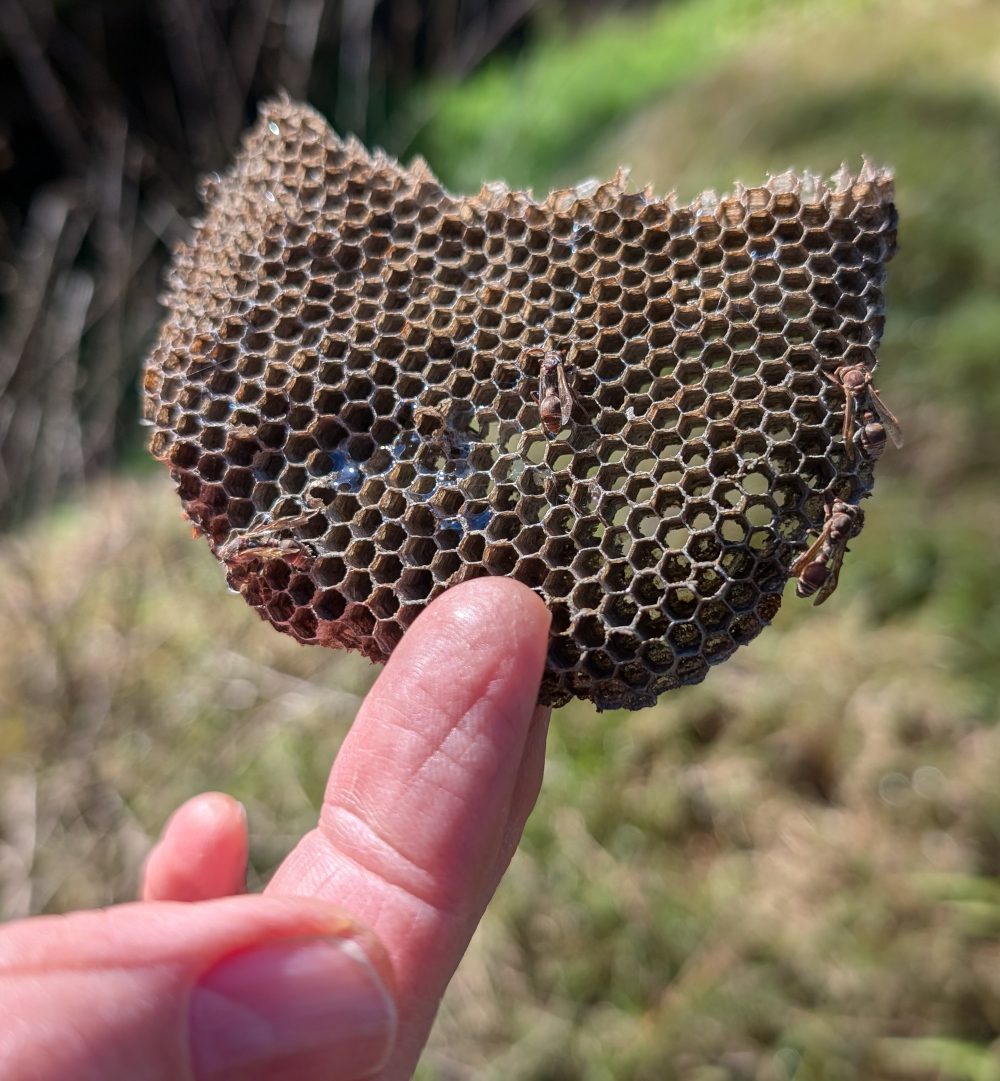
    Those are wasp nests, thousands of them stuck along the bottom edge of the bridge. Here’s a small piece with some dead, dried-out wasps still attached:

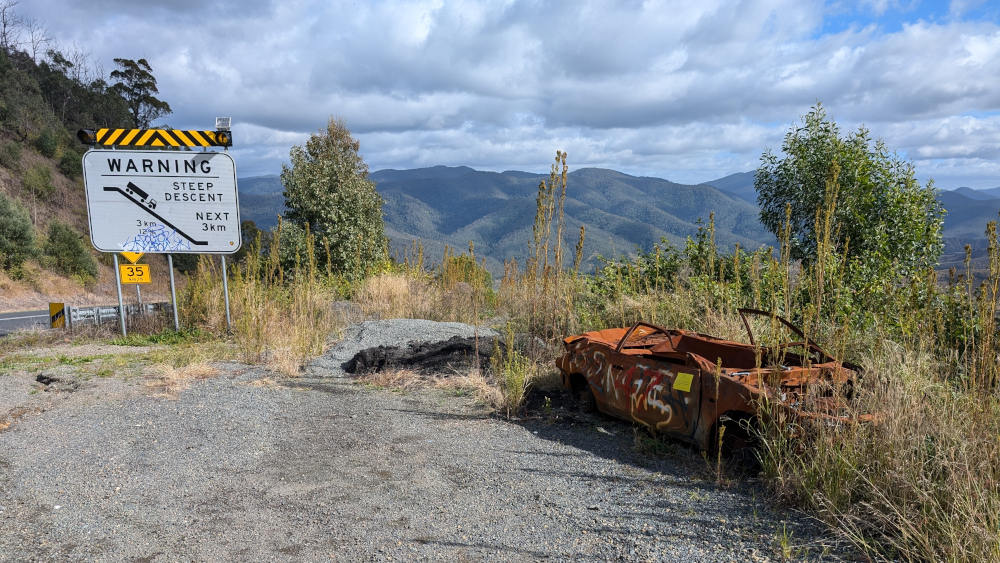
    We climbed a long, steep hill and stopped at the top. If you’re travelling down the hill with a caravan or trailer, beware. As the sign says, it’s steep. Evidently quite a few people have come a cropper because they didn’t have enough warning.

    The rusted-out car is perhaps an appropriate warning. Weirdly, this old carcass had a new, bright yellow sticker giving notice of the council’s intent to take possession.

    Due procedures have been followed!

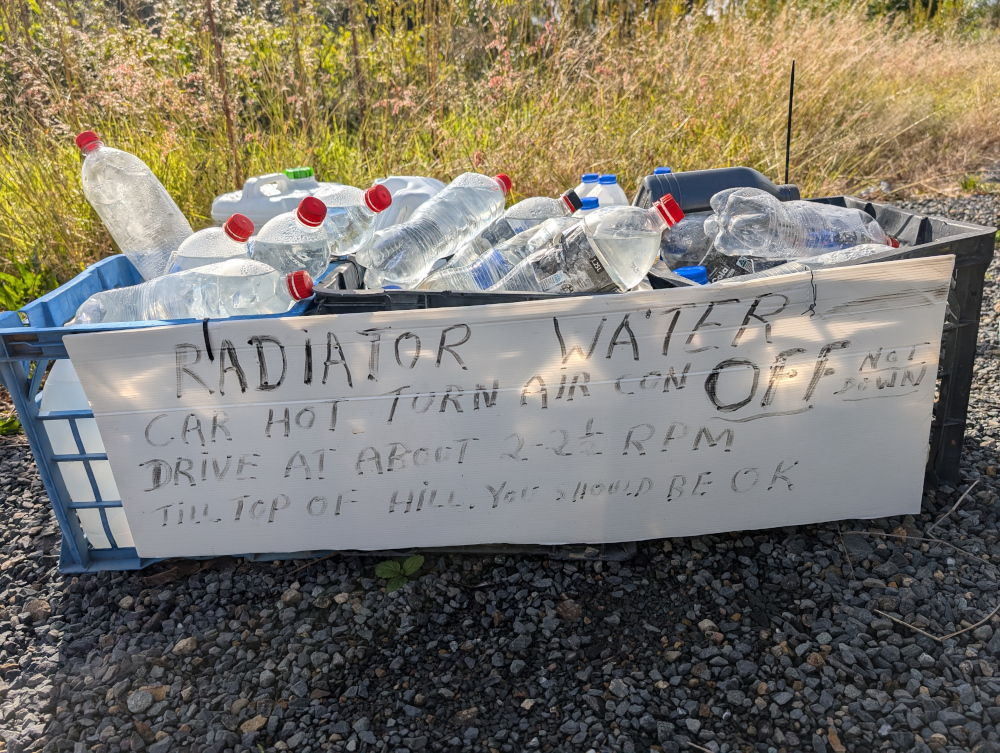
    At the top of the same hill, some kind soul had left a cache of filled water bottles, for people who might find their vehicles in trouble during the ascent or descent. This worm is impressed with the kindness, including the last words in the attached notice: “You should be OK“.

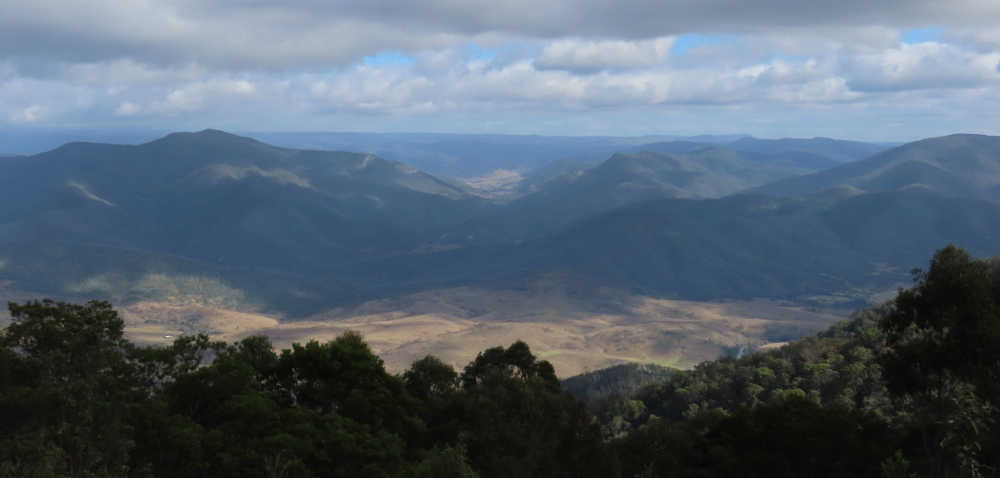
    This view was our reward for making it to the top of the hill:

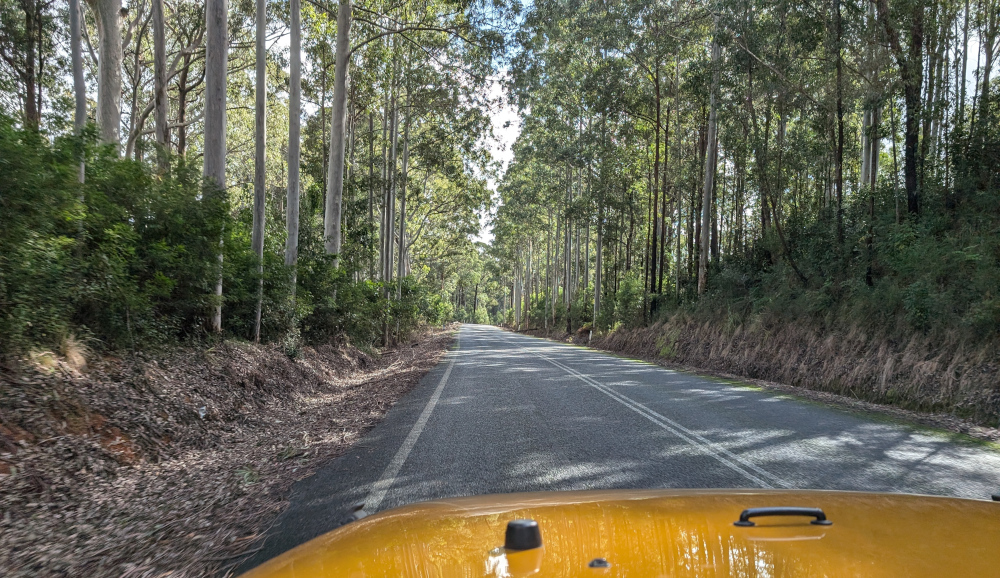
    The road changed character several times. This section ran through natural forest:

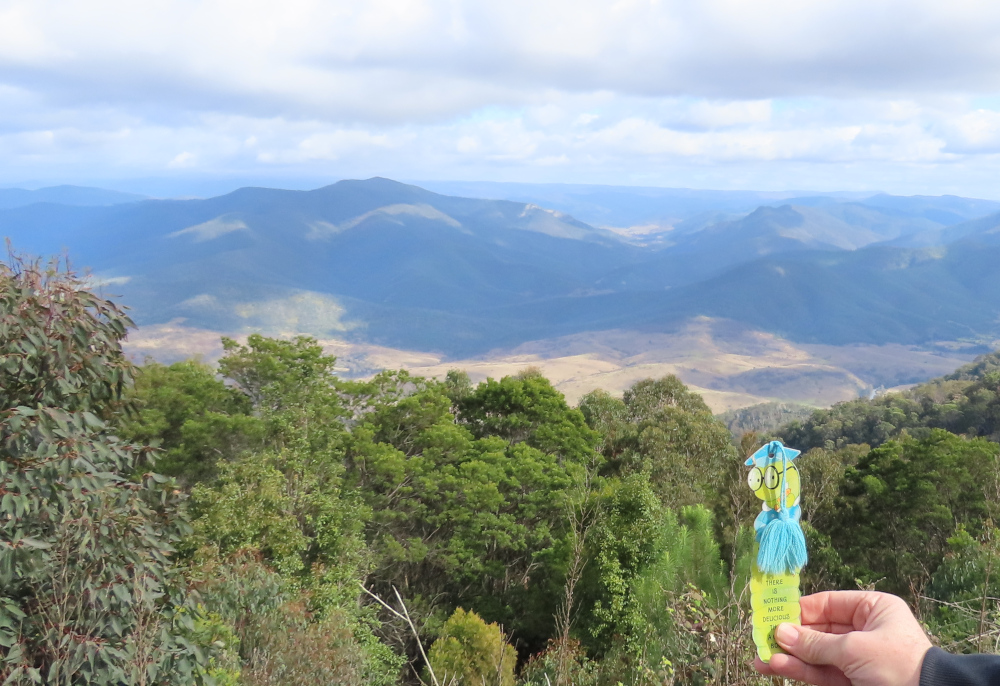
    Pioneer Lookout presented another spectacular view:

    We turned off into Nowendoc State Forest for a lunch break. The soundscape was epic, like being in a Jurassic forest. I captured it in the video below. The background roar is the wind in the branches. Most of the squealing and chattering sounds are made by Yellow-tailed Black Cockatoos. At about 1 minute in, a couple of ravens start cawing loudly. At about 1:36, a Sulphur-crested Cockatoo adds its screeching to the mix. You don’t see the birds, except at 2:12 (near end) when a bird makes a lightning appearance near bottom left of the frame.

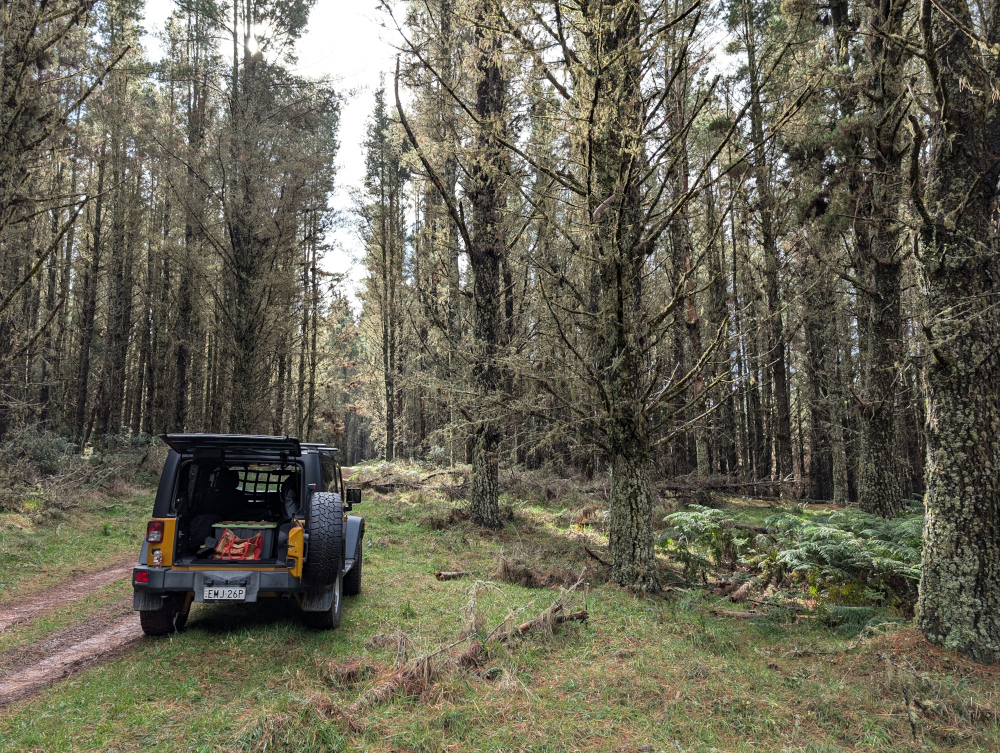
    As you can see in the video, Janet the Jeep was our chariot of choice on this trip. Here she is again, hogging the scene as usual:


  • Pinnacle Rocks in Dark Corner NSW

    This is the blog of Mark Wordsworm, the travelling worm. I’m a 40-year-old bookmark (give or take a few years) and I proudly boast my own Hallmark serial number, 95 HBM 80-1. You’ll probably want to read all about me and my Travelling Companion (the TC).

    Today’s travel notes

    Me and the TC took Janet the Jeep out to the Pinnacle Rocks in the Blue Mountains area, west of Sydney, Australia. The drive takes you from Capertee down the Pinnacle Rocks Firetrail, through Turon National Park, on into the forests of Dark Corner, finishing up in Sunny Corner.

    The drive is beautiful, and not without some challenges!

    The book I’m in

    The Island of Missing Trees, by Elif Shafak. I’ve just started this book (I’m on page 20) and it’s already gripped me tight.

    Travel tips

    To do this drive, you need a capable 4WD car and preferably at least one other car on the trip. It can be useful to have someone to pull you out of a bog or help you get up a steep, rutted hill.

    Check the river levels before you go. The trail crosses the Turon River several times, and the river levels can rise significantly after heavy rain.

    Check for park closures and bush fires too. The NSW National Parks and Wildlife Service web site is useful.

    The photos

    Me with Janet the Jeep at Pinnacle Rocks:

    From the top of the Pinnacle Rocks, you have a panoramic view of the valleys and forests all round. The next shot shows just the flat area at the top of the hill, as seen from the top of the rock:

    The first part of the drive, from Capertee to the Pinnacle Rocks, is scenic and fairly easy. There’s one rubbly hill climb that can be a bit of a challenge until you find the right “line”, as seasoned four-wheel-drivers say.

    The trail winds along the beautiful Turon River. This shot is from a previous trip (July 2023), when we explored one of the camping areas next to the river:

    The Turon River was in a tranquil mood this week. Experiences vary. It’s worth checking the river levels before you go!

    Parts of the drive wind along a ridge, with valleys dropping away on both sides. At times, you’re surrounded by white-trunked gums. Depending on the time of year, yellow or white flowers cover the bush. The next photo is from another trip along the same trail, in August last year:

    Kangaroos and wallabies stopped to watch us, before bounding away. There were several youngsters in this group:

    After the Pinnacle Rocks, things get more interesting, especially if you take the longer route down to Sunny Corner rather than the short route to Portland.

    At several points along the trail, you’ll encounter bogs. Some of them are harmless, others are deep, sticky, and smelly. The trouble is, it’s hard to know which is which just by looking at them! On a previous trip, we had one vehicle completely bogged and needing to be pulled out. And Janet was very nearly bogged once too, but managed to extricate herself by some quick wheel jiggling and reversing.

    This video shows one of the bogs where we didn’t get stuck!

    Towards the end of the trail is a fun section of “wombat holes”. These are dips and humps created by water erosion, that make the car seesaw from side to side. Janet attacked the wombat holes with gusto and enjoyed the experience immensely:

    The descent into the last creek crossing in particular is quite steep and rutted. It can be very slippery when wet. We took it slowly, with someone outside the car to “spot” the way for us.

    The climb out of the same creek is quite steep too. It’s rocky and a bit tricky. Janet made it easily, after a slight adjustment in direction half way up. Other cars, those with longer wheel bases, found it a little more difficult, but everyone got up the hill without needing a winch!


  • Roads of the Outback: a collage

    This is the blog of Mark Wordsworm, the travelling worm. I’m a 40-year-old bookmark (give or take a few years) and I proudly boast my own Hallmark serial number, 95 HBM 80-1. You’ll probably want to read all about me and my Travelling Companion (the TC).

    Today’s travel notes

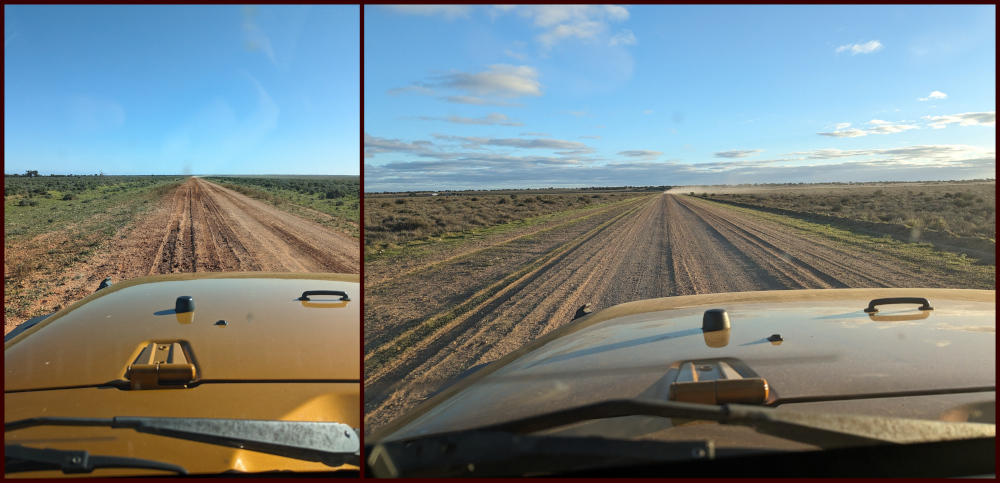
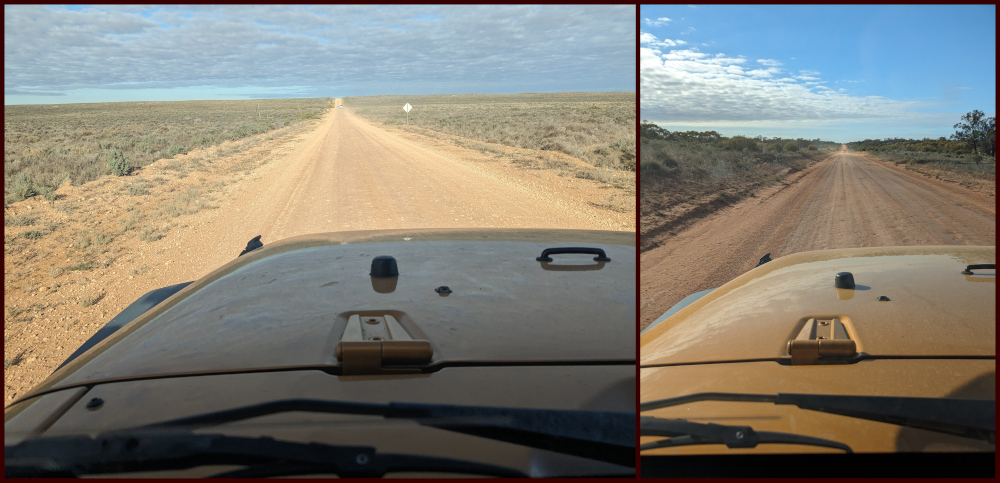
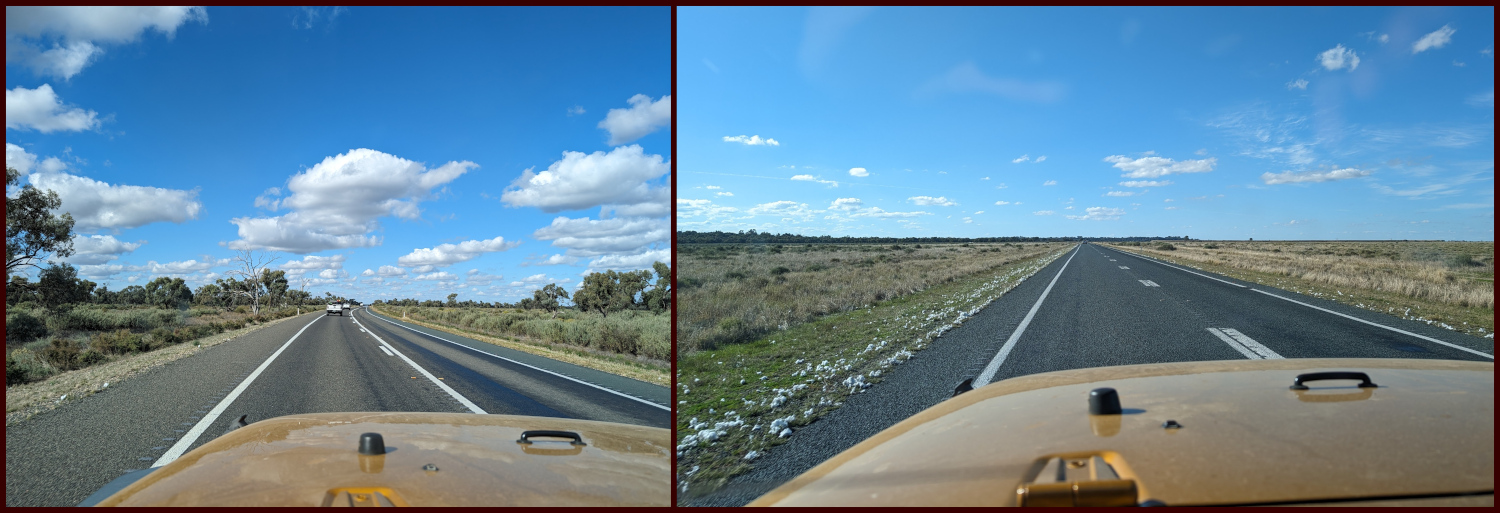
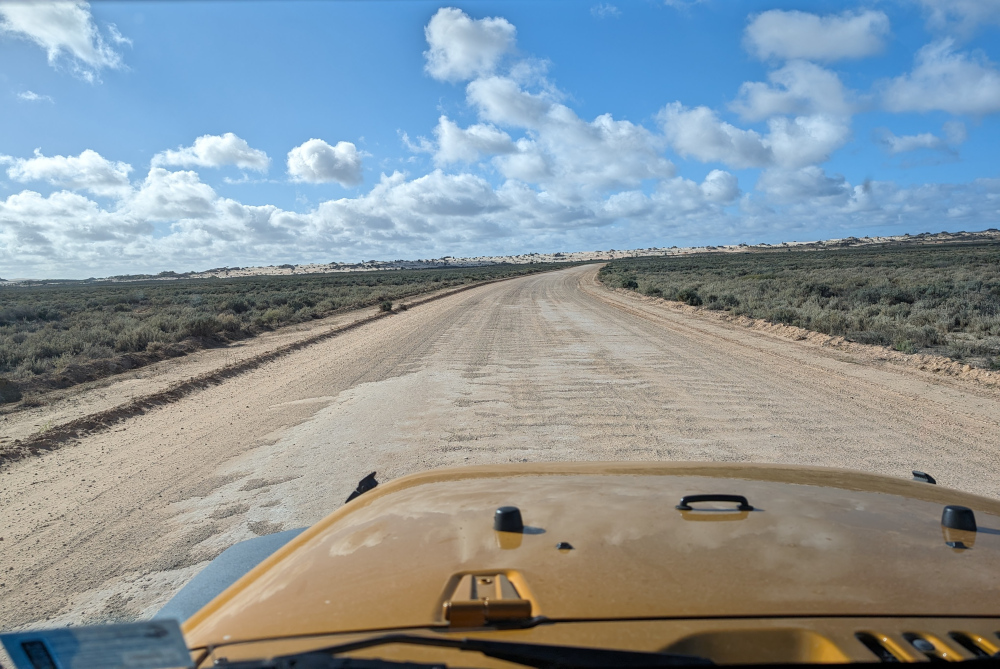
    Me and the TC recently took our first extended trip into the Australian Outback. My previous posts describe the sights at White Cliffs, Lake Mungo, and more. This post is slightly different: it focuses on the roads. If you’re thinking of making this trip yourself, this collage gives you an idea of what to expect.

    In total, we travelled approximately 2,850 km (1,770 miles). We started in Sydney on day one, passing through Dubbo to Nyngan. On day two, we drove from Nyngan via Cobar and Wilcannia to White Cliffs. Day three took us through the Willandra Lakes Region to Mungo National Park. On day four, we explored the park. On day five, we started our trip back towards Sydney, stopping overnight in Cowra. Day six saw us arriving back in Sydney in time for a late lunch.

    The book I’m in

    Where Song Began, by Tim Low. A telling of the origins on the Australian continent of all the world’s songbirds, rich in detail and convincingly told.

    Travel tips

    Some parts of the Outback are far from anywhere else. Take supplies of food, water, fuel for your vehicle, and warm clothes. If possible, travel in a convoy of at least two vehicles and take a personal locator beacon (PLB).

    The photos

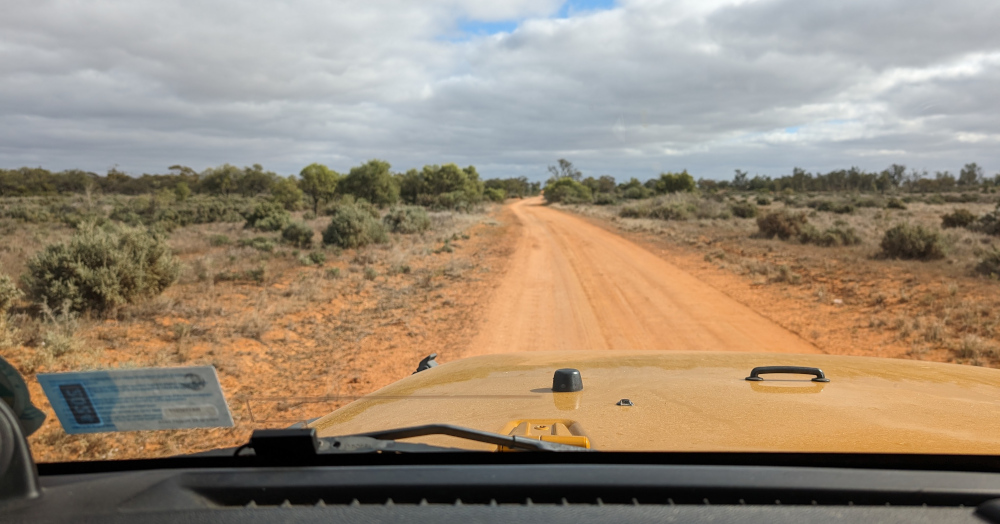
    Heading west from Sydney towards Cobar, the roadside alternates between red dirt and silver grass:

    Opal Miner’s Way, on the way to White Cliffs:

    Garnpung Lake Road and Ivanhoe Road, Pan Ban:

    Garnpang Road, entering Mungo National Park and later with the Lake Garnpang sign:

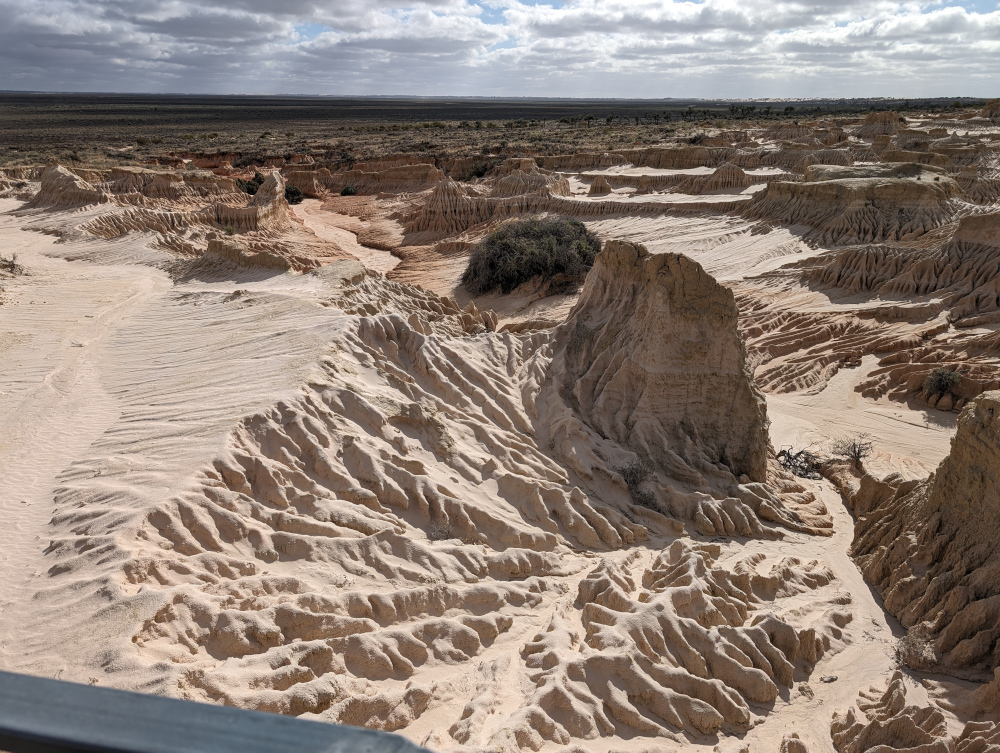
    Mungo National Park, approaching the Walls of China:

    On the self-guided drive in Mungo National Park:

    Entering Lake Mungo, a lake bed that’s been dry for more than ten thousand years:

    More Lake Mungo road scenes:

    Leaving Mungo National Park and Arumpo:

    Sturt Highway, with cotton clouds and a cotton lining left by the road trains:

    Getting close to home, on Murrumbidgee River Road and Mid Western Highway:

    That’s all for today, folks.

  • Walls of China at Lake Mungo

    This is the blog of Mark Wordsworm, the travelling worm. I’m a 40-year-old bookmark (give or take a few years) and I proudly boast my own Hallmark serial number, 95 HBM 80-1. You’ll probably want to read all about me and my Travelling Companion (the TC).

    Today’s travel notes

    Me and the TC spent a day at Lake Mungo, deep in the Australian Outback. While there, we visited the intriguing sand dune formation named the Walls of China, or the Mungo lunette.

    The book I’m in

    Where Song Began, by Tim Low. A telling of the origins on the Australian continent of all the world’s songbirds, rich in detail and convincingly told.

    Travel tips

    Sign up for the sunset tour of the Walls of China. The evening lighting adds beauty and drama to the scene, and you’re able to walk right up onto the dunes with your guide.

    Recommended accommodation

    Mungo Lodge offers camping and cabins. The TC opted for a cabin, which was very comfortable. The welcome is warm and the restaurant food is good.

    The photos

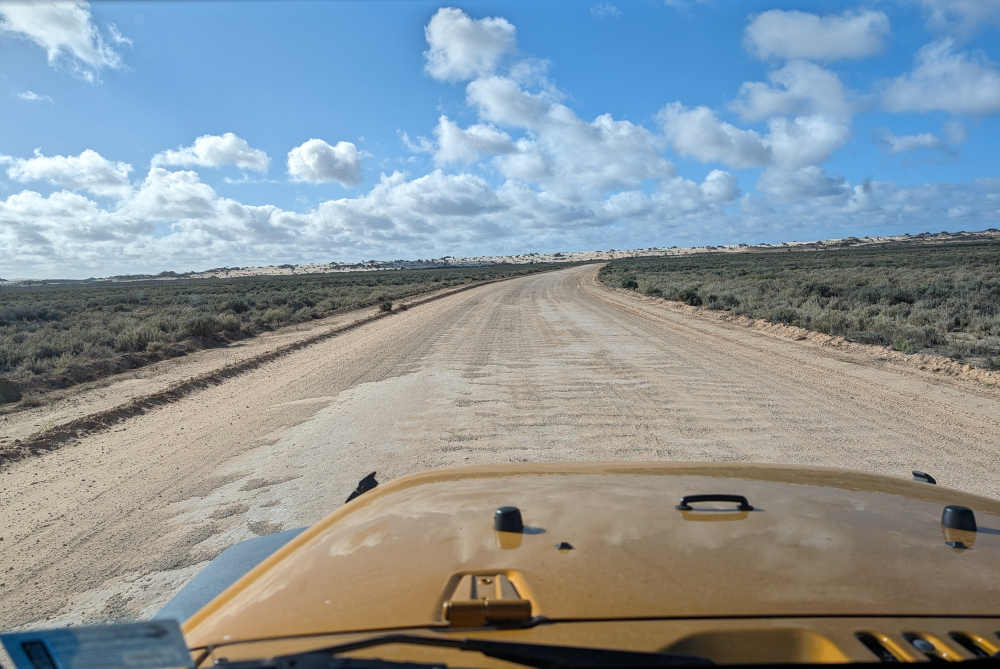
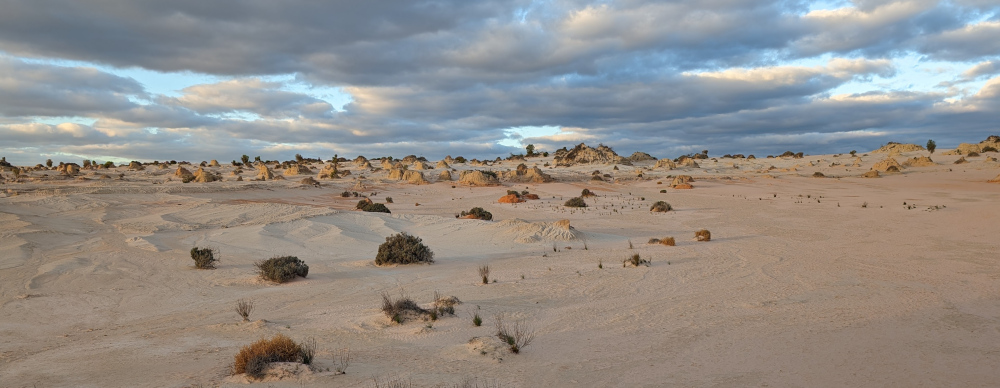
    To reach the Walls of China, you drive across the dried-up bed of Lake Mungo. The road is good and wide. On the horizon, the Walls of China grow as you approach:

    The extra width of the road is especially welcome at dawn and dusk. It gives you time to see the kangaroos that pop out of the bush at random intervals.

    The colours are fluid, changing with the time of day, the weather, the camera settings. In the middle of the day, the sand is all silver and pale yellows. Perhaps this is where the name “Mungo lunette” comes from:

    In late afternoon, the yellow of the sun exerts more influence:

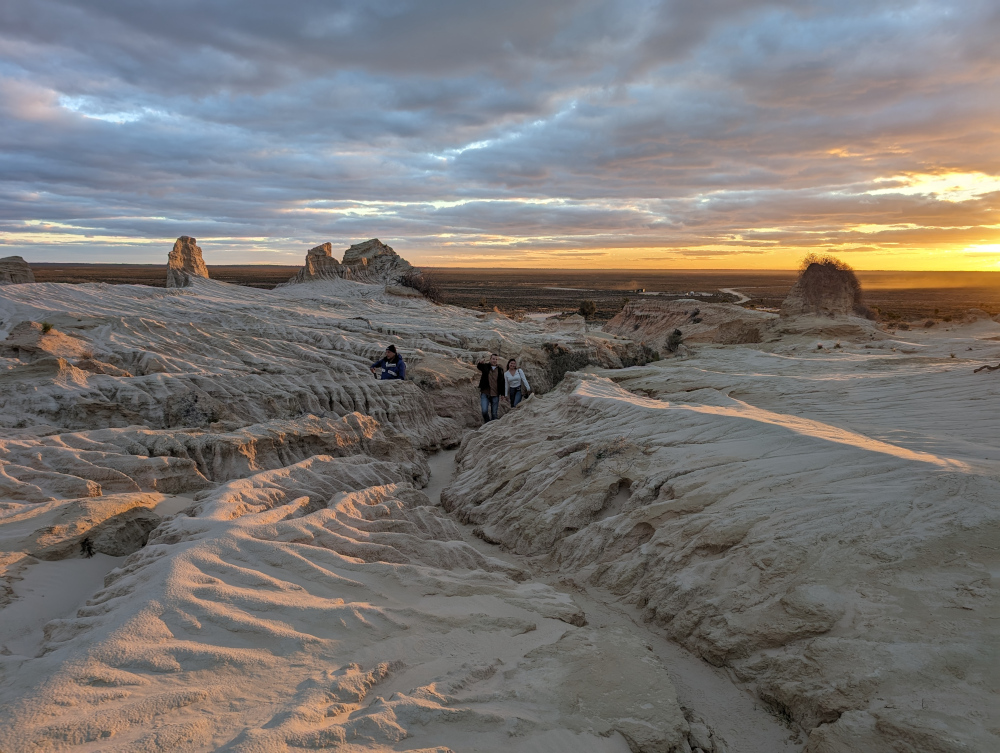
    We were with a guide, which meant that we could walk onto the dunes and see the formations up close:

    Wind erosion has formed narrow gullies which you can walk through, to avoid damaging the fragile dunes:

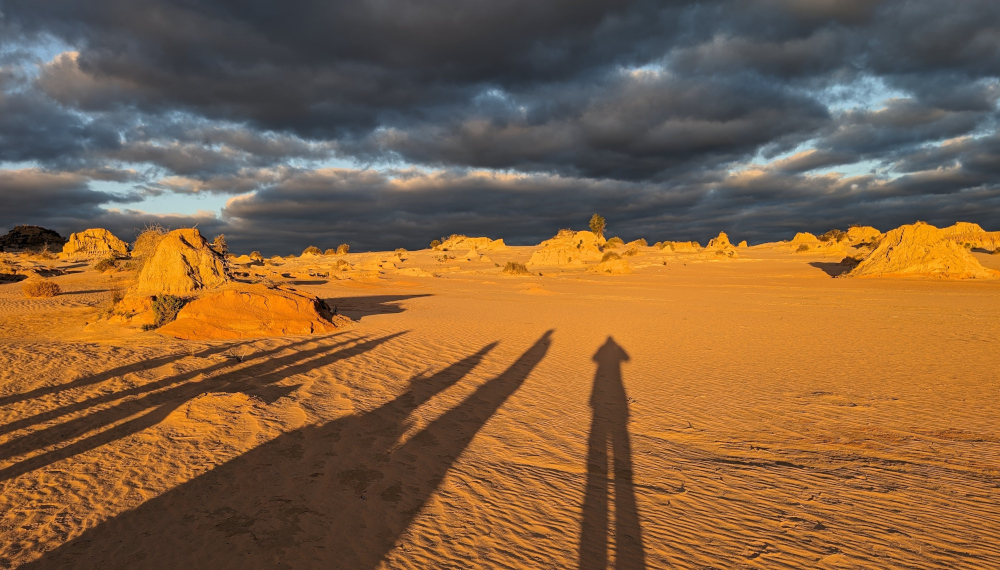
    Colours deepen as the sun moves lower:

    As the sun disappears, it’s time to make our way back:

    Come daylight, and we’re on the road again, saying farewell to Mungo National Park:

    If you’d like to see more pictures of the national park, read my post titled Lake Mungo.


  • Lake Mungo

    This is the blog of Mark Wordsworm, the travelling worm. I’m a 40-year-old bookmark (give or take a few years) and I proudly boast my own Hallmark serial number, 95 HBM 80-1. You’ll probably want to read all about me and my Travelling Companion (the TC).

    Today’s travel notes

    Me and the TC reached Lake Mungo, deep in the Australian Outback. This post is about Mungo National Park and the dry lake that forms its centre. I’ll write a separate post about the Walls of China, an unusual sand formation in the middle of the park.

    The book I’m in

    Bitter Sun, by Beth Lewis. I’m tucked in near the beginning of this book. The story is unfolding, and I’m intrigued by the characters and the setting.

    Travel tips

    Take spare supplies with you: lights, water, food, warm clothing, and extra fuel for your vehicle. Mungo National Park is remote. The closest fuel is about 110 km away. It’s a good idea to be self sufficient in case of emergency.

    Recommended accommodation

    Mungo Lodge offers camping and cabins. The TC opted for a cabin, which was very comfortable. The welcome is warm and the restaurant food is good.

    The photos

    Me at the Red Top lookout in Mungo National Park:

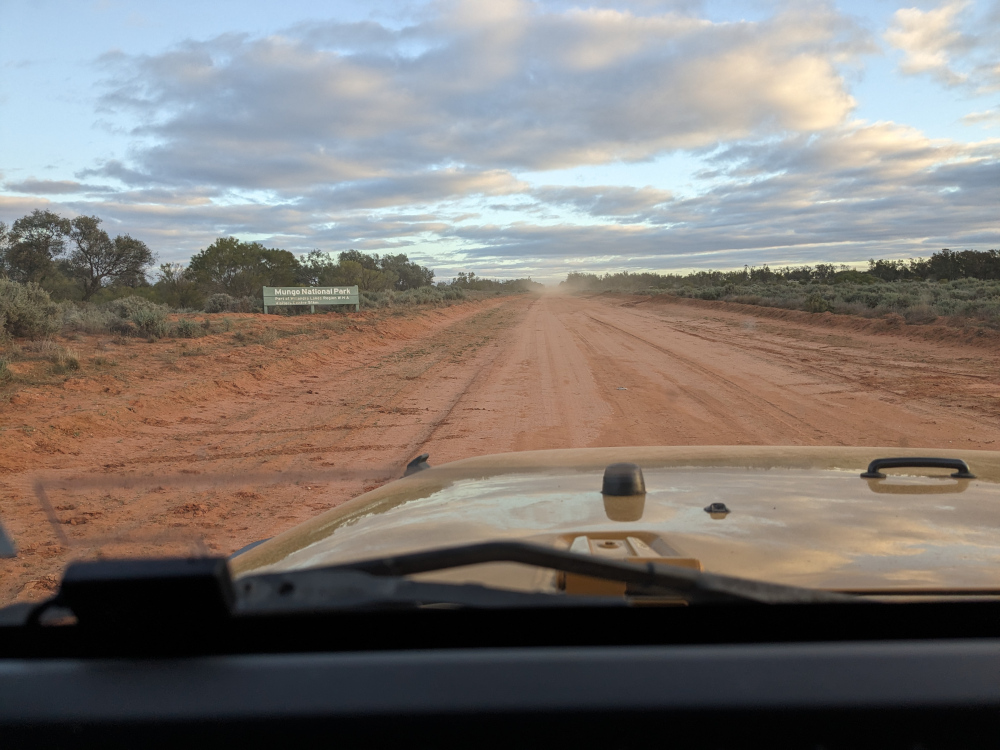
    From the direction of Ivanhoe and Clare, Garnpang Road provides entry to Mungo National Park:

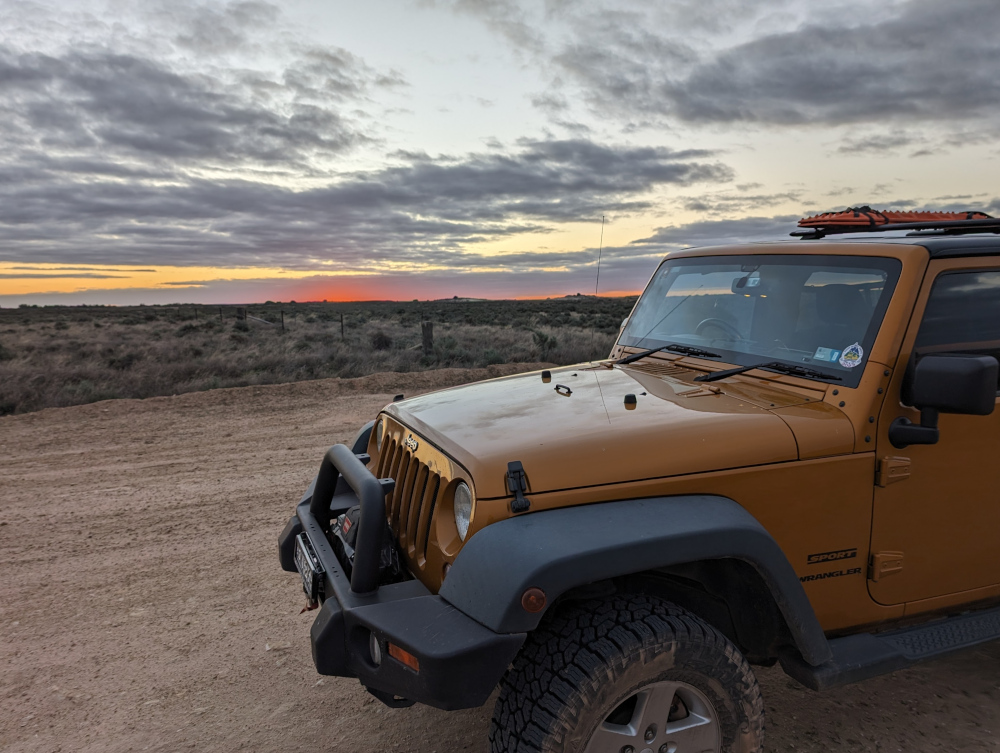
    We were somewhat later than planned. The sunset over Garnpung Lake, though pretty, was a trifle scary — it meant we’d be driving in the dark. Janet the Jeep, along with others of our party, couldn’t resist the photo opportunity:

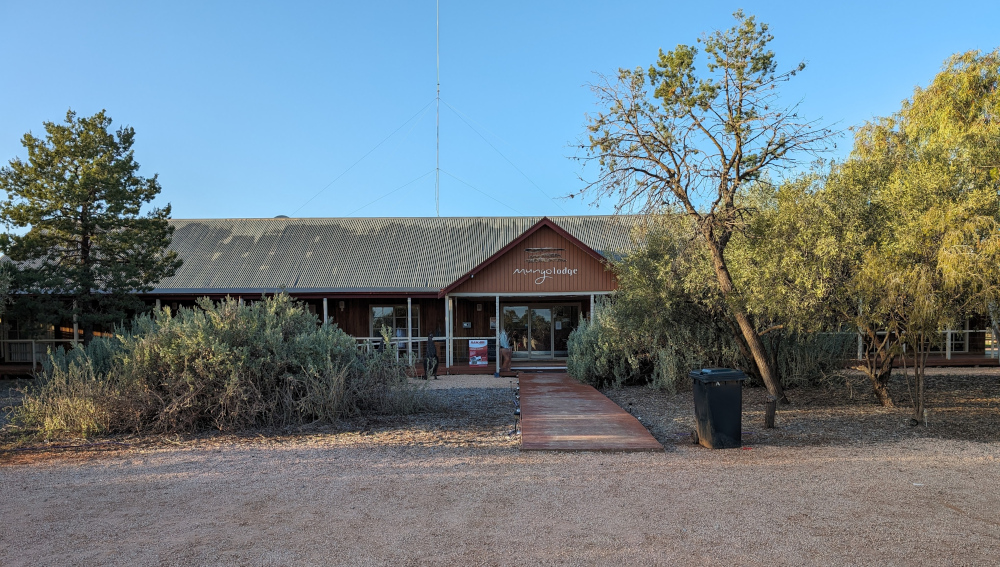
    After a nail-biting drive, ably handled by the TC and Janet, we arrived safely at Mungo Lodge. Janet sashayed merrily across the corrugations, dodging kangaroos that bopped out of the bush at random. By the time we arrived at the lodge, it was full dark. The photos are from the following day.

    The reception at Mungo Lodge is friendly and welcoming:

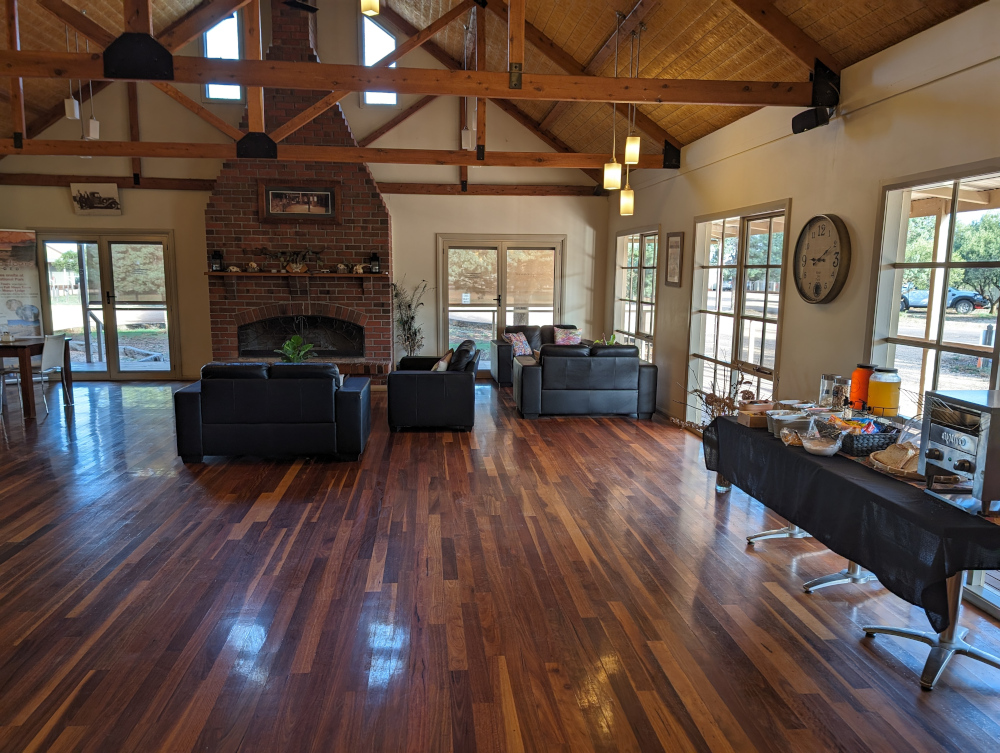
    The dining area is spacious and warm:

    Our cabin looked out over a grassy area, where kangaroos and birds frolicked in the early morning. (If you want to see the birds, take a look at the TC’s bird blog, Sydney Birder. She’s posting the birds from our Outback trip. The Mungo shots will be there shortly.) Here’s our cabin at Mungo Lodge:

    This worm was delighted to find evidence of my cousins, the Witchetty grubs. They’re imposing larvae that transform into Ghost Moths. A shed Witchetty grub skin lay on the ground outside our cabin, about as long as the TC’s longest finger:

    Next morning, we headed out on the self-guided driving tour through the park:

    One of the stops was at the Red Top lookout:

    The sand formations are the result of wind erosion:

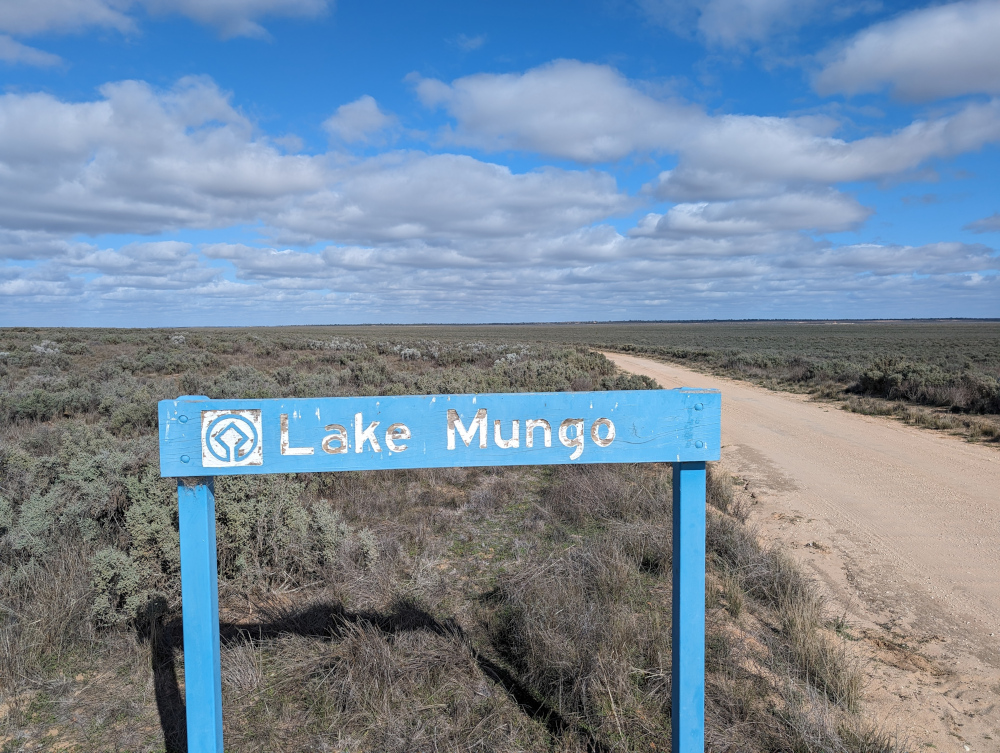
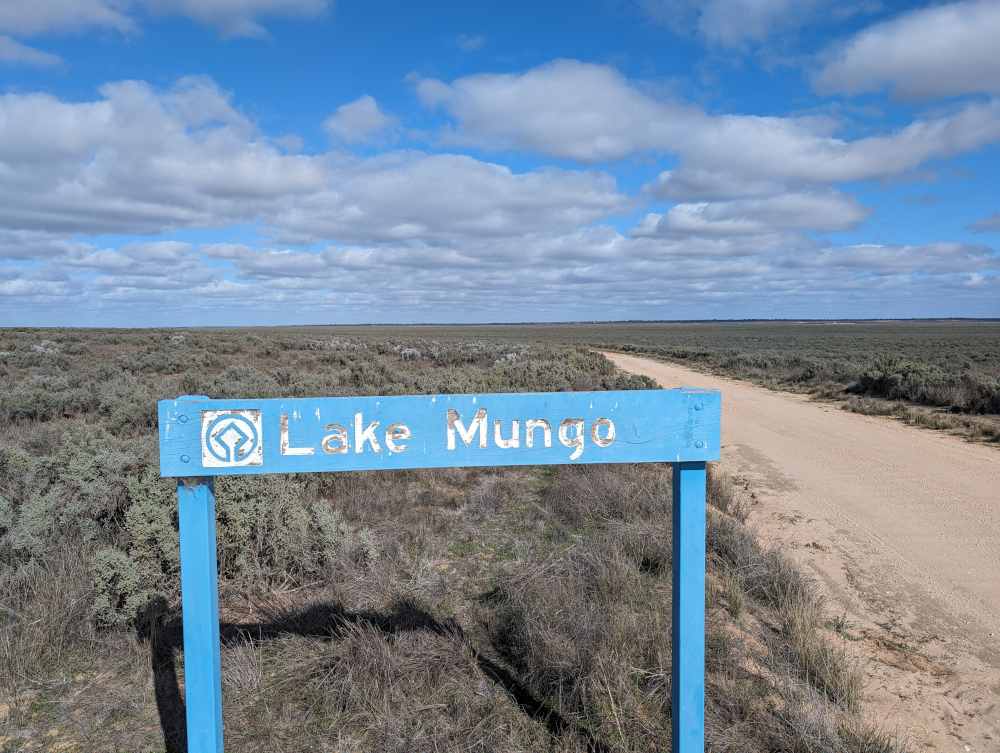
    A sign welcomes you to Lake Mungo:

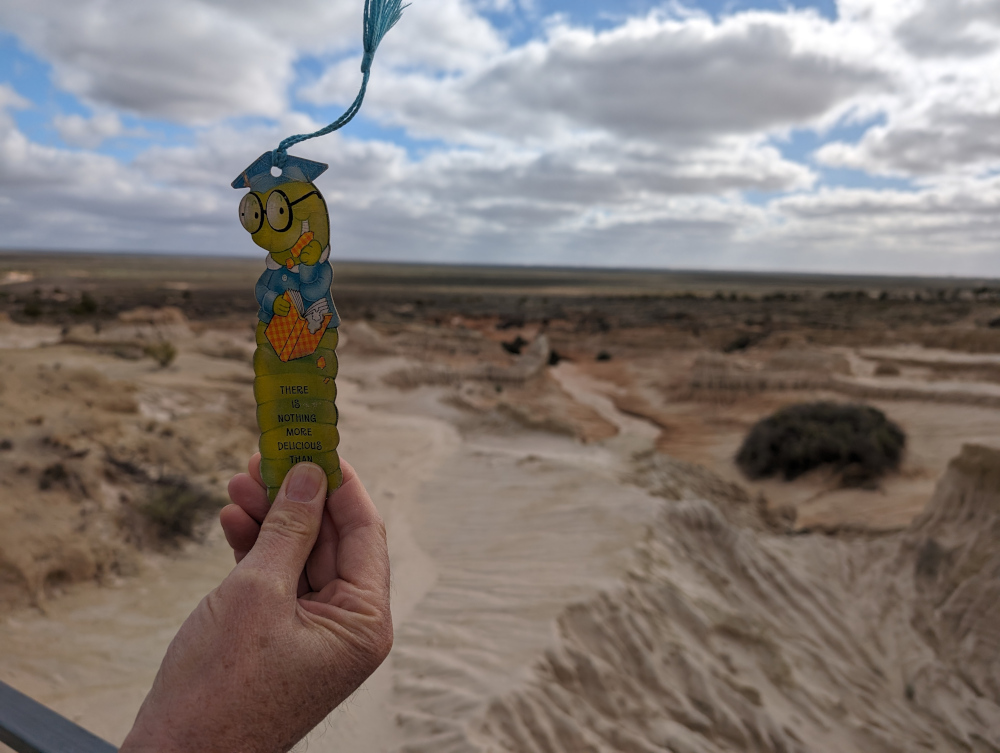
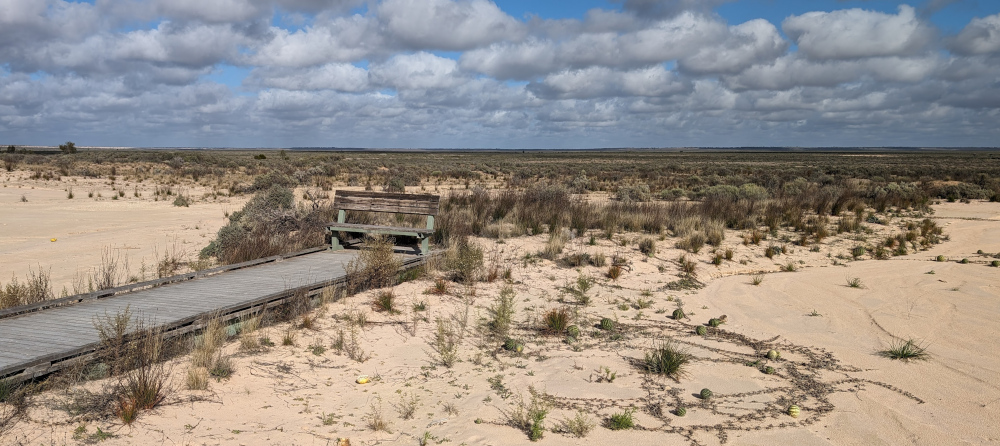
    Despite the name, there’s no water. The lake has been dry for more than 10,000 years. The next shot was taken from the Walls of China viewing area (which will be the topic of my next post). Behind the bench, the dry expanse of Lake Mungo stretches out:

    The round balls in the foreground are Paddy Melons, an invasive fruit that occurs in much of the Outback.

    Every now and then, a flower softens the harsh beauty of the landscape:

    Next up are the Walls of China. Until then…

    That’s all for today, folks.

  • Salt pan in Willandra Lakes Region

    This is the blog of Mark Wordsworm, the travelling worm. I’m a 40-year-old bookmark (give or take a few years) and I proudly boast my own Hallmark serial number, 95 HBM 80-1. You’ll probably want to read all about me and my Travelling Companion (the TC).

    Today’s travel notes

    Me and the TC left White Cliffs and its opal mines (check my previous post) to drive deeper into the Australian Outback. We stopped at a dry salt lake in the Willandra Lakes Region, near Ivanhoe, NSW.

    The book I’m in

    Bitter Sun, by Beth Lewis. I’m tucked in right at the beginning of this book, and already I’m intrigued by the main character.
    Travel tips

    Hop out of the vehicle and breath in the air. You never know who’ll pass by.

    The photos

    Me and Peg on the edge of the salt pan:

    The vegetation around the salt pan is low and sparse. Just behind yours truly is a small Old Man Saltbush, one of many in the area. The leaves are edible and, you guessed it, salty.

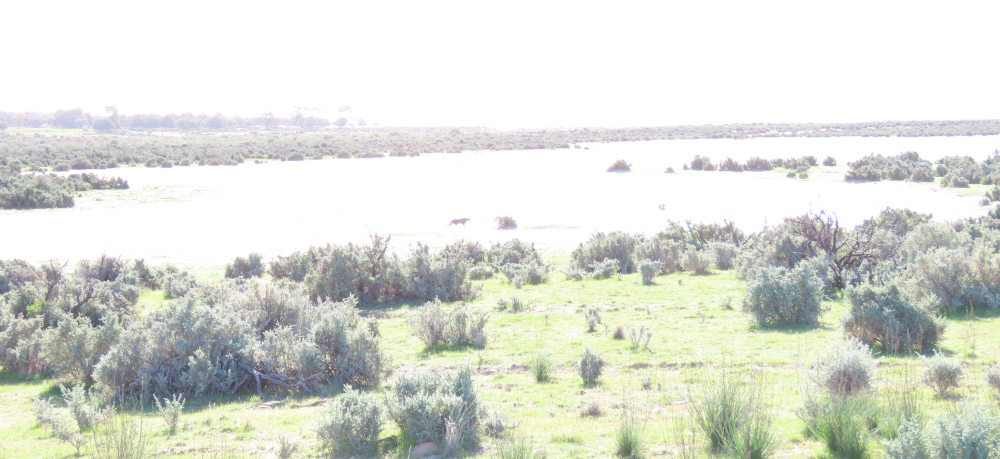
    The next pic shows what the scene might look like if you forget to don your sunglasses (or if, like the TC, you forget to adjust the camera settings to cater for the bright light):

    But wait, what’s that shape on the edge of the salt pan? Zooming in reveals the passer by:

    It’s a feral cat. They can survive even the harsh conditions of the Australian Outback.

    Viewed through sunglasses, or with adjusted camera settings, the salt pan is easier to view but less aetherial:

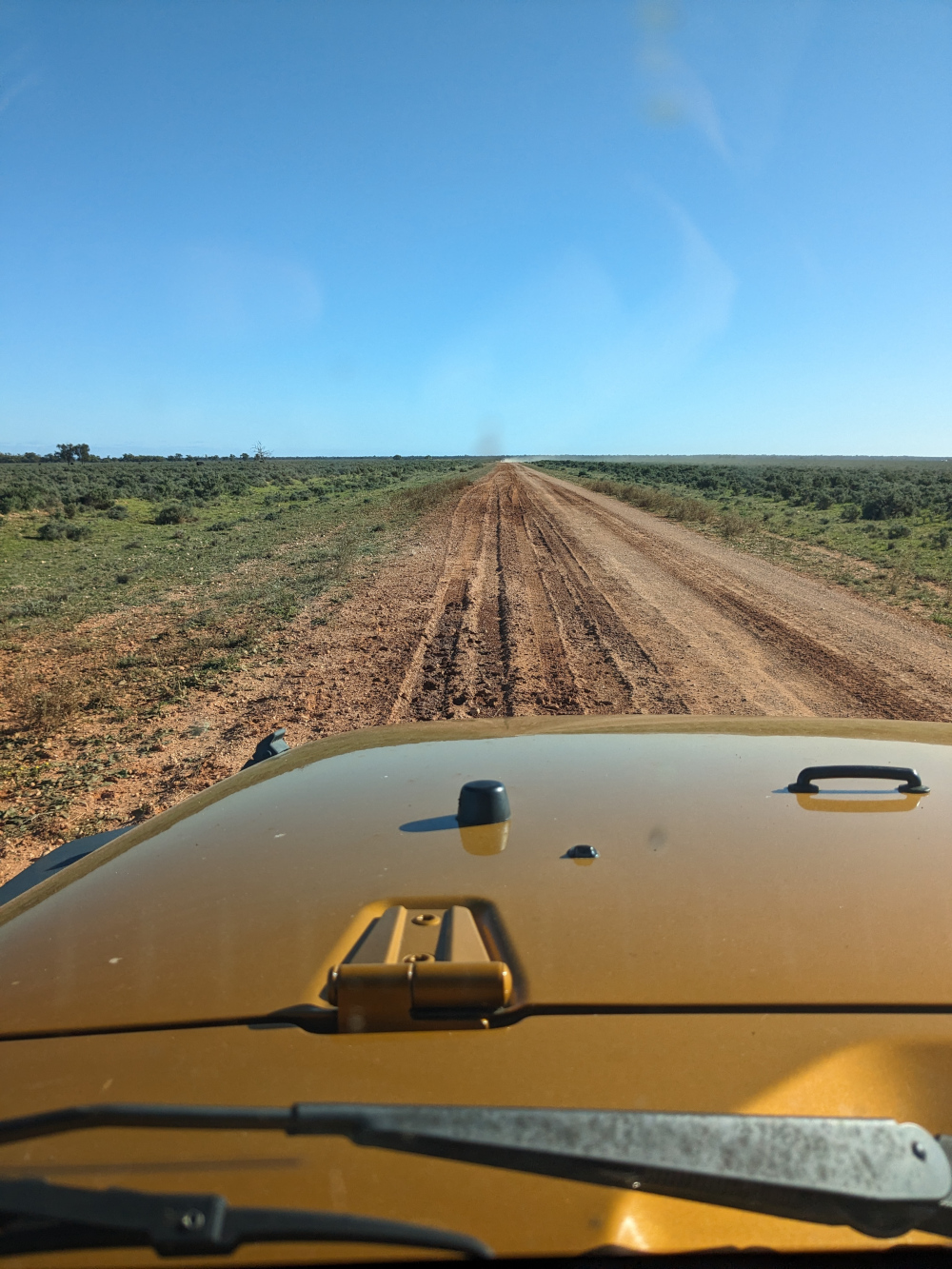
    The salt pan is on the edge of Garnpung Lake Road, which passes through the regions of Ivanhoe and Willandra Lakes. It’s a dirt road, but good driving through beautiful country. Janet the Jeep was in her element :

    Next stop, Lake Mungo. Until then…

    That’s all for today, folks.