Travelling Worm

A bookworm's travelogue

Month: July 2024

  • Coxs River & Six Foot Track 4WD

    This is the blog of Mark Wordsworm, the travelling worm. I’m a 40-year-old bookmark (give or take a few years) and I proudly boast my own Hallmark serial number, 95 HBM 80-1. You’ll probably want to read all about me and my Travelling Companion (the TC).

    Today’s travel notes

    Me, the TC, and Janet the Jeep recently drove across country in the Blue Mountains area, from Little Hartley to the Jenolan area. The trip included Coxs River Road, Ganbenang Road, Cullenbenbong Road, Glen Chee Road, Six Foot Track, and Black Range Road.

    The book I’m in

    No Time for Goodbye, by Linwood Barclay. A psychological drama packed with plot twists. Much like a 4WD road.

    Travel tips

    You’ll need a 4WD vehicle for most of this trip. The first part, before the turnoff to Coxs River camping ground, is fine for 2WD vehicles. But you’ll need a 4WD to get down to the camp site, and then back up again to follow the rest of Glen Chee Road.

    The photos

    Me at Coxs River camp ground:

    The TC, bless her woollen mittens, decided to focus on the river rather than on yours truly. Sometimes I disagree with her choices.

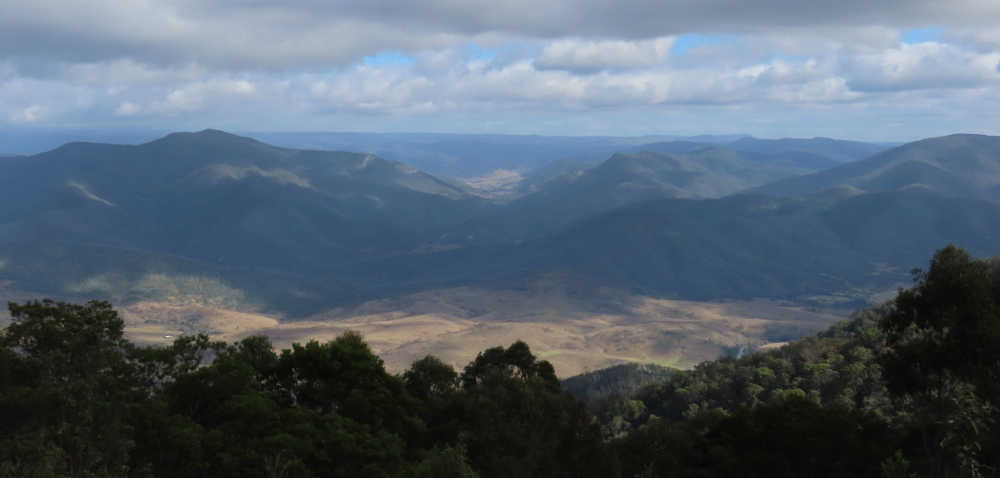
    We started our trip at the Little Hartley end of Coxs River road. The first hour or so is a lovely, meandering route, part sealed and part dirt. The views are of rolling hills and dales. And cows. This shot is from a trip last year:

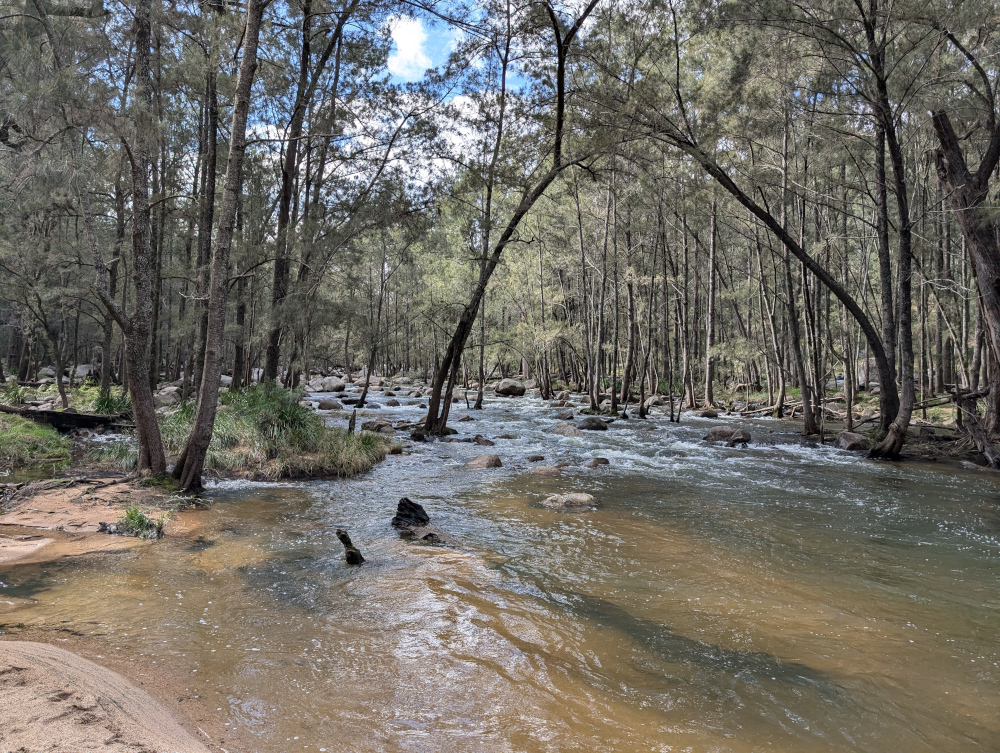
    At the camp ground, Coxs River is wide and rippling:
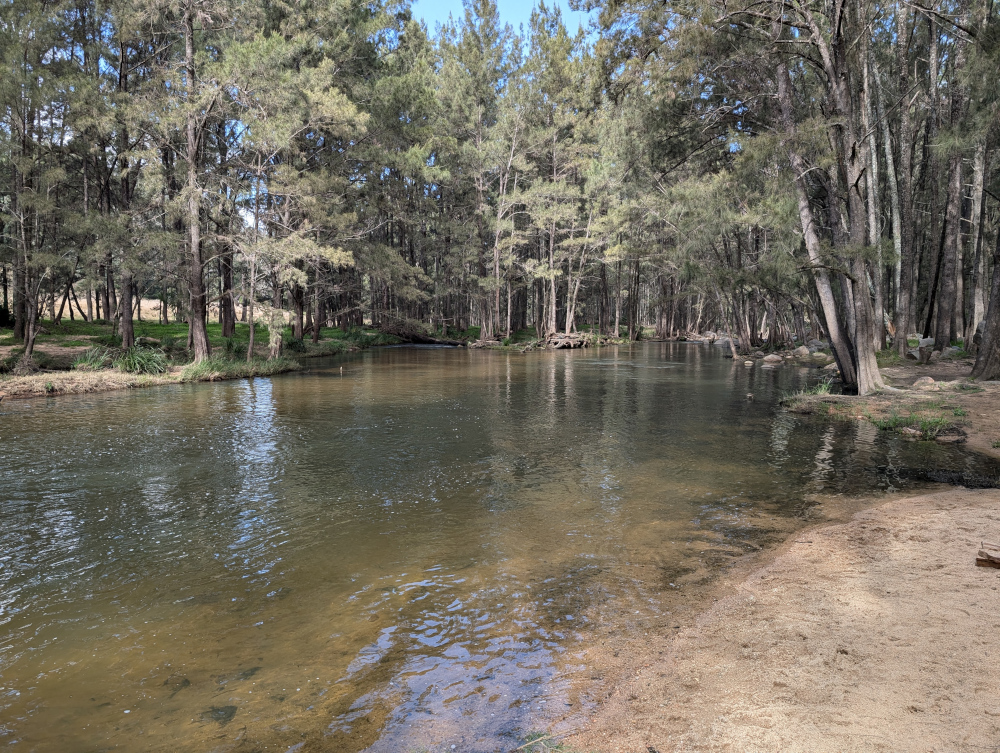
    Looking in the other direction, the river widens out into tranquil pools:
    We took a walk from the camp ground towards Bowtells Swing Bridge. This is a 20-minute walk through the forest, with views of the river gorge on one side:
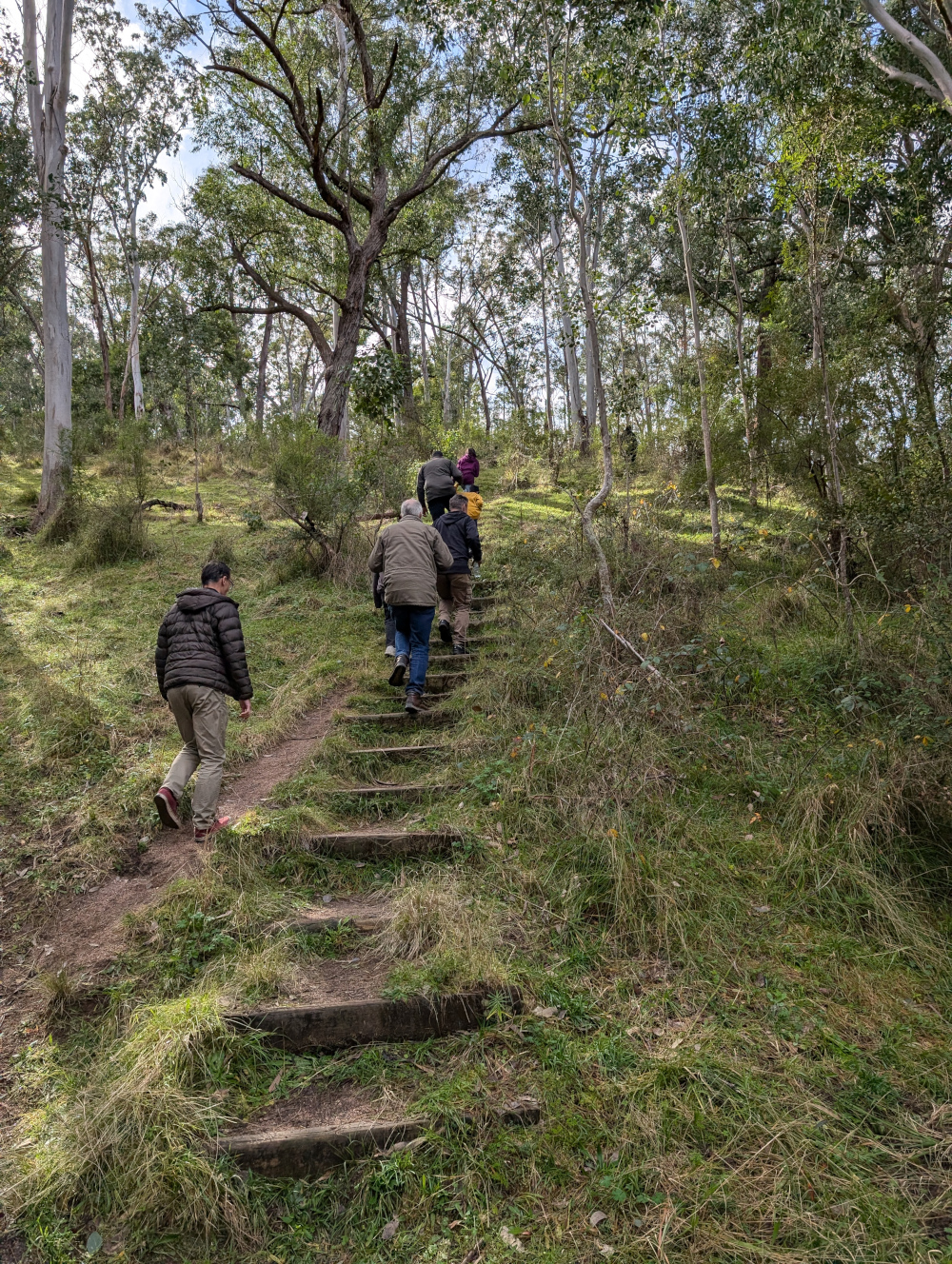
    Bowtells Swing Bridge is currently closed for maintenance. It’s been so for a long while: years. This worm has never seen it open. Crossing the bridge could be a wild ride, swinging over a deep river canyon:

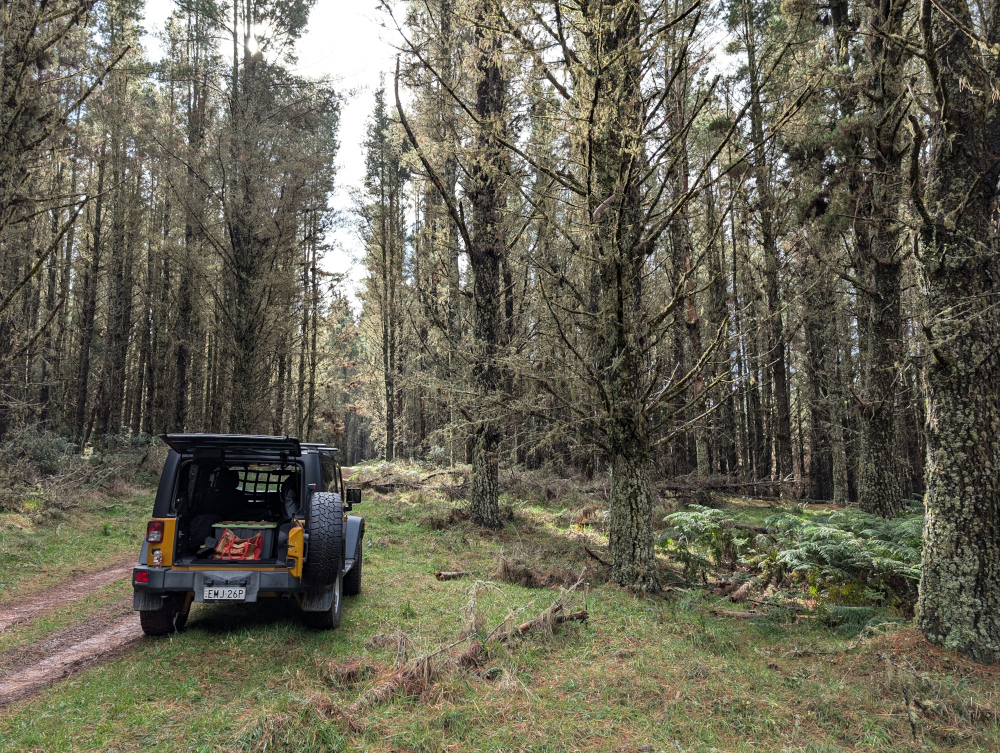
    If you turn left when you come up the road from the camp ground, you enter the 4WD-only part of Glen Chee Road:
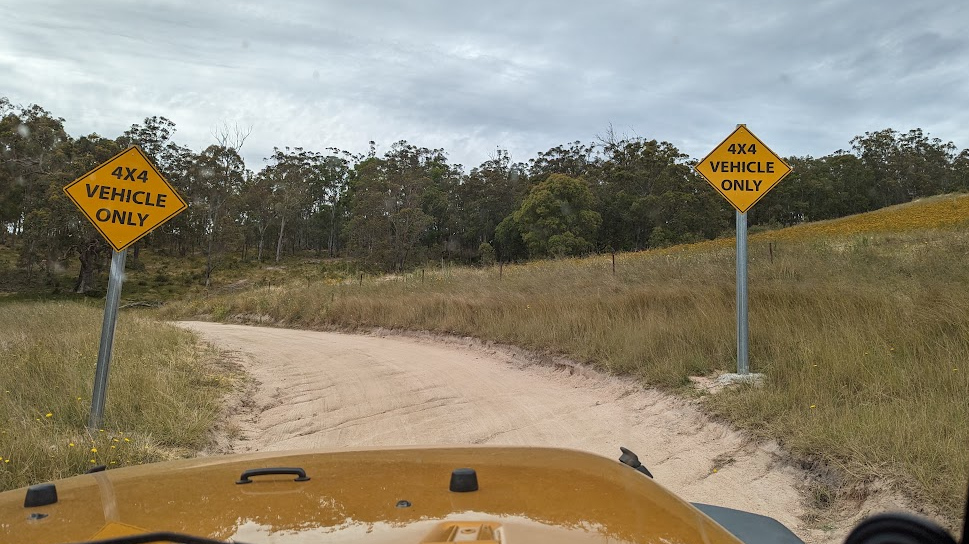
    See what it’s like driving Glen Chee Road near Pass Gully. This clip shows some track erosion, but it’s an easy drive when dry:

    Further along Glen Chee Road, descending towards Alum Creek Camping Ground:

    The road leads through pretty forest:

    Despite it being mid winter when we made this trip, yellow flowers were sprinkled across the bushland:
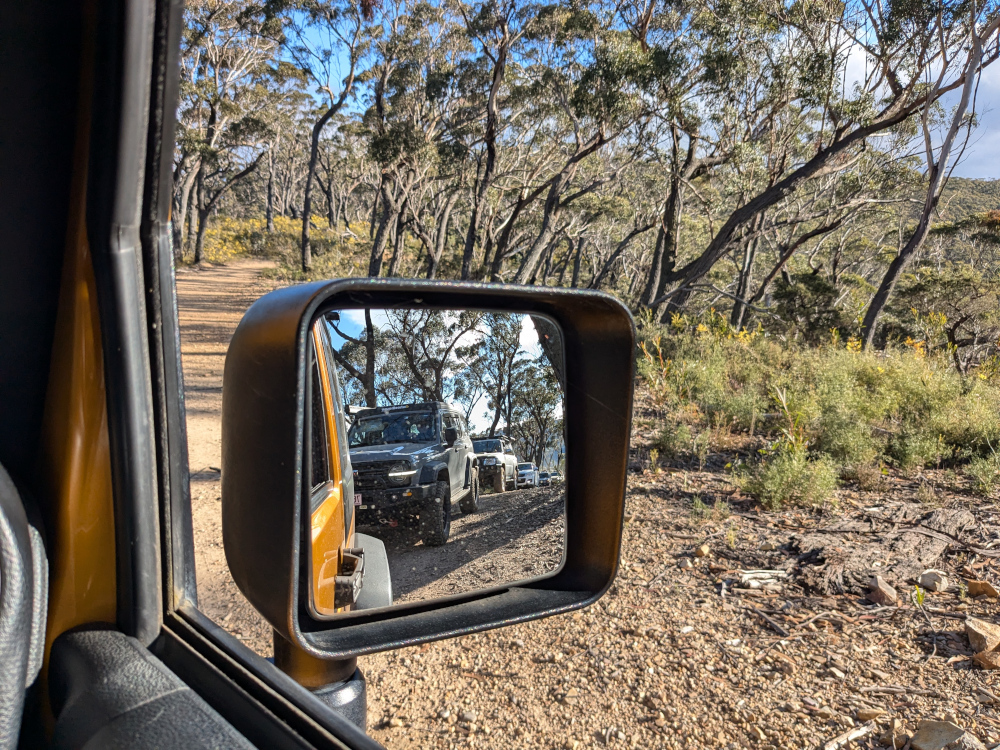
    In the next video, we cross Little River. This is one of several river crossings on the trip. They’re not hard, provided the river is low and your vehicle is a capable 4WD.


  • Maleny QLD: Views and birds

    This is the blog of Mark Wordsworm, the travelling worm. I’m a 40-year-old bookmark (give or take a few years) and I proudly boast my own Hallmark serial number, 95 HBM 80-1. You’ll probably want to read all about me and my Travelling Companion (the TC).

    Today’s travel notes

    Me and the TC recently visited the town of Maleny in Queensland. We had lunch in town, visited the chocolate factory, and spent a few hours at the botanic gardens and Bird World.

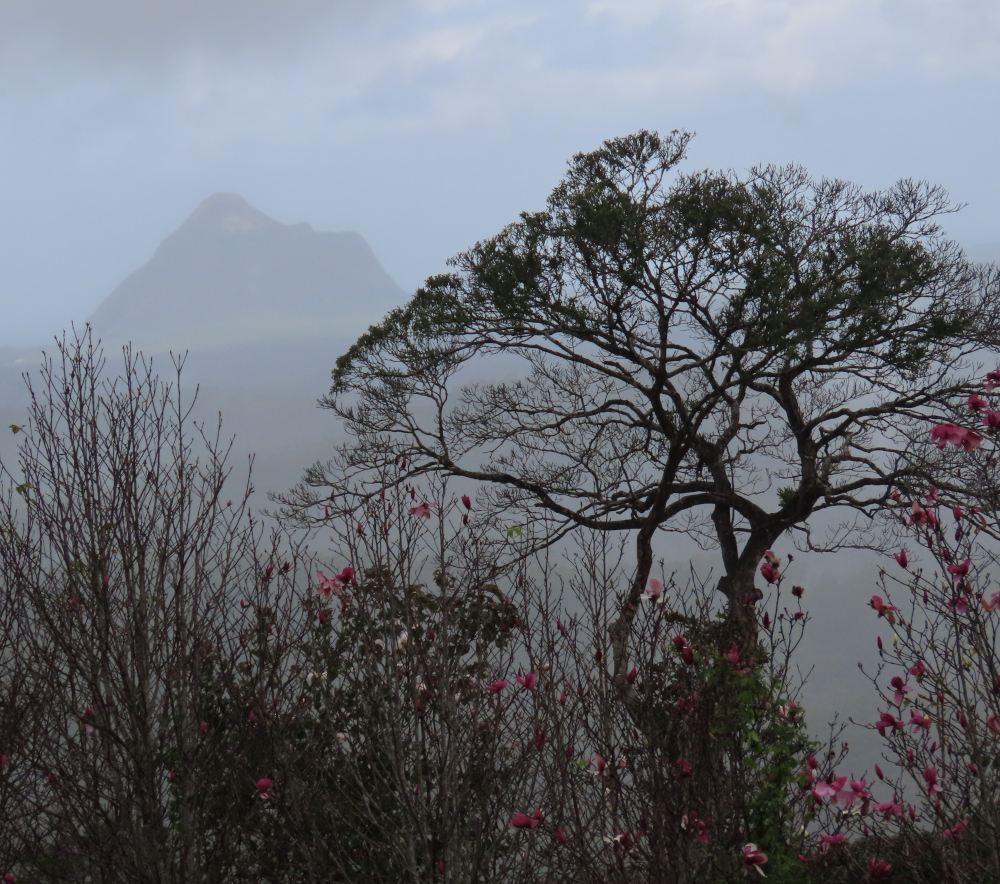
    The day was grey and drizzling. The mist only added to the views of the Glass Mountains and the architected gardens.

    The book I’m in

    Frontier, by Grace Curtis. Science fiction with flare and grace. Highly recommended.
    Travel tips

    Even if the weather is wet, Maleny is a good place to spend a few hours. Visit the Botanic Gardens and Bird World (inside the gardens). Drop in at Maleny Chocolate Co, for delicious (though pricey) chocolates.

    Recommended restaurant

    Sarah’s Unplugged in Maleny. Good food and friendly service, catering for vegan and gluten free too.

    The photos

    Where, a faithful reader will ask, is the photo of me that customarily kicks off these posts? I stayed tucked away in my travel case, viewing the sights from a handy peephole. A faithful reader might also guess the reasons why I played it safe: rain and birds. Rain isn’t good for my cardboard constitution, and when bird meets worm, it usually doesn’t go well for the worm.

    So, without further ado, let’s move on to a view:

    The Glass Mountains lurk in the clouds. In the foreground, the botanic gardens stretch towards the mist-clogged hills.

    A tree and a mountain provide structure. Pink blossoms add colour.

    At times during the day, the air was brighter and more colour shone through the mist.

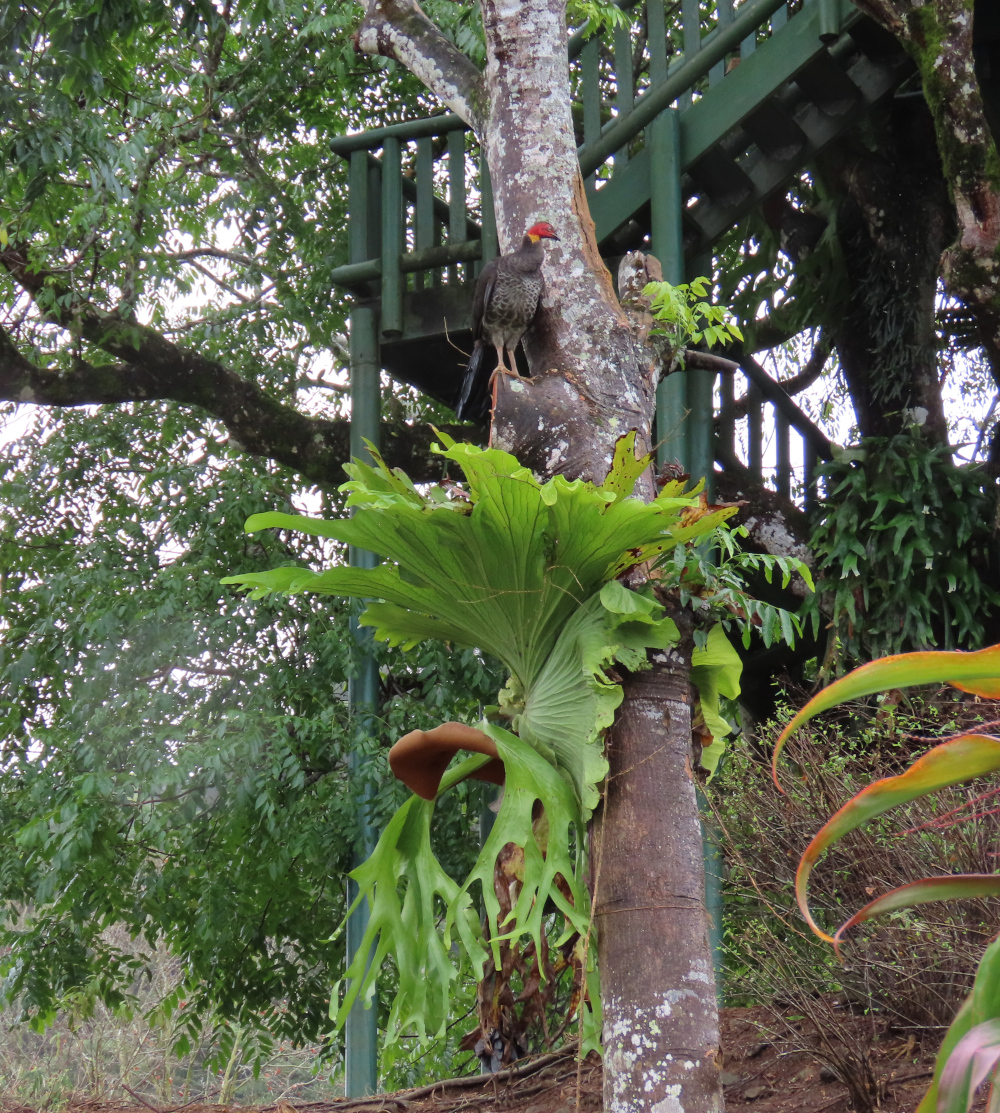
    Outside Bird World, a Brush-turkey had somehow managed to find a high perch. It watched us with a superior gaze.

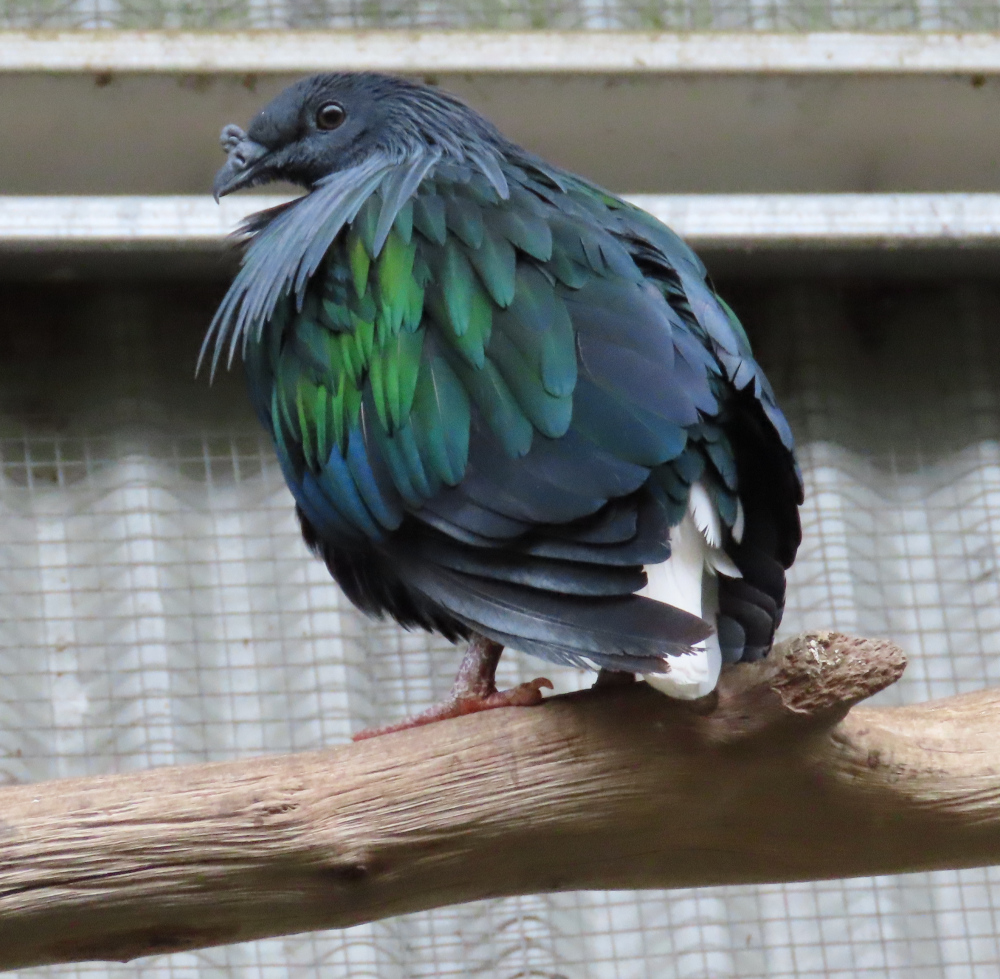
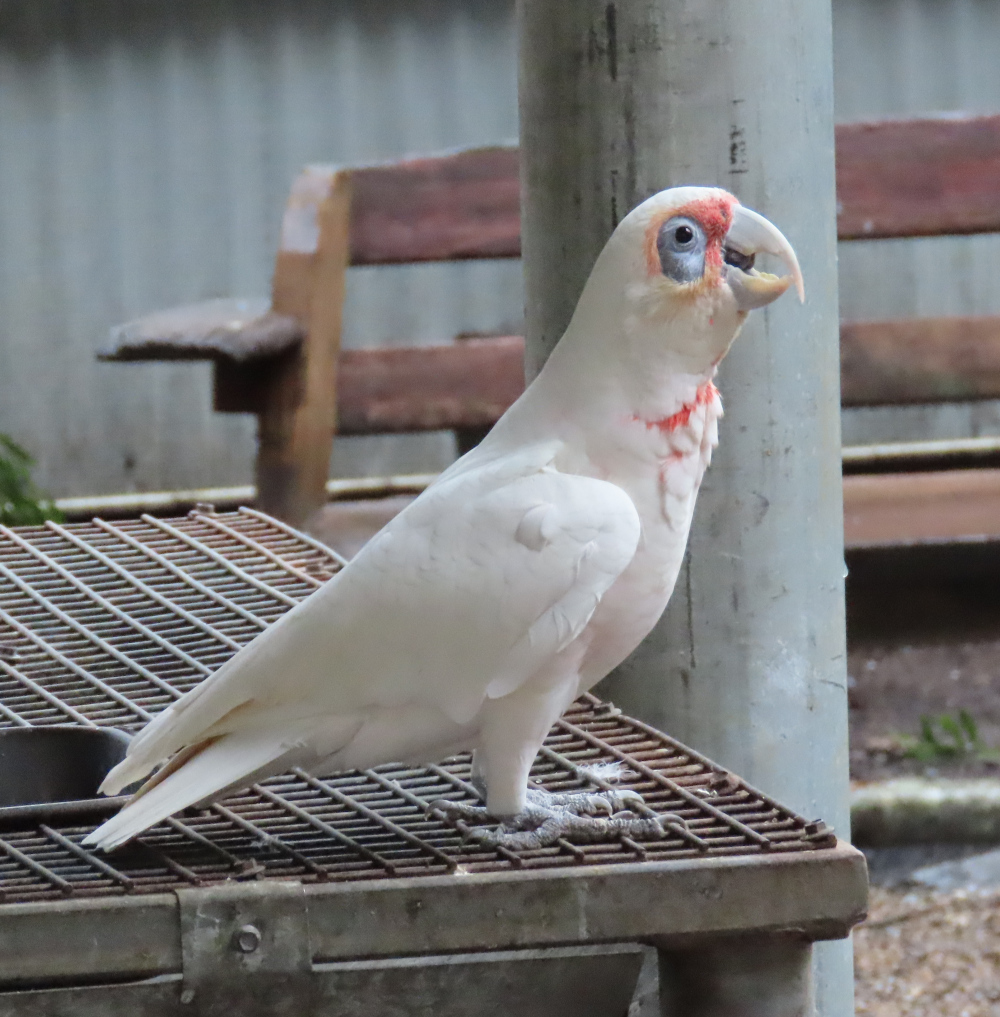
    Are you ready for the birds? Here they come! These are just a few of the birds we saw inside Bird World.

    A little Pitta:

    A series of pigeons:

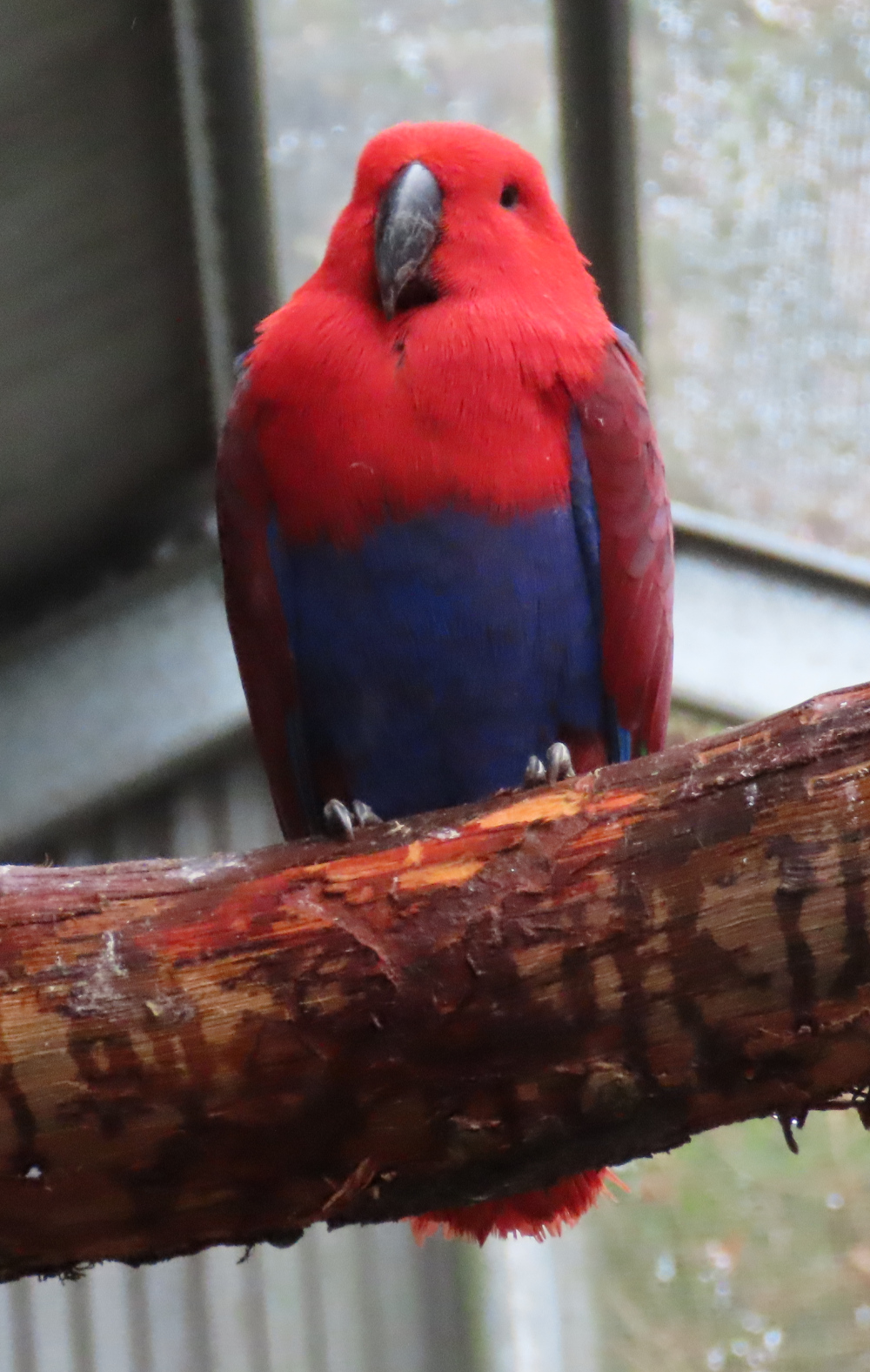
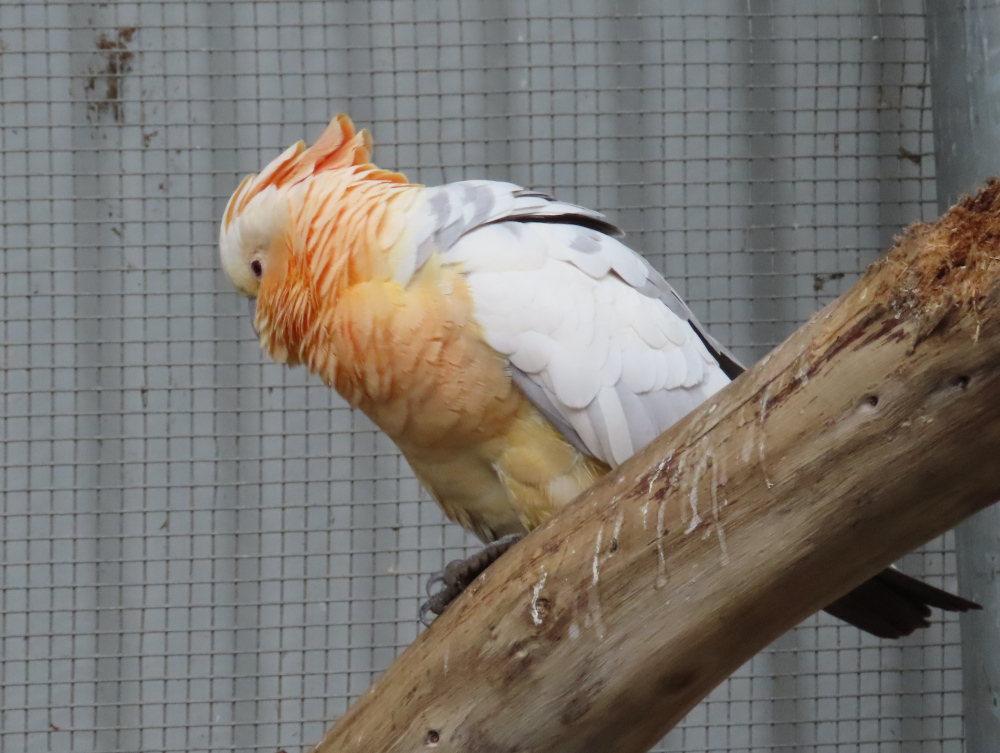
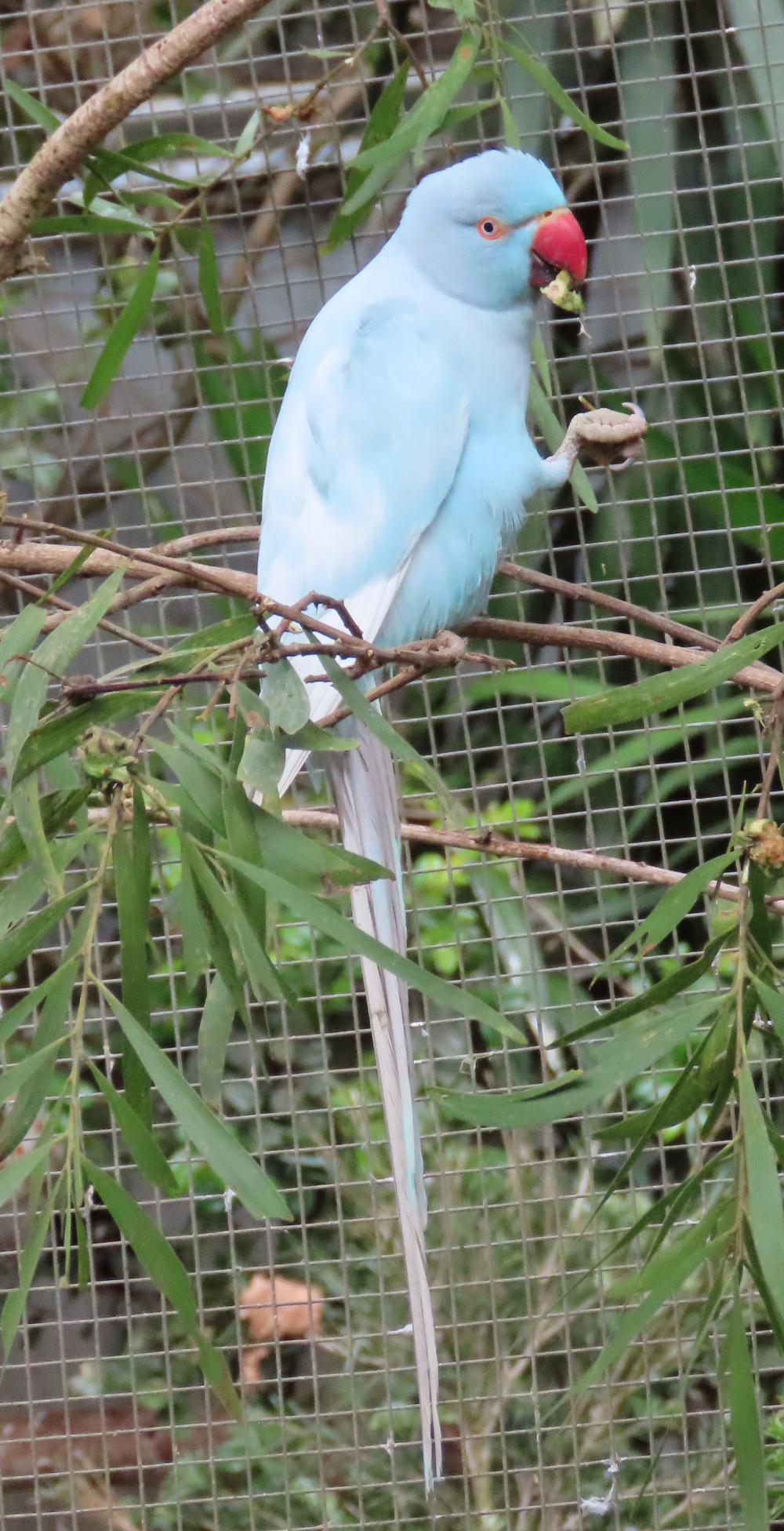
    A plethora of parrots:

    To finish, a bashful pheasant:


  • Old Grafton Road and Dalmorton Tunnel, NSW

    This is the blog of Mark Wordsworm, the travelling worm. I’m a 40-year-old bookmark (give or take a few years) and I proudly boast my own Hallmark serial number, 95 HBM 80-1. You’ll probably want to read all about me and my Travelling Companion (the TC).

    Today’s travel notes

    Me, the TC, and Janet the Jeep took the long way round from Sydney to Brisbane, to explore a bit of the inland countryside. On the second day of our trip, we drove from Glen Innes to Grafton via Old Grafton Road and Old Glen Innes Road. This is a beautiful route. The road is partly sealed (bitumen) and partly unsealed (gravel and clay). It’s in good nick all the way from Glen Innes to Grafton.

    Read on to get a feel for this trip.

    The book I’m in

    Force of Nature, by Jane Harper. A book that starts well and gets better and better.

    Travel tips

    It’s most comfortable to travel from Glen Innes to Grafton, rather than in the opposite direction. The road is narrow, the edges unguarded, and the side falls away steeply along much of the way. If you’re on the side that drops off, it can be uncomfortable when you meet a vehicle coming towards you.

    Recommended accommodation

    Apartments on Grey in Glen Innes. Warm and cosy, with everything you need for a comfortable stay.

    The photos

    Me at the turnoff to Old Grafton Road on Gwydir Highway:

    The first part of Old Grafton Road is sealed (bitumen). But don’t be fooled! It’s scenic — meaning, it’s steep, winding, and narrow. This video gives a taste of the road. Part way through (at the time stamp of 40 seconds to 1:03), the TC stopped the Jeep to take a shot of three wallabies on the side of the road:

    The road descends swiftly to cross Diehard Creek:

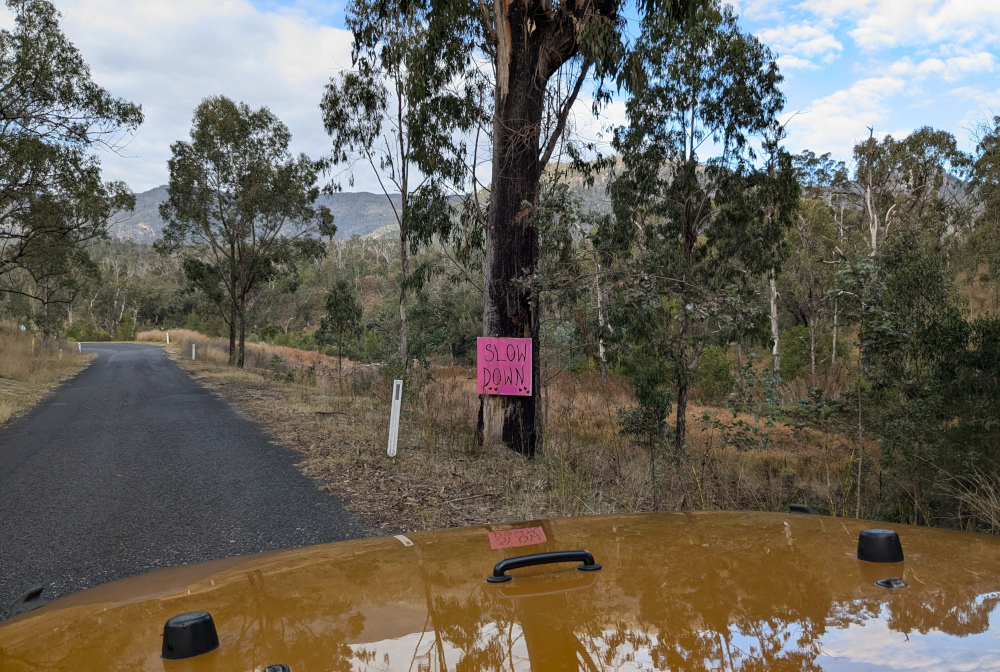
    A helpful soul has posted warning signs along the road:

    Mann River Nature Reserve is a pretty spot to take a breather:

    Janet the Jeep was raring to go when Old Grafton Road changed to dirt:

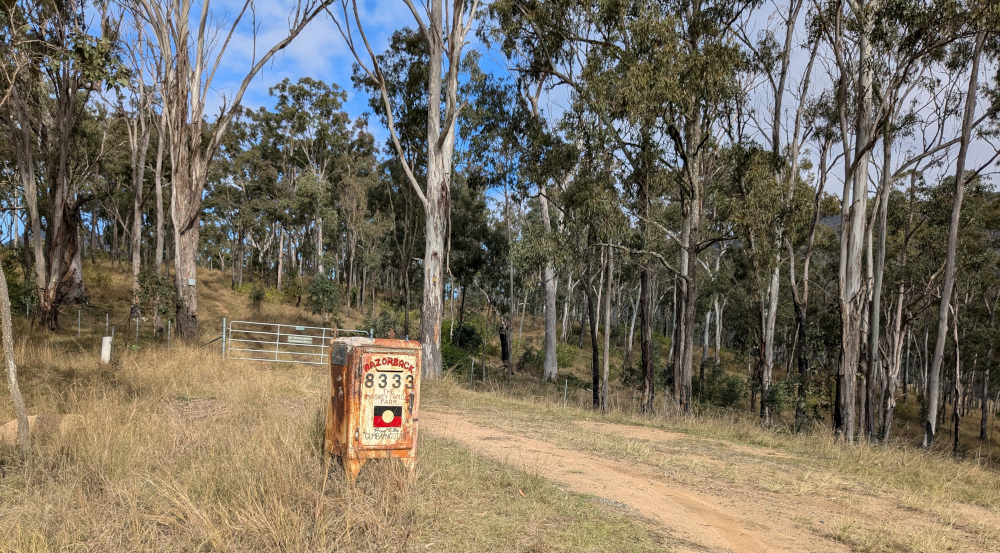
    At times, you’ll come across an entrance to a family farm:

    Here’s another homestead, further along the route:

    Much of the road runs alongside Boyd River. Sometimes it’s at the level of the water, sometimes high above. It’s narrow and slippery — take care!

    Just around a corner, you’ll come across Dalmorton Tunnel. The tunnel is 20 metres long, 4 metres wide, and has a height clearance of 3.2 metres.

    Me at Dalmorton Tunnel:

    The tunnel was built in the 1860s by civilian contractors. (Some reports say that convicts built it, but that’s probably apocryphal.) The tunnel was blasted out of solid rock, then trimmed with hand tools. (Again, some reports say it was “hand hewn”, but that’s probably not completely accurate either.)

    Here’s Janet making her way through the tunnel, hogging the limelight as she does:

    Boyd River offers some picturesque spots for coffee and a photo:

    Next is a cow closeup, for people who like cows. This worm avoids them, as they’re apt to put those big feet where they’re not wanted. But the TC, bless her cotton socks, liked the way this cow was cosying up to the pink bush:

    On Old Glen Innes Road, a wide, low bridge crosses the Nymboida River:

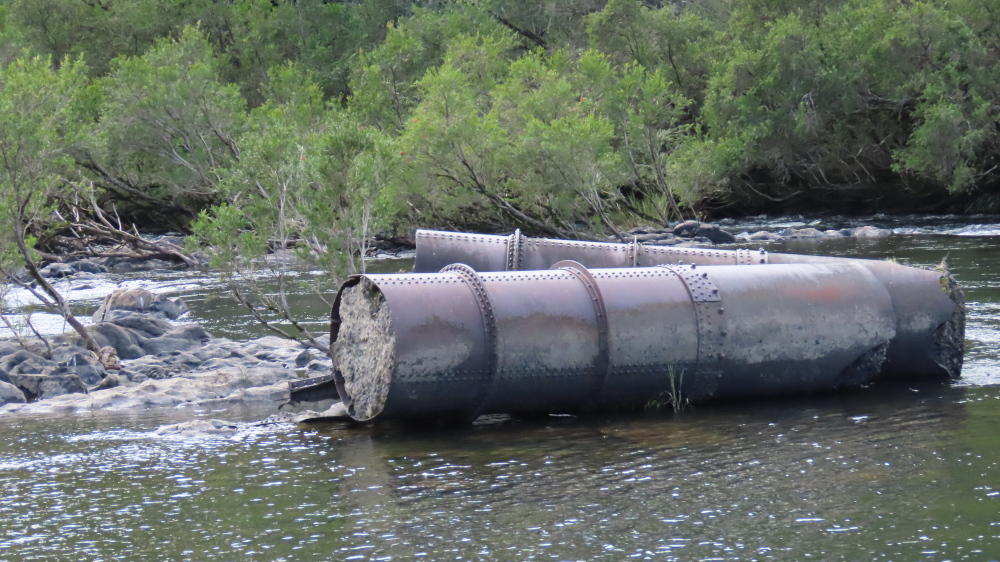
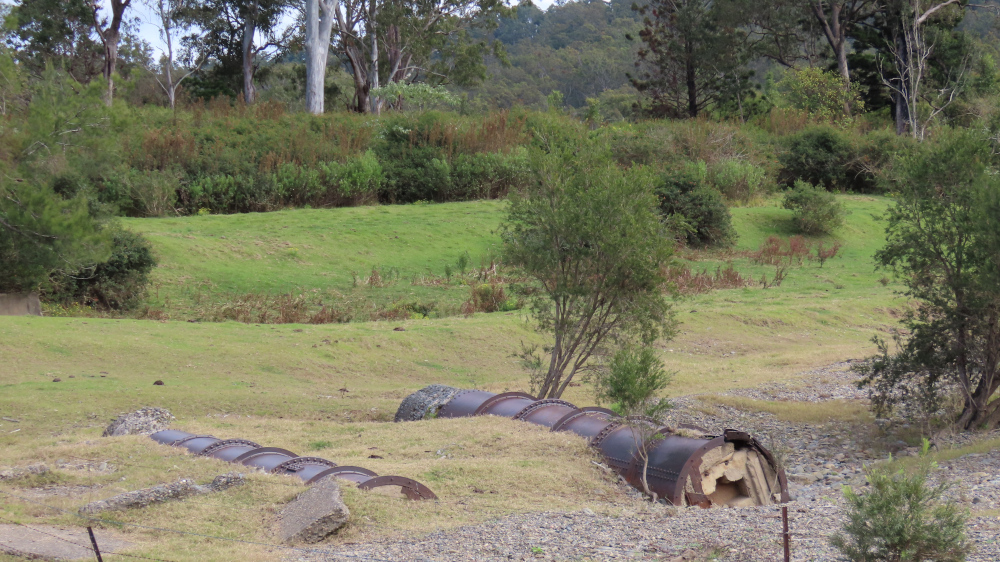
    Scattered around, in the water and on land, are sections of a huge pipe, filled with concrete:

    Perhaps the pipes formed the scaffolding of a previous bridge? Who knows:

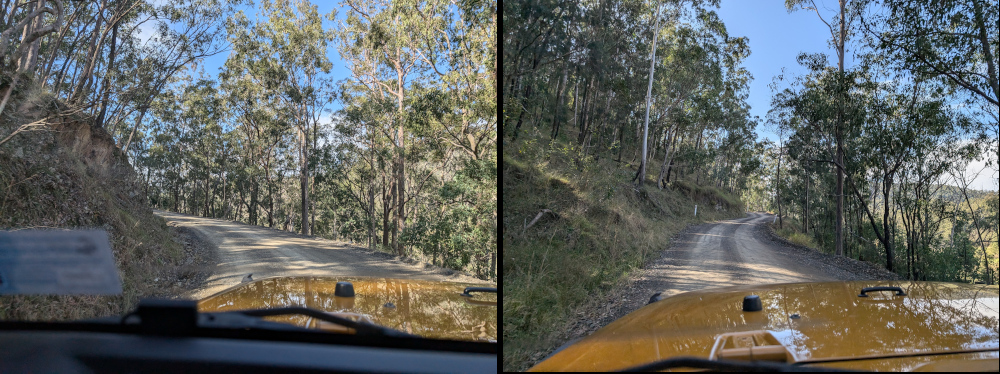
    The TC, bless her woollen mittens, is keen to finish off with some shots of the road. So, for those enthusiastic road-farers out there:

    See you on the road!


  • Standing stones at Glen Innes

    This is the blog of Mark Wordsworm, the travelling worm. I’m a 40-year-old bookmark (give or take a few years) and I proudly boast my own Hallmark serial number, 95 HBM 80-1. You’ll probably want to read all about me and my Travelling Companion (the TC).

    Today’s travel notes

    Me and the TC recently spent a night in Glen Innes, NSW, on our way to Brisbane. Early the next morning, we dropped in on the standing stones before continuing our journey.

    The book I’m in

    Force of Nature, by Jane Harper. The TC recently read The Dry by the same author, and enjoyed it so much that she resolved to read more of the author’s work. This worm is pleased. The book is an exciting, comfortable place to be.

    Travel tips

    The Australian Standing Stones are not to be found in the little village of Stone Henge, which is nearby. The village of Stone Henge is worth a visit too, surrounded as it is by stones and boulders, including some interesting formations of stones perched on top of others.

    The official standing stones monument is in Glen Innes.

    Visit the standing stones early in the morning if you can. They have a certain drama when the sun is low in the sky.

    Recommended accommodation

    Apartments on Grey in Glen Innes. Warm and cosy, with everything you need for a comfortable stay.

    The photos

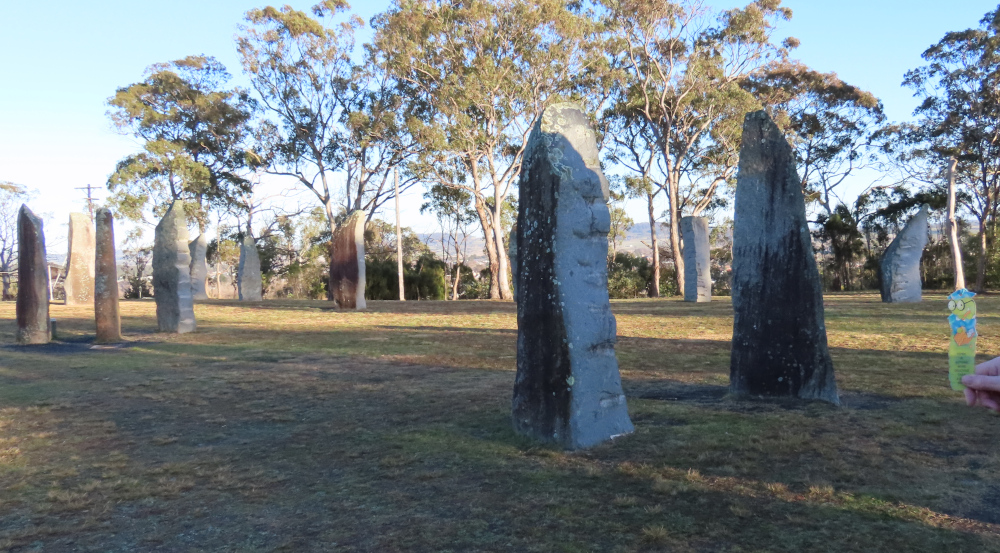
    Me with some of the standing stones at Glen Innes:

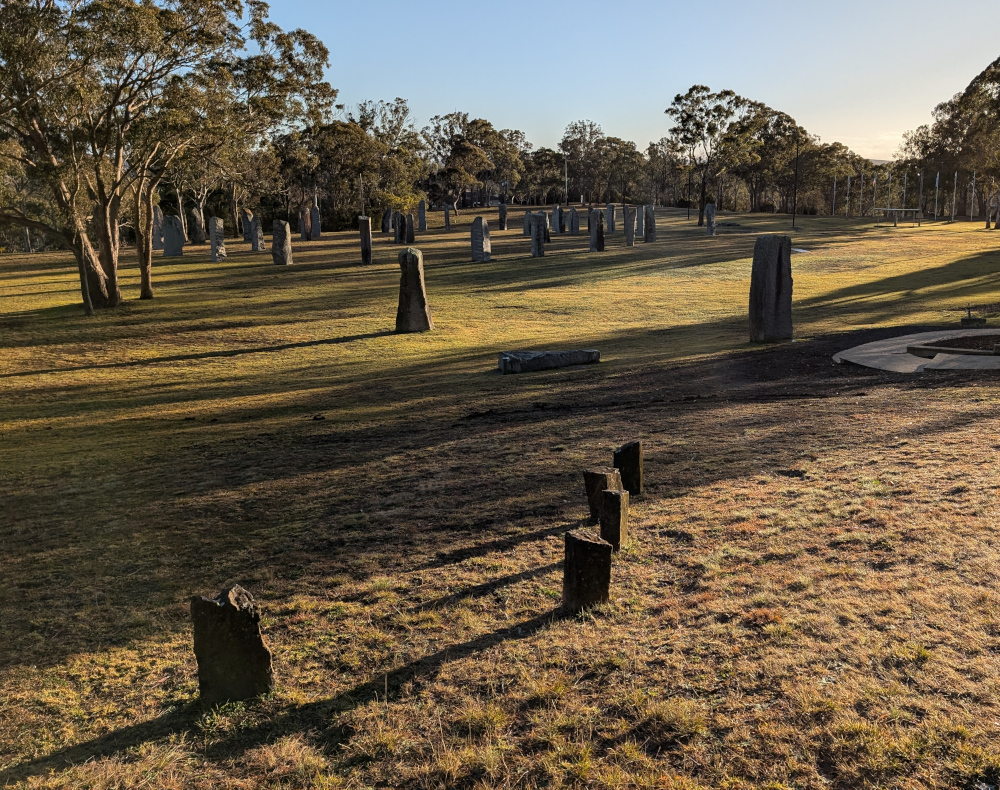
    An early morning view of the ring of stones:

    An engraved stone in the middle of the ring describes the design of the stones, placed to catch the sun’s rays at key times of the year:

    These standing stones don’t pretend to be ancient. They were erected in the late 20th century and dedicated in 1992, as a tribute to the various Celtic nations who’ve settled in and contributed to Australia’s history.

    Near the top right of the next view of the stones, there’s a line of flag poles, one from each of the nations that has contributed to the monument:

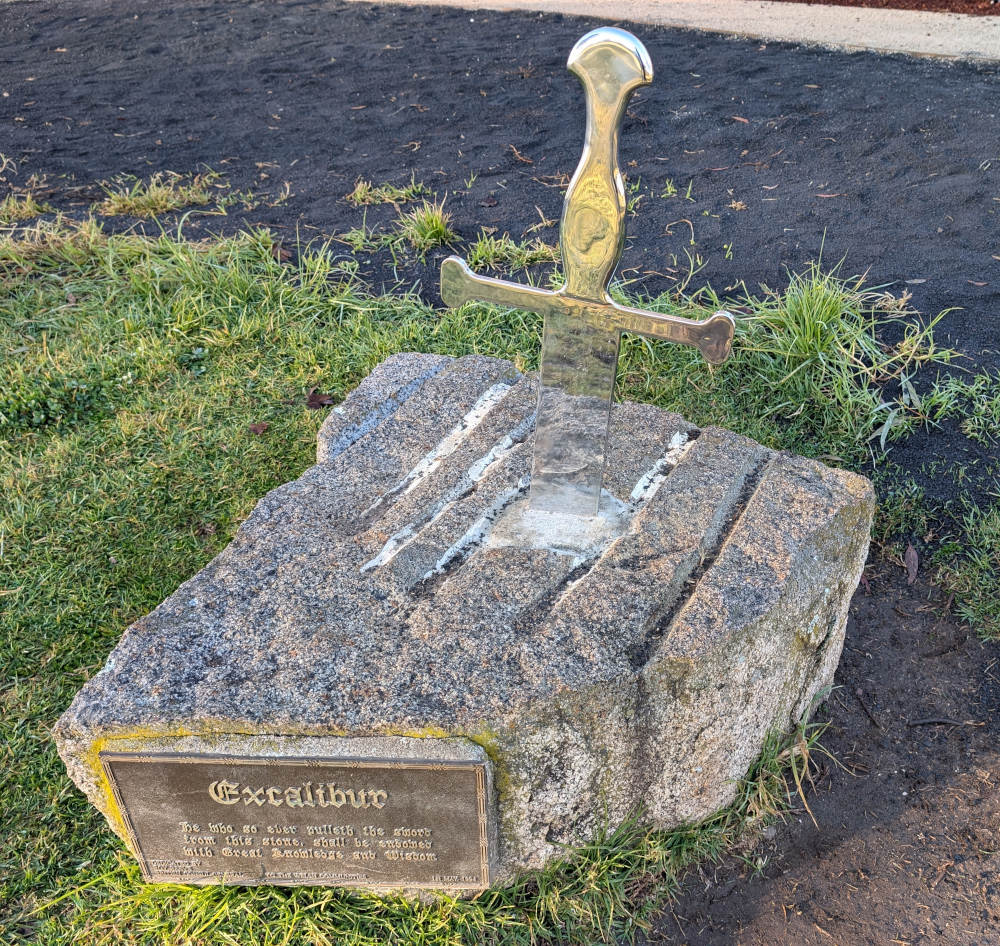
    On the edge of the ring of stones is a rather attractive, though fake, Excalibur — complete with injunction to try to pull it out of the stone and thus gain great knowledge and wisdom:

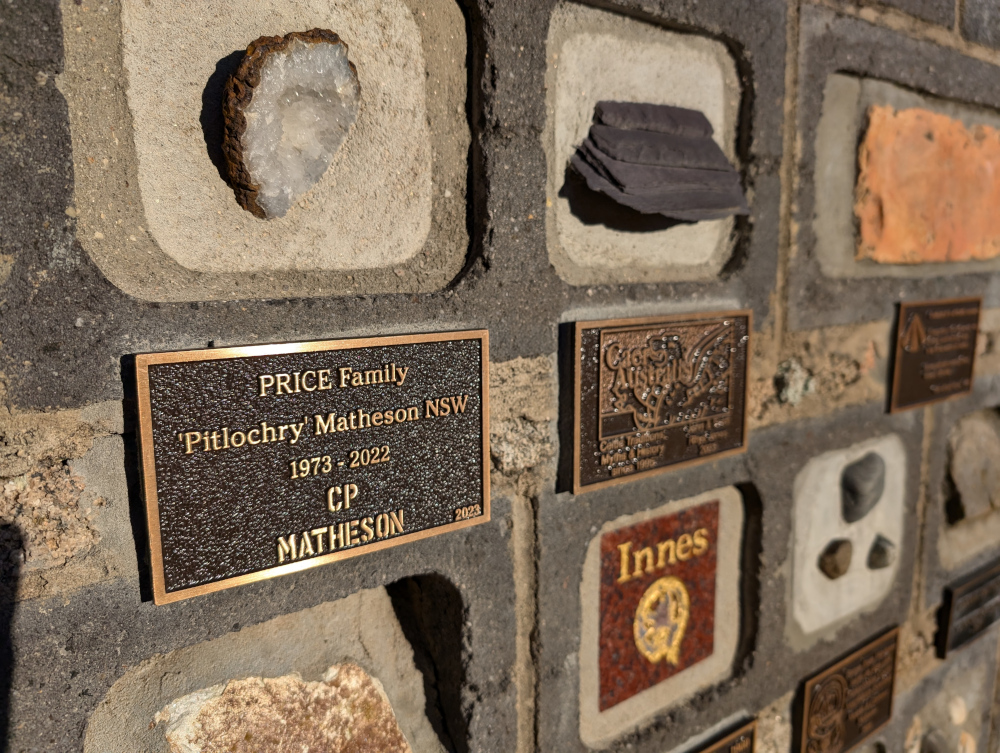
    A wall curves round the path, embedded with gifts of stone from various sponsors of the monument:

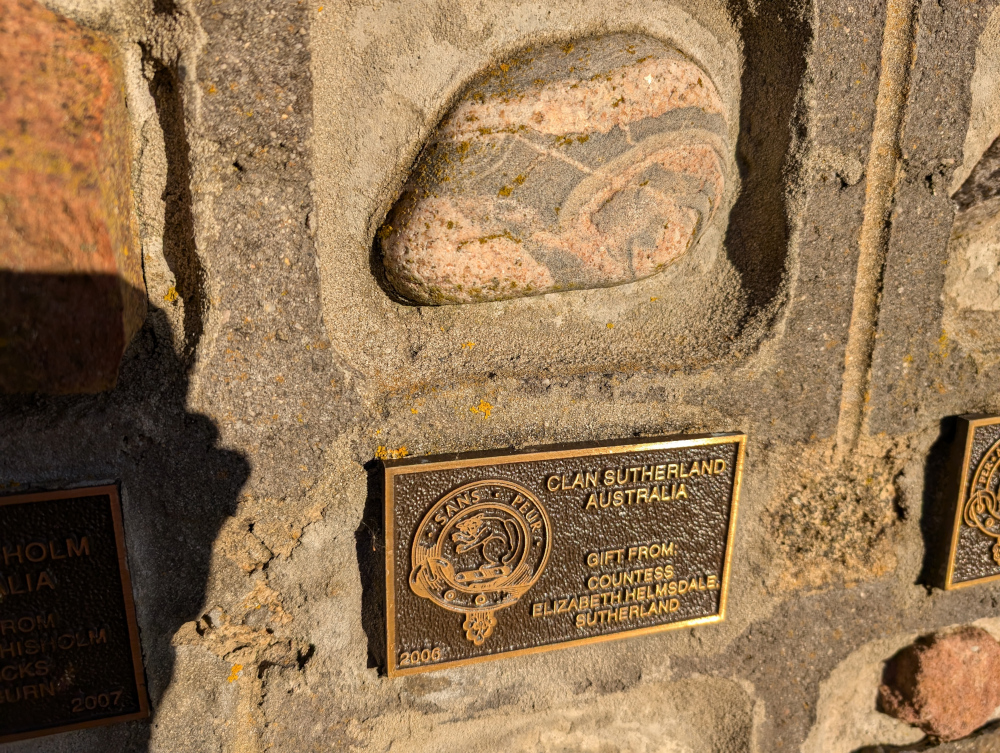
    Here’s one of the embedded stones with its inscription. This worm likes the simple attractiveness of the stone:

    More stone dedications:


  • Thunderbolts Way, NSW

    This is the blog of Mark Wordsworm, the travelling worm. I’m a 40-year-old bookmark (give or take a few years) and I proudly boast my own Hallmark serial number, 95 HBM 80-1. You’ll probably want to read all about me and my Travelling Companion (the TC).

    Today’s travel notes

    Me, the TC, and Janet the Jeep took the long way round from Sydney to Brisbane, to explore a bit of the inland countryside. On our first day, we drove from Sydney to Gloucester and then took Thunderbolts Way to Glen Innes. Thunderbolts Way is a scenic, historic drive. The road is entirely sealed (bitumen), but includes a steep hill and some bumpy areas full of pot holes. Read on to get a feel for this trip.

    The book I’m in

    Ancillary Sword, by Ann Leckie. This is the second book in the Imperial Radch trilogy. Excellent science fiction, set in an intriguing world of AI ships and their ancillary crew.

    Travel tips

    Fill up with fuel before you start the drive. Be aware of the long, steep hill between Uralla and Gloucester. If you’re travelling towards Gloucester, you’ll be going down the hill. The descent can be tricky, especially if you’re towing a caravan.

    Take a picnic and stop at a scenic spot for lunch.

    Recommended accommodation

    Apartments on Grey in Glen Innes. Warm and cosy, with everything you need for a comfortable stay.

    The photos

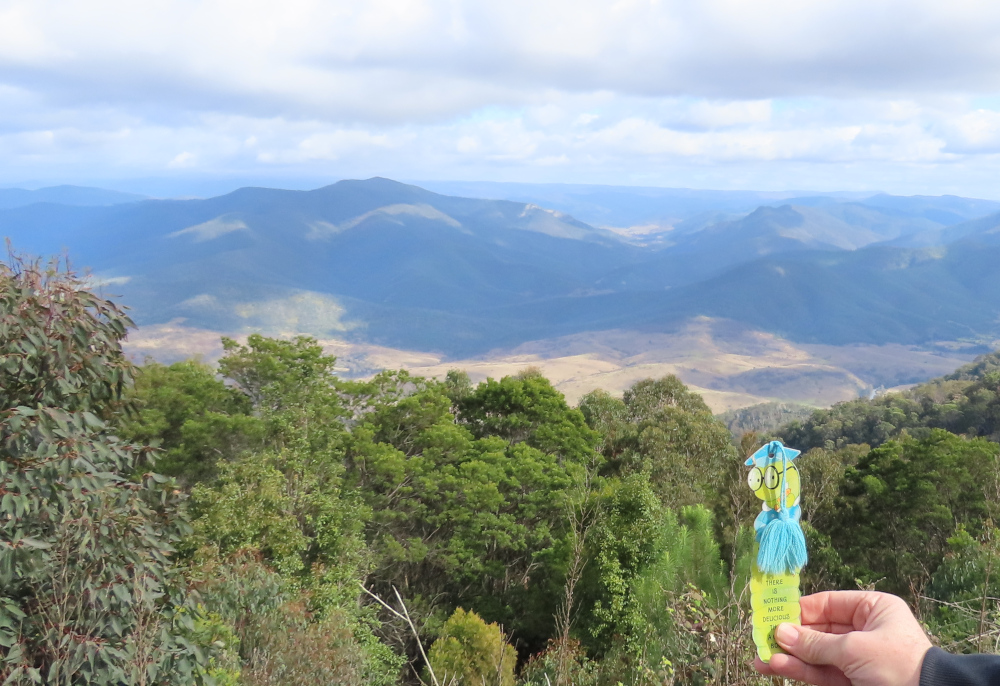
    Me at Pioneer Lookout on Thunderbolts Way:

    We joined Thunderbolts Way at the picturesque NSW town of Gloucester. These two motorbikes passed us, and were probably on their way to the same road:

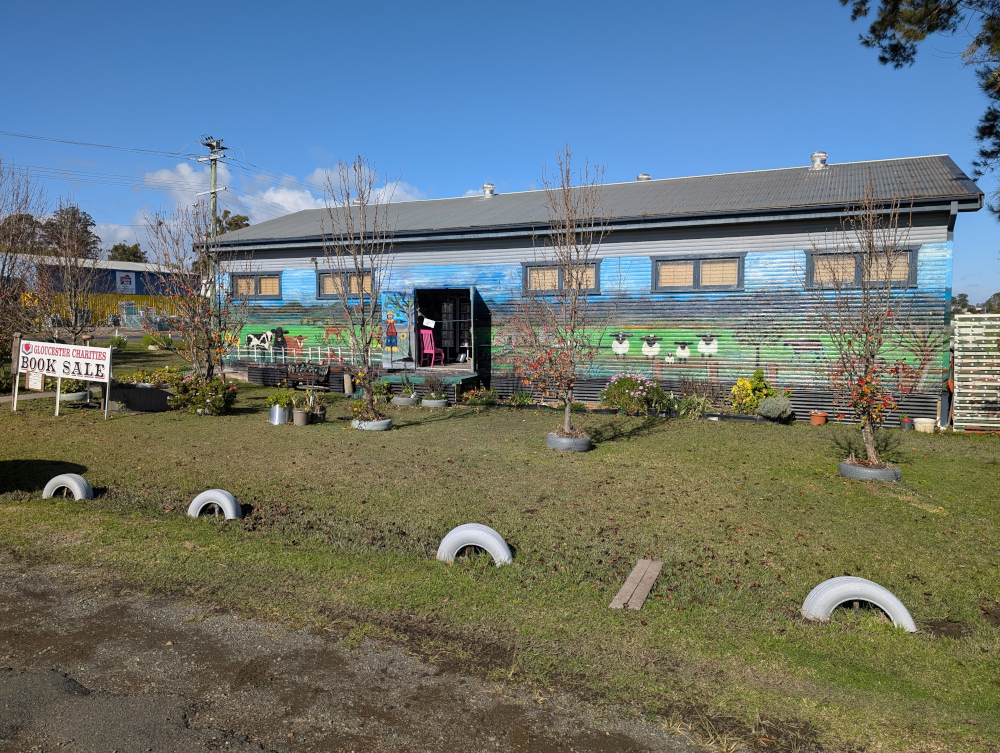
    A book sale on the outskirts of Gloucester:

    Thunderbolts Way is named after Captain Thunderbolt, a controversial bushranger from the early 1800s. The ranger’s real name was Frederick Ward. He managed to combine criminal activities with his legitimate bushranger tasks, in a way that led people to both fear and admire him. He’s famous for several robberies and mail coach holdups. At one stage, a reward of 400 Pounds was on offer for his capture. He was eventually shot and killed by a policeman in 1870, after a long horseback pursuit.

    The views on this route are gorgeous:

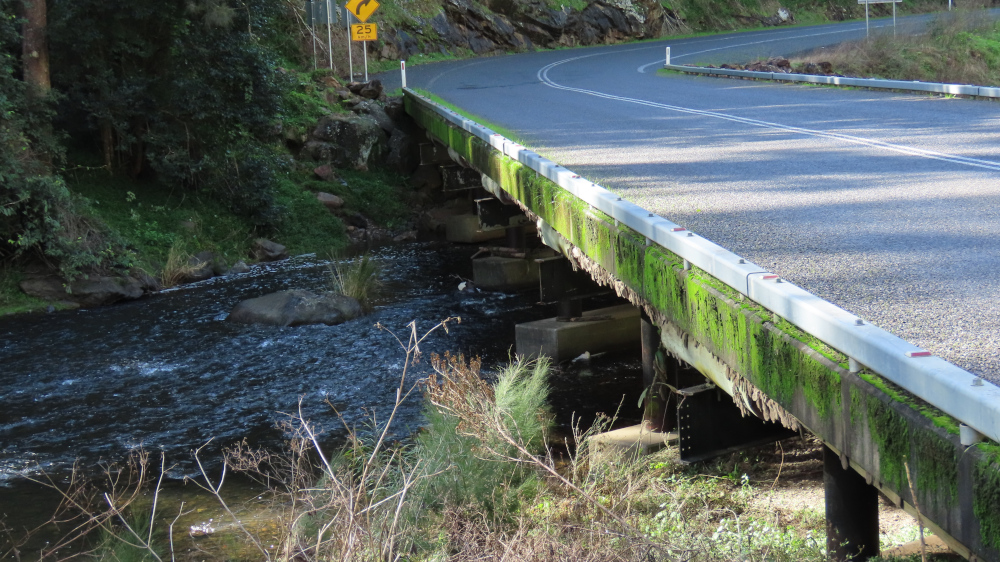
    A curious sight awaited us at Gloryvale Bridge, which crosses the Manning River:

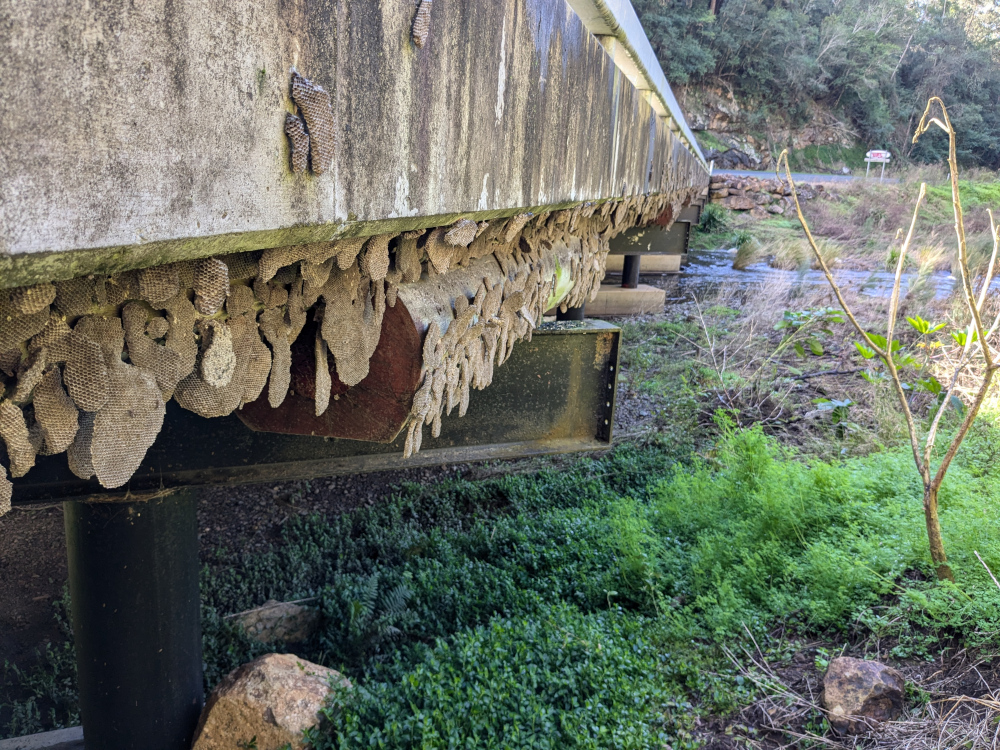
    Look closely at the bottom of the bridge:

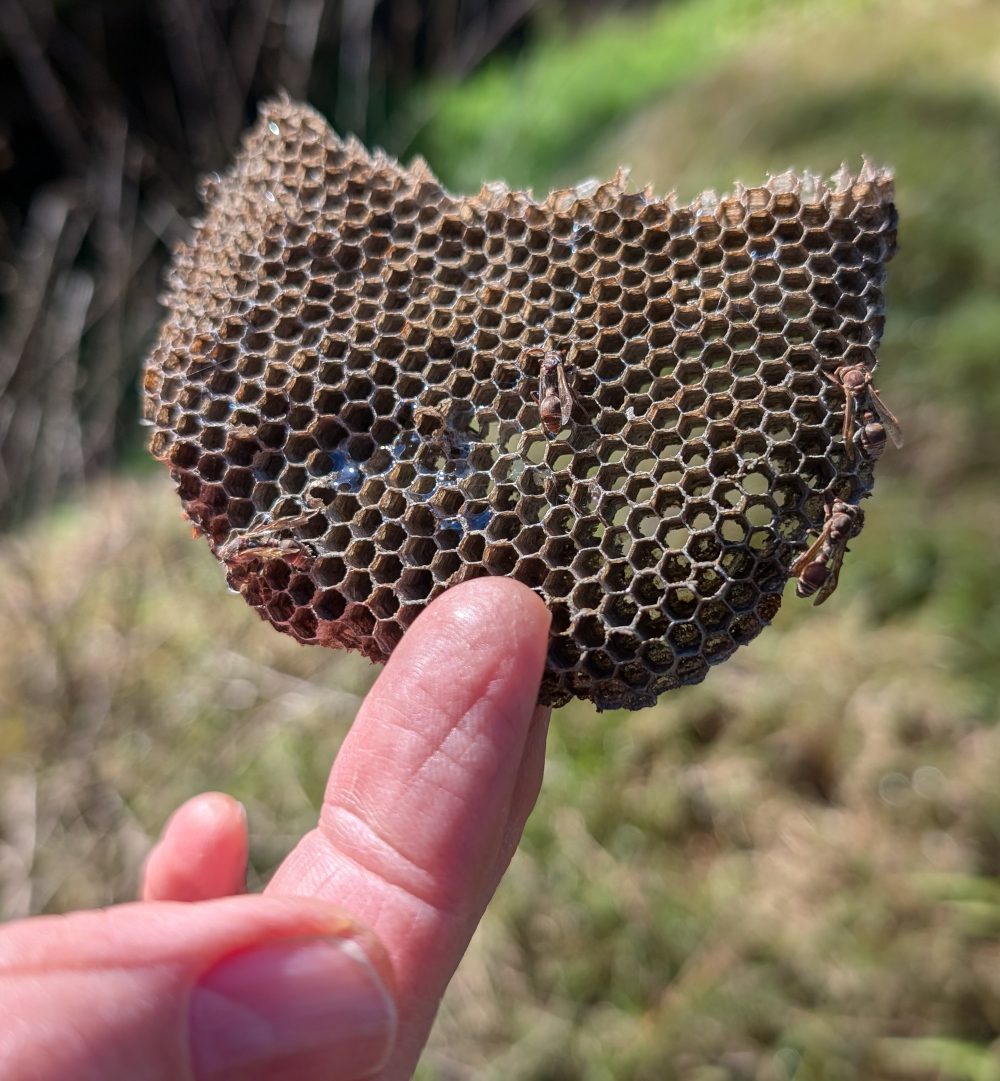
    Those are wasp nests, thousands of them stuck along the bottom edge of the bridge. Here’s a small piece with some dead, dried-out wasps still attached:

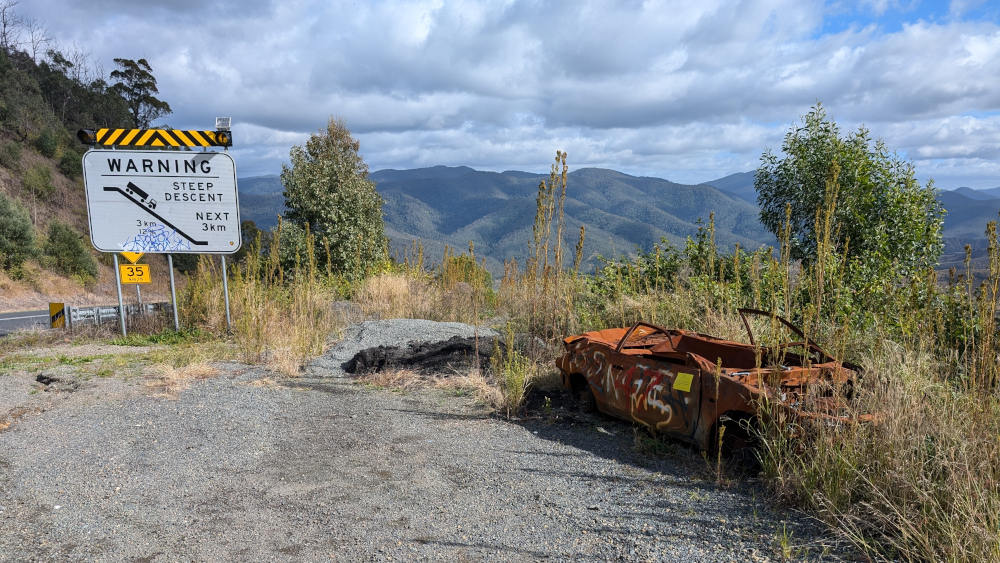
    We climbed a long, steep hill and stopped at the top. If you’re travelling down the hill with a caravan or trailer, beware. As the sign says, it’s steep. Evidently quite a few people have come a cropper because they didn’t have enough warning.

    The rusted-out car is perhaps an appropriate warning. Weirdly, this old carcass had a new, bright yellow sticker giving notice of the council’s intent to take possession.

    Due procedures have been followed!

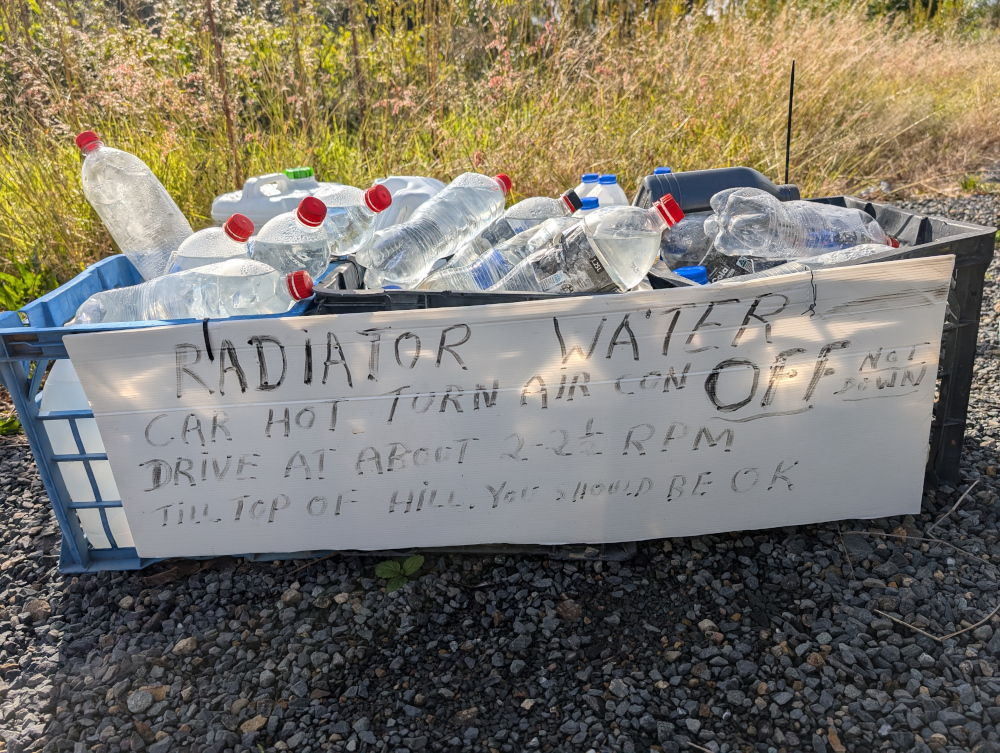
    At the top of the same hill, some kind soul had left a cache of filled water bottles, for people who might find their vehicles in trouble during the ascent or descent. This worm is impressed with the kindness, including the last words in the attached notice: “You should be OK“.

    This view was our reward for making it to the top of the hill:

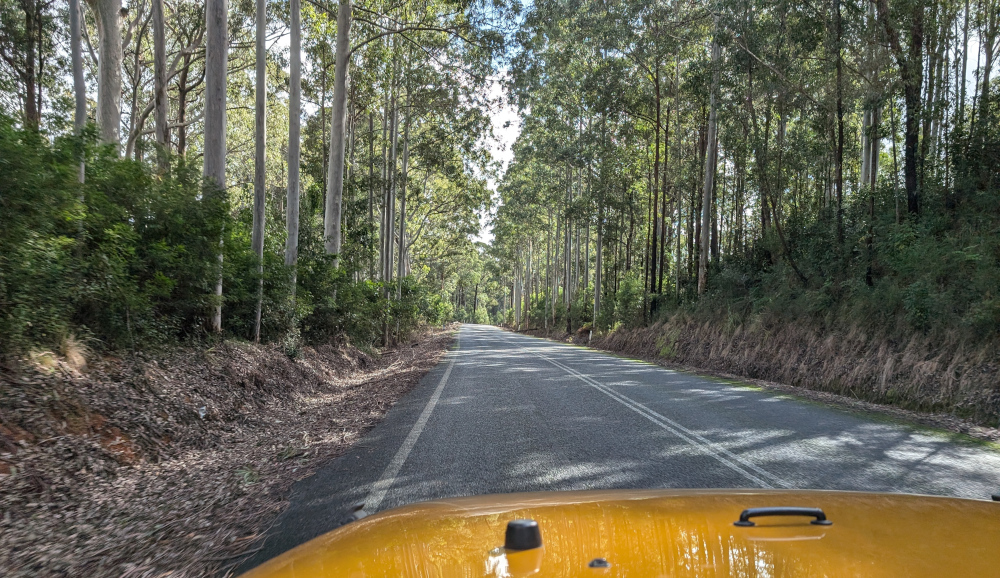
    The road changed character several times. This section ran through natural forest:

    Pioneer Lookout presented another spectacular view:

    We turned off into Nowendoc State Forest for a lunch break. The soundscape was epic, like being in a Jurassic forest. I captured it in the video below. The background roar is the wind in the branches. Most of the squealing and chattering sounds are made by Yellow-tailed Black Cockatoos. At about 1 minute in, a couple of ravens start cawing loudly. At about 1:36, a Sulphur-crested Cockatoo adds its screeching to the mix. You don’t see the birds, except at 2:12 (near end) when a bird makes a lightning appearance near bottom left of the frame.

    As you can see in the video, Janet the Jeep was our chariot of choice on this trip. Here she is again, hogging the scene as usual: